Unusual Pennsylvania Laws: A Dive into the Commonwealth's Quirky Regulations
Explore the fascinating history and practical implications behind some of Pennsylvania's most unusual laws, from blue laws to fortune-telling regulations.

Pennsylvania is a state rich in history, culture, and, surprisingly, a collection of odd laws that have stood the test of time. While many may think of legal statutes in terms of their direct relevance to modern life, Pennsylvania’s unusual regulations provide a window into the evolving nature of legal systems and societal norms. From prohibitions on Sunday vehicle sales to restrictions on fortune-telling for profit, these laws reflect a unique blend of historical context and practical governance that continues to influence daily life in the Commonwealth.
In this article, we’ll explore some of Pennsylvania’s most peculiar laws, unpack their origins, and explain why they remain in effect today. Understanding these regulations is not merely an exercise in curiosity; it reveals much about consumer protection, public safety, and the underlying philosophies that inform legislation.
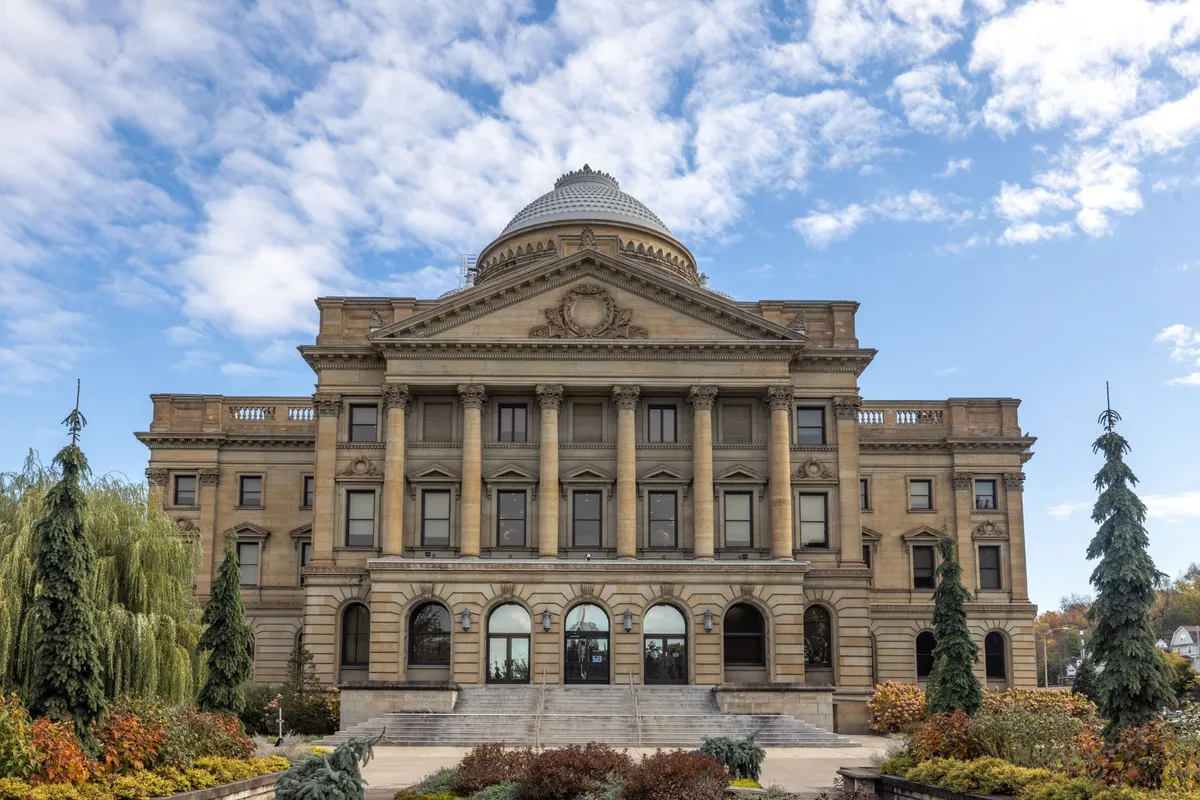
Blue Laws and Their Enduring Legacy
One of Pennsylvania's most well-known oddities is its blue law, which prohibits licensed motor vehicle dealers from selling cars on Sundays. This law dates back to early American history when Sunday was designated as a day of rest and worship, reflecting a time when societal values heavily influenced legislation. Although shopping habits and societal attitudes have shifted dramatically since then, the law remains in place, affecting how dealerships operate across the state.
The Rationale Behind Blue Laws
Initially, blue laws sought to preserve Sunday as a sacred day, limiting commercial activities deemed inappropriate for the day of rest. While this perspective may seem outdated, the law has practical implications today. The continued enforcement of this regulation allows employees in the automotive industry to enjoy a guaranteed day off, promoting work-life balance amidst the rigorous demands of the retail sector.

Fortune-Telling: A Criminal Offense?
Another surprising regulation on Pennsylvania’s books prohibits practicing fortune-telling for financial gain. This law covers a range of activities, including predicting the future, removing curses, and casting spells. Although prosecutions for this offense are rare today, the statute was originally designed to protect consumers from potential fraud and deception.
Consumer Protection in Unusual Forms
At first glance, the idea of criminalizing fortune-telling may seem far-fetched. However, this law underscores the state's commitment to protecting vulnerable individuals from scams that prey on their fears or desires. By keeping this regulation active, Pennsylvania acknowledges the need for consumer protection, even in areas that may appear eccentric or outdated. It serves as a reminder that legislation can evolve from practical concerns, even if the relevance of those concerns may wane over time.

Safety First: Emergency Warning Devices
In a bid to enhance road safety, Pennsylvania mandates that certain commercial vehicles, buses, trucks, and vehicles towing trailers carry emergency warning devices such as reflective triangles or flares. This law, which has often been confused with myths about using flares to scare away livestock, plays a crucial role in preventing secondary collisions when a vehicle becomes disabled on the road.
The Importance of Emergency Preparedness
While the requirement may seem mundane, it encapsulates a broader philosophy of safety and preparedness that permeates many of Pennsylvania's regulations. By ensuring that vehicles are equipped to alert other motorists in emergencies, the law aims to reduce accidents and save lives. This practical approach to legislation showcases how even the most peculiar laws can have significant implications for public safety.

Fishing Regulations: Protecting Aquatic Life
Among the more bizarre laws in Pennsylvania is the prohibition against catching fish with bare hands. While this regulation may sound harmless to some, it is rooted in a commitment to preserving aquatic ecosystems and encouraging responsible fishing practices. The Pennsylvania Fish and Boat Commission oversees these regulations, ensuring that fishing activities do not harm fish populations or their habitats.
Balancing Tradition and Conservation
This law not only protects fish populations but also promotes sustainable fishing methods. By restricting hand-fishing, the state encourages anglers to use proper equipment, which in turn minimizes harm to the environment and supports conservation efforts. Such regulations may seem unusual, but they reflect a deep-seated commitment to ecological stewardship that is essential for maintaining Pennsylvania’s natural resources.
Fireworks: Complex Regulations in Play
In recent years, Pennsylvania has made headlines by revising its fireworks laws to allow certain consumer fireworks. However, the use of these fireworks remains tightly regulated, with municipalities granted the authority to impose additional restrictions. This layered regulatory framework often surprises residents who assume that purchasing fireworks grants them unrestricted use.
Understanding Local Regulations
The complexity of Pennsylvania's fireworks laws highlights the importance of understanding local ordinances. While state law may permit certain types of fireworks, local governments may impose time restrictions or outright bans in specific areas. This regulatory landscape ensures that safety considerations are prioritized while allowing for celebrations that involve fireworks, showing that even seemingly simple activities can be subject to nuanced legal frameworks.
Key Takeaways
- Pennsylvania's blue laws restrict vehicle sales on Sundays, reflecting historical values.
- Practicing fortune-telling for profit is a criminal offense, aimed at protecting consumers.
- Emergency warning devices are required for certain vehicles to enhance road safety.
- Hand-fishing is illegal to promote aquatic conservation.
- Fireworks laws are complex, with local regulations impacting their use.
Frequently Asked Questions
Why do some of Pennsylvania's laws seem outdated?
Many of Pennsylvania's unusual laws stem from historical contexts that may no longer align with modern societal norms. While these laws may seem outdated, they often remain on the books due to a combination of legislative inertia and the practical implications they may still hold, such as consumer protection or public safety. Revising legislation can be a lengthy process, often requiring significant political will and public support.
Are these laws enforced regularly?
Enforcement of Pennsylvania’s odd laws varies significantly based on local practices and priorities. While some laws, such as those related to safety, may see regular enforcement, others—like the prohibition on fortune-telling—are rarely enforced. This inconsistency reflects the complexities of legal enforcement where resources are prioritized for more pressing legal matters.
Can I challenge an unusual law in Pennsylvania?
Yes, individuals can challenge laws in Pennsylvania, but doing so typically involves a legal process that may require the assistance of a qualified attorney. Challenges can be based on arguments regarding the constitutionality of a law or its relevance to contemporary society. However, successful challenges can be difficult to achieve, as courts often defer to legislative intent unless there is a clear violation of rights.
What should I do if I unknowingly break one of these laws?
If you find yourself unintentionally violating one of Pennsylvania's odd laws, the best course of action is to consult with a legal professional. Understanding your rights and the potential consequences of the violation is crucial. Depending on the nature of the offense, you may be able to seek a resolution or mitigate any penalties through legal channels.
Disclaimer: This content is general information, not legal advice.
Comments
Public Perception of the Supreme Court: Support Amid Low Approval Ratings
Despite low overall approval ratings, the Supreme Court maintains strong public support for many of its decisions. This article explores the complexities behind this phenomenon.
Related articles
Popular in Guides
- Lake Mead Reaches Historic Low: Understanding the Impacts of Water Scarcity
- Fires and Ferns: Understanding Ancient Europe's Climate Catastrophe
- Unveiling Hidden Stars: Astronomers Discover Four New White Dwarfs
- Understanding the Impact of Hawaii's Online Booking Fee Tax Ruling
- Navigating South Carolina Rental Property Law: A Comprehensive Guide