Historic Auction of Lincoln's Legal Artifacts: A Unique Opportunity
An ongoing auction is offering a rare glimpse into the legal world of Abraham Lincoln, featuring documents and furniture he used in his practice. This event not only highlights Lincoln's legal career but also provides insights into American legal history.
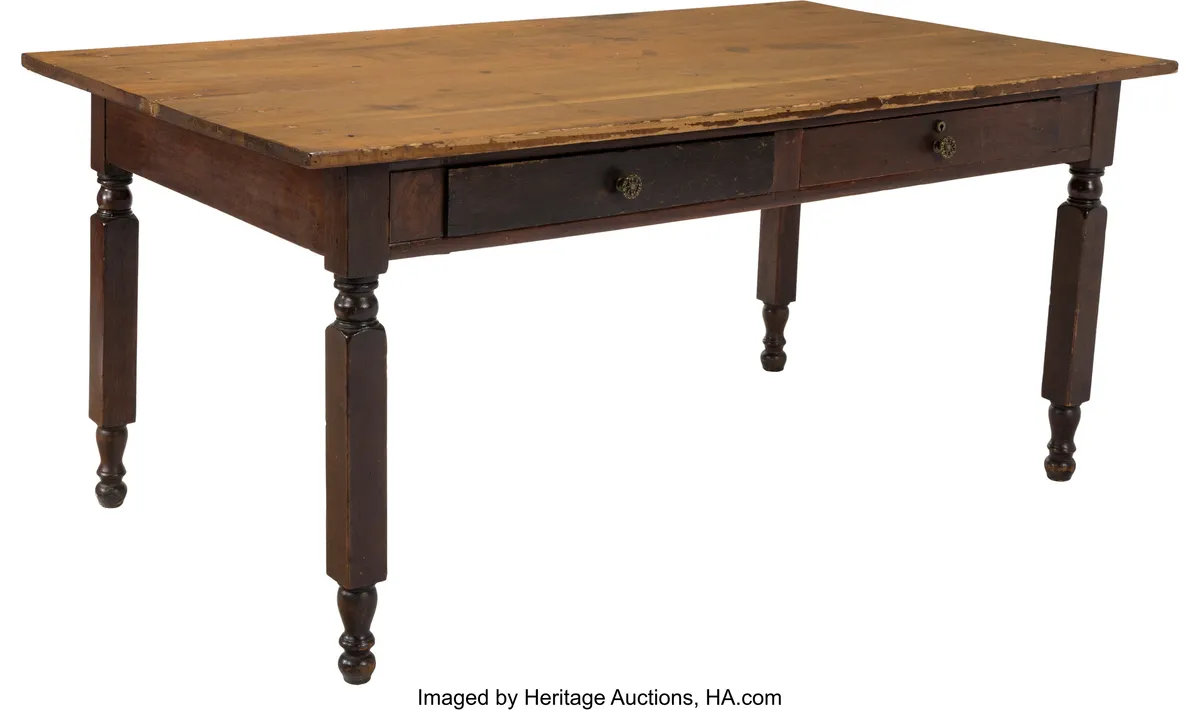
In a remarkable intersection of history and legal practice, an ongoing auction is showcasing an array of personal artifacts from one of America’s most revered figures—Abraham Lincoln. This event features not only the furniture used by Lincoln during his law practice but also a collection of significant documents that shed light on his legal career. As the 16th president of the United States, Lincoln’s contributions to law and governance were monumental, and these items offer a rare glimpse into his life before he entered the political arena.
For legal enthusiasts, historians, and collectors alike, this auction represents an extraordinary opportunity to acquire pieces that resonate with the very foundations of American law. From the intricacies of legal documents to the craftsmanship of period furniture, each item tells a story that connects to Lincoln's legacy and the evolution of the American legal system.
Lincoln's Legal Career: A Brief Overview
Before ascending to the presidency, Abraham Lincoln was a practicing lawyer in Illinois. His legal career spanned nearly two decades, during which he gained a reputation not only for his eloquence and legal acumen but also for his integrity and ethical standards in the practice of law. Lincoln often represented clients in various cases, from land disputes to criminal defense, and his approach to law was marked by a strong sense of justice.
The Significance of the Documents
The auction features a selection of legal documents that Lincoln either authored or signed, providing insight into the legal principles and practices of the time. These documents are more than just paper; they are reflections of Lincoln's thoughts, strategies, and the legal landscape of the mid-19th century. For instance, legal contracts from the 1850s reveal how property laws and civil rights were evolving, setting the stage for the legal battles that would follow during his presidency.

Historical Context of Lincoln's Law Practice
Lincoln began his legal career in Springfield, Illinois, where he formed a partnership with several prominent lawyers. This was a time when the American legal system was undergoing significant changes, particularly with the westward expansion and the contentious issues surrounding slavery. Lincoln’s cases often involved clients from various backgrounds, and his ability to empathize with their circumstances contributed to his growing reputation as a formidable attorney.
Furniture from Lincoln's Law Office
Among the items up for auction are pieces of furniture that were integral to Lincoln's law practice. This includes his desk and chairs, which not only served a practical purpose but also symbolized the environment in which he crafted arguments, negotiated settlements, and prepared for court appearances. The design and construction of this furniture reflect the craftsmanship of the era, giving collectors a tangible connection to the past.
The Auction Process and What to Expect
As the auction continues, interested parties can participate in various ways—either through in-person bidding or online platforms. Each item is accompanied by detailed descriptions and historical context, allowing potential buyers to appreciate their significance fully. The auction is expected to attract a diverse audience, ranging from dedicated historians to casual collectors, all eager to own a piece of legal history.
Valuation and Investment Potential
Investing in historical artifacts, especially those related to a figure like Abraham Lincoln, can be both financially rewarding and personally fulfilling. The value of such items often appreciates over time, particularly as public interest in historical artifacts continues to grow. Collectors should conduct thorough research and consider the provenance of each item, as well as its condition and market demand.

Key Takeaways
- Unique Opportunity: The auction features authentic artifacts from Lincoln's law practice.
- Historical Insight: Documents provide a window into the legal practices of the 19th century.
- Investment Potential: Historical items related to Lincoln can appreciate in value over time.
Frequently Asked Questions
What types of items are available in the auction?
The auction features a range of items, including legal documents penned by Lincoln, furniture from his law office, and other artifacts associated with his legal practice. Each piece offers a unique insight into Lincoln's life and work, making them valuable for collectors and history enthusiasts alike.
How can I participate in the auction?
Interested individuals can participate in the auction either by attending in person or through online bidding platforms. Detailed instructions on how to register and bid are typically provided by the auction house, ensuring that even those who cannot attend in person can take part in this historic opportunity.
What factors affect the value of the auction items?
The value of auction items can be influenced by several factors, including their historical significance, condition, provenance (the history of ownership), and current market trends. Items with a direct connection to Abraham Lincoln and his legal career are likely to command higher prices due to their rarity and historical importance.
Is there a way to authenticate the items?
Authentication is a crucial aspect of the auction process. Auction houses often provide documentation and expert evaluations to verify the authenticity of each item. Buyers should inquire about the authentication process and seek independent verification if necessary to ensure they are making a sound investment.
*This content is general information and not legal advice.
Comments
AI Revolutionizes Self-Representation in Court: A Pro Se Litigant's Journey
As technology evolves, a pro se litigant embraces artificial intelligence to navigate the complexities of the legal system. This article explores the implications for self-representation in court and how AI can assist those without legal counsel.

Related articles

Popular in Guides
- Lake Mead Reaches Historic Low: Understanding the Impacts of Water Scarcity
- Fires and Ferns: Understanding Ancient Europe's Climate Catastrophe
- Unveiling Hidden Stars: Astronomers Discover Four New White Dwarfs
- Understanding the Impact of Hawaii's Online Booking Fee Tax Ruling
- Navigating South Carolina Rental Property Law: A Comprehensive Guide