Facing the Flames: Strategies for Combating Wildfires in Europe
As Europe grapples with unprecedented wildfires linked to climate change, experts advocate for comprehensive strategies that transcend traditional firefighting methods. This article delves into the causes, impacts, and necessary adaptations needed to tackle this growing crisis effectively.
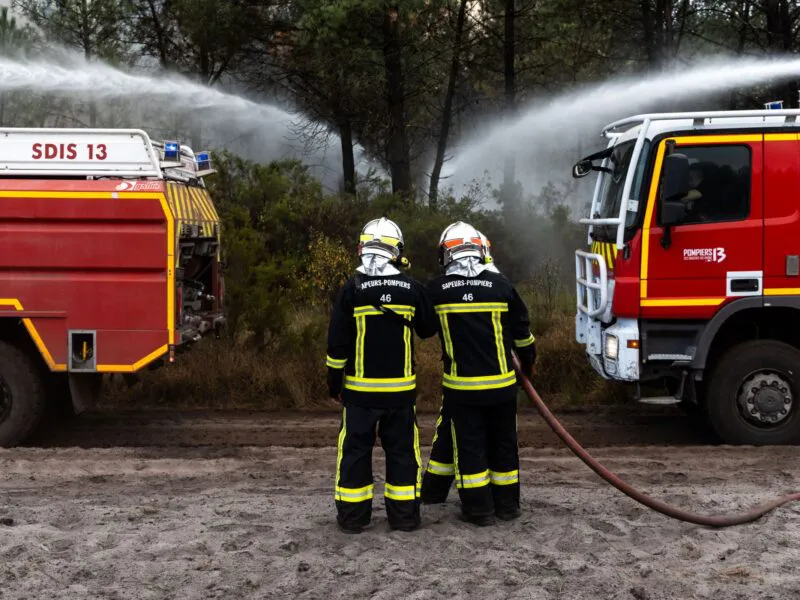
The sun blazes down mercilessly over the vineyards of Bordeaux, a city renowned for its fine wines and picturesque landscapes, as the region faces an unprecedented crisis. Thousands of residents have been evacuated due to raging wildfires that have consumed an area four times the size of Paris. This catastrophic event is not an isolated incident; it is part of a wider pattern of escalating wildfires across Europe, fueled by climate change and extreme weather conditions. As temperatures soar to 104°F in a new heatwave, the specter of rekindled flames looms large over both France and its neighbor, Spain, where emergency workers are battling the country’s largest recorded wildfire.
With 14 lives lost in Spain as of midweek, the toll of this disaster is painfully evident. Yet, amidst the chaos, Spanish Prime Minister Pedro Sánchez expressed a glimmer of hope, suggesting that there may be a “light at the end of the tunnel.” Experts, however, caution against complacency. They argue that simply bolstering firefighting resources may not be enough to address the root causes of these devastating blazes. A more holistic approach is necessary to effectively mitigate the risks and protect vulnerable communities.
The Underlying Causes of European Wildfires
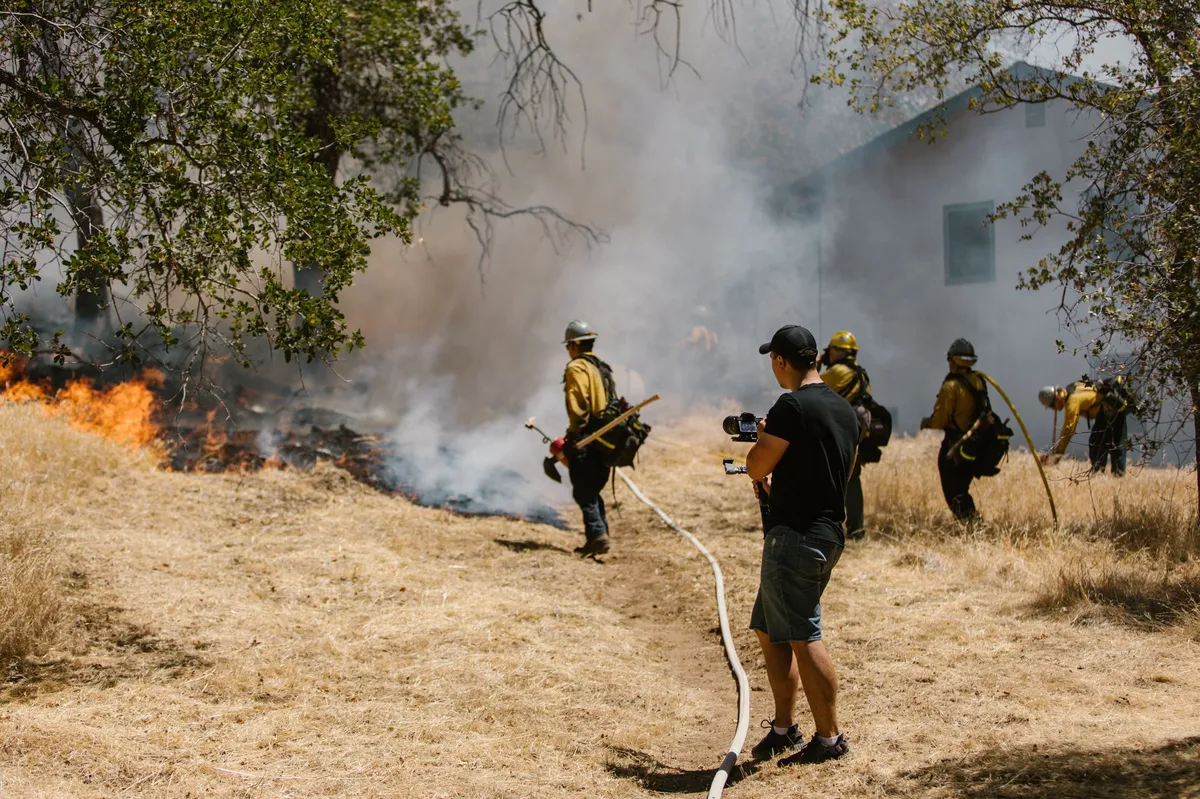
The wildfires that have erupted across France and Spain since mid-July have been exacerbated by a combination of factors, the most significant being climate change. A lengthy drought, combined with unseasonably high temperatures and strong winds, has created a perfect storm for fire ignition and spread. Météo-France, the national meteorological service, has indicated that the current week is expected to be the hottest and driest, raising the wildfire danger to critical levels across the country.
Contributing Environmental Factors
Experts have identified an alarming trend: Europe is warming at a rate more than twice the global average. The European Union’s Copernicus climate service has reported that Western Europe experienced its hottest June on record, setting the stage for unprecedented fire conditions. Johann Georg Goldammer, director of the Global Fire Monitoring Center, emphasizes that the long-lasting drought has rendered vegetation exceptionally dry, increasing its flammability.
Moreover, Lluís Brotons, a senior researcher at the Center for Ecological Research and Forestry Applications, notes that the scale and intensity of these fires are relatively new phenomena for Europe. Fires are no longer isolated incidents but complexes that interact with one another, posing significant threats to populations and necessitating mass evacuations.
Impact on Communities and the Environment
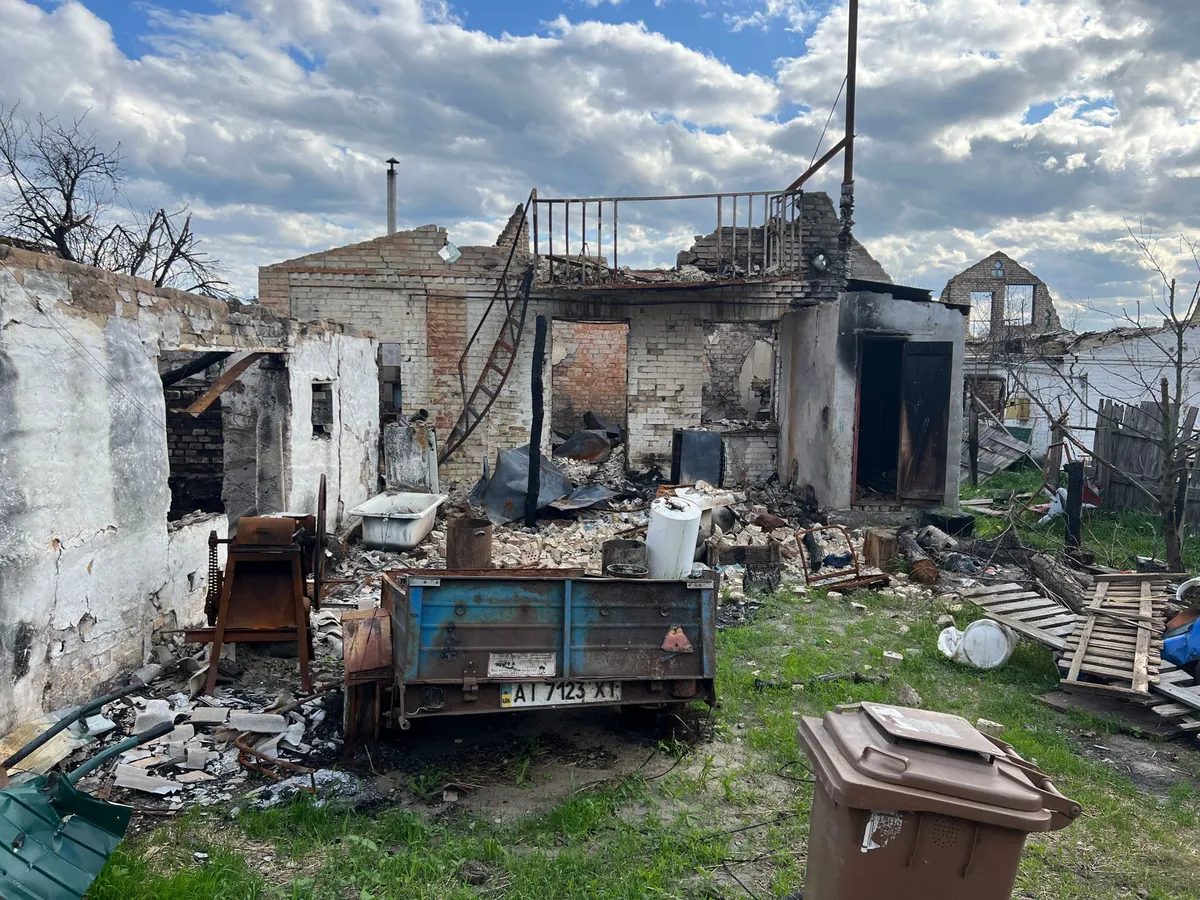
The ramifications of these wildfires extend far beyond the immediate danger to life and property. At the peak of the crisis, approximately 330,000 individuals were forced to evacuate their homes and vacation destinations across France and Spain. The destruction of homes and natural habitats raises concerns about long-term environmental degradation and community resilience.
A Growing Emergency
As the fires spread, they generate their own weather patterns, with “storm clouds” forming that can create unpredictable winds and exacerbate fire behavior. This phenomenon complicates firefighting efforts and increases the risk of further outbreaks. The situation presents a pressing need for comprehensive strategies that do not solely focus on firefighting but also involve proactive measures to reduce fire risks.
- Proactive Mitigation Measures: Investing in community-based risk reduction and mitigation strategies.
- Resilience Planning: Enhancing the resilience of landscapes to withstand future fires.
- Public Awareness Campaigns: Educating communities about fire risks and preparedness.
Shifting Strategies: From Suppression to Resilience
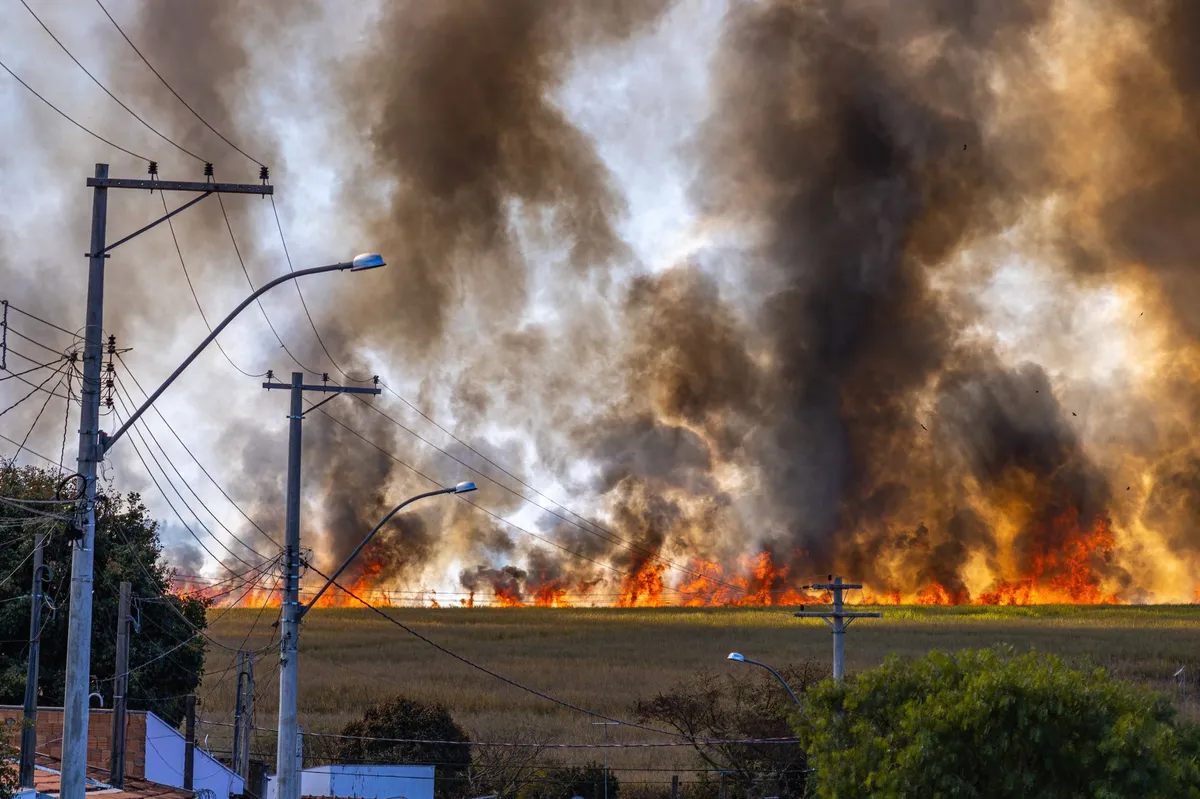
Experts like Lindon Pronto from the European Forest Institute advocate for a reevaluation of wildfire management strategies. While traditional firefighting methods have been effective, they often ignore the necessity of reducing fuel loads and implementing preventive measures. Pronto argues for a balanced approach that includes investment in community support, ecological management, and controlled burns.
Learning from the Past
The United States underwent a “wake-up moment” regarding wildfire management decades ago, recognizing the importance of not just suppressing fires but also managing landscapes to reduce fuel accumulation. Pronto suggests that Europe may now be on the cusp of a similar reckoning, necessitating a shift in strategy to avoid catastrophic fires in the future.
Incorporating methods such as managed grazing with sheep and goats can help control vegetation growth, while controlled burns can reduce excess biomass. These strategies can enhance the landscape’s resilience and reduce the risk of severe wildfires.
Conclusion: A Call to Action
As Europe grapples with the reality of increasingly severe wildfires, the time has come for a fundamental shift in how these fires are managed. The urgency of the situation demands a multi-faceted approach that integrates firefighting with community preparedness, ecological management, and public education. By investing in these areas, Europe can work towards a future where communities are better protected from the ravages of wildfires, and the natural environment is more resilient.
Key Takeaways
- Wildfires in Europe are exacerbated by climate change, extreme heat, and prolonged drought.
- Approximately 330,000 people have been evacuated due to ongoing wildfires in France and Spain.
- A holistic approach to fire management is needed, integrating prevention, community support, and ecological management.
- Experts urge a shift from aggressive fire suppression to proactive landscape management.
- Investing in community resilience can significantly mitigate the risks of future wildfires.
Frequently Asked Questions
What are the primary causes of the recent wildfires in Europe?
The recent wildfires in Europe are primarily caused by a combination of climate change, extreme heat, prolonged drought, and strong winds. These conditions have led to exceptionally dry vegetation, making it more susceptible to ignition. The specific causes of individual fires can often be linked to human activity or electrical infrastructure failures, but the overarching environmental factors create a conducive environment for severe wildfires.
How do wildfires impact communities?
Wildfires can have devastating effects on communities, including loss of life, destruction of homes, and displacement of residents. During the recent crisis, approximately 330,000 people were evacuated from their homes in France and Spain. Beyond immediate impacts, wildfires can lead to long-term environmental degradation, economic losses, and challenges in community rebuilding and recovery.
What preventative measures can be taken to reduce the risk of wildfires?
Preventative measures to reduce the risk of wildfires include investing in community education and awareness programs, implementing controlled burns to manage fuel loads, and utilizing livestock such as goats and sheep for vegetation control. Additionally, creating firebreaks and promoting responsible land use can help mitigate fire risks and enhance community resilience.
Why is a shift in wildfire management strategy necessary?
A shift in wildfire management strategy is necessary because traditional firefighting methods alone are insufficient to address the increasing severity and frequency of wildfires. A more holistic approach that includes proactive risk reduction, ecological management, and community preparedness is essential for minimizing the impacts of future wildfires and fostering a more resilient landscape.
This content is general information, not legal advice.
Comments
AI Revolutionizes Self-Representation in Court: A Pro Se Litigant's Journey
As technology evolves, a pro se litigant embraces artificial intelligence to navigate the complexities of the legal system. This article explores the implications for self-representation in court and how AI can assist those without legal counsel.

Related articles

Popular in Guides
- Lake Mead Reaches Historic Low: Understanding the Impacts of Water Scarcity
- Fires and Ferns: Understanding Ancient Europe's Climate Catastrophe
- Unveiling Hidden Stars: Astronomers Discover Four New White Dwarfs
- Understanding the Impact of Hawaii's Online Booking Fee Tax Ruling
- Navigating South Carolina Rental Property Law: A Comprehensive Guide