Betelgeuse's Hidden Companion: A New Chapter in Stellar Discovery
Astronomers have discovered a faint companion star orbiting Betelgeuse, shedding light on the red supergiant's behavior and future. This groundbreaking finding could reshape our understanding of stellar evolution.
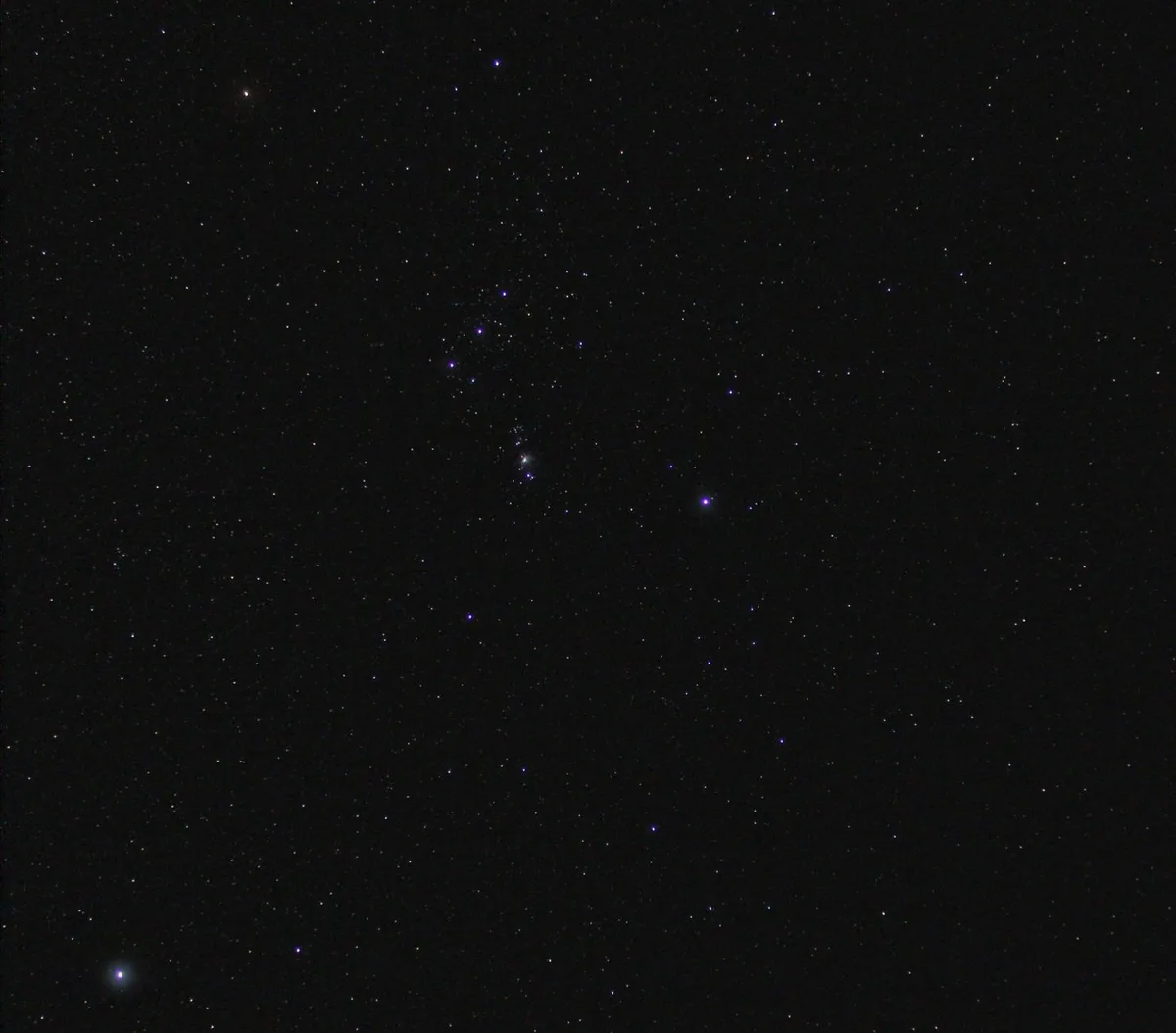
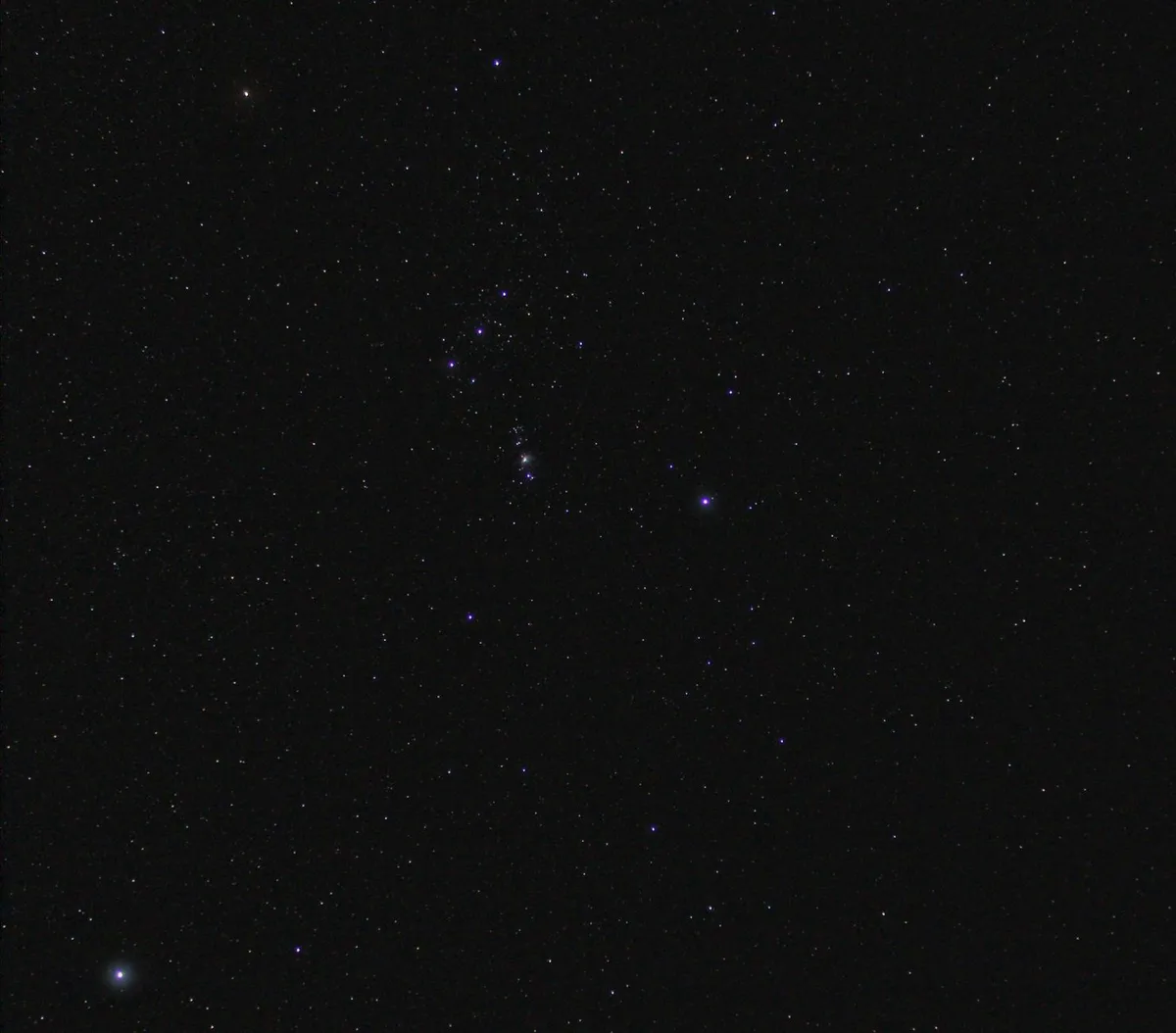
In a remarkable twist of astronomical observation, scientists have revealed that one of the night sky's most prominent stars, Betelgeuse, is not alone. This bright red supergiant, easily recognizable within the constellation Orion, has long intrigued astronomers with its unpredictable behavior and fluctuations in brightness. Recent findings, published in the journal Astronomy & Astrophysics, suggest that Betelgeuse is accompanied by a previously unseen companion star, designated Betelgeuse B. This discovery could not only explain the mysterious characteristics of Betelgeuse but also enhance our understanding of stellar evolution.
The journey to uncover the hidden companion began with the use of the European Southern Observatory's (ESO) Very Large Telescope in Chile. In December 2024, astronomers directed the powerful telescope to Betelgeuse, timed precisely when the companion was predicted to be farthest from the primary star, thereby making it more detectable. The lead author of the study, Miguel Montargès, expressed his astonishment upon confirming the existence of Betelgeuse B, stating, “I jumped from my chair when I saw the processed images.” This reaction underscores the excitement that accompanies groundbreaking discoveries in the field of astronomy.
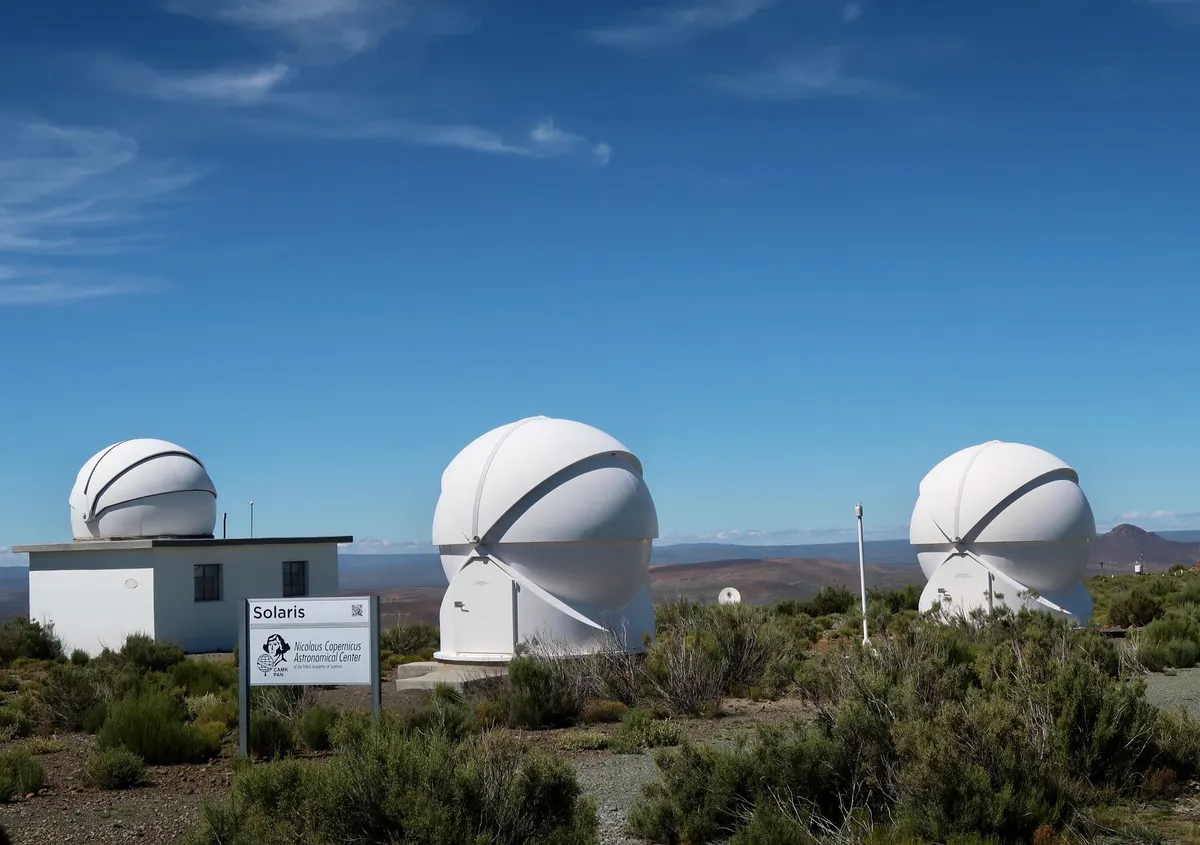
Unveiling Betelgeuse's Secrets
Betelgeuse has been a subject of fascination for centuries, not only for its brilliance but also for its erratic behavior. Observations of this star have ranged from its notable dimming events in 2019 and 2020 to speculations about an impending supernova explosion. However, these claims were later attributed to a temporary cloud of dust obstructing our view. Such events have raised questions about the internal processes occurring within Betelgeuse and its ultimate fate. The discovery of Betelgeuse B now adds another layer to this complex story.
The findings suggest that Betelgeuse B is larger and more massive than previously anticipated, estimated to be two to three times the mass of our Sun. This revelation contradicts earlier assumptions and raises intriguing questions about the gravitational dynamics between the two stars. According to Montargès, “Honestly, I thought we did not have the sensitivity to detect Betelgeuse B as it was predicted.” The unexpected mass of the companion star implies a stronger influence on Betelgeuse than scientists had originally theorized.
The Role of Advanced Instruments
The technology used to detect Betelgeuse B plays a significant role in this discovery. The SPHERE instrument on the Very Large Telescope, initially designed to discover exoplanets around distant stars, has proven capable of revealing faint stellar companions as well. This adaptability highlights the potential for existing astronomical instruments to yield new findings, even regarding well-studied celestial bodies.
The confirmation of Betelgeuse B is not merely an academic curiosity; it could have significant implications for our understanding of how massive stars evolve. Astronomers plan to conduct further observations in the coming year when the companion star will be positioned on the opposite side of Betelgeuse, allowing for enhanced imaging and validation of its existence.
Implications for Stellar Evolution
The discovery of Betelgeuse's companion could also provide crucial insights into the star's eventual demise. As a red supergiant, Betelgeuse is nearing the end of its life cycle, and when it does explode, it will do so as a supernova. Prior to this event, the dynamics between Betelgeuse and Betelgeuse B may influence the characteristics of the supernova itself and the processes leading up to it.
Understanding how companion stars interact with their primary stars is essential for astrophysical models. These interactions can affect mass transfer, gravitational forces, and even the chemical makeup of the stars involved. With Betelgeuse B being more massive than initially thought, researchers are now tasked with understanding how this companion might alter Betelgeuse’s nuclear fusion processes and its eventual explosion.
Conclusion: A New Era in Astronomy
The finding of a companion to such a well-studied star as Betelgeuse exemplifies the spirit of discovery that drives scientific inquiry. As Montargès aptly noted, “The fact that we can still discover a nearby companion, more massive and brighter than the sun, around such a well-studied star is remarkable.” This discovery not only enriches our knowledge of Betelgeuse but also serves as a reminder of the universe's vast, unexplored wonders.
Key Takeaways
- Betelgeuse B: A newly discovered companion star orbiting Betelgeuse.
- Massive Surprise: Betelgeuse B is larger than expected, with a mass of two to three times that of the Sun.
- Advanced Technology: The SPHERE instrument on the Very Large Telescope was pivotal in detecting the companion star.
- Stellar Evolution: The presence of Betelgeuse B may influence the dynamics and eventual supernova of Betelgeuse.
Frequently Asked Questions
What is Betelgeuse?
Betelgeuse is a red supergiant star located in the constellation Orion. It is one of the brightest stars visible from Earth and is known for its varying brightness, which has intrigued astronomers for centuries. Its future as a supernova is of particular interest, given its relatively close proximity to Earth.
How was Betelgeuse B discovered?
The companion star, Betelgeuse B, was discovered using the Very Large Telescope in Chile. Observations were conducted when the companion was positioned farthest from Betelgeuse, making it easier to detect. The findings were processed over several months before confirming its existence.
What are the implications of this discovery?
The discovery of Betelgeuse B could significantly enhance our understanding of Betelgeuse's behavior and eventual fate. It may impact the processes leading up to Betelgeuse's supernova explosion and provide insights into stellar evolution and interactions between massive stars.
Will there be further observations of Betelgeuse B?
Yes, astronomers plan to observe Betelgeuse B again in the coming year when it will appear on the opposite side of Betelgeuse. This will allow for further confirmation of its existence and additional insights into the dynamics between the two stars.
This content is general information, not legal advice.
Comments
Rejuvenating Journeys: A Southern California Beach Vacation
A personal narrative of a transformative beach vacation in Southern California, exploring the deep connection between nature, health, and rejuvenation. Discover the tranquility of morning swims, evening reflections, and the simple joys of beach life.

Related articles
Popular in Guides
- Lake Mead Reaches Historic Low: Understanding the Impacts of Water Scarcity
- Fires and Ferns: Understanding Ancient Europe's Climate Catastrophe
- Unveiling Hidden Stars: Astronomers Discover Four New White Dwarfs
- Understanding the Impact of Hawaii's Online Booking Fee Tax Ruling
- Navigating South Carolina Rental Property Law: A Comprehensive Guide