Ancient Footprints Reveal New Insights on Extinct Human Relative
Recent fossil discoveries in Kenya offer a new understanding of Paranthropus boisei, suggesting they were larger and may have traveled in social groups. This research sheds light on their behavior and interactions 1.43 million years ago.
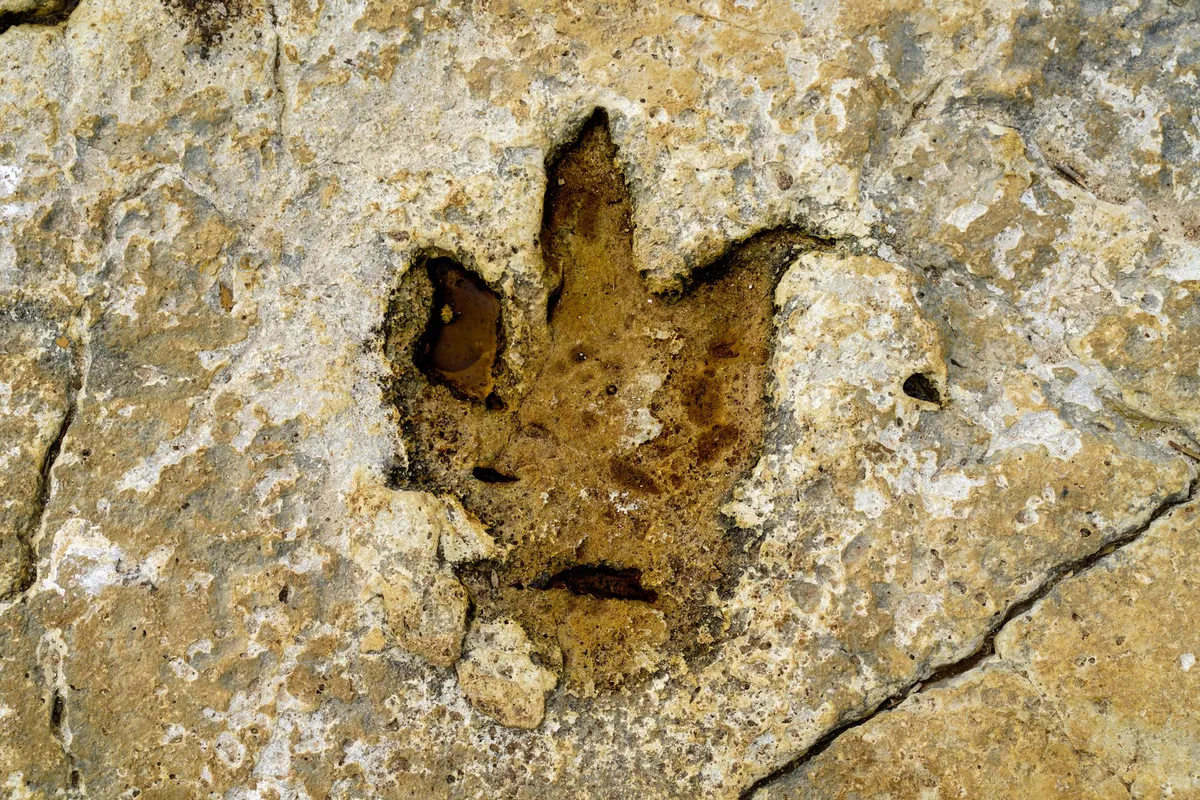
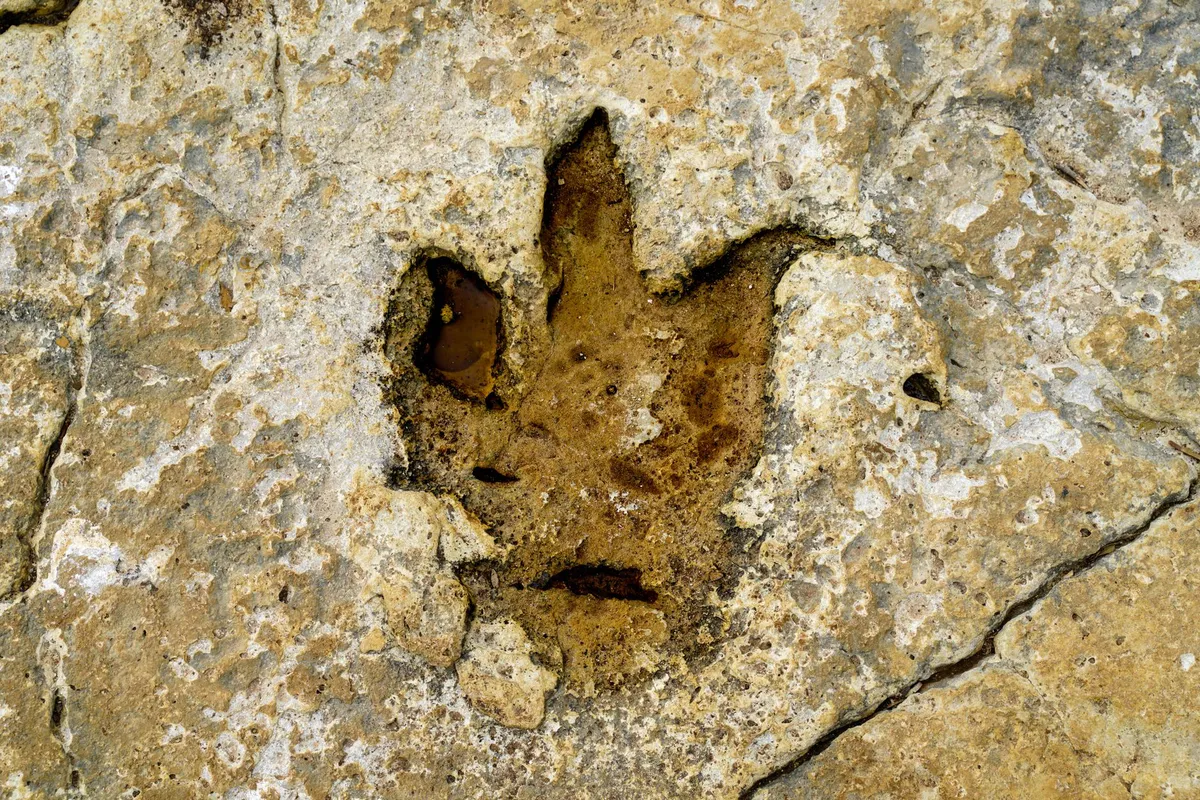
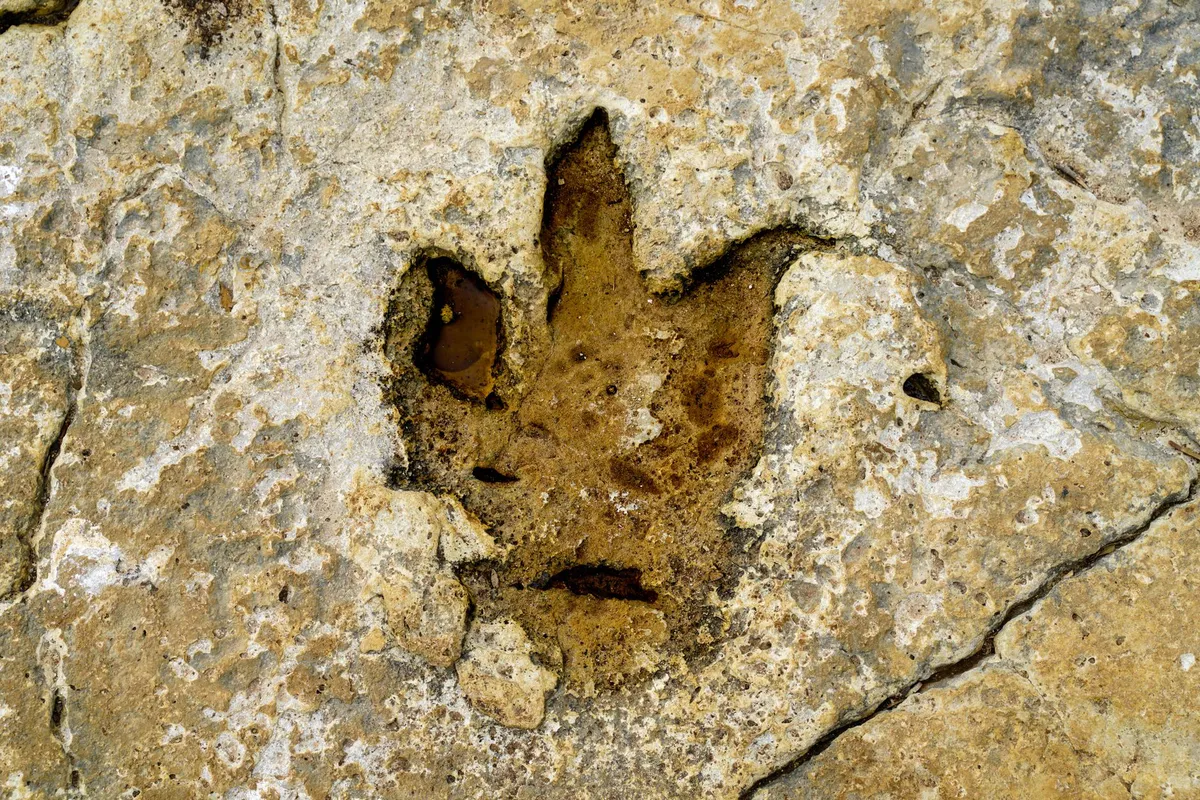
The discovery of fossilized footprints along the shores of Lake Turkana in Kenya has provided archaeologists and anthropologists with invaluable insights into the lives of an extinct human relative known as Paranthropus boisei. These footprints, dating back approximately 1.43 million years, indicate that this species was not only larger than previously believed but also suggest a complex social structure that challenges earlier assumptions about their behavior and interactions.
Significance of the Discovery
In a recent study published in the Proceedings of the National Academy of Sciences, researchers analyzed 21 fossilized footprints believed to have been made by a group of eight Paranthropus boisei individuals. The size and shape of these tracks suggest that these hominins could have reached heights of up to 6 feet and weighed around 165 pounds, characteristics that were historically associated with the larger Homo erectus.
Revisiting Size Estimates
Lead author Kevin Hatala, an associate professor of biology at Chatham University, emphasized the implications of these findings. The footprints indicate significantly larger body sizes than prior estimates, highlighting that P. boisei coexisted with similarly sized Homo erectus populations in eastern Africa during the Early Pleistocene period. This finding prompts a reevaluation of the size and stature of early hominins, which could reshape our understanding of human evolution.
Insights into Social Behavior
Beyond their size, the footprints also provide a rare glimpse into the social behaviors of Paranthropus boisei. The tracks suggest that these individuals likely traveled in groups, predominantly composed of adult males. This discovery points to a more intricate social structure than previously recognized, hinting that they may have exhibited behaviors such as group cohesion and competition for mates.
Group Dynamics
Co-author Neil Roach from Harvard University noted that the presence of multiple adult males traveling together—without females or juveniles—indicates a potentially complex social organization. This could imply that these hominins lived in larger groups, where adult males not only competed for mates but also formed alliances for mutual protection in their environment, which was likely fraught with predators and other dangers.
The Geological Context
The footprints were dated using volcanic ash layers found in the surrounding sediment, providing a reliable timeframe for their origin. During this period, the Lake Turkana shoreline was teeming with diverse wildlife, including crocodiles, elephants, hippopotamuses, and antelope, alongside at least two hominin species: P. boisei and Homo erectus. This rich ecosystem likely influenced the social and survival strategies of the hominins inhabiting the area.

The Journey of Discovery
The footprints were initially uncovered in 1978 by a research team led by Smithsonian paleontologist Kay Behrensmeyer. After the initial excavation, the site was reburied for preservation until researchers returned in 2016 and again in 2023, uncovering numerous additional tracks within the same sediment layer. This site, designated GaJi10, is one of many fossil footprint locations along Lake Turkana’s eastern shore, providing a treasure trove for ongoing research.
Future Investigations
Researchers plan to revisit the region later this year to further investigate the factors that contributed to the exceptional preservation of these footprints and what they might reveal about the behavior and ecology of early hominins. Behrensmeyer noted, “The special thing about footprints scientifically is that they preserve an instant in time. They also allow people to relate to these fossils much more easily than an isolated piece of bone or jaw.”
Key Takeaways
- Size Matters: Paranthropus boisei grew larger than previously thought, reaching heights of up to 6 feet.
- Social Structure: The presence of mostly adult males traveling together suggests complex social dynamics.
- Ecological Context: The footprints were dated to 1.43 million years ago, coinciding with a rich ecosystem at Lake Turkana.
- Ongoing Research: Further investigations are planned to explore the significance of these findings.
Frequently Asked Questions
What does the discovery of Paranthropus boisei footprints mean for our understanding of human evolution?
The footprints of Paranthropus boisei provide critical evidence that challenges previous assumptions about the size and social behavior of early hominins. By revealing that these individuals were larger than once thought and likely traveled in groups, this discovery emphasizes the complexity of their social structures and interactions. This can lead to a reevaluation of evolutionary pathways in hominin development, particularly in relation to their contemporaries like Homo erectus.
How did researchers determine the age of the footprints?
The age of the footprints was established through analysis of volcanic ash layers found in the surrounding sediment. By dating these layers, researchers were able to reliably date the footprints to approximately 1.43 million years ago. This method of dating is critical in paleontology, as it provides context for understanding the environmental conditions in which these early hominins lived.
What conditions existed at Lake Turkana during the time of Paranthropus boisei?
During the time when Paranthropus boisei roamed the shores of Lake Turkana, the area supported a diverse array of wildlife, including crocodiles, elephants, and hippopotamuses. This rich ecosystem likely influenced the behavior and social dynamics of the hominins, indicating that they had to adapt to a competitive environment filled with both predators and other hominin species.
What are the implications of these findings for future research?
The findings from the GaJi10 site suggest a wealth of untapped information regarding the lives of early hominins. Future research is expected to focus on understanding the social structures, behaviors, and ecological adaptations of Paranthropus boisei and other contemporaneous species. Continued excavations may uncover additional footprints and other fossil evidence, further enriching our understanding of human evolution.
This content is general information and not legal advice.
Comments
Betelgeuse's Hidden Companion: A New Chapter in Stellar Discovery
Astronomers have discovered a faint companion star orbiting Betelgeuse, shedding light on the red supergiant's behavior and future. This groundbreaking finding could reshape our understanding of stellar evolution.

Related articles

Popular in Guides
- Lake Mead Reaches Historic Low: Understanding the Impacts of Water Scarcity
- Fires and Ferns: Understanding Ancient Europe's Climate Catastrophe
- Unveiling Hidden Stars: Astronomers Discover Four New White Dwarfs
- Understanding the Impact of Hawaii's Online Booking Fee Tax Ruling
- Navigating South Carolina Rental Property Law: A Comprehensive Guide