Trump's Ban on Major News Outlets: A First Amendment Challenge Ahead
President Trump's recent announcement to ban CNN, MS NOW, and Politico from White House access raises significant First Amendment questions. This article explores the implications and potential legal battles stemming from this controversial decision.

In a bold and controversial move, President Donald Trump announced on Friday that he would ban several prominent news organizations—including CNN, MS NOW, and Politico—from accessing the White House. Citing what he termed 'fake news,' Trump framed this decision as a necessary response to what he perceives as a pattern of misleading reporting by these outlets. As tensions between the media and the Trump administration escalate, this development raises urgent questions about press freedom and the boundaries of presidential authority.
The announcement, made via a post on Trump's social media platform Truth Social, caught many off guard and is seen as a significant escalation in his ongoing feud with the media. This ban is not merely a personal vendetta; it reflects a broader narrative that has characterized Trump's relationship with the press since his campaign began. The implications of this decision could reverberate through the legal landscape, prompting potential challenges based on First Amendment rights.
The Context of Press Relations Under Trump
Trump's contentious relationship with the media is well-documented. From his frequent use of the term 'fake news' to describe unfavorable coverage to previous attempts to limit press access, it is clear that his administration views the media as a formidable adversary. Trump has often singled out CNN, accusing the network of unfair and biased reporting. In 2018, he briefly banned CNN reporter Jim Acosta from the White House following a heated exchange during a press briefing. This incident set a precedent that many believe emboldened further actions against the media.
The recent ban appears to be a culmination of years of perceived grievances. Trump specifically targeted Politico, claiming that the publication had received an 'illegal' government subscription worth $8 million under the Biden administration—a claim Politico strongly refuted, labeling it a fabrication. Trump's rhetoric indicates a desire to shape the narrative around his presidency while punishing those he feels have undermined his administration.
Implications for First Amendment Rights
At the heart of this ban lies a crucial legal question: Does the president have the authority to restrict press access based on perceived bias or hostility? The First Amendment of the U.S. Constitution guarantees freedom of the press, a right that has been interpreted by courts to prohibit government interference in journalistic activities.
Legal experts argue that this ban could constitute a violation of these rights. CNN's spokesperson responded to the announcement by asserting that any attempt to restrict their reporting would be an 'illegal assault' on fundamental freedoms. Similarly, Politico pledged to 'vigorously defend' its First Amendment rights against any efforts to curtail them. The legal landscape suggests that if Trump follows through on his threats, he may face robust challenges in court.
- First Amendment Protections: The First Amendment guarantees freedom of the press, which is crucial for a healthy democracy.
- Legal Precedents: Past cases, such as the AP's lawsuit over access restrictions, highlight the judiciary's willingness to protect press freedoms.
- Potential for Retaliation Claims: Media organizations could argue that the ban is punitive and retaliatory, a violation of their constitutional rights.
Historical Precedent and Legal Challenges
This is not the first time Trump's administration has faced legal scrutiny over press access issues. In early 2025, the Associated Press (AP) sued the administration after its reporters were barred from the Oval Office over a dispute regarding Trump's renaming of the Gulf of Mexico. The AP argued that the ban constituted illegal retaliation, asserting that it was a tactic to suppress free speech. Ultimately, the courts ruled in favor of the AP, underscoring the judiciary's role in safeguarding press freedoms.
Similarly, Jim Acosta's case serves as a powerful reminder of the judicial system's commitment to protecting journalists. Following his removal from the White House, Acosta filed a lawsuit that resulted in a federal judge ordering the reinstatement of his press pass. This landmark case exemplifies how the courts can act as a check on executive power when it comes to media access.
The Role of the White House Correspondents' Association
The White House Correspondents' Association, which advocates for the rights of journalists covering the presidency, has remained notably silent on Trump's latest announcement as of Friday afternoon. However, it is highly likely that they will respond formally to the ban, given the significant implications for press freedoms. The association has historically stood up against any actions perceived as threats to journalists' rights and may seek to challenge Trump's decision in court.
The association's role is crucial in not only defending the rights of individual reporters but also in maintaining the integrity of the press as a whole. Any legal challenge from the association could become a pivotal moment in defining the relationship between the executive branch and the media.
Looking Ahead: What This Means for the Media Landscape
As Trump's administration continues to grapple with accusations of misinformation and bias, the media landscape may face significant upheaval. Trump's ban on these news outlets could set a dangerous precedent for future administrations, potentially emboldening other leaders to restrict press freedoms in similar ways. The implications extend beyond just the immediate media environment; they touch on the fundamental principles of democracy itself.
For the media, it is essential to remain vigilant and advocate for their rights. This situation may inspire greater solidarity among journalists and news organizations as they collectively defend against government overreach and fight for transparency and accountability in the political arena.

Key Takeaways
- Trump's ban on CNN, MS NOW, and Politico reflects ongoing tensions with the media.
- First Amendment rights are central to the discussion, with potential legal challenges expected.
- Previous legal precedents highlight the importance of judicial protection for press freedoms.
- The White House Correspondents' Association may take action in response to the bans.
Frequently Asked Questions
What are the potential legal implications of Trump's media ban?
The potential legal implications of Trump's media ban center around First Amendment rights, which protect freedom of the press. Legal experts suggest that if the ban is enacted, it could face significant challenges in court, as any restriction on press access may be viewed as retaliation or a violation of journalists' constitutional rights.
How have media organizations responded to the ban?
Media organizations like CNN and Politico have responded to the ban by asserting their commitment to fair reporting and their intention to defend their First Amendment rights. CNN emphasized that any attempt to restrict their access would be illegal, while Politico categorically denied the claims of receiving government subsidies.
What historical precedents exist regarding press access under Trump?
Historical precedents include the Associated Press's lawsuit against the Trump administration, which successfully challenged a ban on its reporters. Additionally, Jim Acosta's case illustrates the judiciary's role in protecting press freedoms after he was reinstated following a legal battle over his press credentials.
What role does the White House Correspondents' Association play in this situation?
The White House Correspondents' Association plays a critical role in advocating for journalists' rights and press access to the presidency. In light of the recent ban, the association may respond formally to defend the rights of reporters and challenge any unconstitutional actions by the Trump administration.
Comments
Revolutionizing Patent Law: The Shift from AI-Based to AI-Native Solutions
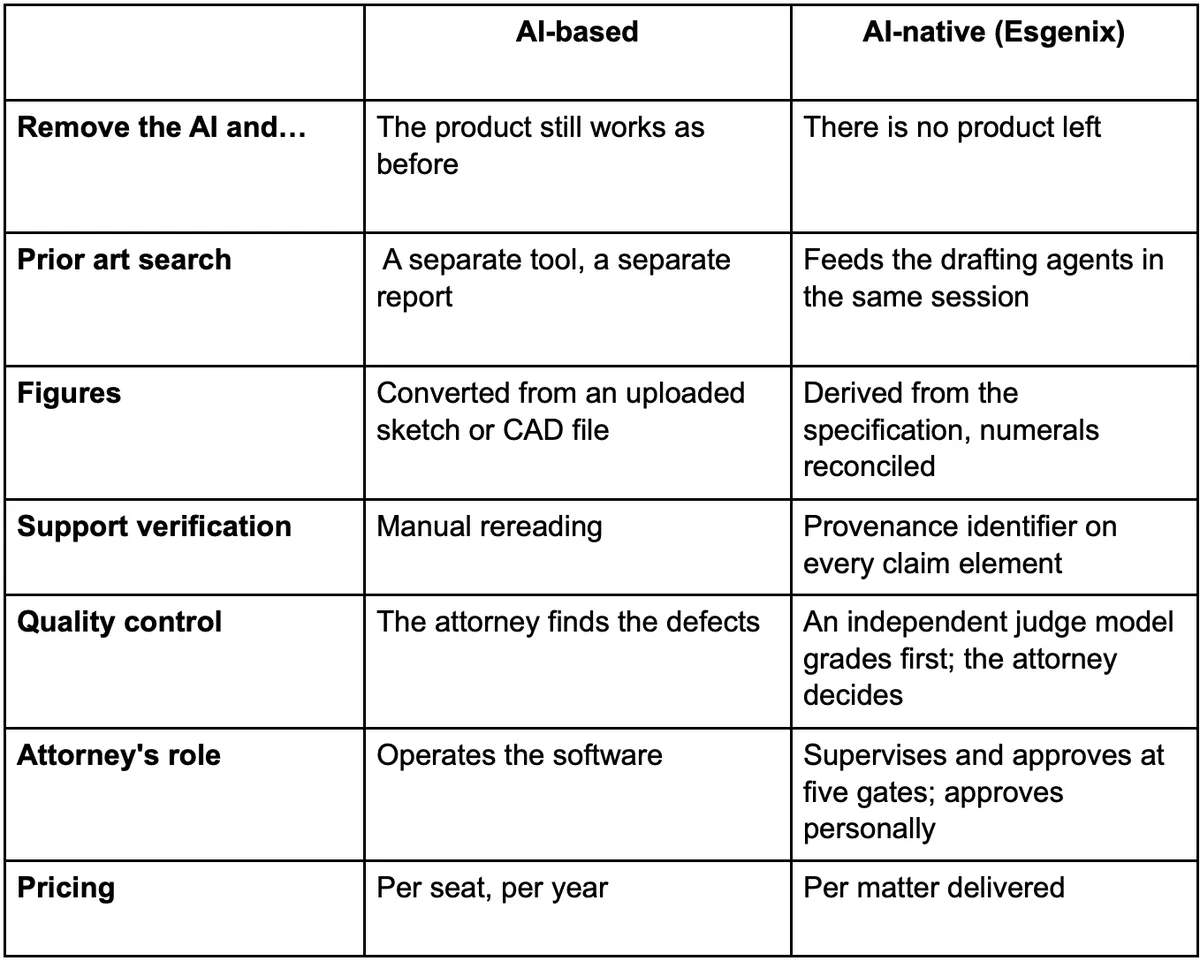
The patent industry is undergoing a transformative shift from AI-based tools to AI-native platforms, fundamentally changing how legal professionals approach patent applications. This evolution not only impacts workflow efficiency but also has significant implications for patent quality and attorney involvement.
Related articles
Popular in Business Law
- Supreme Court Justices' Financial Disclosures: A Closer Look
- Vishal Garg's Leadership Fallout: The Rise and Fall of Better.com
- Former Intelligence Official Faces Penalty for Post-Government Misconduct
- Blank Rome Faces Lawsuit After Major Data Breach Exposes Personal Information
- John Oliver vs. Buc-ee's: A Legal Showdown Over Mascots