Wall Street's Mixed Response to Fed's First Rate Hike in Three Years
The Federal Reserve's recent interest rate hike has shifted investor focus towards bonds and oil markets, revealing a divided sentiment in Wall Street as economic indicators show a complex landscape.
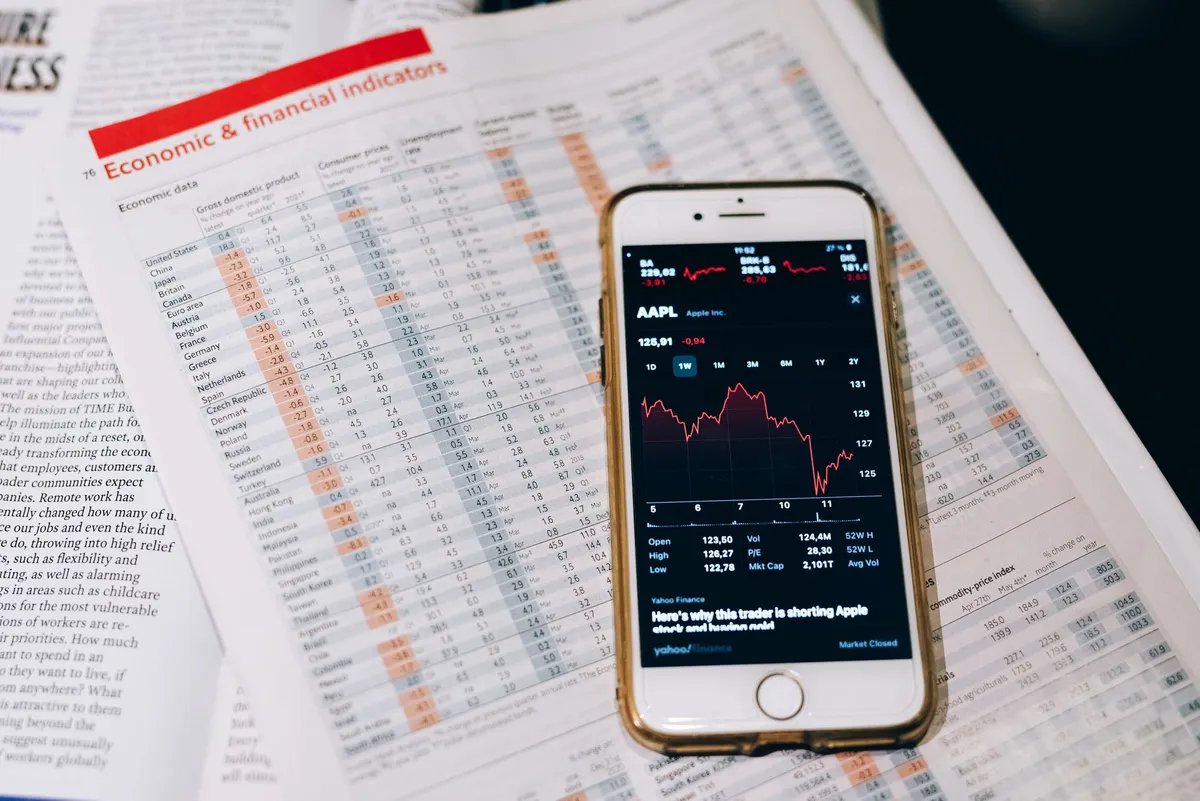
The financial landscape in the United States is often shaped by the decisions made at the Federal Reserve, and this week's historic rate hike is no exception. As the Fed raised interest rates by 25 basis points for the first time in three years, reactions among investors varied significantly. While some took the hike in stride, others reacted with caution, leading to a notable shift in focus from equities to bond markets and oil prices. This article delves into the implications of the Fed's decision, the mixed market responses, and what this means for consumers and investors alike.
The Fed's Decision: An Overview
On Wednesday, the Federal Reserve announced its first interest rate hike since 2020, a move that was largely anticipated by market participants. However, the immediate aftermath revealed a complex picture. The Dow Jones Industrial Average fell sharply by 899 points, while the S&P 500 dipped slightly by seven points. In contrast, the Nasdaq managed to gain 189 points, highlighting the divergent reactions within the stock market.

This disparity is not unusual in a volatile market environment, especially following a significant policy change. The Federal Reserve's decision was accompanied by a “dot plot” projection indicating a consensus among most members of the Federal Open Market Committee (FOMC) for three additional rate hikes over the next 15 months. Such signals have left many investors pondering the future trajectory of interest rates and their potential impact on economic growth.
Market Reactions: A Mixed Bag
The aftermath of the Fed's announcement saw varied reactions across different sectors of the market. The initial negative response from major indexes prompted discussions among analysts about the underlying reasons for such volatility. While the rate hike was expected, the broader implications of rising interest rates have caused uncertainty, particularly regarding consumer spending and business investment.
Impact on Bond Markets
In the wake of the rate hike, investors turned their attention to the bond markets. The yield on the 10-year Treasury note surged above 5% for the first time since 2007, reflecting investor concerns about inflation and economic stability. Peter Boockvar, Chief Investment Officer at One Point BFG Wealth Partners, noted that the bond market seems to have taken control of interest rates, with the Fed's actions merely refining existing policies rather than fundamentally altering them.
Oil Prices and Inflationary Pressures
The Fed's ability to control inflation is further complicated by rising oil prices, with Brent crude consistently trading above $100 per barrel. This situation puts additional pressure on the Fed's ability to manage inflation through interest rate adjustments. As noted by Warsh, there are multiple global factors influencing long-term yields, suggesting that the economic landscape is more intricate than simple supply and demand dynamics.

Economic Indicators: A Complex Picture
This week's economic data provided further context for the Fed's decision. The Empire State manufacturing survey revealed a business conditions index of 7.6 points, falling short of the double-digit predictions made by economists. While this indicates a potential slowdown in manufacturing, most surveyed firms expressed an optimistic outlook. Conversely, retail sales for August exceeded expectations, rising by 1.2% compared to forecasts of 0.8%. This growth was driven significantly by a 3.1% increase in gasoline station sales, showcasing how volatile factors can skew overall economic indicators.
Core Retail Sales Insights
When excluding volatile categories such as vehicles, gasoline, and building materials, core retail sales rose by an impressive 5.6% year-over-year. Notably, online retail sales saw a 2.6% increase over July, while restaurants and bars also enjoyed a 1.6% boost. These figures suggest that consumer spending remains robust in certain sectors, although it may not be uniformly distributed across different income groups.

Consumer Spending and Future Projections
Looking forward, there are indications that consumer spending may experience a bifurcation based on income levels. Michael Pearce, Chief U.S. Economist at Oxford Economics, cautioned that lower- and middle-income households may feel the squeeze from rising gas prices, potentially impacting their spending capabilities. As inflationary pressures persist, the Fed's focus will likely remain on addressing these upside risks, even if it means implementing further rate hikes.
Key Takeaways
- The Federal Reserve has raised interest rates for the first time in three years, eliciting mixed reactions from Wall Street.
- Major U.S. indexes displayed divergent performance, with the Dow Jones falling while the Nasdaq rose.
- The bond market has seen significant yield increases, reflecting concerns about inflation and global factors.
- Consumer spending remains positive in certain sectors, but may not be evenly distributed across income levels.
- Future Fed actions will likely focus on curbing inflation, with potential for further rate increases.
Frequently Asked Questions
What does the recent Fed rate hike mean for everyday consumers?
The recent rate hike by the Federal Reserve can lead to higher borrowing costs for consumers, particularly for mortgages and personal loans. This could potentially slow down consumer spending as individuals face increased monthly payments. However, it may also create opportunities for savers who can benefit from higher interest rates on savings accounts and fixed-income investments.
How will rising interest rates affect the stock market?
Rising interest rates generally create a challenging environment for the stock market, as higher borrowing costs can impact corporate profits and consumer spending. This can lead to increased volatility in stock prices as investors adjust their expectations for growth. However, sectors such as financials may benefit from higher rates, leading to varied impacts across different industries.
What should investors consider in light of these market changes?
Investors should closely monitor economic indicators and Fed announcements to gauge the potential impact on their portfolios. Diversification remains essential, as different sectors may react differently to rising interest rates. Additionally, investors may want to consider fixed-income investments that could provide stability amidst market fluctuations.
Are further rate hikes expected, and how will they impact the economy?
Further rate hikes are anticipated as the Federal Reserve aims to combat inflation. These hikes can slow economic growth and potentially impact employment rates. However, if managed carefully, the Fed's actions may help stabilize prices in the long run, leading to healthier economic conditions. It is critical for consumers and investors alike to stay informed about the Fed's strategies and their implications.
Comments
Revolutionizing Patent Law: The Shift from AI-Based to AI-Native Solutions
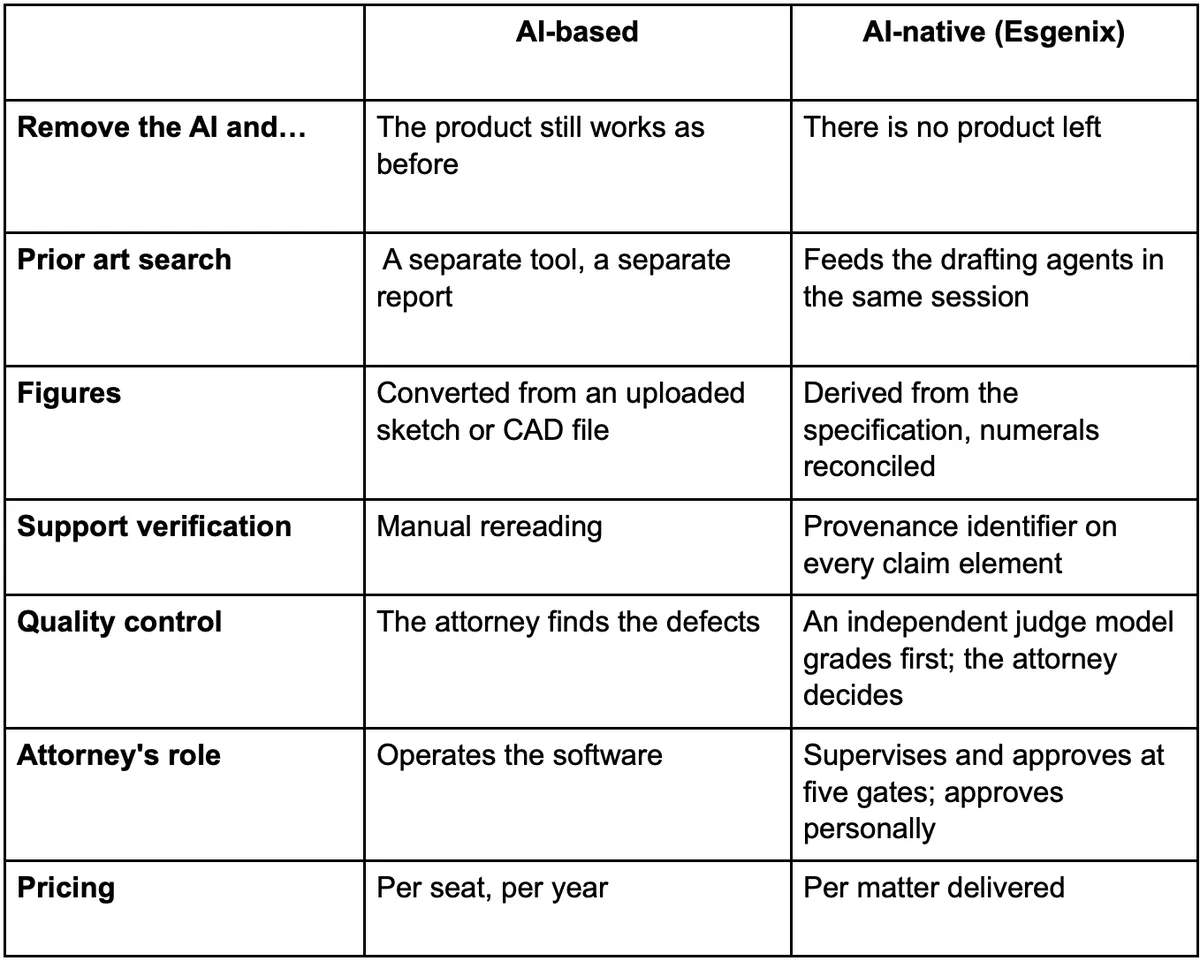
The patent industry is undergoing a transformative shift from AI-based tools to AI-native platforms, fundamentally changing how legal professionals approach patent applications. This evolution not only impacts workflow efficiency but also has significant implications for patent quality and attorney involvement.
Related articles


Popular in Business Law
- Supreme Court Justices' Financial Disclosures: A Closer Look
- Vishal Garg's Leadership Fallout: The Rise and Fall of Better.com
- Former Intelligence Official Faces Penalty for Post-Government Misconduct
- Blank Rome Faces Lawsuit After Major Data Breach Exposes Personal Information
- Congress Faces Reckoning Over Member-Staff Relationships