Ninth Circuit Overturns Idaho Water Rights Rules: A Landmark Ruling
A Ninth Circuit ruling has struck down Idaho's water rights regulations, reaffirming federal ownership and highlighting the complexities of water law in the West.

In a significant legal victory for the federal government, the Ninth Circuit Court of Appeals has struck down new Idaho rules that could have jeopardized federal water rights in the state. The ruling, delivered by a unanimous three-judge panel, underscores the ongoing complexities surrounding water rights and usage in the arid West, particularly in a state where the federal government holds vast tracts of land and associated water resources.
The case centers around Idaho’s stock water rules, which were introduced following a state court decision that recognized the federal government as a substantial water rights holder in Idaho. This ruling is particularly impactful given that the federal government controls over 60% of Idaho's land. The panel found that the state’s amendments to its water rights framework effectively aimed to divest the federal government of its rights, a violation of the U.S. Constitution’s Supremacy Clause.
The Context of Water Rights in Idaho
Water rights in the western United States are governed by a complex mix of state and federal laws, shaped by historical usage and legal precedents. In Idaho, water is a precious resource, primarily used for agriculture, including livestock ranching. The state’s stock water rules were ostensibly designed to ensure that water rights are utilized beneficially, particularly for livestock, a critical component of Idaho's agricultural economy.
However, the Ninth Circuit's ruling highlights a fundamental tension between state and federal interests. Under the Idaho rules, a water rights owner, such as the federal government, could lose their rights unless they could demonstrate that the water was being put to beneficial use for livestock. Given that the federal government does not own livestock, the practical implication was that it would lose its water rights unless it transferred those rights to ranchers, thereby undermining federal ownership.

The Legal Arguments Behind the Ruling
Supremacy Clause and Federal Rights
The Ninth Circuit's decision was primarily grounded in the Supremacy Clause of the U.S. Constitution, which establishes that federal law supersedes state law when there is a conflict. U.S. Circuit Judge Jennifer Sung, who authored the opinion for the court, argued that Idaho's stock water amendments constituted an attempt to divest the federal government of its legally recognized water rights.
This ruling is not only pivotal in terms of water rights but also serves as a reaffirmation of the federal government’s jurisdiction over water resources. The court's decision also referenced the Snake River Basin Adjudication, a significant legal battle that established and confirmed federal water rights in Idaho, further solidifying the federal government's position.
Implications for Future Water Management
The implications of this ruling will likely ripple through Idaho's agricultural and legal communities. With the federal government reaffirming its water rights, ranchers and farmers may face increased scrutiny over their water use practices. Additionally, the state may need to revisit its water management policies to align them with this ruling.
- Federal Government's Rights: The ruling emphasizes that federal water rights cannot be undermined by state regulations.
- Impact on Ranchers: Ranchers may face changes in how water rights are allocated and used, affecting their operations.
- Legal Precedent: The case establishes a critical precedent for resolving conflicts between state and federal water rights.
- Future Legislation: Idaho may need to adjust its water laws to comply with the federal ruling.
The Reactions and Next Steps
The reactions from various stakeholders have been mixed. While federal officials likely view this outcome as a reaffirmation of their rights, some in the agricultural community may express concern over how this ruling could affect water access and usage. The Idaho Department of Water Resources and other state entities will need to analyze the ruling's implications carefully and consider potential legislative responses.
Moreover, the Ninth Circuit’s decision effectively overturns a lower court ruling from U.S. District Judge David Nye, who previously sided with Idaho's stance, giving the federal government five years to actively use its water rights before risking forfeiture. This reversal brings clarity to the legal landscape but may also prompt further legal challenges as various stakeholders seek to adapt to the new ruling.
Key Takeaways
- This ruling affirms federal water rights under the Supremacy Clause.
- Idaho’s stock water rules were deemed unconstitutional as they aimed to divest the federal government of its rights.
- The case highlights the ongoing tensions between state and federal water regulations.
- Future water management in Idaho may need to change significantly in response to this ruling.
Frequently Asked Questions
What are stock water rights?
Stock water rights refer to the legal rights to use water specifically for livestock purposes. In Idaho, these rights are crucial for ranchers and farmers who rely on water to sustain their livestock. The recent court ruling impacts these rights by clarifying the extent to which state laws can regulate federal water rights.
How does the Supremacy Clause work in this context?
The Supremacy Clause of the U.S. Constitution establishes that federal law takes precedence over state law in cases of conflict. In this instance, the Ninth Circuit ruled that Idaho's water rights regulations conflicted with federal water rights, thereby affirming that the federal government retains its rights despite state regulations aimed at limiting them.
What should Idaho ranchers expect moving forward?
Idaho ranchers may need to reassess their water usage strategies and relationships with federal authorities. The court's ruling may lead to stricter oversight of how water rights are allocated and used, potentially affecting their operations and access to water resources. It is advisable for ranchers to stay informed about any changes in state legislation or federal policies regarding water rights.
Could this ruling lead to further litigation?
Given the complexities involved and the significant economic implications for both state and federal stakeholders, it is likely that this ruling could spur additional litigation. Stakeholders, including state agencies and private entities, may seek to challenge or clarify aspects of the ruling, leading to further legal battles over water rights in Idaho.
This article is for informational purposes only and does not constitute legal advice.
Comments
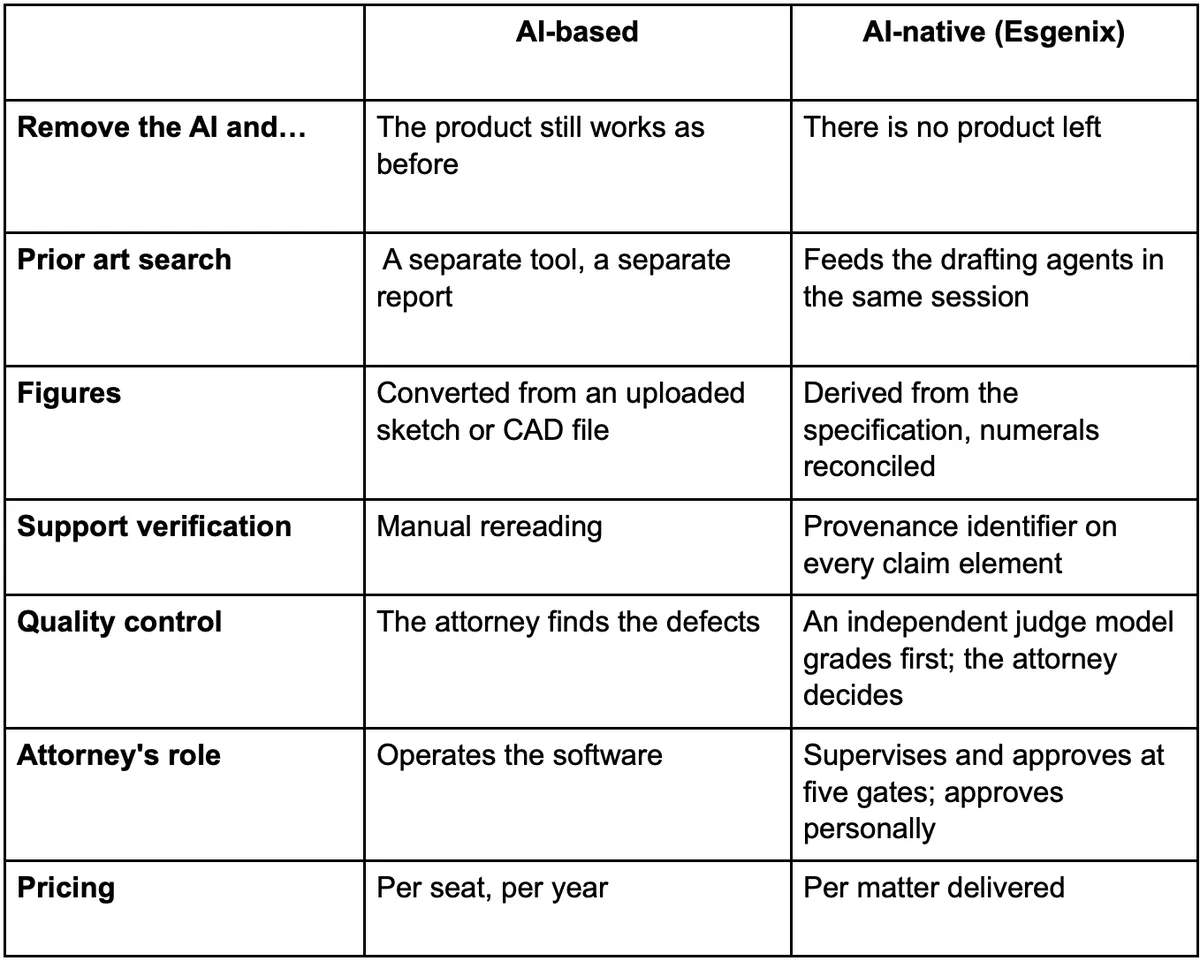
Revolutionizing Patent Law: The Shift from AI-Based to AI-Native Solutions
The patent industry is undergoing a transformative shift from AI-based tools to AI-native platforms, fundamentally changing how legal professionals approach patent applications. This evolution not only impacts workflow efficiency but also has significant implications for patent quality and attorney involvement.
Related articles



Popular in Business Law
- Supreme Court Justices' Financial Disclosures: A Closer Look
- Vishal Garg's Leadership Fallout: The Rise and Fall of Better.com
- Former Intelligence Official Faces Penalty for Post-Government Misconduct
- Blank Rome Faces Lawsuit After Major Data Breach Exposes Personal Information
- Congress Faces Reckoning Over Member-Staff Relationships