Federal Judiciary to Implement AI Recommendations for Enhanced Legal Processes
The federal judiciary is set to leverage artificial intelligence to improve case management and judicial decision-making. This initiative aims to streamline processes and enhance efficiency in court systems across the U.S.

The U.S. federal judiciary is on the brink of a technological revolution as it plans to implement artificial intelligence (AI) recommendations aimed at improving the efficiency of legal processes. With courts across the nation grappling with backlogs and overwhelmed systems, AI offers promising solutions to streamline case management, enhance judicial decision-making, and ultimately, provide a more effective legal experience for all stakeholders involved. As we delve into the implications of this initiative, it is essential to understand the intricate workings of the legal system and how AI could transform it.
At its core, the utilization of AI in the federal judiciary is about harnessing data-driven insights to make informed decisions. By analyzing patterns in case law, judicial rulings, and procedural timelines, AI tools can assist judges in understanding complex cases more quickly and accurately. This not only helps in reducing time spent on research but also aims to enhance the consistency of judicial outcomes, which is vital for maintaining public trust in the legal system.
Understanding the Role of AI in the Judiciary
Artificial intelligence has been making inroads into various sectors, and the legal field is no exception. The judiciary's adoption of AI technology is expected to focus on several key areas:
- Case Management: AI can analyze incoming cases and predict their complexity, allowing courts to allocate resources more efficiently.
- Legal Research: Advanced algorithms can sift through vast databases of legal precedents to provide judges with relevant information more quickly.
- Sentencing Analytics: AI systems can provide insights on sentencing trends, helping judges make more informed decisions based on historical data.
- Predictive Analysis: By assessing previous rulings, AI might help predict case outcomes, aiding lawyers in formulating their strategies.

Benefits of AI Integration
The integration of AI into the federal judiciary offers numerous advantages:
Increased Efficiency
With the ability to process and analyze vast amounts of data rapidly, AI can significantly reduce the time judges and clerks spend on administrative tasks. This efficiency translates to quicker case resolutions, which is particularly important in a legal environment where delays can lead to unfulfilled justice.
Enhanced Accuracy
AI can minimize human error in legal research and case management. By relying on data and algorithms, the chances of overlooking vital information are reduced, leading to more informed judicial decisions.
Improved Accessibility
As AI tools become more commonplace, they can also improve access to legal resources for self-represented litigants. By providing guidance on legal processes and relevant case law, AI may help bridge the gap for individuals who cannot afford legal representation.
Challenges and Concerns
Despite the potential benefits, the integration of AI into the judiciary is not without its challenges and concerns:
Bias in AI Algorithms
One of the most pressing concerns is the risk of bias in AI algorithms. If the data used to train these systems reflects existing societal biases, it could lead to discriminatory outcomes. Ensuring that AI systems are transparent and fair is crucial to maintaining the integrity of the judicial process.
Privacy and Confidentiality
The legal system involves sensitive information, and the use of AI raises questions about data privacy and confidentiality. Safeguarding personal information while utilizing AI tools will be paramount to protect individuals' rights.
Job Displacement
Another concern is the potential job displacement for legal professionals. As AI takes over certain administrative functions, there may be a fear of reduced job opportunities within the legal field. However, many experts argue that while AI may change the nature of some jobs, it can also create new opportunities requiring human oversight and judgment.
Looking Ahead: The Future of AI in the Judiciary
The successful implementation of AI recommendations in the federal judiciary will depend on careful planning, testing, and ongoing evaluation. It is essential for stakeholders, including judges, clerks, and legal practitioners, to engage with the technology to ensure it serves the needs of the judicial system effectively. Moreover, as AI continues to evolve, ongoing training and adaptation will be necessary to address emerging challenges and leverage new opportunities.
Ultimately, the adoption of AI in the federal judiciary has the potential to reshape the landscape of the legal system. By improving efficiency, accuracy, and accessibility, AI could help ensure that justice is not only served but is served in a timely and equitable manner. However, balancing these advantages with the ethical and practical challenges posed by AI will be critical to the success of this initiative.

Key Takeaways
- The federal judiciary is set to implement AI technologies to streamline legal processes and enhance decision-making.
- AI can improve efficiency, accuracy, and accessibility within the legal system.
- Challenges such as algorithmic bias and privacy concerns must be addressed to ensure fair application of AI.
- Stakeholder engagement is crucial for the successful integration of AI in the judiciary.
Frequently Asked Questions
What specific AI technologies are being considered for the federal judiciary?
The federal judiciary is looking into various AI technologies, including predictive analytics, natural language processing, and machine learning algorithms. These tools can assist judges and clerks by automating administrative tasks, analyzing case law, and providing data-driven insights to enhance decision-making processes.
How will AI affect the role of judges and legal professionals?
While AI is expected to take over certain administrative and analytical tasks, the role of judges and legal professionals will evolve rather than diminish. Judges may focus more on interpreting the law, applying ethical considerations, and making final decisions based on insights provided by AI. Legal professionals will likely find new opportunities in areas requiring human judgment and oversight, especially in complex cases requiring nuanced understanding.
What steps are being taken to ensure fairness in AI algorithms?
To ensure fairness in AI algorithms, the federal judiciary is emphasizing transparency and accountability in AI development. This includes using diverse datasets for training algorithms, conducting regular audits for bias, and involving stakeholders in the evaluation process. Ongoing education and training will also be a priority to equip legal professionals with the knowledge needed to navigate AI's implications effectively.
Comments
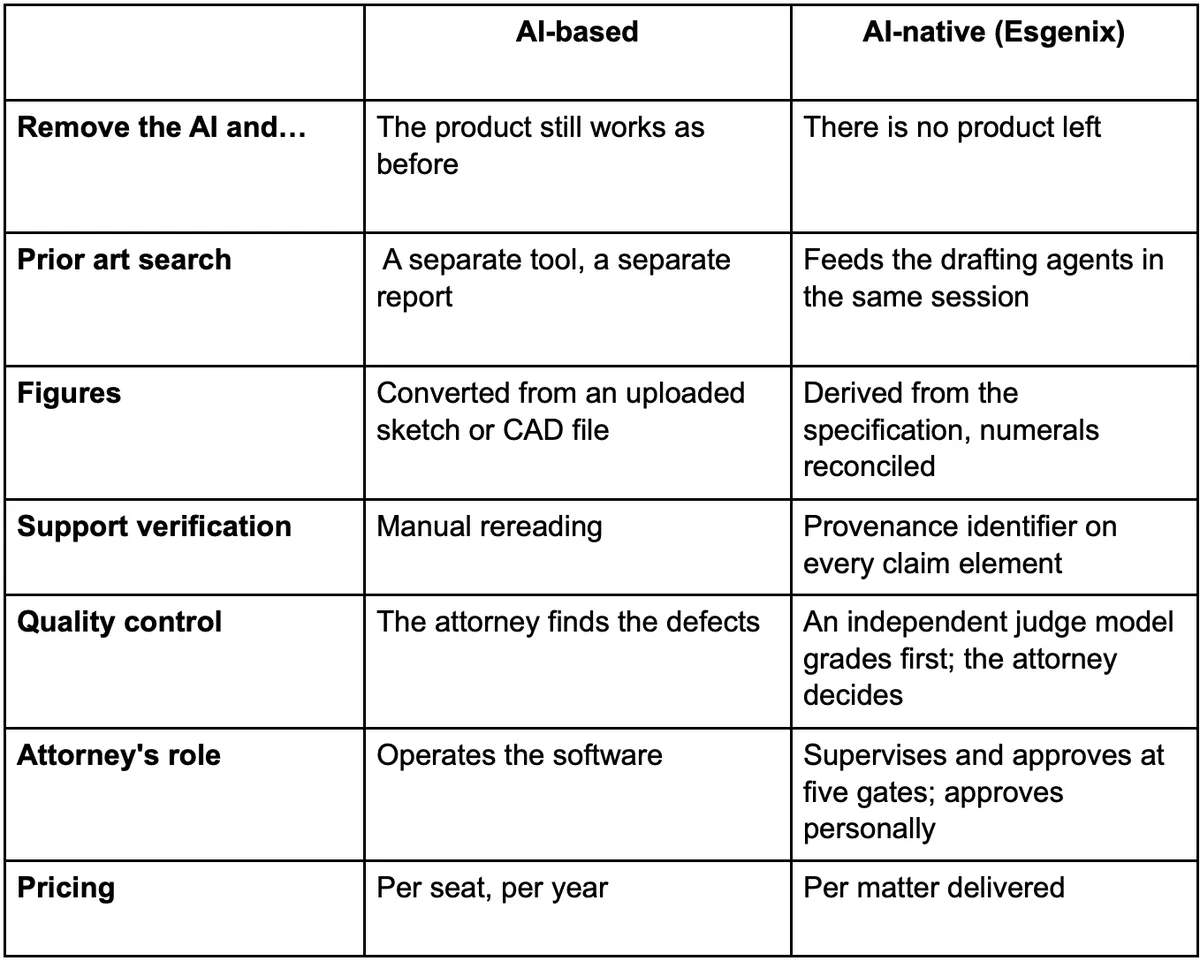
Revolutionizing Patent Law: The Shift from AI-Based to AI-Native Solutions
The patent industry is undergoing a transformative shift from AI-based tools to AI-native platforms, fundamentally changing how legal professionals approach patent applications. This evolution not only impacts workflow efficiency but also has significant implications for patent quality and attorney involvement.
Related articles




Popular in Business Law
- Supreme Court Justices' Financial Disclosures: A Closer Look
- Vishal Garg's Leadership Fallout: The Rise and Fall of Better.com
- Former Intelligence Official Faces Penalty for Post-Government Misconduct
- Blank Rome Faces Lawsuit After Major Data Breach Exposes Personal Information
- Congress Faces Reckoning Over Member-Staff Relationships