Supreme Court Justices' Financial Disclosures: A Closer Look
Recent financial disclosures by Supreme Court justices have raised questions about transparency and ethics. Explore the implications of these revelations for the judiciary.
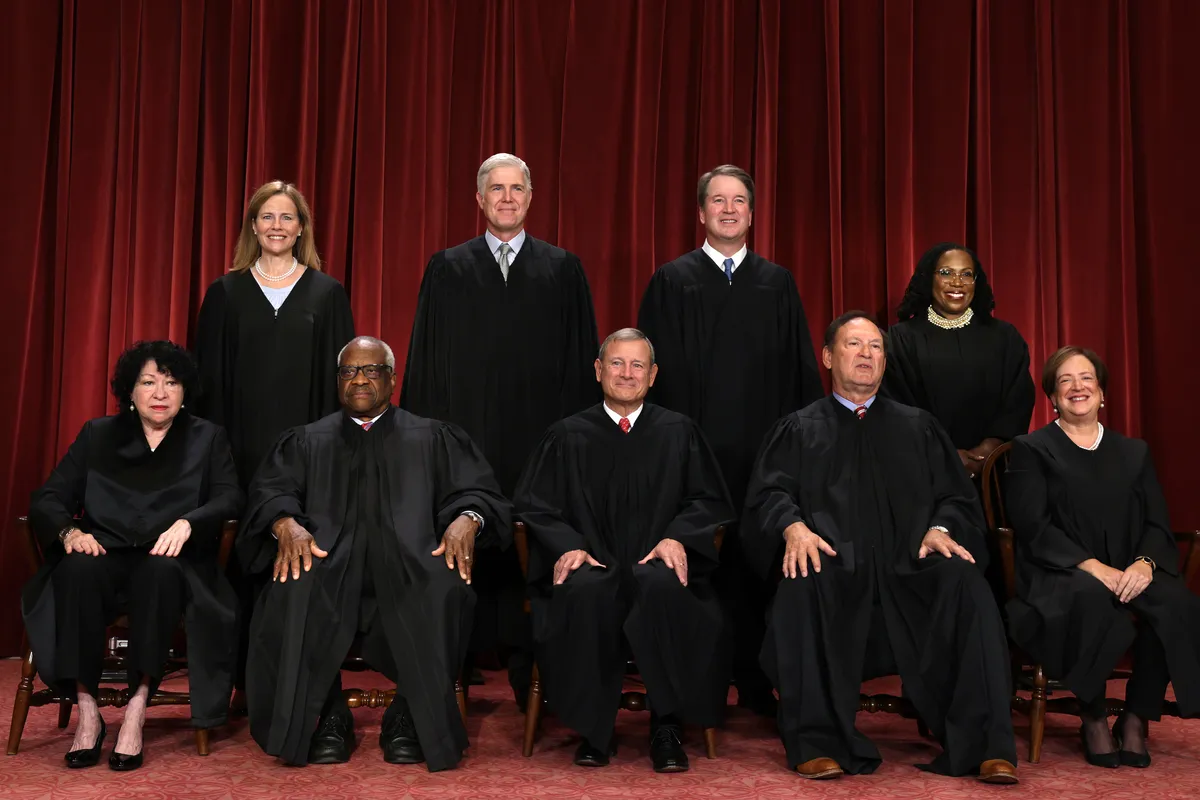
The integrity of the judiciary is a cornerstone of American democracy, yet recent revelations regarding financial disclosures from Supreme Court justices have sparked a debate about ethics, transparency, and the potential for conflicts of interest. In a surprising turn, justices have reported various sources of income, including lucrative book deals, travel expenses, and even concert tickets. As these disclosures come to light, they raise important questions about the influence of external financial interests on judicial impartiality.
With the Supreme Court often being perceived as the ultimate arbiter of justice, the financial dealings of its members are of significant concern to the public. The intertwining of personal financial interests and judicial responsibilities has the potential to affect public trust in the highest court. This article delves into these disclosures, their implications, and the legal framework surrounding judicial financial transparency.
Understanding the Financial Disclosures
Every year, Supreme Court justices are required to file financial disclosures that outline their income, investments, and gifts. These disclosures are meant to ensure transparency and allow the public to assess any potential conflicts of interest. According to recent reports, some justices have received substantial payments for book deals that can reach into the six figures.
The Nature of Book Deals
Book deals have become a lucrative source of income for justices. For instance, a justice might receive an advance of $250,000 for a memoir detailing their experiences on the bench. While writing about their judicial experiences can provide valuable insight into the workings of the court, the timing and nature of these deals raise questions about the potential for self-promotion at the expense of impartiality.
Travel Expenses and Gifts
Another area of concern arises from travel expenses and gifts received by justices. Recent disclosures revealed instances where justices accepted tickets to high-profile concerts, such as a Bad Bunny concert, as gifts. While these gifts may seem innocuous, they highlight the fine line between acceptable hospitality and undue influence.
Evaluating the Ethics of Gifts
Judicial ethics codes generally prohibit judges from accepting gifts that could reasonably be perceived as influencing their decision-making. However, the interpretation of what constitutes an acceptable gift can be subjective. For instance, a ticket to a cultural event might be seen as an opportunity for judicial engagement, but it could also be perceived as a conflict of interest, especially if the event's organizers have cases pending before the court.
The Implications for Judicial Impartiality
The financial disclosures of justices can significantly impact public perception of the judiciary. When the public sees that justices are profiting from book deals or accepting gifts, it may lead to skepticism regarding their ability to remain impartial. This skepticism can undermine the foundational trust that is necessary for the judiciary to function effectively.
Public Perception and Trust
Trust in the judicial system is paramount. If the public believes that justices are financially beholden to outside interests, it could lead to a crisis of confidence in the court's rulings. For example, if a justice who has recently profited from a book deal rules on a case related to intellectual property, observers might question their impartiality.
The Legal Framework for Judicial Disclosures
Understanding the legal requirements surrounding financial disclosures is crucial for contextualizing these revelations. The Ethics in Government Act mandates that federal judges, including Supreme Court justices, file annual financial disclosures. These disclosures are designed to promote transparency and prevent corruption.
Challenges in Enforcement
Despite the legal framework, enforcement of ethical standards can be challenging. The Supreme Court has a degree of autonomy, and while justices are expected to adhere to ethical guidelines, there is no formal mechanism for enforcing compliance. This lack of oversight raises concerns about accountability and the potential for ethical lapses.

Potential Reforms and Future Considerations
Given the recent revelations, there is a growing conversation around potential reforms to enhance transparency and accountability among Supreme Court justices. Proposals include stricter guidelines on financial disclosures, mandatory recusal from cases involving significant personal financial interests, and establishing an independent body to oversee judicial conduct.
Advocating for Change
Advocacy groups and legal experts are calling for a reevaluation of the current system. They argue that increased transparency is necessary to preserve public trust in the judiciary. For instance, implementing a requirement for justices to disclose not only their income but also the sources of their book deals and gifts could help clarify the potential for conflicts of interest.

Key Takeaways
- Supreme Court justices are required to disclose financial information, including income and gifts.
- Book deals have become significant sources of income, raising questions about judicial impartiality.
- Gifts, including concert tickets, can blur the lines of ethical behavior for justices.
- Public perception of the judiciary is critical; trust can be undermined by financial interests.
- Reforms may be necessary to enhance transparency and accountability in the Supreme Court.
Frequently Asked Questions
What are financial disclosures for Supreme Court justices?
Financial disclosures are annual reports that Supreme Court justices must file, detailing their income, investments, and gifts. These reports are intended to promote transparency and allow the public to assess potential conflicts of interest regarding judicial impartiality.
How do book deals impact judicial impartiality?
Book deals can create concerns about judicial impartiality if they appear to profit from a justice's position on the bench. If a justice publishes a book that discusses their decisions or experiences, it may lead to questions about their motivations and potential biases in future rulings.
What constitutes an acceptable gift for a justice?
Acceptable gifts for justices generally include items that are not likely to influence their decision-making. However, the definition of what is acceptable can be subjective. Gifts perceived as cultural engagement may be acceptable, but those that could create a conflict of interest must be avoided.
What reforms are being proposed for judicial transparency?
Proposed reforms for enhancing judicial transparency include stricter guidelines on financial disclosures, mandatory recusal from cases involving personal financial interests, and the establishment of an independent body to oversee judicial conduct. These changes aim to bolster public trust in the judiciary by ensuring accountability.
Disclaimer: This content is general information, not legal advice.
Comments
Trump Administration Settles Legal Challenges to Biden's Oil Restrictions in Alaska
The U.S. Department of Justice has settled two lawsuits contesting Biden-era oil and gas restrictions in Alaska's Arctic National Wildlife Refuge, affirming the legality of prior leasing programs established under Trump. This settlement signals a significant shift in federal energy policy that could have lasting implications for both environmental conservation and resource extraction.

Related articles







Popular in Business Law
- Vishal Garg's Leadership Fallout: The Rise and Fall of Better.com
- Former Intelligence Official Faces Penalty for Post-Government Misconduct
- Blank Rome Faces Lawsuit After Major Data Breach Exposes Personal Information
- Congress Faces Reckoning Over Member-Staff Relationships
- John Oliver vs. Buc-ee's: A Legal Showdown Over Mascots