Trump Administration Settles Legal Challenges to Biden's Oil Restrictions in Alaska
The U.S. Department of Justice has settled two lawsuits contesting Biden-era oil and gas restrictions in Alaska's Arctic National Wildlife Refuge, affirming the legality of prior leasing programs established under Trump. This settlement signals a significant shift in federal energy policy that could have lasting implications for both environmental conservation and resource extraction.
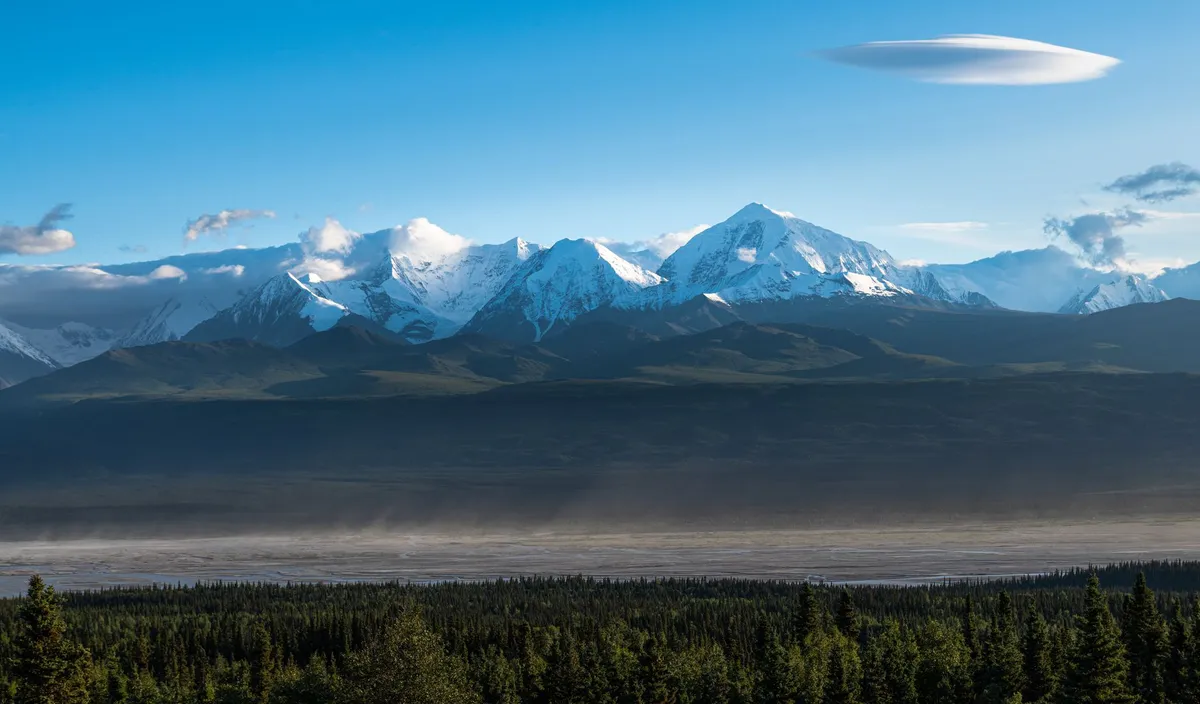
The landscape of oil and gas leasing in Alaska's pristine Arctic National Wildlife Refuge (ANWR) has taken a dramatic turn following a recent settlement between the U.S. Department of Justice (DOJ) and plaintiffs challenging the Biden administration's restrictions. This settlement, which was filed in federal court, effectively ends two lawsuits that argued President Biden’s 2024 oil and gas leasing restrictions overstepped legal boundaries, thus reigniting discussions about energy policy, environmental stewardship, and the legal frameworks governing resource extraction in protected areas.
At the center of these lawsuits were the state of Alaska and the Alaska Industrial Development and Export Authority (AIDEA), two entities that claimed the Biden-era limitations on leasing and exploration in the ANWR's coastal plain were overly restrictive and counter to federal law. The DOJ's decision to settle these cases is a significant endorsement of the Trump-era policies that aimed to expand oil production in this ecologically sensitive region.
Background of the Controversy
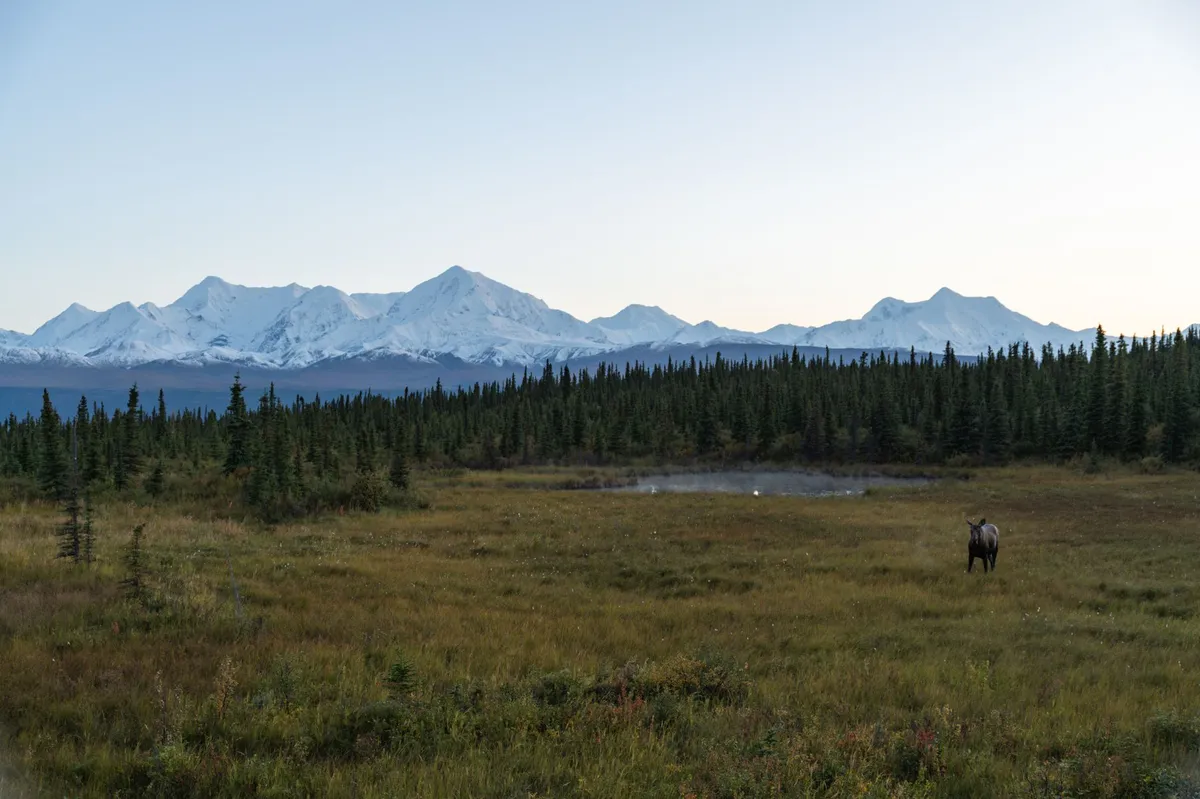
The Arctic National Wildlife Refuge, often referred to as the crown jewel of America's wilderness, spans approximately 19.6 million acres and is home to a diverse array of wildlife, including polar bears, caribou, and migratory birds. In 2017, during Donald Trump's presidency, the federal government established a program that opened up the coastal plain of the ANWR to oil and gas leasing, a move that was met with fierce opposition from environmental groups and indigenous communities.
Under the 2017 Tax Cuts and Jobs Act, the Trump administration mandated that the Interior Department conduct at least two lease sales within seven years in this region, which is considered highly sensitive due to its unique ecosystems. The first lease sale occurred in early 2021, offering 22 tracts across 1.1 million acres, but it was met with limited interest, resulting in only a handful of bids.
Biden's Restrictions and Legal Challenges
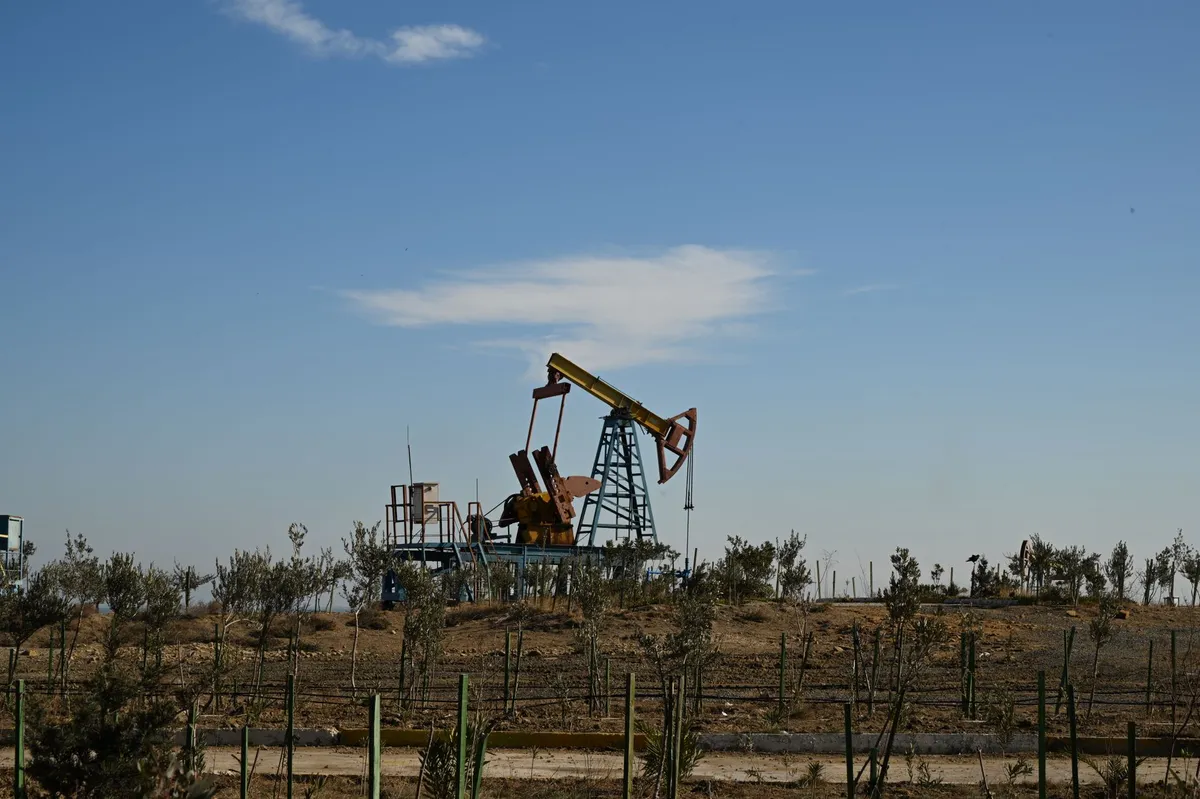
Upon taking office, President Biden swiftly moved to halt the leasing program, issuing an executive order that imposed a temporary moratorium and mandated a comprehensive environmental review. This review resulted in a supplemental environmental impact statement that not only identified which lands would be available for lease but also introduced more stringent terms and conditions for any potential future activities.
As a result, Biden's administration effectively closed off 75% of the coastal plain to exploration and leasing, a decision that led to the lawsuits filed by Alaska and AIDEA. The plaintiffs argued that these restrictions were not only damaging to the state's economic interests but also violated the legal framework established by Congress.

The Settlement Details
The DOJ's recent settlement acknowledges the legality of the 2017 oil and gas leasing program established under Trump, explicitly stating that the Biden administration's 2024 restrictions were inconsistent with the directives set forth in the Tax Cuts and Jobs Act. In a statement, Adam Gustafson, principal deputy assistant attorney general of the Justice Department’s Energy and Natural Resources Division, emphasized that the settlement serves to “unleash Alaska’s extraordinary resource potential.”
This settlement has significant implications for future energy policies in Alaska and beyond, as it reinforces the legal standing of resource extraction activities in protected areas, which have traditionally been contentious. Acting Attorney General Todd Blanche stated that the Biden-era program improperly limited Alaska's energy potential through unreasonable regulations, a sentiment echoed by Associate Attorney General Stanley Woodward.
- Settlement Acknowledgment: The DOJ recognized that Biden's restrictions violated federal law.
- Impact on Future Leasing: The settlement paves the way for future lease sales in the ANWR.
- Environmental Concerns: Critics argue that increased oil and gas development poses risks to wildlife and ecosystems.
The Future of Oil and Gas Leasing in Alaska
Following the settlement, the Bureau of Land Management (BLM) in late 2024 made 400,000 acres available for a second lease sale. However, this sale attracted no bids, raising questions about the viability of oil and gas exploration in the ANWR under current market conditions. The ongoing legal battles, including challenges from environmental groups and Alaska Native villages, indicate that while the settlement clears a legal path for leasing, significant opposition remains.
Environmental advocates argue that the expansion of oil and gas activities could lead to devastating consequences for the region's fragile ecosystems, particularly concerning migratory species and greenhouse gas emissions. Washington Attorney General Nick Brown has been vocal in criticizing the administration's approach, stating that the prioritization of fossil fuel interests over ecological preservation is a dangerous precedent.
Environmental and Legal Implications
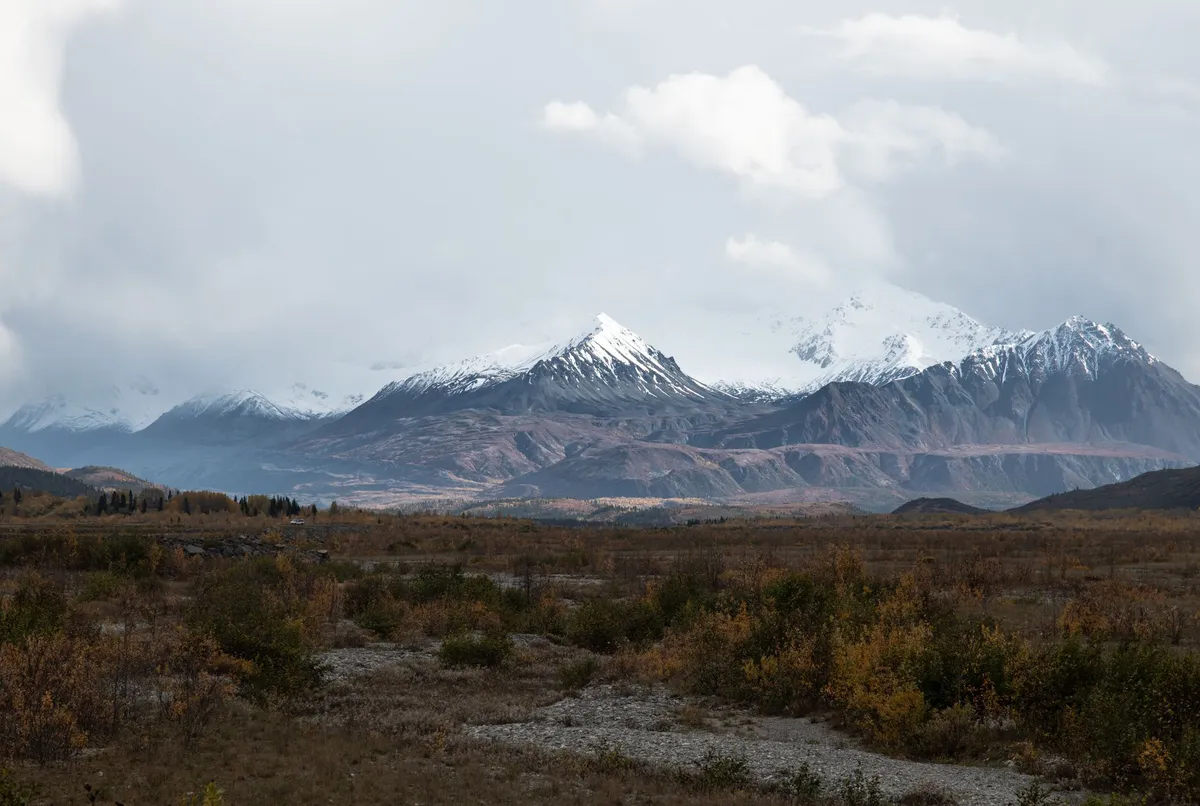
The legal and environmental ramifications of this settlement extend beyond Alaska. The case highlights the tension between economic development and environmental protection, a balance that has long been a focal point in U.S. policy discussions. As the Biden administration continues to face legal scrutiny over its environmental policies, the settlement serves as a reminder of the complexities involved in navigating federal laws that govern resource extraction.
Moreover, the ongoing litigation surrounding the 2025 decision to open the coastal plain for seismic exploration and leasing underscores the potential for further legal challenges. Environmental groups are poised to argue that such activities not only threaten biodiversity but also contribute to climate change, pushing for more stringent regulations to safeguard the environment.
Key Takeaways
- The DOJ settled lawsuits challenging Biden’s oil and gas restrictions in Alaska.
- The settlement acknowledges the legality of Trump-era leasing programs.
- Environmental groups continue to challenge expanded oil and gas development.
- The future of leasing in the ANWR remains uncertain amid legal and market pressures.
Frequently Asked Questions
What does the settlement mean for future oil and gas leases in Alaska?
The settlement clears legal obstacles for future oil and gas leasing in Alaska's Arctic National Wildlife Refuge, affirming the legality of the Trump-era leasing program. This means that the federal government is more likely to proceed with new lease sales, although market demand and ongoing environmental concerns may limit the actual implementation of such sales.
How does this settlement impact environmental protections?
The settlement raises significant concerns regarding environmental protections within the ANWR. Critics argue that the reinstatement of the Trump-era leasing program could lead to increased ecological degradation, threatening wildlife habitats and contributing to climate change. Ongoing legal challenges from environmental groups aim to ensure that these concerns are addressed and that proper environmental assessments are conducted before any new drilling occurs.
What are the implications for the state of Alaska?
The implications for Alaska are profound, as the state government and the AIDEA view expanded oil and gas leasing as crucial for economic development and job creation. However, this economic potential must be weighed against environmental risks and the need for sustainable resource management, which will continue to be a contentious issue in local and national politics.
What legal precedents are being set by this case?
This case sets important legal precedents regarding the interpretation of federal laws governing resource extraction in protected areas. The settlement reinforces the authority of the federal government to conduct lease sales in areas previously designated for protection, potentially influencing future policy decisions and legal battles surrounding environmental regulation and resource management.
Disclaimer: This article is for general information purposes only and is not legal advice.
Comments
Meta's Legal Troubles: Investment Scams and Jurisdiction Issues Explained
Recent federal court hearings reveal significant challenges for lawsuits against Meta regarding investment scams through WhatsApp. The key focus is on jurisdiction and the implications of the Securities Litigation Uniform Standards Act.

Related articles






Popular in Business Law
- Supreme Court Justices' Financial Disclosures: A Closer Look
- Vishal Garg's Leadership Fallout: The Rise and Fall of Better.com
- Former Intelligence Official Faces Penalty for Post-Government Misconduct
- Blank Rome Faces Lawsuit After Major Data Breach Exposes Personal Information
- Congress Faces Reckoning Over Member-Staff Relationships