Legal Battle Over Tear Gas Use at Portland ICE Facility Continues
The Ninth Circuit is currently deliberating whether federal agents should maintain the use of tear gas outside a Portland ICE facility amidst ongoing protests. This case highlights critical issues surrounding civil rights, public safety, and law enforcement practices.
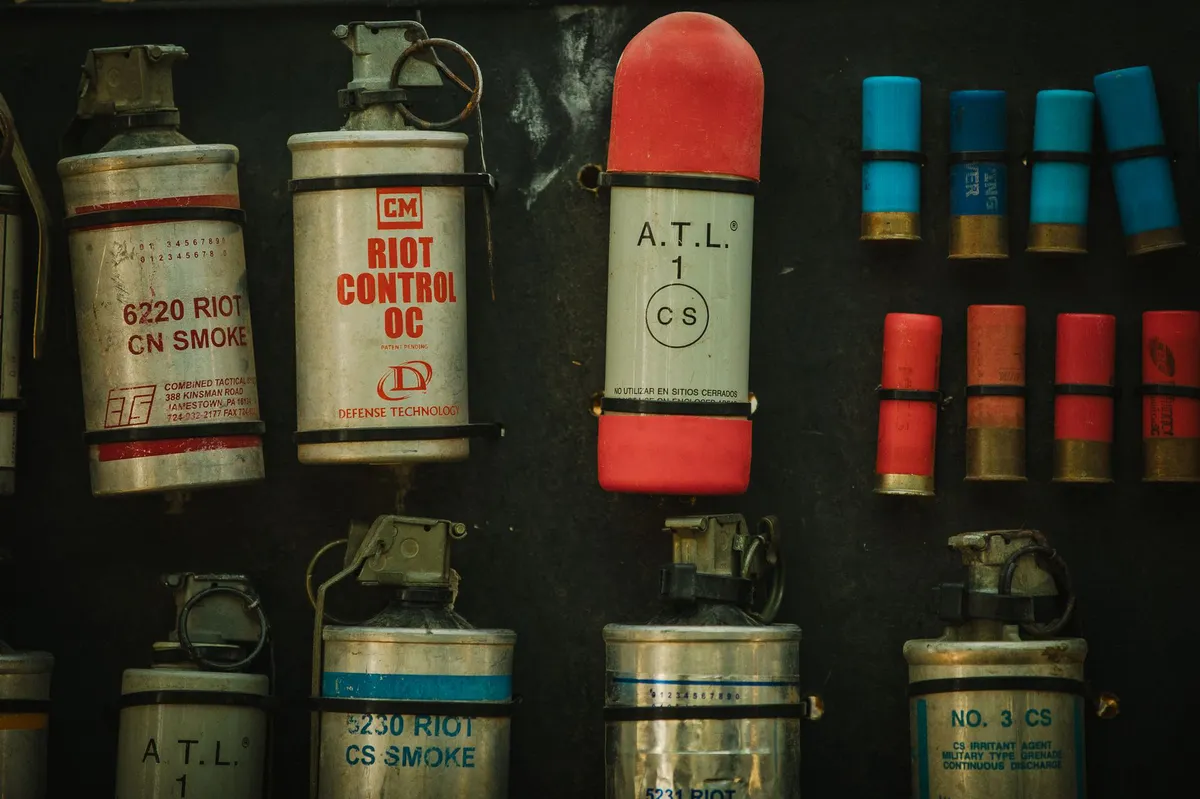
The contentious debate over the use of tear gas outside the U.S. Immigration and Customs Enforcement (ICE) facility in Portland, Oregon, has reached the Ninth Circuit Court of Appeals, where federal agents are arguing for the continued right to deploy chemical munitions as a crowd control measure. This case, emblematic of broader tensions between law enforcement and civil liberties, raises fundamental questions about the balance between public safety and the rights of protesters and residents.
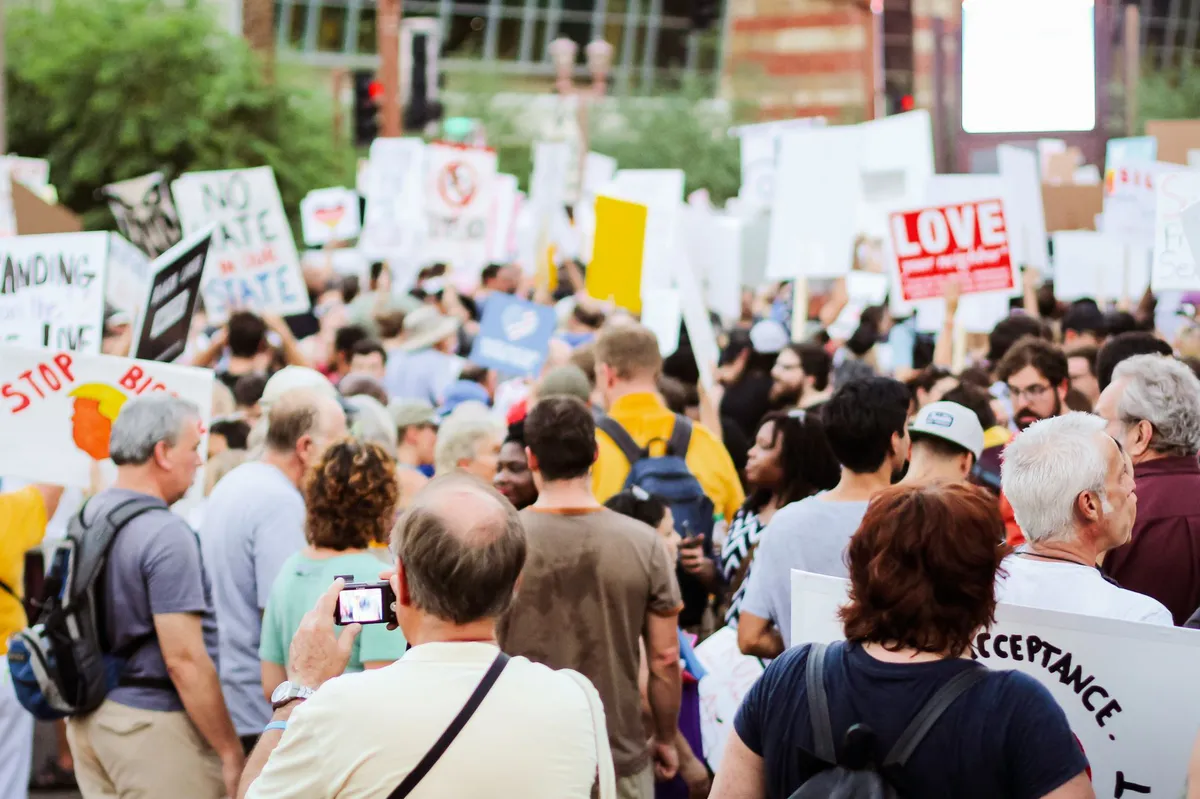
At the heart of these legal proceedings are two separate lawsuits. One was initiated by a coalition of protesters and journalists who allege that federal agents deployed tear gas and other crowd control weapons in retaliation for their First Amendment rights. The other lawsuit was brought forth by residents of a low-income housing complex adjacent to the ICE facility, who claim that the use of such munitions has violated their right to bodily integrity by exposing them to toxic airborne substances.
Background of the Dispute
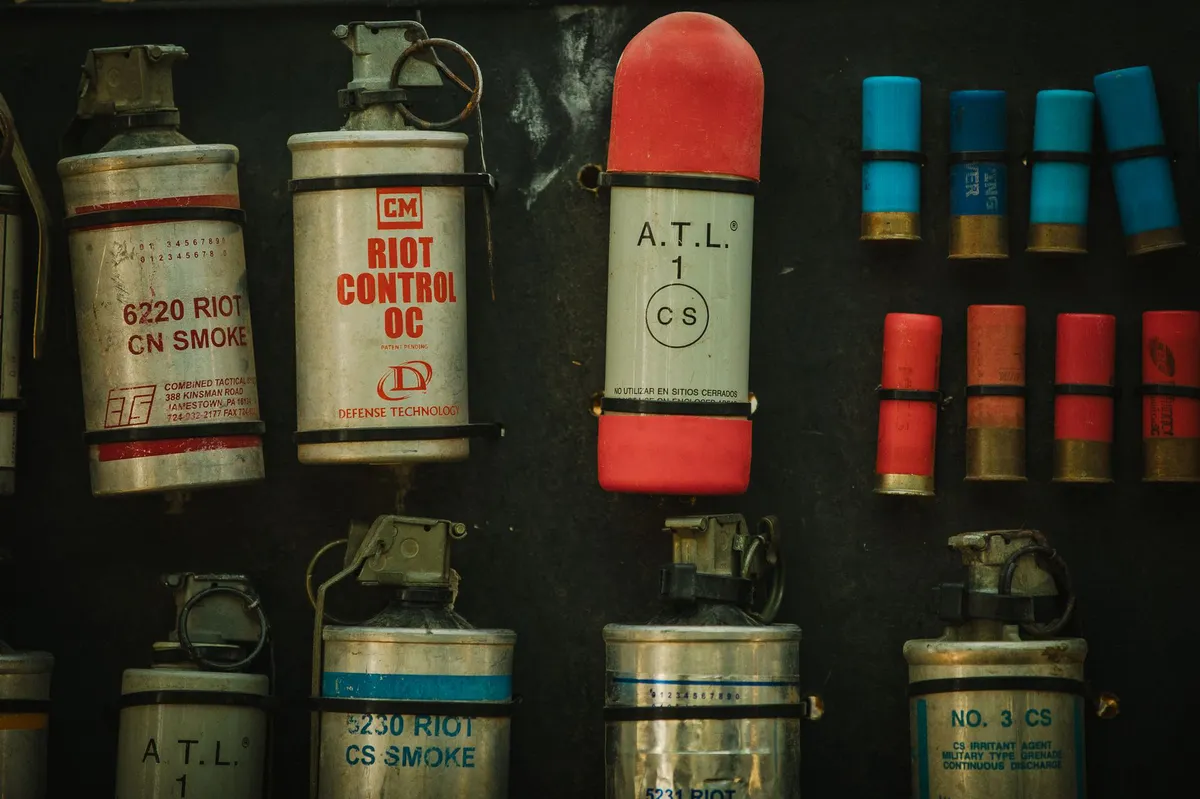
The controversy began in 2025 when protesters gathered outside the ICE facility to voice their opposition to federal immigration policies. The situation escalated, prompting federal agents to respond with tear gas and pepper balls. In February 2026, Judge Michael Simon, appointed by former President Obama, issued a temporary restraining order prohibiting the use of chemical munitions at the site, citing concerns over the potential infringement of rights.
Simultaneously, residents in the nearby housing complex filed their suit, arguing that the federal agents’ actions constituted a deliberate violation of their rights. They claimed that the deployment of chemical agents was not only excessive but also inflicted irreparable harm to their health and well-being.
Legal Arguments Presented
During a recent hearing, the Justice Department’s attorney, Brenna Scully, contended that the plaintiffs were unlikely to succeed in their claims based on the Fifth Amendment's substantive due process. Scully argued that the right to be free from the incidental effects of airborne contaminants is not a fundamental right deeply rooted in U.S. history. This assertion is critical because it challenges the very basis of the plaintiffs’ claims.
Conversely, the plaintiffs’ legal representatives argued that the federal government had knowingly endangered the health of residents by deploying tear gas in close proximity to homes. The residents asserted that the government had other, less harmful crowd control options available but chose to use tear gas recklessly, knowing its potential impact on innocent bystanders.

Judicial Responses and Preliminary Injunctions
In early March, Judge Amy Baggio, a Biden appointee, sided with the residents, issuing a preliminary injunction against the use of chemical munitions that would affect the residential area. Shortly after, Judge Simon expanded this ruling, declaring that federal agents could not use chemical weapons unless they were legally justified in using deadly force against specific threats.
This series of judicial decisions demonstrates the judiciary's role in balancing civil rights with law enforcement's mandate to maintain public safety. The Ninth Circuit subsequently intervened, blocking the preliminary injunctions and allowing for the continued use of tear gas, arguing that the lower courts had overstepped their authority by creating new rights not previously recognized in law.
The Role of the Ninth Circuit
The Ninth Circuit's decision to hear these cases comes at a time of heightened scrutiny of law enforcement practices in the U.S., particularly regarding the use of force in crowd control situations. As the panel deliberates, the judges have questioned the government's rationale for deploying tear gas in a residential area, highlighting the potential risks to bystanders and the implications for civil rights.
U.S. Circuit Judge Ana de Alba raised critical questions regarding the necessity of tear gas deployments, especially when conservative influencers were allowed to approach the scene without incident. This line of inquiry underscores the complexities involved in determining when law enforcement's actions are justified in the context of public safety.
Implications for Civil Rights and Law Enforcement
This case is not just about tear gas; it reflects larger issues concerning law enforcement accountability, civil rights, and the right to protest. The outcome could set significant precedents regarding the use of chemical agents in crowd control and the extent to which federal law enforcement can protect its interests against the rights of citizens.
As civil rights advocates argue, the deployment of tear gas can have long-lasting health effects, particularly in vulnerable populations. This highlights the need for law enforcement agencies to consider the potential consequences of their actions, particularly in densely populated neighborhoods. The implications extend beyond just this incident; they could influence future policing tactics and the legal frameworks surrounding civil liberties in the U.S.
Public Response and Future Considerations
The public response to the ongoing legal battles has been mixed. While some express support for law enforcement's need to maintain order during protests, others decry the use of chemical munitions as a violation of rights. This dichotomy reflects a broader national conversation about policing practices, protest rights, and government accountability.
As the Ninth Circuit prepares to issue its ruling, the outcomes of these cases will be closely monitored by civil rights organizations, legal experts, and the general public. The decisions made could lead to significant changes in how federal agents operate during protests, shaping the contours of civil liberties in the face of law enforcement actions.
Key Takeaways
- Legal Precedent: The Ninth Circuit's decisions could set important precedents regarding the use of tear gas and chemical munitions by federal law enforcement.
- Civil Rights Implications: The case centers on the balance between public safety and the rights of protesters and residents in the vicinity of law enforcement actions.
- Judicial Scrutiny: The rulings highlight the judiciary's role in reviewing executive actions, particularly in situations involving potential civil rights violations.
Frequently Asked Questions
What rights do protesters have regarding the use of tear gas?
Protesters have the right to free speech and assembly, protected under the First Amendment. However, this right can come into conflict with law enforcement's duty to maintain order. The legality of using tear gas in response to protests often hinges on whether the use of such force is deemed necessary and proportional to the situation at hand. Courts will typically assess whether the action taken by law enforcement was reasonable under the circumstances.
How does the legal system handle excessive force claims?
Claims of excessive force fall under civil rights law, particularly Section 1983 of the Civil Rights Act, which allows individuals to sue government officials for violating their constitutional rights. To succeed in these claims, plaintiffs must demonstrate that the force used was unreasonable and that it violated their rights. This often requires a thorough examination of the context in which the force was applied, including the behavior of both officers and civilians.
What are the potential health effects of tear gas exposure?
Tear gas is a chemical weapon that can cause immediate and long-term health issues, particularly for vulnerable populations, including children and those with preexisting respiratory conditions. Short-term exposure can lead to respiratory distress, skin irritation, and eye damage, while long-term exposure has been linked to more severe health consequences. Residents affected by tear gas deployment may have grounds for legal action if they can establish that their health has been compromised due to unlawful use of such substances.
Comments
Navigating Insurance Adjusters After an Accident: Key Insights for Claimants
Understanding how to communicate with insurance adjusters post-accident is crucial. This article explores what not to say and how to protect your claims effectively.

Related articles


Popular in Personal Injury
- Hawaii Supreme Court Overturns 36-Year-Old Rape Conviction Due to Forensic Flaws
- The Impact of Pro Bono Work by BigLaw Firms in 2025
- Albertsons Faces Trial Over Role in Washington's Opioid Crisis
- The Hidden Dangers of Open Manholes in New York City
- Historic $81 Million Verdict in Utah Pedestrian Wrongful Death Case