Conditions Under Scrutiny at California's Adelanto ICE Facility
Detainees at a California ICE facility are pushing for improved living conditions, raising serious questions about the responsibilities of private contractors and the federal government. A recent court hearing highlighted ongoing issues of health, sanitation, and basic human rights at the Adelanto center.
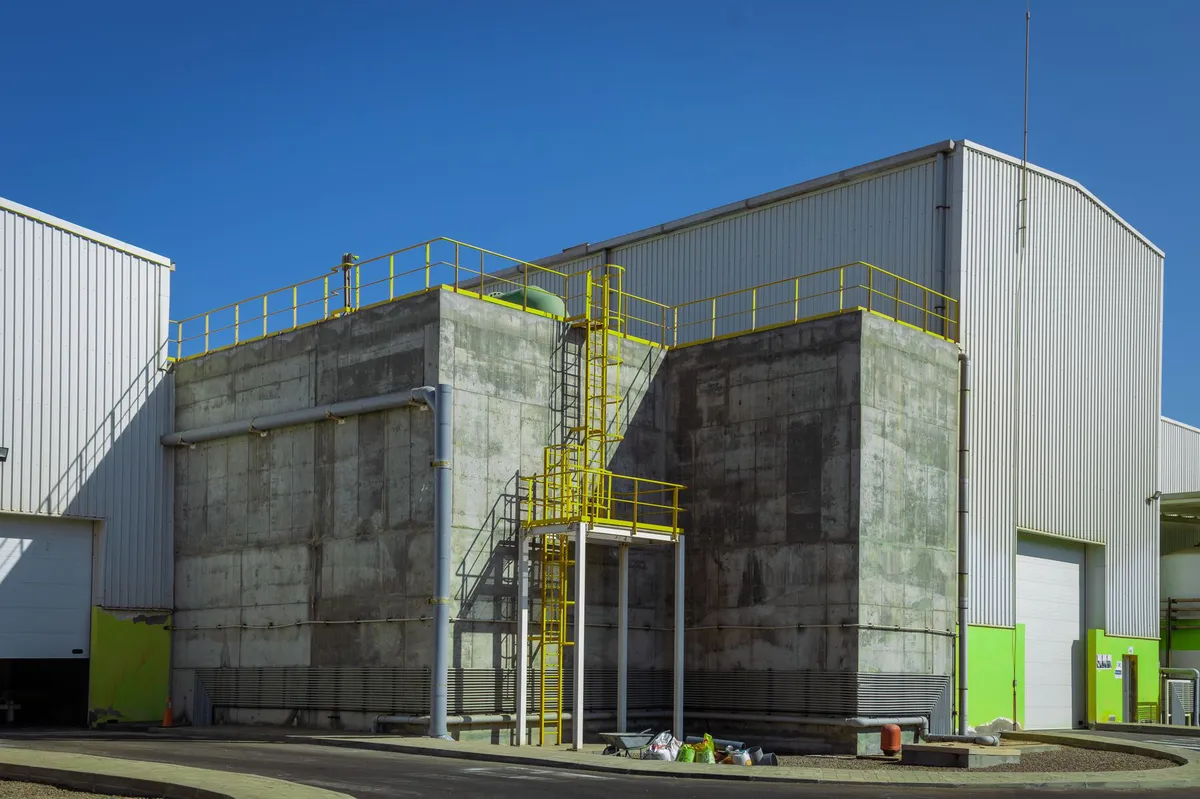
In a stark reflection of the ongoing debates surrounding immigration policy and detainee rights in the United States, approximately 1,500 individuals held at the Adelanto ICE facility in California are facing serious allegations regarding the conditions of their detention. During a recent court hearing, detainees pleaded with a federal judge to mandate immediate improvements to their living conditions, citing rampant illness, insufficient food, and inadequate medical care. This situation raises critical questions about the responsibilities of private contractors in immigration detention and the federal government's duty to ensure humane treatment.
Allegations of Inhumane Treatment
The plaintiffs, represented by Public Counsel, argue that detainees are subjected to mistreatment that violates their basic human dignity. Their claims, highlighted in a class-action lawsuit filed earlier this year, detail alarming conditions within the facility. Among the serious complaints are:
- Widespread disease and illness.
- Mold growth on facility walls.
- Lack of sufficient food, clean drinking water, and proper medical care.
- Failure to provide necessary disability accommodations.
- Inhumane punishments, such as solitary confinement for peaceful protests.
These allegations paint a troubling picture of a facility that is not only failing to meet basic health and safety standards but is also potentially violating constitutional rights. The plaintiffs argue that the federal government has a legal obligation to ensure that those in its custody, regardless of whether they are held in a private facility, are treated humanely.
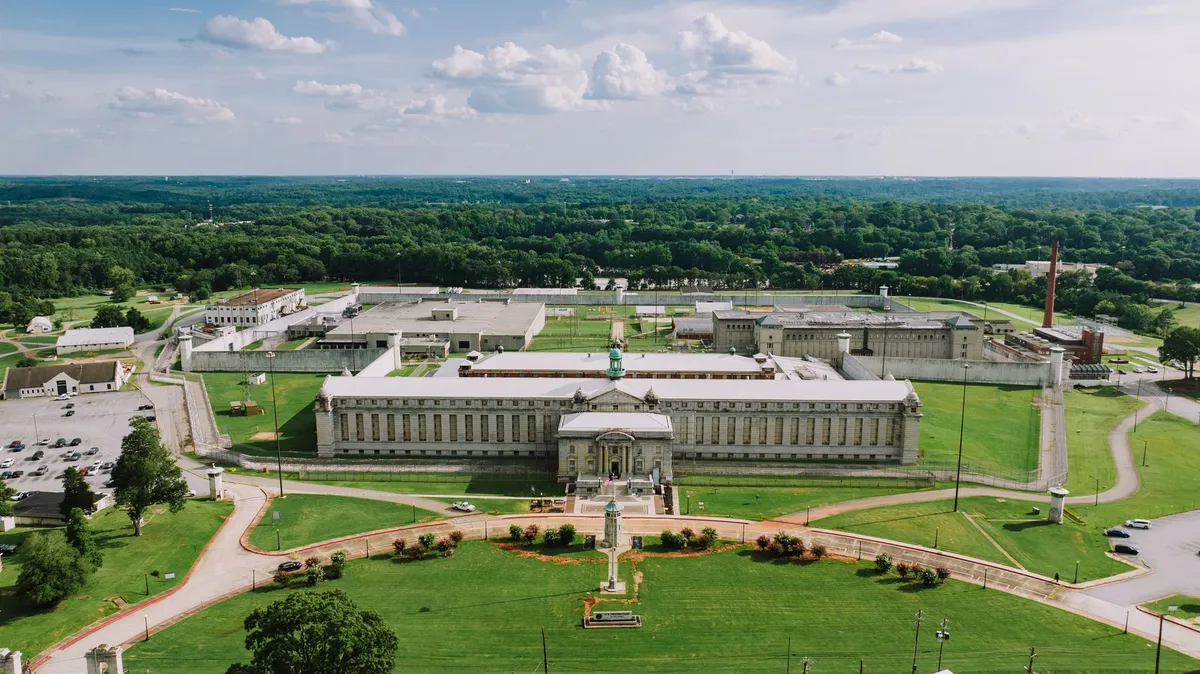
The Legal Battle: Government vs. Private Contractor
U.S. District Judge Sunshine Sykes has been presiding over the case, and her recent rulings have highlighted the complex legal landscape surrounding private detention facilities. In April, she denied a preliminary injunction that would have mandated immediate changes, largely on procedural grounds. However, the plaintiffs returned with a revised request that they believe is easier to enforce, focusing on constitutional outcomes rather than specific operational directives.
Shifting Responsibilities
The crux of the legal argument rests on whether the federal government can transfer its constitutional obligations to a private contractor like GEO Group, which operates the Adelanto facility. The government contends that the responsibility primarily lies with GEO Group, emphasizing that it is taking steps to address the issues raised. For instance, Pushkal Mishra, an attorney from the U.S. Justice Department, asserted that the government has taken actions to rectify water contamination problems within the facility. However, he also acknowledged that these actions do not equate to a failure to meet constitutional obligations, stating, "The government is not doing nothing. The government is doing a whole lot."
Constitutional Obligations and Detainee Rights
The ongoing legal discussion in Judge Sykes' courtroom raises significant questions about the extent of the federal government’s obligations to detainees. As noted by attorney Belinda Escobosa, once the government decides to detain individuals, it cannot simply wash its hands of constitutional violations by outsourcing the management of those individuals to a private entity. The Constitution imposes affirmative obligations that must be adhered to, regardless of the operator.
Escobosa cited specific incidents of inadequate medical care as examples of violations of detainee rights. In one case, a woman with a severe eye infection was denied treatment, while another detainee who dislocated her shoulder was left in pain without assistance. These cases exemplify the potential dangers of privatizing detention and the serious consequences that can arise when the rights of vulnerable populations are not adequately protected.

Implications for Immigrant Rights and Detention Policies
The issues at the Adelanto facility are not isolated; they reflect broader trends in immigration enforcement and the treatment of detainees across the country. The reliance on private companies to manage detention facilities has been increasingly scrutinized, with critics arguing that profit-driven motives can lead to cost-cutting measures that compromise detainee care and safety.
Potential Outcomes of the Case
As the case progresses, the implications extend beyond the immediate concerns of those detained at the Adelanto facility. A ruling that emphasizes the federal government's obligations could set a precedent for how private detention facilities are monitored and regulated. It could also influence national discussions on immigration policy and human rights, particularly as advocates push for reforms that prioritize the dignity and humane treatment of all individuals, regardless of their immigration status.
Key Takeaways
- The plaintiffs at Adelanto ICE facility allege serious mistreatment and violations of basic rights.
- The case raises pivotal questions about the responsibilities of the federal government versus private contractors.
- Recent legal arguments highlight the constitutional obligations the government retains even when using private operators.
- The outcome could significantly impact immigrant rights and the future of detention policies in the U.S.
Frequently Asked Questions
What are the main allegations against the Adelanto ICE facility?
The primary allegations include mistreatment of detainees, with claims of rampant disease, insufficient food and water, inadequate medical care, and lack of proper sanitation. Detainees have reported being denied basic necessities and facing harsh punishments for peaceful protests, raising concerns about the facility's adherence to constitutional standards.
Who is responsible for the conditions at the Adelanto facility?
The legal argument centers on whether the federal government can transfer its constitutional responsibilities to GEO Group, the private contractor managing the facility. While the government asserts that GEO Group is primarily responsible for detainee care, plaintiffs argue that the government has an affirmative obligation to ensure humane treatment, regardless of who operates the facility.
What are the potential consequences of this case?
The outcome of the case could set a significant legal precedent regarding the treatment of detainees in private facilities. A ruling that reaffirms the government's obligations could lead to increased oversight of private detention centers and influence broader discussions on immigration policy and human rights in the U.S.
How can detainees advocate for their rights?
Detainees can advocate for their rights through legal channels, such as filing complaints and participating in class-action lawsuits, as seen in the Adelanto case. Additionally, advocacy groups and legal aid organizations can provide support in addressing issues of mistreatment and ensuring that detainees' rights are upheld.
Disclaimer: This article provides general information and is not intended as legal advice.
Comments
Navigating Insurance Adjusters After an Accident: Key Insights for Claimants
Understanding how to communicate with insurance adjusters post-accident is crucial. This article explores what not to say and how to protect your claims effectively.

Related articles




Popular in Personal Injury
- Hawaii Supreme Court Overturns 36-Year-Old Rape Conviction Due to Forensic Flaws
- The Impact of Pro Bono Work by BigLaw Firms in 2025
- Albertsons Faces Trial Over Role in Washington's Opioid Crisis
- The Hidden Dangers of Open Manholes in New York City
- Historic $81 Million Verdict in Utah Pedestrian Wrongful Death Case