Prospective Renter Awarded $15,000 After Assault by Landlord
A recent court ruling has granted a prospective renter $15,000 in damages after experiencing an inappropriate sexual advance from a landlord. This case highlights the importance of tenant rights and the legal protections against harassment.
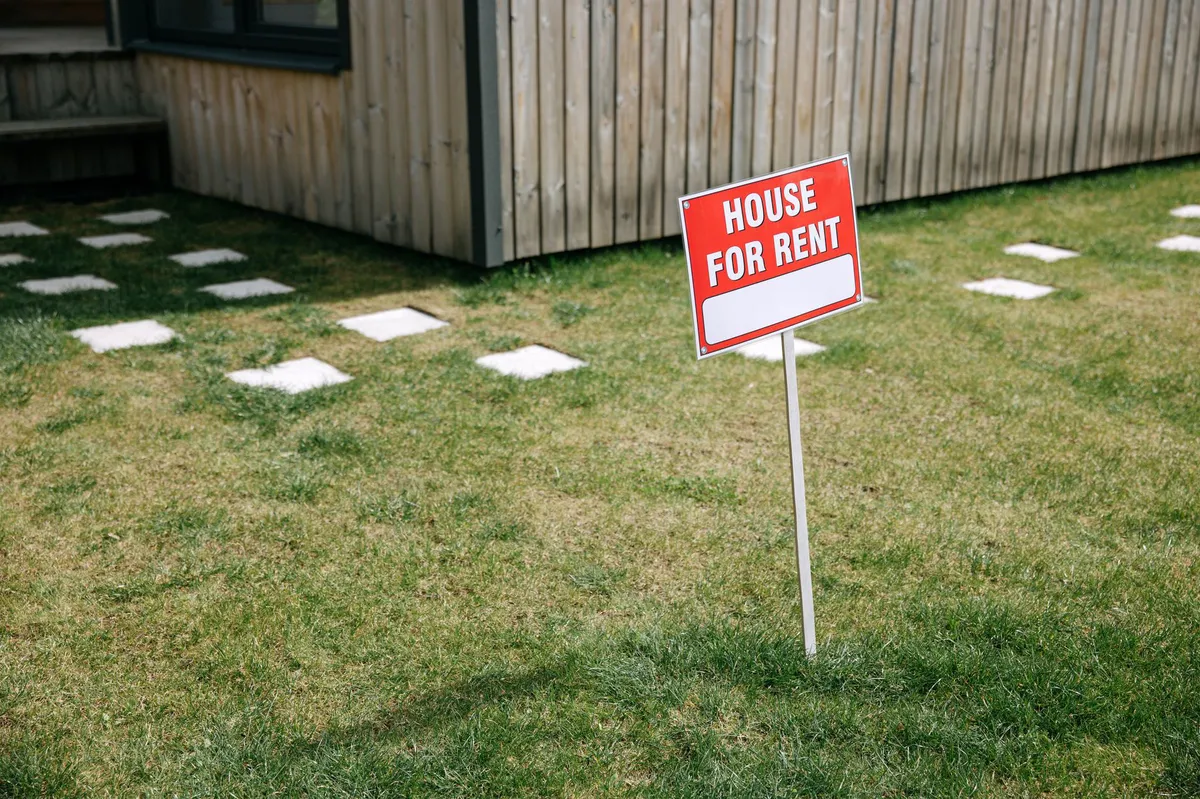
In a significant ruling that underscores the rights of tenants and the accountability of landlords, a prospective renter was awarded $15,000 after enduring an inappropriate sexual advance from a landlord during a property showing. This case not only brings attention to the serious issue of harassment in rental situations but also reinforces the legal protections available to tenants under civil law.
The decision was made in light of the evidence presented, which demonstrated that the landlord's behavior constituted not only a violation of personal boundaries but also a breach of the duty of care that landlords owe to prospective tenants. Such incidents are not merely personal grievances; they reflect larger systemic issues regarding the treatment of vulnerable individuals in housing markets, particularly in an era where tenant rights are increasingly at the forefront of legal discussions.
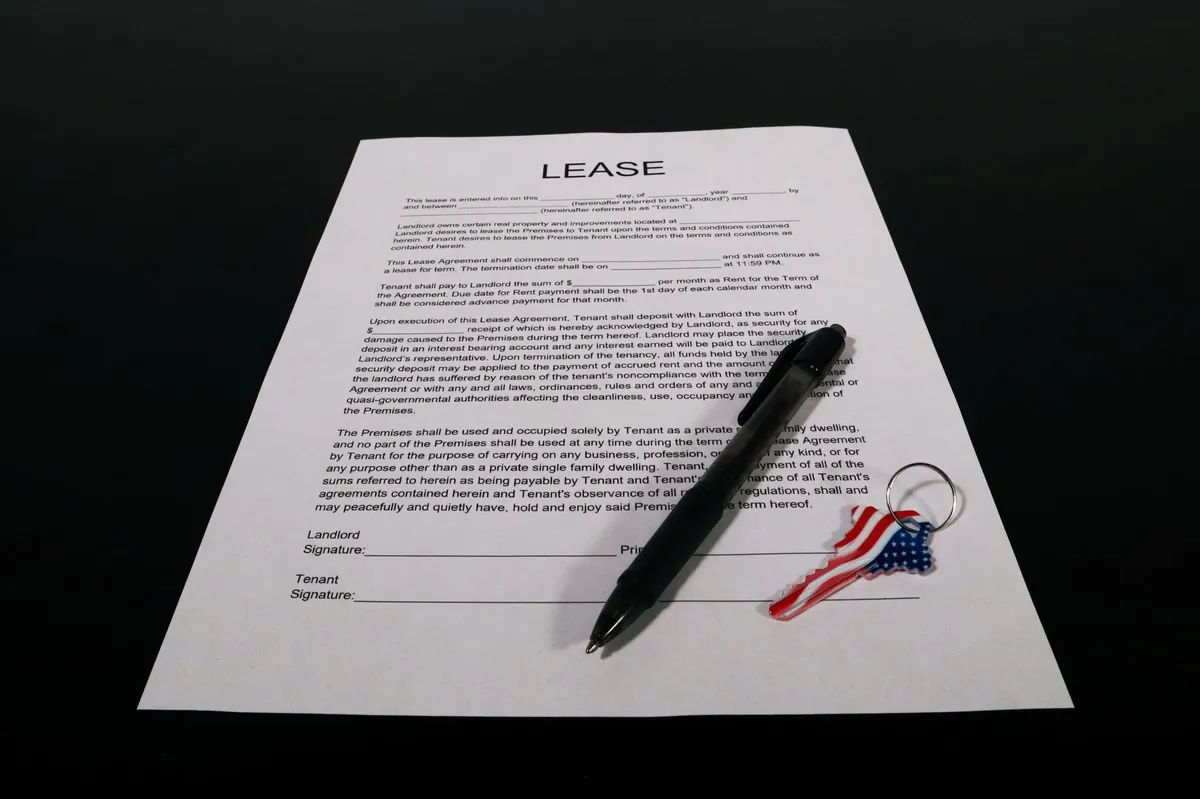
The Case Overview
The circumstances surrounding this case began when the prospective renter, who was searching for a new apartment, responded to a rental listing. During the showing, the landlord allegedly made unwelcome physical advances, which not only made the individual uncomfortable but also raised serious concerns about the appropriateness of the landlord's conduct. Following the incident, the renter sought legal recourse, emphasizing the need for accountability in such situations.
Legal Proceedings
As the case unfolded in court, the judge reviewed the evidence, including testimonies and any relevant documentation that supported the renter's claims. The ruling was based on the principles of civil liability, which hold individuals accountable for their actions when they infringe upon the rights of others. In this situation, the court determined that the landlord had indeed acted inappropriately, thus warranting compensatory damages for the emotional distress caused to the renter.
Understanding Tenant Rights
This case serves as a crucial reminder of the rights that tenants possess when engaging with landlords and property owners. Under federal and state laws, tenants are protected against harassment and discrimination in housing situations. Key rights include:
- Right to Fair Treatment: Tenants should expect to be treated with respect and dignity during property showings and throughout the rental process.
- Protection from Harassment: Any form of unwelcome sexual advances or harassment is illegal and can lead to civil action.
- Right to Seek Recourse: Tenants have the right to report inappropriate behavior and seek legal remedies, including financial compensation.

The Implications of the Ruling
The $15,000 award not only compensates the victim for their distress but also serves as a deterrent to other landlords who may consider engaging in similar behavior. By holding landlords accountable, the courts send a powerful message that such actions will not be tolerated and that victims have the right to seek justice.
Broader Context of Tenant Protection Laws
In recent years, there has been a concerted effort to strengthen tenant protection laws across the United States. Various states have enacted legislation to enhance the rights of tenants, ensuring that they are safeguarded against discrimination, harassment, and unfair treatment. This case aligns with those efforts, highlighting the critical need for ongoing advocacy and legal reform to better protect individuals in rental situations.

Key Takeaways
- The ruling awarded $15,000 to a prospective renter for inappropriate conduct by a landlord.
- Tenants possess rights that protect them from harassment and discrimination in housing.
- The case emphasizes the importance of accountability and the legal avenues available for victims.
- Ongoing reforms are necessary to enhance tenant protections across the United States.
Frequently Asked Questions
What legal protections do tenants have against harassment?
Tenants are protected under various local, state, and federal laws that prohibit harassment and discrimination in housing. These laws ensure that tenants can seek recourse if they experience unwelcome advances or any form of intimidation from landlords or property managers. Victims can report such behavior to the housing authority or pursue legal action to seek compensation for damages caused by the harassment.
How can tenants report inappropriate behavior by a landlord?
Tenants who experience inappropriate behavior should document the incident thoroughly, including dates, times, and specific details about the conduct. They can then report the incident to local housing authorities, tenant advocacy groups, or consult with an attorney specializing in tenant rights. Legal professionals can guide tenants through the necessary steps to file a complaint or initiate a lawsuit.
What should I do if I experience harassment while renting?
If you believe you are being harassed by your landlord or property manager, it is crucial to prioritize your safety first. Gather evidence of the harassment, such as texts, emails, or witness accounts, and seek legal advice as soon as possible. Taking prompt action not only helps in your case but also reinforces the importance of addressing such behavior within the broader rental community.
What are the potential consequences for landlords who engage in harassment?
Landlords who engage in harassment can face significant legal consequences, including financial penalties, loss of rental licenses, and potential criminal charges, depending on the severity of the conduct. Additionally, harassment claims can tarnish a landlord's reputation and deter prospective tenants from engaging with them in the future.
This article is for informational purposes only and does not constitute legal advice.
Comments
Navigating Insurance Adjusters After an Accident: Key Insights for Claimants
Understanding how to communicate with insurance adjusters post-accident is crucial. This article explores what not to say and how to protect your claims effectively.

Related articles





Popular in Personal Injury
- Hawaii Supreme Court Overturns 36-Year-Old Rape Conviction Due to Forensic Flaws
- The Impact of Pro Bono Work by BigLaw Firms in 2025
- Albertsons Faces Trial Over Role in Washington's Opioid Crisis
- The Hidden Dangers of Open Manholes in New York City
- Historic $81 Million Verdict in Utah Pedestrian Wrongful Death Case