The Critical Role of Surveillance Footage in Motorcycle Crash Cases
Surveillance footage can play a pivotal role in motorcycle accident claims, but its preservation is often overlooked. This article explores the challenges associated with lost evidence and the necessary steps to safeguard it.
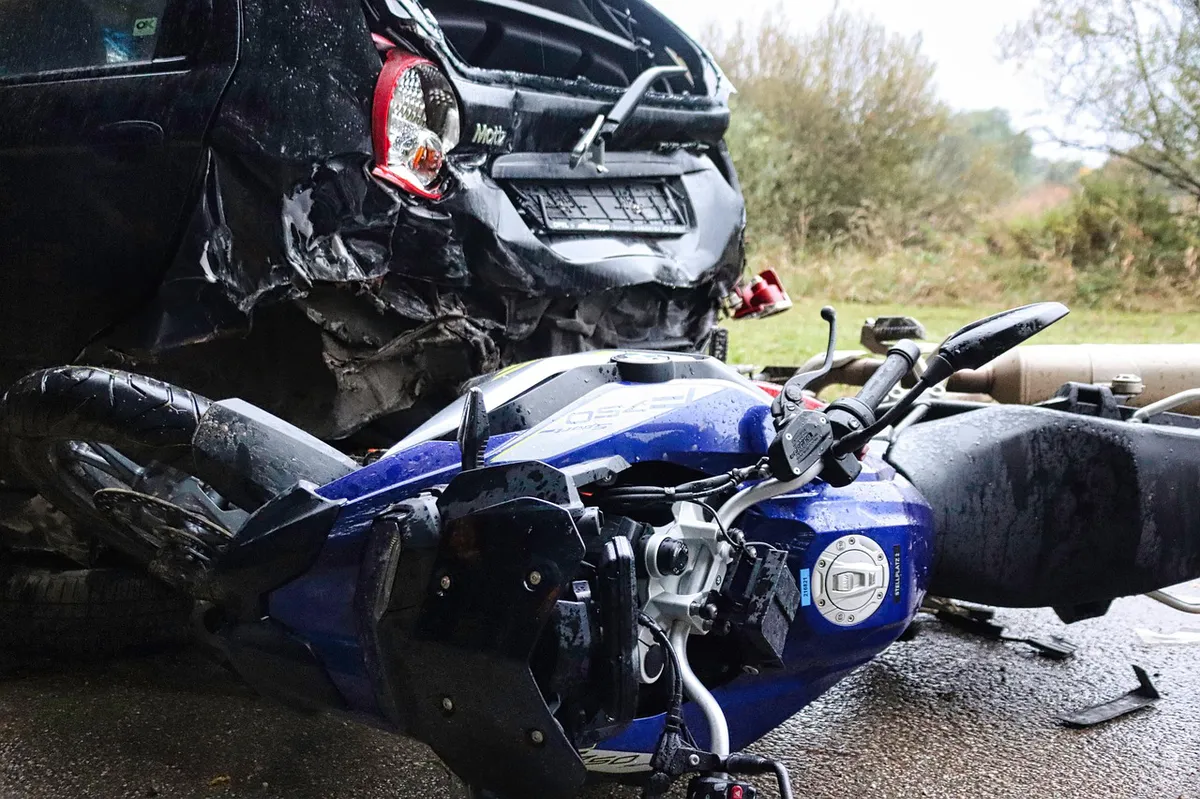
Motorcycle accidents can be traumatic events that leave injured riders grappling with medical bills, emotional distress, and the complexities of liability disputes. In the aftermath of such collisions, the quest for clarity often involves examining not just the police reports, but also digital evidence, particularly surveillance footage. These recordings can provide crucial insights into the events leading up to, during, and after an accident. However, as many riders may unfortunately discover, the window for accessing this evidence can be alarmingly short. Surveillance systems in place around traffic intersections, businesses, and residential areas often operate on a rolling storage basis, automatically overwriting older footage with new recordings. This creates a pressing challenge for those seeking justice.
When a motorcycle crash occurs, every second counts. An injured rider may find themselves in a race against time to identify and preserve potentially vital footage that could clarify how the accident happened. For instance, video evidence can reveal critical details such as vehicle positions, traffic signal status, and even the speed at which vehicles were traveling at the time of the accident. Unfortunately, if a rider waits too long to act, they may find that the recordings have already been erased, leading to a significant loss of potential evidence.

The Importance of Surveillance Footage in Legal Claims
Surveillance footage serves as an objective witness that can corroborate or contradict the accounts provided by drivers and witnesses involved in the crash. In many cases, the details surrounding a motorcycle accident can be murky, with conflicting narratives complicating the situation further. For example, a pedestrian might remember seeing a motorcycle speeding, while the driver insists they had the right of way. Here’s where video evidence becomes invaluable:
- Vehicle Movements: Footage can show the precise movements of all vehicles involved, helping to establish fault.
- Traffic Signals: Cameras can confirm whether traffic lights were red or green, which is crucial in determining liability.
- Witness Accounts: Video can provide a clear picture that may differ from witness statements, highlighting discrepancies.
- Time Stamps: Recorded footage often comes with timestamps, providing an accurate timeline of events leading up to the crash.
Challenges in Preserving Surveillance Footage
Despite its importance, obtaining surveillance footage can be complicated. Many surveillance systems overwrite footage automatically after a certain period, often ranging from a few days to several weeks. This means that if a motorcycle accident is not promptly reported or investigated, critical evidence may be lost forever. Additionally, the policies governing the retention of video footage vary widely across different jurisdictions and organizations. Some businesses may retain footage for only a few days, while others might have longer retention policies.

Understanding Spoliation of Evidence
The legal concept of spoliation refers to the destruction, alteration, or loss of evidence that is potentially relevant to a legal case. In the context of motorcycle accidents, spoliation can occur if a business or individual fails to preserve surveillance footage that they were aware could be relevant to an impending legal dispute. However, not all lost footage constitutes spoliation. Courts will typically consider several factors:
- Control Over Evidence: Did the person or organization have the ability to preserve the footage?
- Intent: Was the footage intentionally deleted or lost, or was it an automatic overwrite as part of a routine process?
- Prejudice: Did the loss of the footage cause meaningful harm to the opposing party's case?
Legal Remedies for Lost Evidence
If a court finds that spoliation has occurred, they may impose various remedies. These can range from monetary sanctions and evidentiary limitations to jury instructions that may influence how the jury perceives the loss of evidence. The distinction between routine deletion and intentional destruction is pivotal; businesses that routinely overwrite footage without knowledge of a pending legal issue may not face the same consequences as those who delete records after being notified of a potential claim.

Steps to Preserve Evidence After an Accident
For injured riders, understanding how to preserve evidence can significantly impact the outcome of their case. Here are several proactive steps that can be taken:
- Take Photos: After ensuring safety, photograph the accident scene, vehicle damages, road conditions, traffic signs, and any other relevant details.
- Identify Cameras: Look for nearby businesses, residences, or traffic cameras that may have captured the incident. Make note of these locations.
- Document Medical Treatment: Keep detailed records of all medical treatments and expenses related to the accident.
- Request Preservation: If you identify potential sources of footage, consider sending a preservation request to the business or entity controlling the surveillance system.
Consulting with a Motorcycle Accident Lawyer
Given the complexities surrounding the preservation of digital evidence, consulting with a motorcycle accident lawyer can be crucial. These legal professionals can guide injured riders through the process of gathering evidence, navigating spoliation laws, and building a strong case. They can also help ensure that all necessary steps are taken promptly to minimize the risk of losing critical evidence.
Key Takeaways
- Surveillance footage can be pivotal in motorcycle accident cases.
- Preservation of evidence is time-sensitive.
- Spoliation laws vary by jurisdiction and depend on circumstances.
- Proactive steps can help preserve critical evidence.
- Consulting a lawyer can provide essential legal guidance.
Frequently Asked Questions
What should I do immediately after a motorcycle accident?
Immediately after a motorcycle accident, prioritize your safety and the safety of others. If you are able, take photographs of the scene, note any visible damages, and identify nearby surveillance cameras. Seek medical attention for any injuries, and report the accident to the police. Collect contact information from witnesses and keep detailed records of your medical treatment and expenses. These initial steps can be crucial for your case.
How can I find out if there is surveillance footage of my accident?
To determine whether there is surveillance footage of your accident, start by identifying potential sources, such as nearby businesses, traffic intersections, and residences. If you suspect that a camera captured the incident, contact the business or entity controlling the camera as soon as possible, and inquire about the possibility of obtaining the footage. Keep in mind that prompt action is essential, as footage may be overwritten within days or weeks.
What are the consequences if surveillance footage is lost?
The consequences of lost surveillance footage can vary widely based on jurisdiction and the circumstances surrounding the loss. If the court determines that spoliation has occurred, they may impose sanctions, including monetary penalties or limitations on the evidence that can be presented. However, the absence of footage does not automatically negate a claim; other forms of evidence may still be available to support your case.
Can I still pursue a claim if there is no video evidence?
Yes, you can still pursue a claim even if there is no video evidence. Other types of evidence—such as eyewitness accounts, police reports, photographs of the accident scene, vehicle damage, and medical records—can also contribute to establishing liability and supporting your case. An experienced motorcycle accident lawyer can help you assess the available evidence and develop a strategy to advocate for your rights.
This article is for informational purposes only and does not constitute legal advice.
Comments
Settlement vs. Trial: Navigating Strategic Legal Decisions
In today's legal landscape, lawyers must strategically decide between settling a case or going to trial. This article explores the implications of each choice, the factors to consider, and the importance of informed decision-making.

Related articles







Popular in Personal Injury
- Hawaii Supreme Court Overturns 36-Year-Old Rape Conviction Due to Forensic Flaws
- The Impact of Pro Bono Work by BigLaw Firms in 2025
- Albertsons Faces Trial Over Role in Washington's Opioid Crisis
- The Hidden Dangers of Open Manholes in New York City
- Historic $81 Million Verdict in Utah Pedestrian Wrongful Death Case