11th Circuit Overturns $12 Million Verdict in Cruise Ship Assault Case
The 11th Circuit Court has ordered a new trial regarding a sexual assault case against Carnival Cruise Line, overturning a $12 million verdict awarded to a passenger. The decision highlights key legal issues surrounding consent and false imprisonment claims in the context of a heavily intoxicated individual.
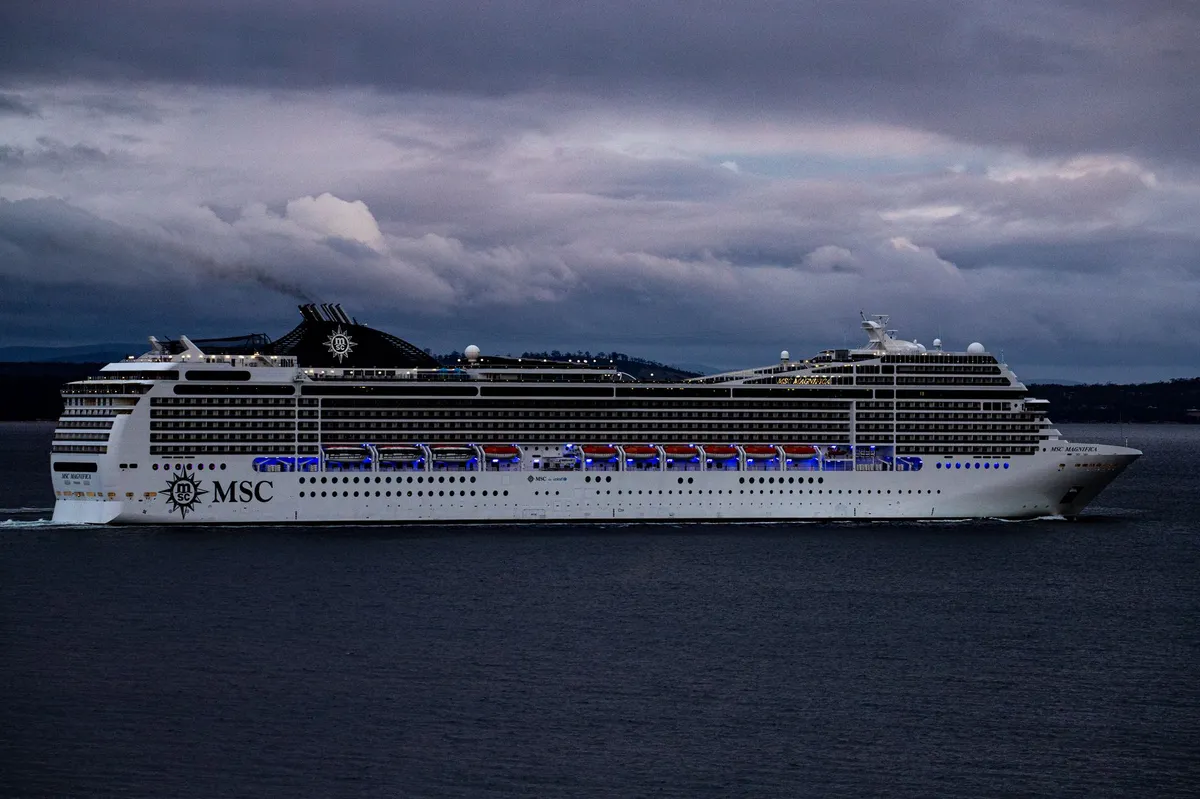
In a significant legal development, the 11th Circuit Court of Appeals has ordered a new trial in a high-profile sexual assault case involving a Carnival Cruise Line passenger. This ruling overturns a previous decision that awarded the plaintiff, a 21-year-old woman referred to as Jane Doe, over $12 million in damages and interest. The case, which revolves around allegations of sexual assault and false imprisonment, raises important questions about consent, the responsibilities of cruise lines, and the legal standards applied in personal injury cases.
The 11th Circuit's ruling returned the case to the U.S. District Court for the Southern District of Florida, where it will be retried before a new jury. This decision comes in light of findings that the lower court had incorrectly handled certain aspects of the case, particularly regarding the admissibility of evidence and the instructions given to the jury. The implications of this case extend beyond the immediate parties involved, potentially affecting future legal standards in similar cases.
Background of the Case
The incident at the heart of the case took place in December 2018 aboard the Carnival Miracle. Jane Doe, who was reportedly heavily intoxicated, claimed that after suffering a head injury on the ship's pool deck, she was lured into a storage closet where she was sexually assaulted by a crew member, Fredy Anggara. According to Doe, the encounter occurred during a game of hide and seek, illustrating the precarious situations that can arise during recreational activities on cruise ships.
As a result of her experience, Doe filed a lawsuit against Carnival, alleging both sexual assault and false imprisonment. In her claim, she asserted that she was held against her will and was in no state to provide consent due to her intoxication. The complexities of the case were heightened by the fact that Anggara was not a defendant in the lawsuit, as Carnival had already terminated his employment following the incident.
The 11th Circuit's Findings
On Tuesday, the 11th Circuit panel ruled unanimously that the lower court had erred in its pre-trial rulings. Most notably, the court found that the judge had improperly instructed the jury regarding the false imprisonment claim. This instruction led the jury to believe that Carnival was already liable for false imprisonment, thus removing their ability to independently evaluate the facts surrounding the case.
Missteps in the Lower Court
The appellate court emphasized that such a directive could mislead jurors into concluding that the sexual encounter was also non-consensual, potentially skewing their judgment on the sexual assault allegations. Judge Barbara Lagoa, writing for the panel, noted that the lower court's actions “poisoned” subsequent rulings, ultimately undermining the integrity of the trial.
Moreover, the 11th Circuit criticized the exclusion of an FBI report from the trial, which deemed the interaction between Doe and Anggara as consensual. Following the incident, FBI agents boarded the Carnival Miracle to investigate, interviewing both parties shortly after the event. The report's exclusion raised questions about whether the jury had access to all pertinent evidence, which could substantially influence their findings.
Implications of the Ruling
This ruling not only impacts Jane Doe's case but also sets a precedent for how sexual assault and consent cases are handled in the context of cruise lines. The decision underscores the critical importance of thorough investigations and the admissibility of all relevant evidence in trials involving allegations of sexual misconduct.
Legal Context of Consent
Consent is a nuanced and often contentious issue in sexual assault cases, particularly when intoxication is involved. Under U.S. law, an individual who is significantly impaired may lack the capacity to consent, which is a critical element in cases where alcohol consumption is a factor. This case illustrates the challenges that arise when determining consent, especially in environments such as cruise ships where social dynamics and alcohol consumption can complicate interactions.
In this instance, the 11th Circuit acknowledged that the FBI's conclusions regarding consent could have been pivotal for the jury's decision-making process. The court's opinion highlighted that the investigation's limitations may have deprived the jury of crucial context that could alter their understanding of the events in question.
What Lies Ahead for the Parties Involved
With the case heading back to trial, both sides will have the opportunity to present their arguments anew, potentially utilizing new strategies and evidence. For Jane Doe, the upcoming trial represents not only a chance for legal redress but also an opportunity to share her story and its implications for sexual assault survivors.
Meanwhile, Carnival Cruise Line faces the prospect of re-examining its policies and procedures regarding passenger safety and employee conduct. As one of the largest cruise operators in the world, Carnival's handling of such incidents is under scrutiny, and the outcome of this case could influence their approach to preventing and addressing similar allegations in the future.
Key Takeaways
- New Trial Ordered: The 11th Circuit has mandated a new trial for Jane Doe's claims against Carnival.
- Consent Issues: The ruling emphasizes the complexities of consent in cases involving intoxication.
- Admissibility of Evidence: The exclusion of the FBI report raised significant concerns regarding the integrity of the trial.
- Impact on Cruise Lines: The case could influence how cruise lines address allegations of misconduct and ensure passenger safety.
- Legal Precedents: This case may set important legal standards for future sexual assault claims in similar contexts.
Frequently Asked Questions
What are the implications of the 11th Circuit's ruling for future sexual assault cases?
The 11th Circuit's ruling highlights the importance of jury instructions and the admissibility of evidence in sexual assault cases. Future cases may see increased scrutiny of how courts handle similar issues, particularly regarding consent and the role of intoxication. This case could encourage more thorough investigations and transparency in judicial proceedings, ensuring that juries have access to all relevant information.
How does intoxication affect consent in sexual assault cases?
Intoxication plays a crucial role in determining the ability to consent. In U.S. law, an individual who is significantly impaired, whether by alcohol or drugs, may not be able to provide valid consent. This principle is essential in cases like Jane Doe's, where her level of intoxication at the time of the incident is a key factor in evaluating the legitimacy of her claims.
What does this mean for Carnival Cruise Line?
Carnival Cruise Line's handling of this case will likely prompt a review of its policies regarding passenger safety and employee conduct. As the case continues, the company may face increased pressure to implement measures that enhance passenger protections and establish clearer protocols for addressing allegations of misconduct onboard their vessels.
What can victims of sexual assault do after an incident?
Victims of sexual assault should first seek medical attention and report the incident to law enforcement as soon as possible. It is important to document any evidence, including photographs and witness statements, as this can be crucial in legal proceedings. Consulting with a qualified attorney experienced in personal injury and sexual assault cases can provide victims with guidance on their rights and the best steps to take following an incident.
This article is for informational purposes only and does not constitute legal advice.
Comments
The Critical Role of Surveillance Footage in Motorcycle Crash Cases
Surveillance footage can play a pivotal role in motorcycle accident claims, but its preservation is often overlooked. This article explores the challenges associated with lost evidence and the necessary steps to safeguard it.
Related articles







Popular in Personal Injury
- Hawaii Supreme Court Overturns 36-Year-Old Rape Conviction Due to Forensic Flaws
- The Impact of Pro Bono Work by BigLaw Firms in 2025
- Albertsons Faces Trial Over Role in Washington's Opioid Crisis
- The Hidden Dangers of Open Manholes in New York City
- Historic $81 Million Verdict in Utah Pedestrian Wrongful Death Case