Texas Drag Ban Blocked Again: A Landmark Ruling on Free Speech
In a significant legal victory for LGBTQ+ rights, a federal judge has once again ruled against Texas' drag show ban, emphasizing First Amendment rights and the law's overly broad definitions. This article delves into the implications of this ruling and its effects on free expression in Texas.
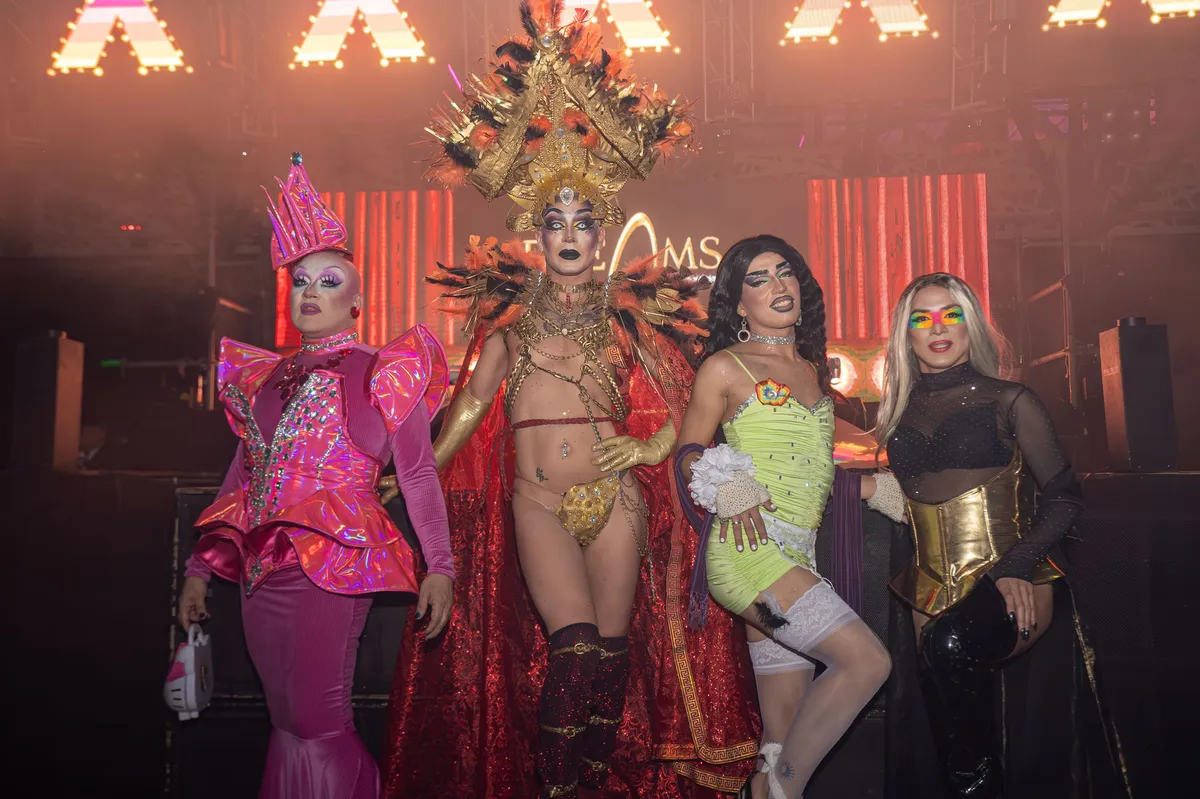
In a momentous decision echoing the principles of free speech, a federal judge in Houston has ruled against the enforcement of Texas' controversial drag show ban for a second time. This ruling, delivered by U.S. District Judge David Hittner, underscores the ongoing conflict between legislative actions aimed at curbing certain performances and the constitutional protections afforded under the First Amendment.
The drag show ban, encapsulated in Senate Bill 12 (S.B. 12), was enacted in 2023 and purports to prohibit "sexually oriented performances" from being presented in the presence of minors. However, LGBTQ+ advocacy groups and drag performers have challenged the law, asserting that its broad language infringes upon their rights to free expression. This latest ruling reflects a growing trend in the legal landscape, where courts are increasingly scrutinizing laws perceived as discriminatory or overly vague.
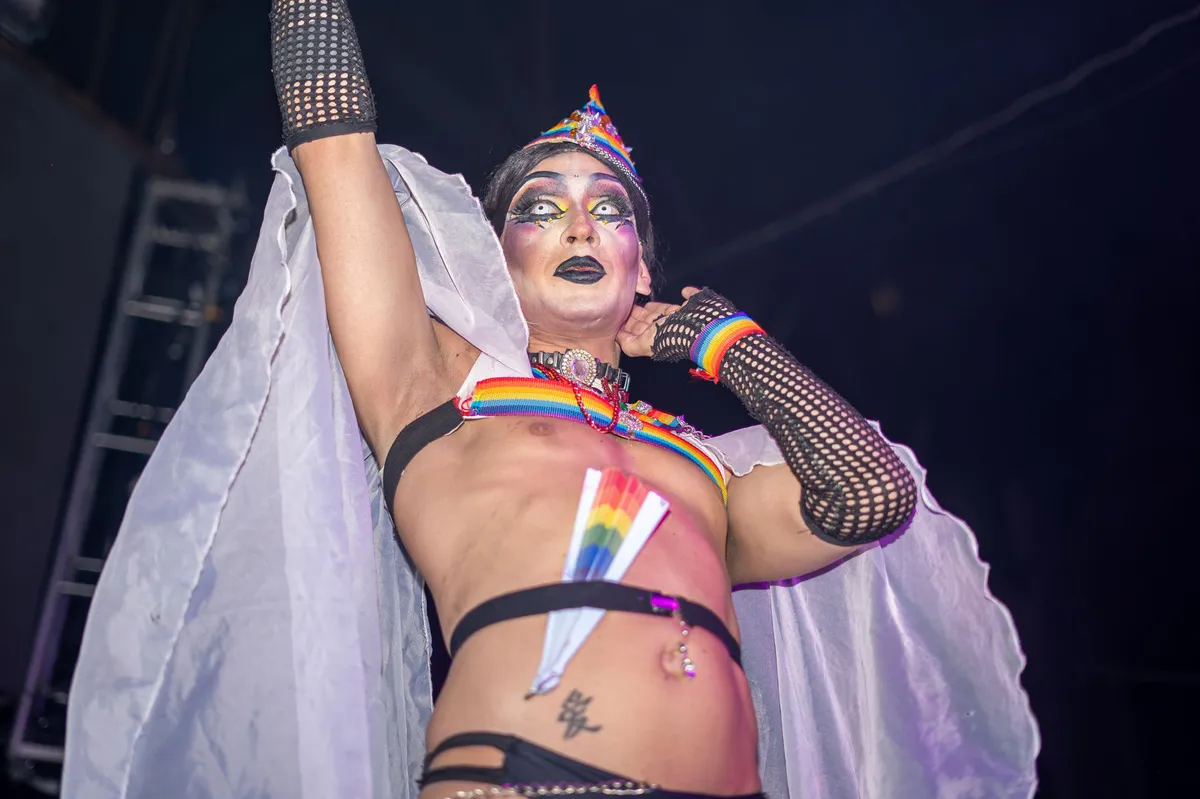
The Controversy Surrounding Senate Bill 12
Senate Bill 12 was introduced amid a wave of legislative measures across the U.S. targeting LGBTQ+ activities, particularly those involving drag performances. The law defines "sexually oriented performance" in a manner so expansive that it could potentially encompass a wide array of artistic expressions, effectively placing them under threat of legal repercussions.
After the bill was passed, it faced immediate backlash. Advocacy groups such as the American Civil Liberties Union (ACLU) and numerous drag performers filed suit against the state, arguing that the law's language is not only vague but also unconstitutional. The plaintiffs highlighted the potential chilling effect on artistic expression and public performances where sexual themes might be present.
First Rulings and Legal Battles
In September 2023, Judge Hittner issued a permanent injunction against the enforcement of S.B. 12, recognizing the law as an unconstitutional restriction on First Amendment rights. However, this ruling was later overturned by the Fifth Circuit Court, allowing Texas Attorney General Ken Paxton to enforce the law in March 2026. This judicial ping-pong illustrates the complexities and challenges faced by those advocating for civil liberties in the face of legislative actions.
Judge Hittner's Latest Decision
In his recent ruling, Judge Hittner reiterated his stance against the drag ban, emphasizing that it represents an unconstitutional limitation on free speech. He cited the Moody v. NetChoice decision from the U.S. Supreme Court in 2024, which laid out a two-part framework for assessing content and viewpoint discrimination.
The judge pointed to specific terms within S.B. 12, such as "visual performances," "nude," and "prurient interest in sex," as being overly broad. Hittner articulated that while the law should only restrict certain performances, its definitions could encompass a wide range of events, from sports games to art exhibitions, thus infringing on numerous protected First Amendment activities.
Implications for Artistic Expression
Hittner's ruling has significant implications for artists and performers across Texas. By declaring the law overly broad, he has opened the door for more creative freedom without fear of legal repercussions. The judge highlighted that even well-known performers like Lady Gaga and Miley Cyrus could inadvertently fall under the law’s restrictions due to its vague definitions.
He poignantly noted the historical context of public performances that have faced scrutiny for their erotic elements, drawing parallels with past cultural icons who have been criticized for their expressions of sexuality. This perspective emphasizes that artistic expression has long been a site of contention and debate in American culture.
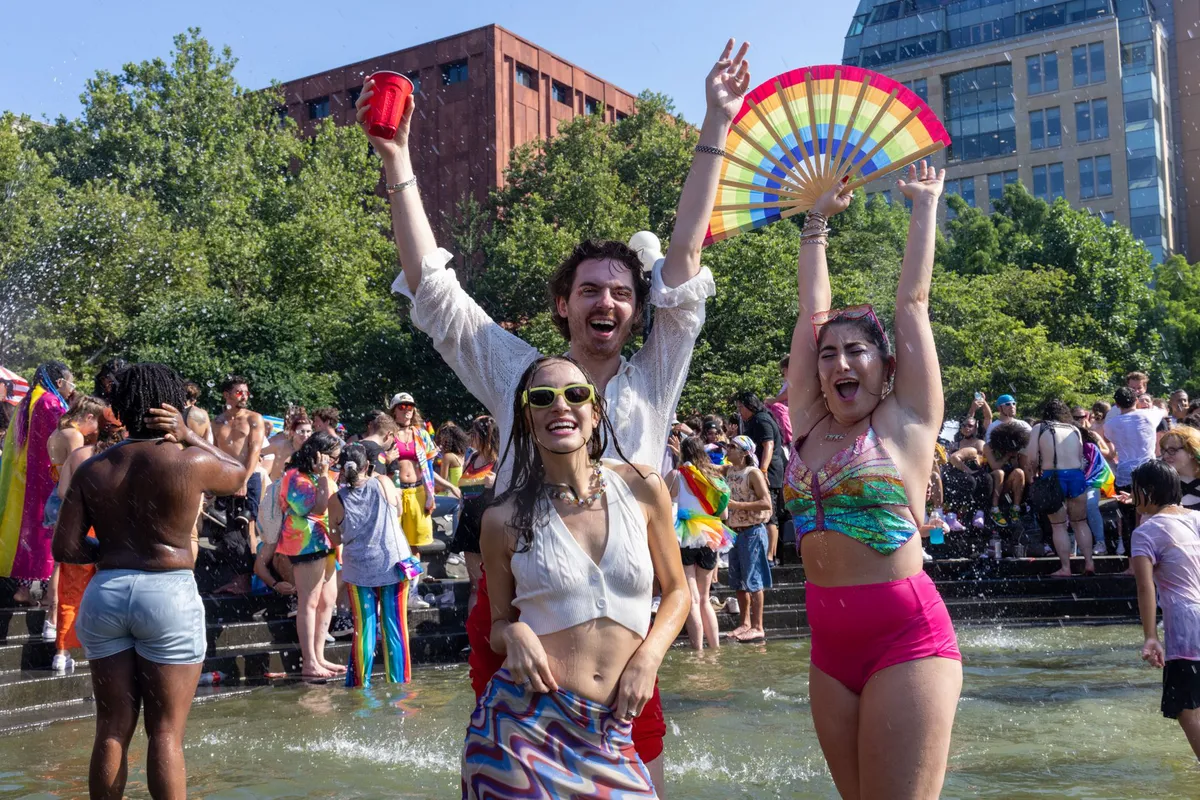
The Response from Advocacy Groups and State Officials
The ruling has been welcomed by LGBTQ+ advocacy groups, who view it as a triumph for civil liberties. The Texas chapter of the ACLU expressed strong support for Hittner's decision, highlighting the rich history of drag as a form of cultural expression and a safe space for many individuals. Brian Klosterboer, a senior staff attorney at the ACLU of Texas, stated, "This law stifled free expression across our state and made people afraid to engage in or attend drag shows and other performances."
Conversely, Attorney General Ken Paxton has condemned the ruling, labeling it a "profoundly flawed decision" that threatens the safety of children and contradicts Texas values. Paxton's immediate intention to appeal the ruling indicates that this legal battle is far from over and that the state remains resolute in its efforts to enforce S.B. 12.
What This Means for Future Legislation and Performers
The ongoing legal tussle surrounding the Texas drag ban may set a precedent for similar legislation across the country. As states grapple with balancing community standards and individual rights, the outcomes of such cases could influence future legislative initiatives and judicial interpretations of free speech.
- Broader Implications: The ruling may inspire further challenges to similar laws in other states, reinforcing the importance of First Amendment protections.
- Impact on Performers: Artists and performers may find themselves emboldened to explore themes of sexuality and identity without fear of legal repercussions.
- Legal Precedents: The case could establish a legal framework for future disputes regarding artistic expression and public performances.
Key Takeaways
- Judge Hittner's ruling blocks the enforcement of Texas' drag show ban, reaffirming First Amendment rights.
- The law's definitions are deemed overly broad, potentially impacting various forms of artistic expression.
- Advocacy groups celebrate the ruling as a victory for LGBTQ+ rights and free speech.
- Attorney General Ken Paxton plans to appeal, indicating continued legal battles ahead.
Frequently Asked Questions
What is Senate Bill 12, and why is it controversial?
Senate Bill 12 is a Texas law enacted in 2023 that seeks to ban "sexually oriented performances" in the presence of minors. The controversy arises from its vague definitions, which critics argue could restrict a wide range of artistic expressions, infringing on First Amendment rights. The law has faced multiple legal challenges, emphasizing the ongoing conflict between legislative actions and civil liberties.
What was the basis for Judge Hittner's ruling?
Judge Hittner's ruling was based on the determination that S.B. 12 imposes unconstitutional restrictions on free speech. He cited the law's overly broad definitions and its potential to discriminate based on content and viewpoint. The ruling aligns with the principles established in the 2024 Supreme Court decision in Moody v. NetChoice, which provided a framework for assessing such laws.
How might this ruling affect future legislation in Texas and beyond?
This ruling could have far-reaching implications for future legislation regarding artistic expression and LGBTQ+ rights. It may inspire other states to reconsider similar laws and encourage advocacy groups to challenge restrictive measures. The legal precedents set by this case could influence how courts interpret First Amendment protections in the context of public performances and artistic expression.
What are the potential consequences for performers under the drag show ban?
Under the drag show ban, performers could face legal ramifications for engaging in performances that might be deemed sexually oriented. This could result in civil or criminal penalties, creating a chilling effect on artistic expression. However, Judge Hittner's ruling blocks the enforcement of the ban, providing temporary relief for performers and emphasizing their right to free expression.
This content is general information, not legal advice.
Comments
The Critical Role of Surveillance Footage in Motorcycle Crash Cases
Surveillance footage can play a pivotal role in motorcycle accident claims, but its preservation is often overlooked. This article explores the challenges associated with lost evidence and the necessary steps to safeguard it.

Related articles



Popular in Personal Injury
- Hawaii Supreme Court Overturns 36-Year-Old Rape Conviction Due to Forensic Flaws
- The Impact of Pro Bono Work by BigLaw Firms in 2025
- Albertsons Faces Trial Over Role in Washington's Opioid Crisis
- The Hidden Dangers of Open Manholes in New York City
- Historic $81 Million Verdict in Utah Pedestrian Wrongful Death Case