Tragic Fall at Cirque Du Soleil: Legal Implications and Safety Concerns
A recent incident at a Cirque Du Soleil performance raises serious questions about safety protocols and legal responsibilities. The fallout from this event could have significant implications for the company and the broader entertainment industry.
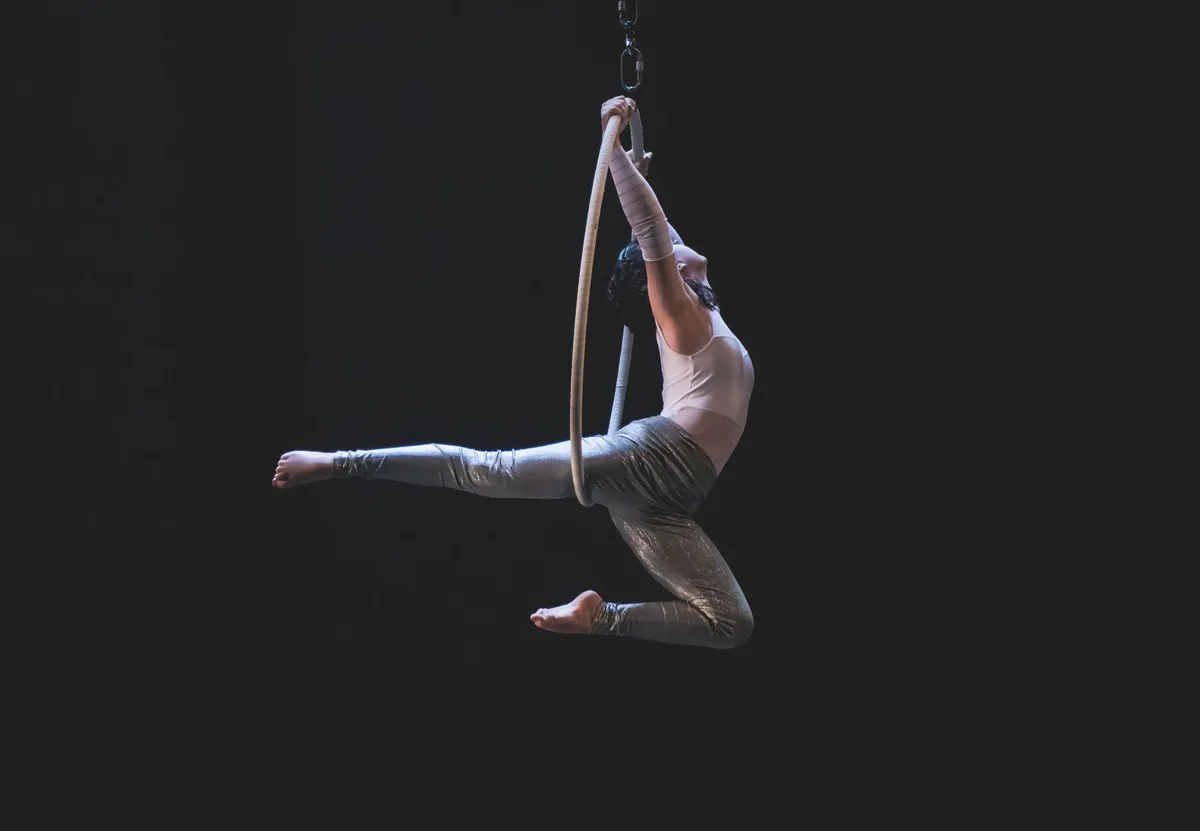
In a shocking turn of events during a recent performance, a Cirque Du Soleil artist suffered a serious fall, prompting an immediate investigation into the safety protocols employed by the world-renowned circus. Such incidents not only raise alarms about the safety of performers but also spotlight the complex world of liability and legal recourse in the entertainment industry. As the legal proceedings unfold, it is crucial to delve into the various aspects of this case, understanding the implications for the artist, the company, and the audience.
Understanding the Incident
The fall occurred during a high-stakes act that, like many Cirque Du Soleil performances, combined acrobatics with theatrical elements. While the precise details of the incident are still under review, initial reports suggest that the performer fell from considerable heights, resulting in significant injuries. Such falls can have life-altering consequences, not only for the individual but also for the production as a whole.
The Legal Landscape of Performer Injuries
When accidents occur in live performances, the legal framework surrounding personal injury claims comes into play. In the United States, performers like those at Cirque Du Soleil may have limited recourse due to the doctrine of assumption of risk. This legal doctrine suggests that by participating in inherently dangerous activities, individuals may be deemed to have accepted the associated risks. However, there are exceptions, particularly concerning negligence and the duty of care that employers owe their employees.
Negligence and Duty of Care
Employers, including entertainment companies, have a legal obligation to provide a safe working environment. This includes ensuring that all safety equipment is up to standard and that performers are adequately trained. If it is determined that Cirque Du Soleil failed in this regard, the company could be held liable for damages resulting from the accident. This could include compensation for medical expenses, lost wages, and pain and suffering, which can amount to significant sums depending on the severity of the injuries.
Impact on Cirque Du Soleil and the Industry
The fallout from this incident could extend beyond legal ramifications. Cirque Du Soleil has built its reputation on cutting-edge performances that push the boundaries of human capability. However, a serious injury could lead to increased scrutiny regarding their safety protocols. This scrutiny could result in:
- Revisions to Safety Standards: The company may need to reassess and enhance their safety measures to prevent future incidents.
- Increased Insurance Costs: As claims may rise, so too could insurance premiums, impacting the overall production budget.
- Public Perception: Audience trust is paramount; any perception of negligence could deter ticket sales and affect future performances.

What Happens Next? The Legal Process
As the legal process begins, several steps will be crucial in determining the outcome. The injured performer may file a lawsuit against Cirque Du Soleil, alleging negligence or breach of duty. The company will respond, and the case may enter discovery, where both parties gather evidence. This might include:
- Witness testimonies from fellow performers and crew members.
- Inspection reports of the performance venue.
- Documentation regarding safety training and protocols.
Key Takeaways
- Incidents like the Cirque Du Soleil fall highlight the importance of safety in live performances.
- The legal doctrines of negligence and assumption of risk play a pivotal role in determining liability.
- The outcome of this case could lead to significant changes in safety protocols across the entertainment industry.
Frequently Asked Questions
What are the potential legal claims a performer can make after an injury?
In cases of injuries sustained during performances, a performer can pursue claims based on negligence, asserting that their employer failed to provide a safe working environment. They can also explore claims regarding workers' compensation, which may provide immediate financial support for medical bills and lost wages, regardless of fault. Additionally, if third parties contributed to the accident, claims against them may also be possible.
How long does a performer have to file a lawsuit after an injury?
The timeframe for filing a lawsuit, known as the statute of limitations, varies by state and the type of claim. Generally, personal injury claims must be filed within a few years of the incident. However, the specific time limits can differ, so it is important for injured parties to consult with a legal professional to understand their rights and options.
What can companies do to improve safety protocols?
Companies like Cirque Du Soleil can enhance safety protocols by conducting regular safety audits, providing comprehensive training for performers and staff, and implementing strict guidelines for equipment maintenance. Involving safety experts to review and update safety measures can further mitigate risks. Additionally, fostering a culture of safety where employees feel empowered to report concerns without fear of reprisal is essential.
What should audiences know about safety during live performances?
While audiences enjoy the thrill of live performances, they should also be aware of the inherent risks involved. Understanding that safety protocols are in place can provide some reassurance. However, it is also vital for audience members to recognize that accidents can occur, and they should be mindful of their surroundings during shows, particularly in high-energy performances where the risk of falls and other injuries exists.
Disclaimer: This content is general information, not legal advice.
Comments
Historic $81 Million Verdict in Utah Pedestrian Wrongful Death Case
A Utah jury awarded $81 million to the family of 11-year-old Michael Madsen after a retrial found negligence against a truck driver and their employer in a tragic pedestrian death. This landmark verdict emphasizes the importance of accountability for reckless driving and aims to enhance safety standards in the state.
Related articles



Popular in Personal Injury
- Hawaii Supreme Court Overturns 36-Year-Old Rape Conviction Due to Forensic Flaws
- The Impact of Pro Bono Work by BigLaw Firms in 2025
- Albertsons Faces Trial Over Role in Washington's Opioid Crisis
- The Hidden Dangers of Open Manholes in New York City
- Historic $81 Million Verdict in Utah Pedestrian Wrongful Death Case