Lawsuit Filed After Tragic Death of Ukrainian Woman on Charlotte Light Rail
The family of Iryna Zarutska has initiated a wrongful death lawsuit against the city of Charlotte, claiming negligence in her fatal stabbing on the light rail. This case underscores significant issues regarding public transportation safety and the responsibility of city authorities.

The tragic death of Iryna Zarutska, a 23-year-old Ukrainian refugee, has ignited a wrongful death lawsuit against the city of Charlotte. Zarutska was brutally murdered while riding the Lynx Blue Line light rail in August 2025, an incident that has drawn national media attention and raised urgent questions about public safety measures in urban transit systems. The estate of Zarutska, represented by her uncle Frank Scott Haskell, argues that the city and its security vendor, Professional Police Services Inc., failed to take necessary precautions to protect passengers, ultimately contributing to her untimely death.
As the lawsuit unfolds, it brings to light not only the specifics of the tragic event but also the broader implications concerning safety protocols within public transportation systems across the United States. The allegations point to a critical failure in both the city’s operational decisions and its oversight of security personnel, raising alarms about the vulnerabilities faced by commuters in urban settings.
The Incident: A Gruesome Crime on Public Transit
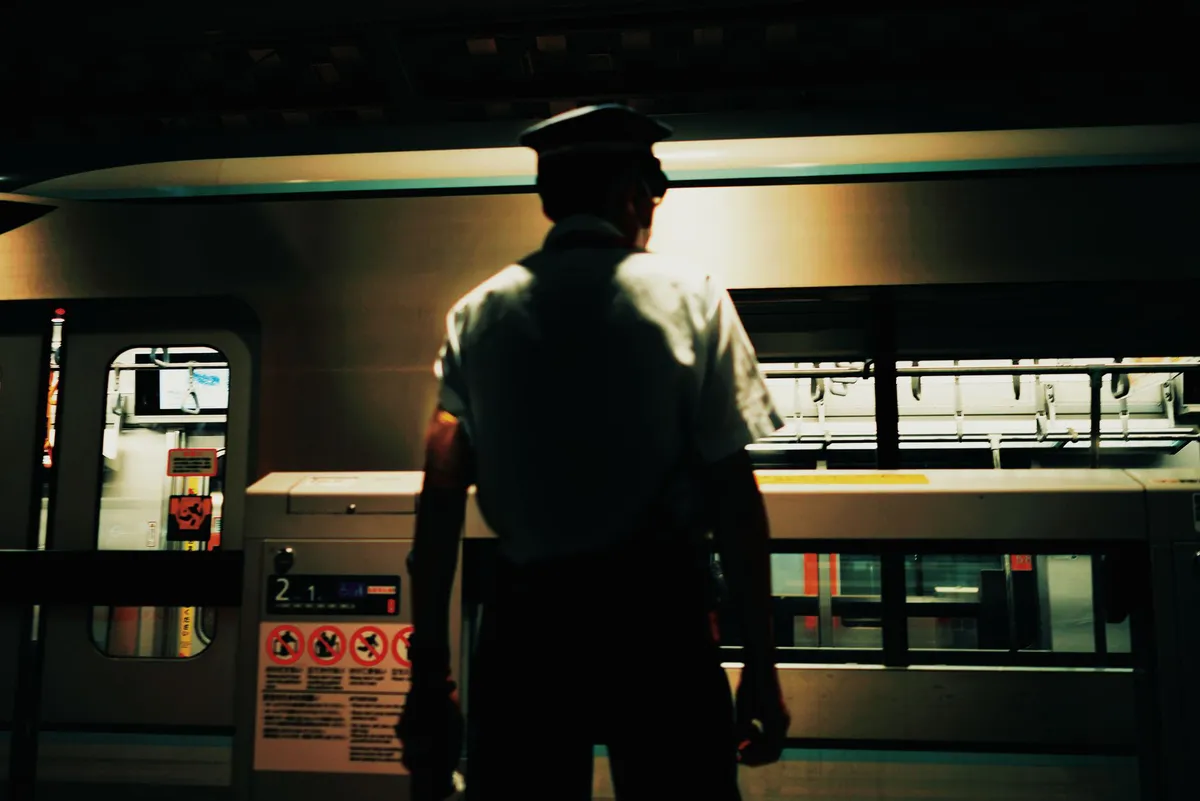
The incident occurred on the evening of August 22, 2025, when Zarutska was riding the Lynx Blue Line, a service that is supposed to provide safe and reliable transport for Charlotte residents and visitors. The tragedy became particularly newsworthy when CCTV footage of the stabbing was released, shocking the community and amplifying calls for accountability.
According to the lawsuit, Zarutska was a fare-paying passenger who had fled the Russo-Ukrainian war and was hopeful about her future in America. Her family described her as a vibrant young woman studying art and aspiring to work with animals. The lawsuit claims negligence on the part of both the city and Professional Police Services, stating that they failed to implement adequate safety measures, including:
- Effective fare enforcement
- Physical barriers to prevent unauthorized access
- Sufficient staffing of security personnel
- Proactive monitoring of known dangerous areas
- Warning passengers of potential threats
Haskell asserts that the city was aware of a troubling pattern of violent crime along the Blue Line, citing reports of multiple homicides and various assaults leading up to Zarutska’s death. Despite this knowledge, the city reduced its armed security staff from 68 to as few as 39, significantly impairing its ability to ensure passenger safety.
Allegations of Negligence and Inadequate Response
The crux of the lawsuit hinges on the assertion that the city owed Zarutska a “highest degree of care” as a passenger. Haskell’s complaint outlines that Charlotte failed to verify the staffing levels of Professional Police Services after transferring security duties to the company. This negligence left the transit system severely understaffed during peak hours and at high-risk locations.
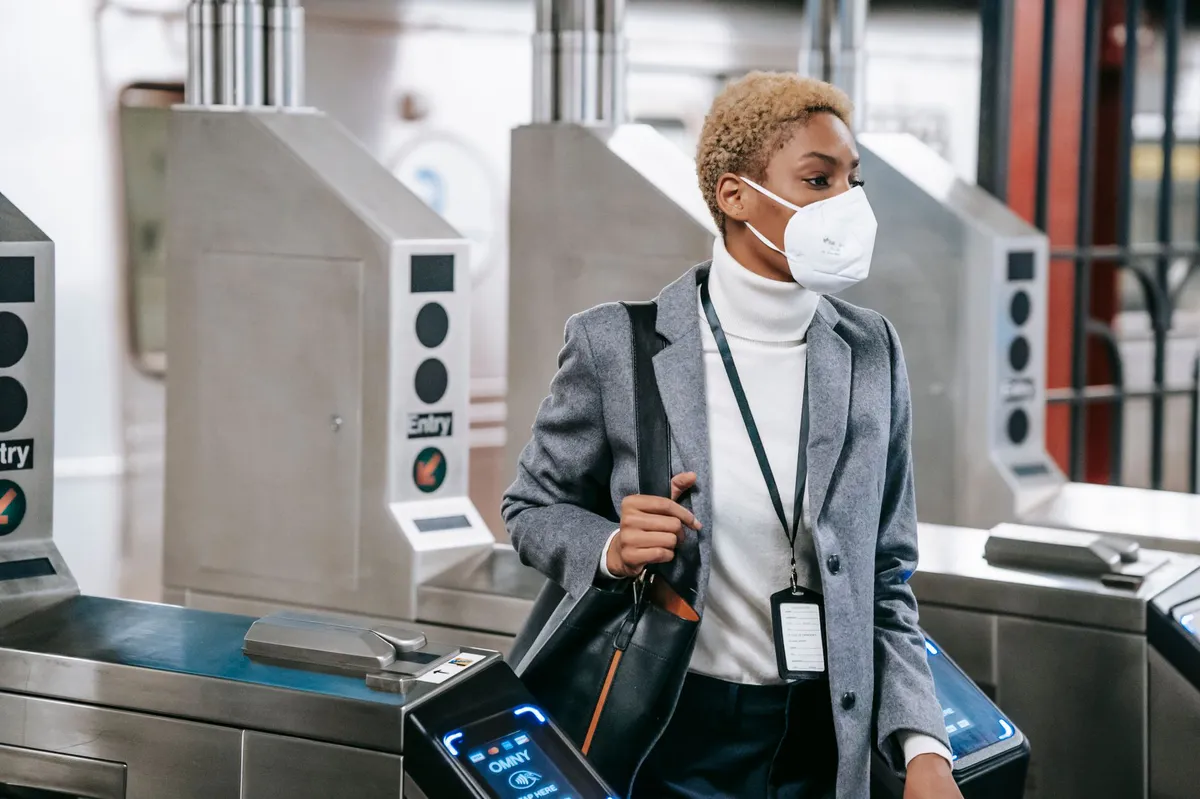
Moreover, the city’s lack of fare enforcement has been highlighted as a significant oversight. A state auditor's report revealed that fare enforcement had declined, indicating that the transit system did not prioritize fare collection or the installation of barriers like turnstiles that could have prevented unauthorized entry. The alleged assailant, Decarlos Dejuan Brown Jr., was reportedly riding the train without a valid ticket at the time of the attack.
Haskell emphasizes that had adequate physical barriers been in place at the light rail stations, Brown would have been denied access and, consequently, Zarutska’s death could have been prevented. The ramifications of this negligence are profound, questioning the city’s commitment to passenger safety and its responsiveness to previous incidents of violence.
The Suspect: A History of Violence and Mental Health Issues
Decarlos Dejuan Brown Jr., the accused assailant, faces serious charges including first-degree murder and a federal charge related to his actions on a mass transportation system. His criminal history raises alarm bells about the systemic failures in addressing mental health needs and public safety. After being released from prison in 2020, Brown reportedly ceased taking medication for schizophrenia, leading to a downward spiral into homelessness and further criminal behavior.
His family has acknowledged a history of mental health issues, claiming that attempts were made to secure him treatment, but his releases from mental health facilities were short-lived. The broader implications of this case extend into how society manages individuals with serious mental health challenges, particularly those who pose a risk to public safety.
Community and Legislative Reactions
The murder of Iryna Zarutska has sparked outrage within the community and has drawn the attention of lawmakers. The White House condemned the violence, labeling it a “shocking act of evil,” and criticized the legal system for failing to protect the public by allowing Brown’s release. In response to the public outcry, North Carolina lawmakers moved swiftly, tightening pretrial release standards for violent offenders and enhancing prosecutorial resources.
This tragic event underscores the urgent need for cities to reevaluate their public safety strategies, particularly in transit systems. The lawsuit filed by Zarutska’s family serves as a reminder of the responsibilities cities hold in ensuring the safety of their citizens and the potential consequences of neglecting those duties.
Key Takeaways
- Ongoing Lawsuit: The estate of Iryna Zarutska has filed a wrongful death lawsuit against Charlotte, citing negligence in her murder.
- Public Safety Concerns: The case highlights significant safety vulnerabilities in public transit systems.
- Legislative Changes: Following the incident, North Carolina legislators have tightened pretrial release standards for violent offenders.
- Mental Health Issues: The suspect’s history of mental illness raises questions about societal responsibilities in managing such cases.
- Community Response: The incident has sparked widespread outrage and calls for improved safety measures in public transport.
Frequently Asked Questions
What led to the wrongful death lawsuit against the city of Charlotte?
The wrongful death lawsuit was filed following the murder of Iryna Zarutska on the Lynx Blue Line light rail. Her family claims that the city and its security vendor failed to implement adequate safety measures, despite being aware of a pattern of violence along the transit line. This negligence is seen as a direct contributing factor to Zarutska's death.
What specific allegations are made against the city and Professional Police Services?
The lawsuit alleges that both the city of Charlotte and Professional Police Services were negligent in their duty to protect passengers. Key allegations include insufficient security personnel, lack of effective fare enforcement, and inadequate monitoring of known dangerous areas. The complaint argues that these failures led to Zarutska being exposed to a preventable situation.
How has the community reacted to Zarutska’s death?
The community has expressed outrage over the tragic incident, prompting calls for improved safety measures in public transportation. The White House and state lawmakers have also weighed in, with legislative changes being proposed to enhance public safety and tighten pretrial release standards for violent offenders to prevent similar tragedies in the future.
What are the next steps in the legal process for the suspect, Decarlos Brown Jr.?
Decarlos Brown Jr. faces serious charges, including first-degree murder. However, a psychologist has determined that he currently lacks the competency to understand his legal situation, which means he may undergo further evaluations to assess whether he is fit to stand trial. If found incompetent, he could remain hospitalized or held in a secure facility until he is deemed capable of participating in his trial.
*This article is for informational purposes only and does not constitute legal advice.*Comments
Historic $81 Million Verdict in Utah Pedestrian Wrongful Death Case
A Utah jury awarded $81 million to the family of 11-year-old Michael Madsen after a retrial found negligence against a truck driver and their employer in a tragic pedestrian death. This landmark verdict emphasizes the importance of accountability for reckless driving and aims to enhance safety standards in the state.

Related articles




Popular in Personal Injury
- Hawaii Supreme Court Overturns 36-Year-Old Rape Conviction Due to Forensic Flaws
- The Impact of Pro Bono Work by BigLaw Firms in 2025
- Albertsons Faces Trial Over Role in Washington's Opioid Crisis
- The Hidden Dangers of Open Manholes in New York City
- Historic $81 Million Verdict in Utah Pedestrian Wrongful Death Case