TikTok Settles Federal Lawsuit Over Child Safety for $400 Million
TikTok's parent company ByteDance has settled a federal lawsuit regarding child safety with a $400 million payment. This settlement underscores the platform's responsibility to protect young users online.

The digital landscape has become a complex battleground for ensuring the safety of children online, and recent developments involving TikTok, the popular social media platform, highlight this ongoing struggle. ByteDance, TikTok's parent company, has reached a significant $400 million settlement with the U.S. Department of Justice (DOJ) concerning violations of the Children’s Online Privacy Protection Act (COPPA). This federal law is designed to protect the personal information of children under the age of 13, requiring parental consent for data collection and user account creation.
This landmark settlement not only represents a substantial financial penalty for ByteDance but also serves as a wake-up call for tech companies worldwide regarding their obligations to safeguard minors on their platforms. The DOJ's scrutiny of TikTok's practices sheds light on broader issues of privacy, accountability, and the ethical responsibilities of social media companies in a rapidly evolving digital environment.

Understanding the Legal Framework: COPPA and Its Implications
Enacted in 1998, COPPA is a federal law that mandates stringent requirements for websites and online services directed toward children. It aims to protect children's privacy by regulating the collection of personal information from users under 13 years of age. Key provisions of COPPA include:
- Parental Consent: Websites must obtain verifiable parental consent before collecting personal data from children.
- Data Minimization: Companies can only collect data that is necessary for their services.
- Rights to Deletion: Parents have the right to request the deletion of their child's personal information.
Violating COPPA can result in significant legal repercussions, including hefty fines and mandated changes in business practices. The TikTok case is especially notable because it highlights the challenges of enforcing these protections in a digital age where children can easily bypass age restrictions.
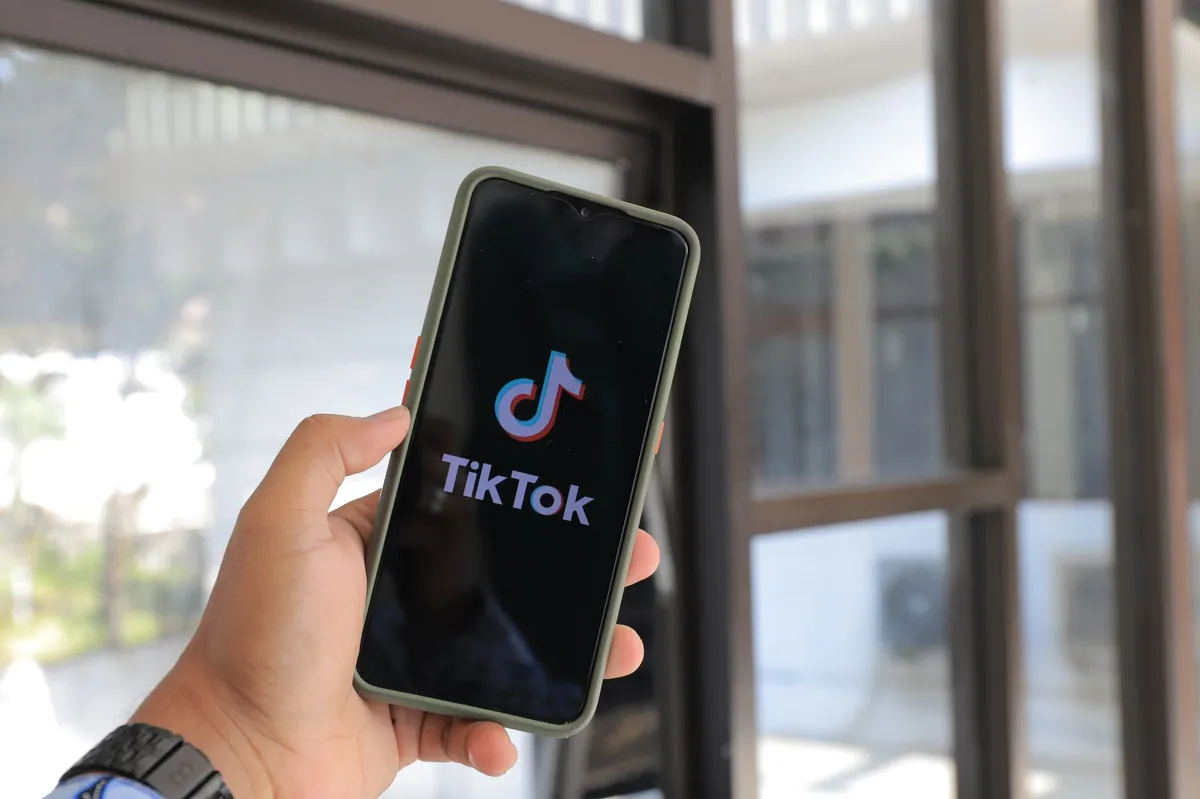
The Charges Against TikTok: A Closer Look
The DOJ's complaint against TikTok outlined several serious allegations. It accused the company of knowingly permitting children under 13 to create accounts without parental consent. This situation arose despite TikTok’s introduction of a dedicated “Kids Mode,” designed to protect younger users. However, the platform’s mechanisms for verifying ages were deemed insufficient, as children could easily circumvent restrictions by entering false birthdates or linking accounts from other platforms like Instagram and Google.
The DOJ's filing stated, “For years, defendants have knowingly allowed children under 13 to create and use TikTok accounts without their parents’ knowledge or consent, have collected extensive data from those children and have failed to comply with parents’ requests to delete their children’s accounts and personal information.” This assertion stresses the need for rigorous compliance and accountability measures within tech companies.
Settlement Details and Company Changes
The settlement announced by the DOJ consists of an immediate payment of $300 million, with an additional $100 million owed contingent upon the resolution of a previous legal agreement involving TikTok's predecessor, Musical.ly. This separate matter is currently scheduled for a hearing on September 21, adding another layer to TikTok’s ongoing legal challenges.
In conjunction with the financial settlement, the DOJ emphasized that TikTok has implemented significant changes to its ownership structure, management, compliance functions, and privacy practices to ensure better alignment with COPPA. This restructuring is part of a broader effort to address concerns raised by U.S. lawmakers regarding national security and data privacy. The DOJ noted, “In order to continue operating in the United States, defendants’ successors, TikTok Ltd. and TikTok Inc., had to be divested of foreign control.”
Broader Implications for Online Platforms
The TikTok settlement is a critical moment not just for the company, but for the tech industry as a whole. As social media platforms increasingly cater to younger audiences, they face heightened scrutiny regarding their handling of user data. The implications of this case extend beyond just financial penalties; they emphasize the responsibility that tech companies have in safeguarding the privacy of their youngest users. This settlement may set a precedent for future regulatory actions against companies that fail to comply with child protection laws.
As online privacy issues continue to evolve, companies are likely to experience increased pressure from regulators and parents alike to adopt stricter data protection measures. This could lead to a ripple effect across the industry, prompting firms to reassess their practices and ensure compliance with existing laws.
Key Takeaways
- The $400 million settlement underscores TikTok's legal obligations to protect child users.
- Violations of COPPA can lead to significant penalties and changes in business operations.
- The restructuring of TikTok's operations may influence how other tech companies manage compliance.
- The case highlights ongoing concerns about data privacy and security in the digital age.
Frequently Asked Questions
What is COPPA, and why is it important?
The Children’s Online Privacy Protection Act (COPPA) is a federal law aimed at protecting the privacy of children under 13 by regulating how their personal information is collected online. It is crucial because it establishes guidelines that ensure children’s data is handled responsibly, requiring parental consent for data collection and providing parents with rights to manage their children’s online presence.
What does the TikTok settlement mean for users?
The settlement signifies a commitment by TikTok to enhance its privacy practices and compliance with child protection laws. For users, especially parents, this means that the platform is taking steps to better secure their children's personal information and ensure that minors cannot easily access adult content or create accounts without consent.
How can parents protect their children online?
Parents can take several proactive steps to safeguard their children’s online experience, including monitoring their online activities, using parental control software, and educating their children about online safety. Additionally, engaging in conversations about the importance of privacy and the risks of sharing personal information can empower children to make safer choices online.
What other companies have faced similar legal issues?
Many tech companies have encountered legal challenges related to child safety and data privacy. For instance, platforms like Facebook and Snapchat have faced scrutiny over their practices concerning minors. These cases reflect a growing concern among regulators about how well companies enforce age restrictions and protect the data of younger users.
In conclusion, the TikTok settlement is a pivotal moment for child safety in the digital realm, serving as a reminder of the responsibilities that tech companies hold in protecting their most vulnerable users.
This article is for informational purposes only and should not be considered legal advice.
Comments
Historic $81 Million Verdict in Utah Pedestrian Wrongful Death Case
A Utah jury awarded $81 million to the family of 11-year-old Michael Madsen after a retrial found negligence against a truck driver and their employer in a tragic pedestrian death. This landmark verdict emphasizes the importance of accountability for reckless driving and aims to enhance safety standards in the state.
Related articles




Popular in Personal Injury
- Hawaii Supreme Court Overturns 36-Year-Old Rape Conviction Due to Forensic Flaws
- The Impact of Pro Bono Work by BigLaw Firms in 2025
- Albertsons Faces Trial Over Role in Washington's Opioid Crisis
- The Hidden Dangers of Open Manholes in New York City
- Historic $81 Million Verdict in Utah Pedestrian Wrongful Death Case