Lawsuit Against Border Wall Construction in Big Bend National Park
A new lawsuit aims to halt border wall construction in Texas's Big Bend National Park, claiming irreversible damage to archaeological sites and cultural resources.
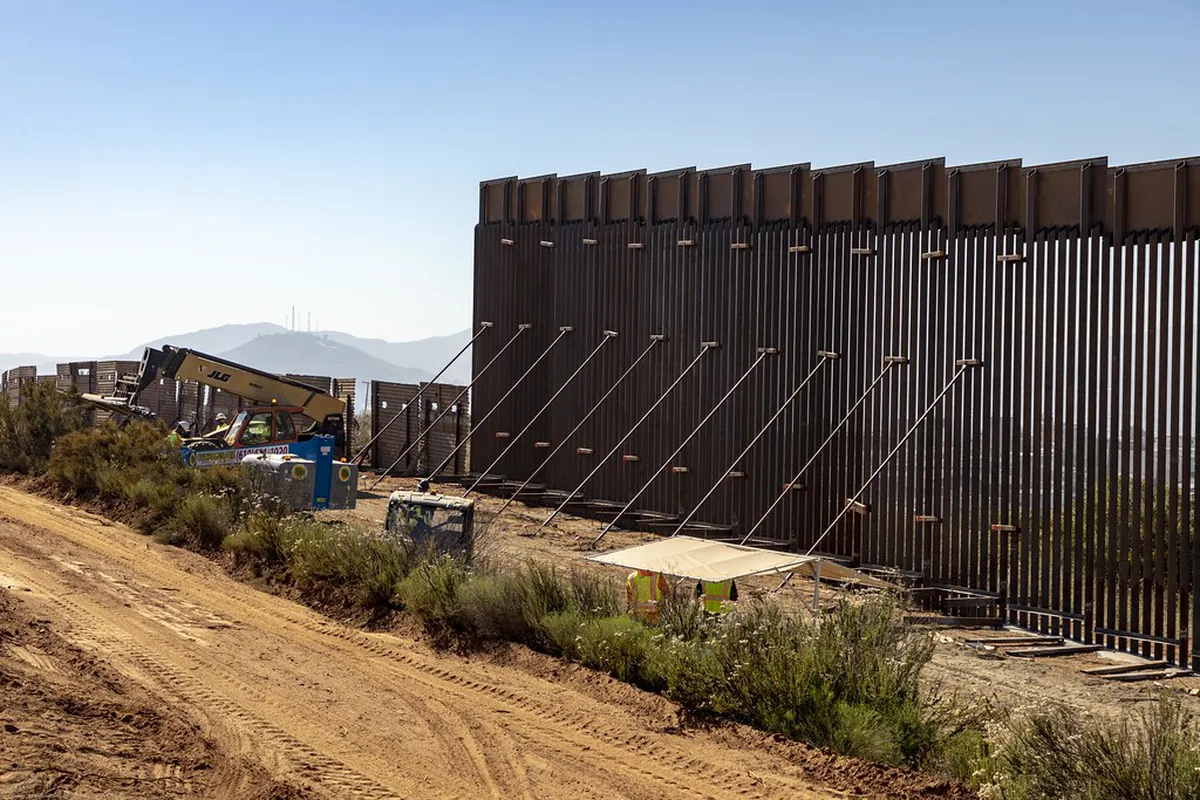
The construction of a border wall within Texas’s Big Bend National Park has ignited a significant legal battle, pitting a coalition of local activists, businesses, and indigenous advocates against federal authorities. The lawsuit, filed in a federal court in San Antonio, asserts that the ongoing construction will irreparably damage archaeological sites and cultural landscapes that are vital to the heritage of local indigenous communities, particularly the Lipan Apache. This legal action raises profound questions about environmental conservation, cultural preservation, and the broader implications of border security measures.
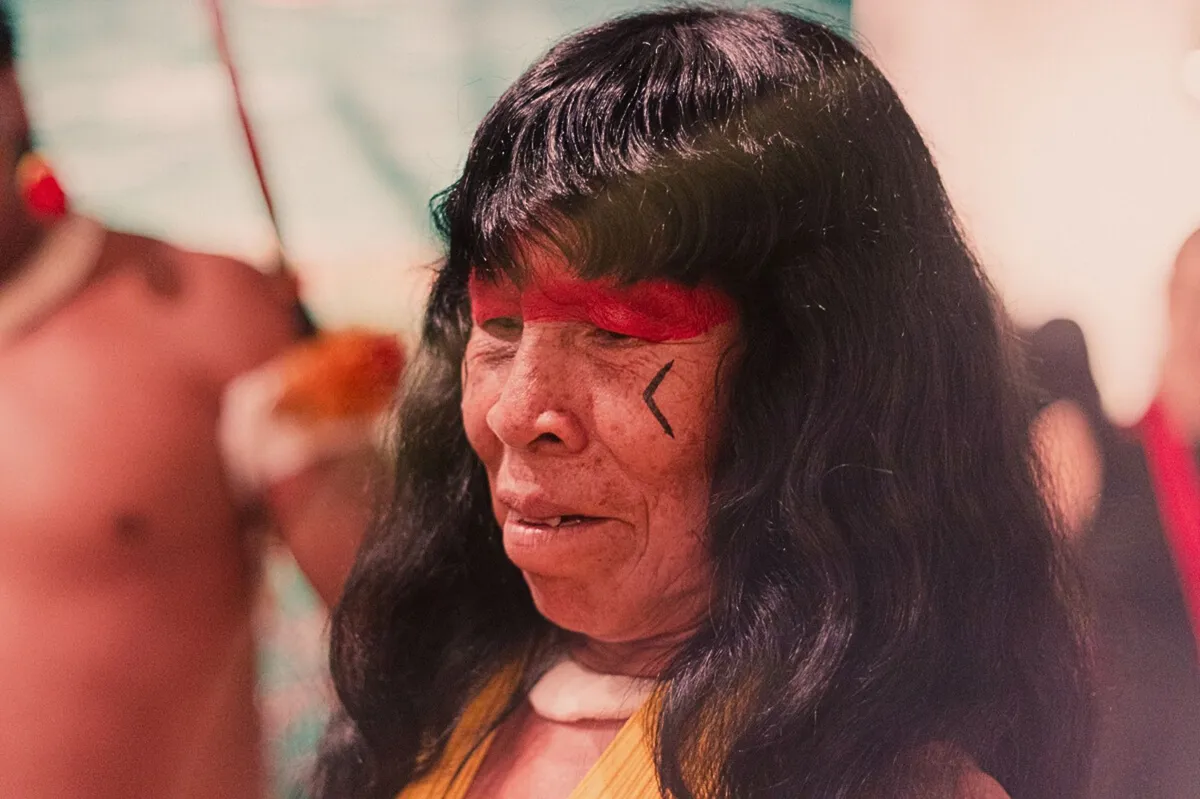
At the heart of the lawsuit is the argument that the construction violates the essential rights of communities whose ancestors have inhabited this land for generations. Christina Hernandez, founder and director of the People of La Junta for Preservation, emphasized the urgency of the situation. She stated, “We are fighting the wall in court because our ancestors did not survive on this land for thousands of years for us to stand by and wait for someone else to come and save it.” The lawsuit reflects a growing sentiment among communities that feel their historical and cultural legacies are under threat due to federal policies.
Legal Context of the Border Wall Construction
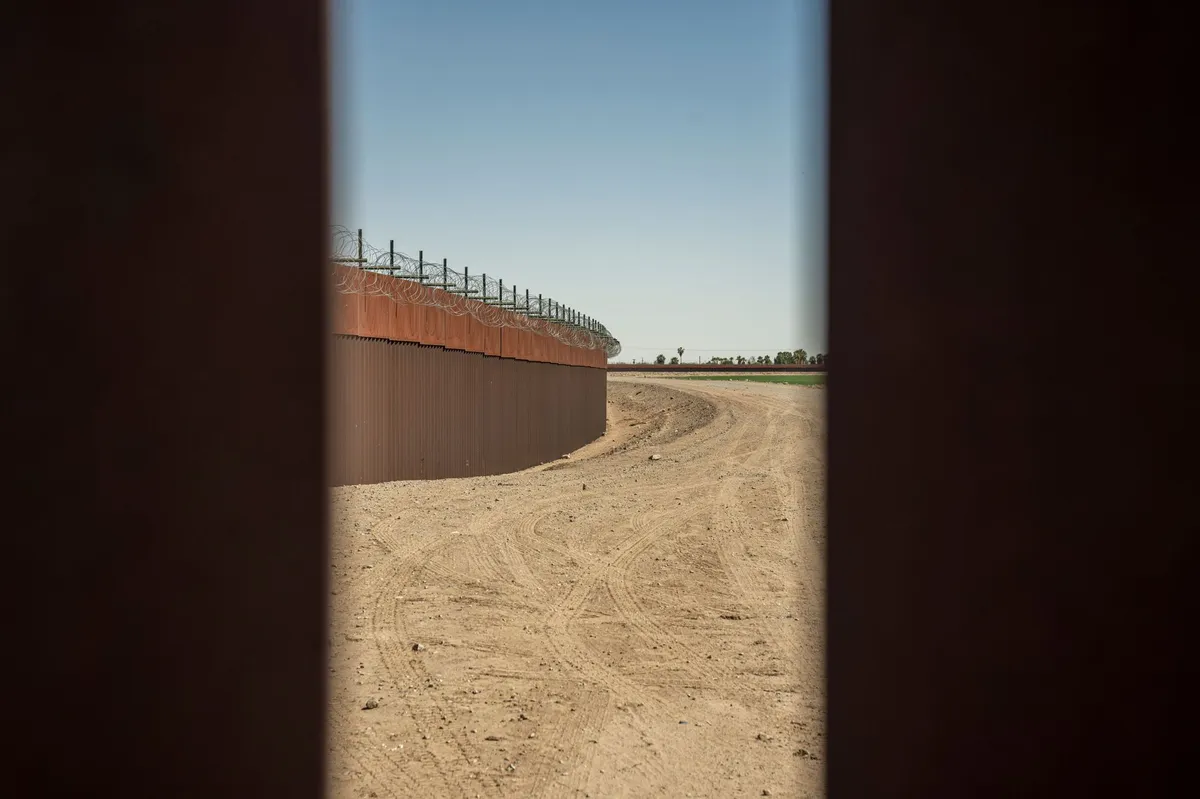
The lawsuit challenges a June 9 order from Department of Homeland Security (DHS) Secretary Markwayne Mullin, which waived federal and state requirements for constructing a 62-mile stretch of wall along the U.S.-Mexico border. This order is perceived as a move that bypasses established regulations designed to protect national parks and their cultural resources. By circumventing these protections, the lawsuit argues that the government is neglecting its duty under the National Park Service and the Department of the Interior to preserve natural and cultural resources.
Legal Framework
Under U.S. law, the National Historic Preservation Act mandates federal agencies to consider the effects of their actions on historic properties. The Big Bend area, rich in archaeological and cultural significance, is home to numerous sites that are essential for understanding the history and culture of indigenous peoples. The plaintiffs in this case are seeking not only to halt construction but also to affirm the necessity of adhering to these legal protections.
Stakeholders in the Lawsuit
The coalition behind the lawsuit includes the People of La Junta for Preservation, Far Flung Outdoor Center, and several individuals who claim that the park is integral to their religious beliefs and cultural practices. This diverse group underscores the deep connections that local communities have with the land, which go beyond recreational use to encompass spiritual and historical ties.
- People of La Junta for Preservation: A non-profit organization tied to the Lipan Apache community.
- Far Flung Outdoor Center: A Terlingua-based business offering outdoor recreational services that depend on the integrity of the park.
- Local individuals: Residents who assert that their cultural and religious practices are connected to the land.
Political and Community Reactions
The lawsuit has garnered attention not only from local residents but also from state officials. Texas State Senator Roland Gutierrez has voiced strong opposition to the construction, characterizing it as an assault on both the land and the rights of its inhabitants. He stated, “The Trump administration wants DHS to bulldozer over the law just as badly as they have bulldozed America.” Gutierrez’s comments reflect a broader frustration among those who believe that the current administration is prioritizing political agendas over community welfare and environmental conservation.
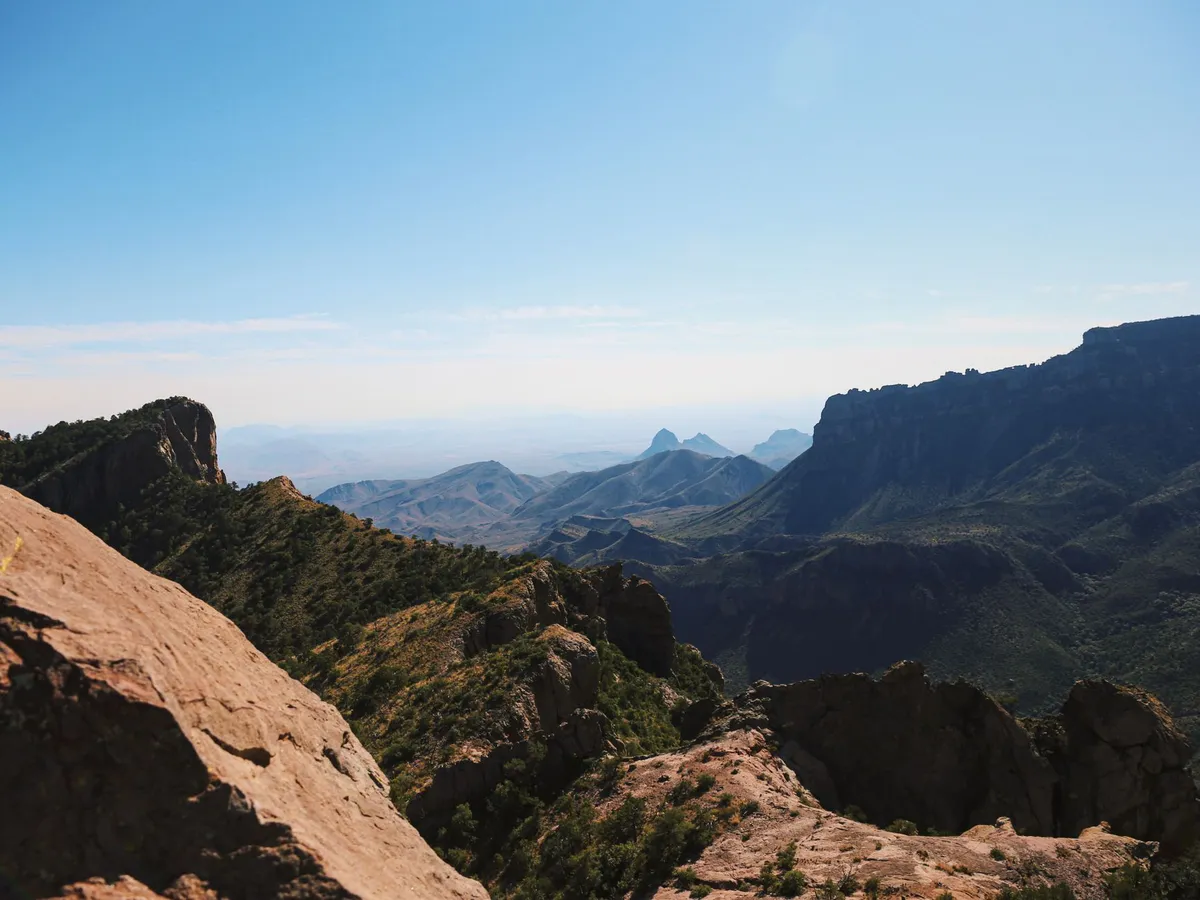
Critics of the wall project, including former state Land Commissioner Jerry Patterson, have expressed skepticism about the practicality of the border wall in the rugged terrain of Big Bend. Patterson described the decision to construct a wall in this area as “the greatest folly” he has witnessed, noting that much of the region’s geography makes it an ineffective location for such a barrier. He pointed out that the Big Bend sector accounts for only 1.3% of all encounters with undocumented immigrants along the nearly 2,000-mile U.S.-Mexico border, questioning the rationale for building a wall where it is not needed.
Broader Implications of the Lawsuit
This legal battle is not just about a wall; it reflects a larger struggle over land rights, cultural heritage, and environmental stewardship in the United States. The outcome of this lawsuit could set a precedent for how federal authorities engage with local communities and how they prioritize cultural and environmental protections when implementing border security measures.
Moreover, it highlights the complexities of balancing national security objectives with the preservation of cultural heritage. As communities become increasingly vocal about their rights and the need for environmental protection, the federal government may be forced to reconsider its approach to border security in ecologically and culturally sensitive areas.
Key Takeaways
- The lawsuit aims to halt border wall construction in Big Bend National Park, claiming it threatens archaeological and cultural sites.
- Key plaintiffs include local indigenous groups and businesses reliant on the park's integrity.
- The legal action questions the federal government's adherence to laws protecting cultural resources.
- Critics argue the wall is impractical and unnecessary given local geography and immigrant crossing data.
- The outcome could impact future border policy and community rights across the U.S.
Frequently Asked Questions
What is the main argument of the lawsuit against the border wall?
The primary argument of the lawsuit is that the construction of the border wall will cause irreparable harm to archaeological sites and cultural landscapes within Big Bend National Park. The plaintiffs contend that federal actions, including waiving legal protections, violate the rights of indigenous communities and overlook the statutory obligations of federal agencies to protect these resources.
Who are the plaintiffs in this case?
The plaintiffs include the People of La Junta for Preservation, a non-profit organization representing the Lipan Apache community, and Far Flung Outdoor Center, a business that offers outdoor recreation services in the Big Bend area. Additionally, several individuals have joined the lawsuit, asserting that the park is crucial to their cultural and religious practices.
What are the broader implications of this legal battle?
The lawsuit has significant implications for how federal authorities engage with local communities regarding land use and cultural heritage. It challenges the prioritization of border security over environmental and cultural preservation and could set a precedent for future legal actions involving similar issues across the United States.
How has the community reacted to the border wall project?
The community has largely expressed opposition to the border wall project, with local officials and residents voicing concerns about its practicality and ecological impact. Many community members, including politicians and indigenous leaders, have argued that the wall is unnecessary and that it undermines the cultural significance of the land.
Comments
Michigan Court Reverses Death Sentence for Dog After Bite Incident
In a landmark decision, a Michigan court has overturned the death sentence for a bulldog that bit a house guest, raising questions about pet liability and animal rights. This ruling has significant implications for dog owners and personal injury law.

Related articles

Popular in Personal Injury
- Hawaii Supreme Court Overturns 36-Year-Old Rape Conviction Due to Forensic Flaws
- The Impact of Pro Bono Work by BigLaw Firms in 2025
- Albertsons Faces Trial Over Role in Washington's Opioid Crisis
- The Hidden Dangers of Open Manholes in New York City
- Historic $81 Million Verdict in Utah Pedestrian Wrongful Death Case