Federal Court Dismisses Antisemitism Lawsuit Against Harvard University
A federal judge dismissed the Trump administration's lawsuit against Harvard, citing insufficient evidence of ongoing discrimination against Jewish students. The ruling highlights the complexities of legal claims related to civil rights in educational institutions.
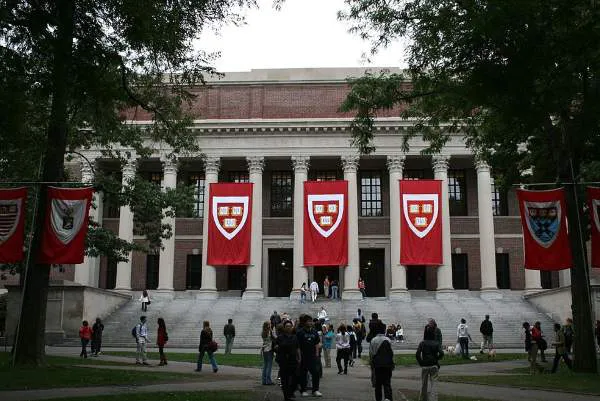
In a significant legal decision, a federal court has dismissed a lawsuit brought by the Trump administration against Harvard University, which accused the institution of failing to protect Jewish students and staff from antisemitism. The ruling, delivered by U.S. District Judge Richard G. Stearns, reflects the ongoing tensions surrounding civil rights and discrimination within educational institutions, particularly in light of recent geopolitical events. The court's findings underscore the legal complexities involved in proving systemic discrimination, especially in the context of episodic incidents that may not demonstrate a broader pattern of institutional failure.
The lawsuit stemmed from allegations that Harvard had not adequately shielded its Jewish community from harassment during pro-Palestinian demonstrations that erupted following the October 7, 2023, attacks by Hamas on Israel. The Trump administration claimed that these protests led to hostile encounters for Jewish students, including harassment and physical assaults. However, Judge Stearns concluded that the incidents cited were too isolated and episodic to substantiate a claim of ongoing violations of Title VI, which prohibits discrimination on the basis of race, color, or national origin in programs receiving federal financial assistance.
Understanding Title VI and Its Implications
Title VI of the Civil Rights Act of 1964 is a crucial piece of legislation that aims to ensure equality and protect individuals from discrimination in federally funded programs. For institutions like Harvard, compliance with Title VI is vital not only for legal reasons but also for maintaining a diverse and inclusive environment. The dismissal of the lawsuit highlights the challenges faced by plaintiffs in proving that systemic issues exist within educational frameworks.
The Burden of Proof
In civil rights cases, the burden of proof rests on the plaintiff to demonstrate that discrimination is not just a series of isolated incidents but rather indicative of a larger, pervasive issue. In this case, Judge Stearns noted that the claims presented by the Trump administration did not convincingly establish that Harvard engaged in institutionalized discrimination against Jewish students. The judge remarked, "Without diminishing any concern arising from these occurrences, the court finds them, singly and collectively, to be too isolated and episodic to support a plausible inference that any institutionalized noncompliance with Title VI persist at Harvard to this day." This statement reveals the high threshold plaintiffs must meet in similar cases.
Context of the Allegations
The allegations came in the wake of heightened tensions related to the Israel-Palestine conflict, with protests on college campuses becoming increasingly common and often contentious. The Trump administration's lawsuit specifically pointed to incidents of harassment that Jewish students faced during these demonstrations. However, the university contended that it had taken proactive steps to address antisemitism on campus, including the establishment of a task force aimed at combatting discrimination and fostering an inclusive environment.
Harvard's Response
In response to the lawsuit, Harvard emphasized its commitment to the safety and well-being of its Jewish community. University President Alan M. Garber stated that the institution “cares deeply about members of our Jewish and Israeli community and remains committed to ensuring they are embraced, respected, and can thrive on our campus.” This assertion speaks to the broader responsibility educational institutions have in navigating the complexities of free speech, protest, and the protection of vulnerable populations within their communities.
The Legal Landscape Moving Forward
In the wake of the dismissal, the Trump administration indicated plans to appeal the ruling. Harmeet Dhillon, the assistant attorney general for civil rights at the Department of Justice, expressed disagreement with the court's decision, stating, “We disagree with the ruling and are assessing next steps.” The potential for an appeal signifies that the conversation surrounding antisemitism, discrimination, and institutional responsibility is far from over. This case could set a precedent for how similar lawsuits are approached in the future, particularly in educational contexts.
Implications for Future Cases
The dismissal serves as a reminder of the stringent evidentiary standards required in civil rights litigation. Plaintiffs must be prepared to present compelling evidence that not only shows individual instances of discrimination but also demonstrates a broader, systemic problem within the institution. As universities continue to grapple with incidents of discrimination, the outcomes of such cases will be closely monitored, influencing future policy and legal strategies.
Key Takeaways
- A federal judge dismissed the Trump administration's lawsuit against Harvard for insufficient evidence of ongoing antisemitism.
- Title VI requires proof of systemic discrimination, making it difficult for plaintiffs to win such cases.
- Harvard has taken measures to address antisemitism, including the formation of a task force.
- The Trump administration plans to appeal the ruling, indicating ongoing legal contention.
- The case highlights the challenges educational institutions face in balancing free speech with protecting students from harassment.
Frequently Asked Questions
What does Title VI protect against?
Title VI of the Civil Rights Act of 1964 prohibits discrimination on the basis of race, color, or national origin in any program or activity receiving federal financial assistance. This means that educational institutions, like Harvard, must ensure that all students have equal access to their programs without facing discrimination or harassment based on these characteristics.
What are the challenges in proving discrimination cases in court?
Proving discrimination in court can be particularly challenging due to the burden of proof placed on the plaintiff. They must demonstrate that alleged discriminatory actions are not isolated incidents, but rather part of a larger pattern of systemic discrimination. This often requires comprehensive evidence and careful legal strategy, making it difficult for individuals or groups to secure favorable outcomes.
How do educational institutions typically respond to allegations of discrimination?
When faced with allegations of discrimination, educational institutions often take proactive measures to address the concerns raised. This can include forming task forces, implementing training programs, and creating policies aimed at fostering inclusivity and protecting vulnerable populations. Institutions strive to balance their responsibilities under the law while maintaining an environment conducive to free expression and debate.
What could the potential appeal mean for future cases?
A successful appeal could alter the legal landscape regarding how universities handle allegations of discrimination. If the appellate court were to find in favor of the Trump administration, it might set a precedent for more stringent scrutiny of universities' responses to discrimination claims, affecting not only Harvard but also other educational institutions across the country.

Comments
Michigan Court Reverses Death Sentence for Dog After Bite Incident
In a landmark decision, a Michigan court has overturned the death sentence for a bulldog that bit a house guest, raising questions about pet liability and animal rights. This ruling has significant implications for dog owners and personal injury law.
Related articles



Popular in Personal Injury
- Hawaii Supreme Court Overturns 36-Year-Old Rape Conviction Due to Forensic Flaws
- The Impact of Pro Bono Work by BigLaw Firms in 2025
- Albertsons Faces Trial Over Role in Washington's Opioid Crisis
- The Hidden Dangers of Open Manholes in New York City
- Historic $81 Million Verdict in Utah Pedestrian Wrongful Death Case