Tragic Toll of Indiana Flooding: Six Lives Lost and Community Resilience Tested
Recent storms in Indiana have resulted in significant flooding, claiming at least six lives and causing widespread devastation. As communities begin to recover, the focus shifts to resilience and rebuilding efforts.
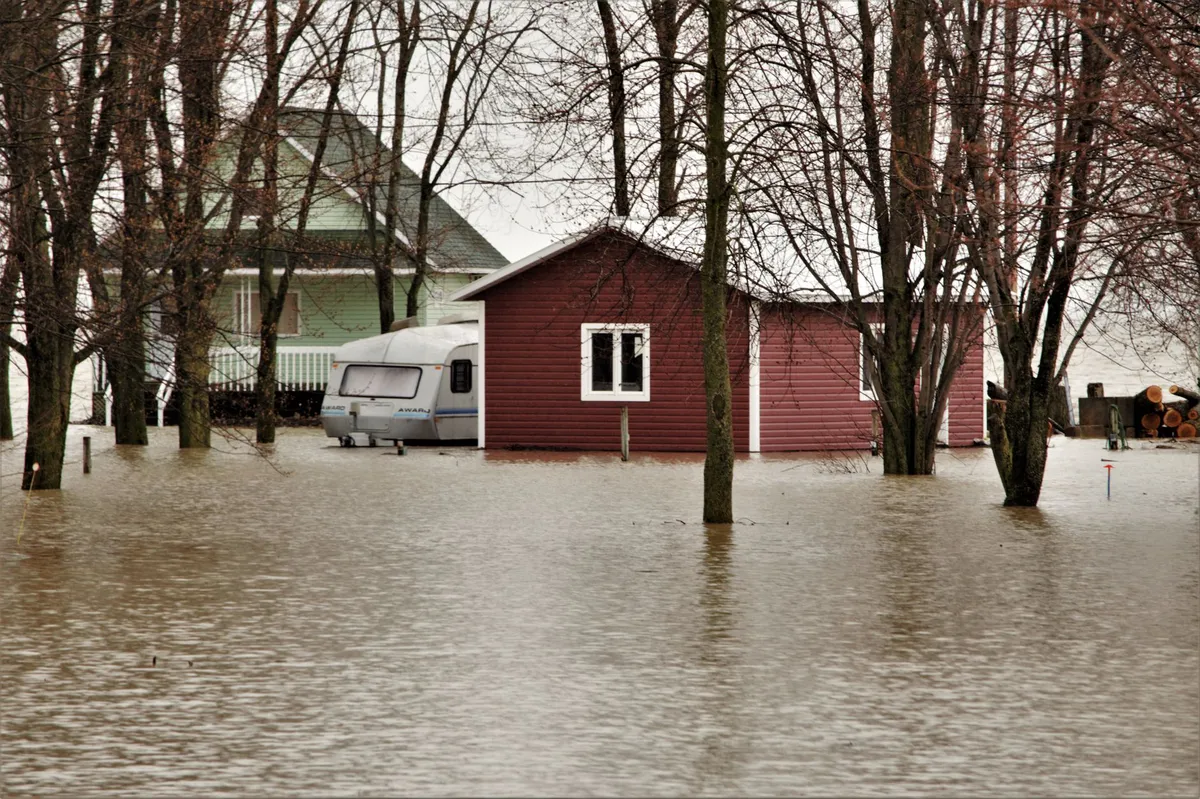
The recent deluge of storms that swept across Indiana has left a profound mark on its communities, resulting in at least six tragic fatalities. As floodwaters reached alarming levels, particularly in Indianapolis’ White River, residents grappled with the aftermath of nature’s fury. As the state begins to recover, the stories of those who lost their lives underscore the dangers posed by severe weather conditions.
On August 11, the storms began, unleashing a torrent of rain that would lead to record-setting flooding across the state. By the time the clouds began to clear, the devastation was evident. Among the deceased were a 4-year-old boy, two men, and three women, all of whom became victims of the unexpected severity of the storms, according to Liz Woods, a representative from the Indiana Department of Homeland Security.
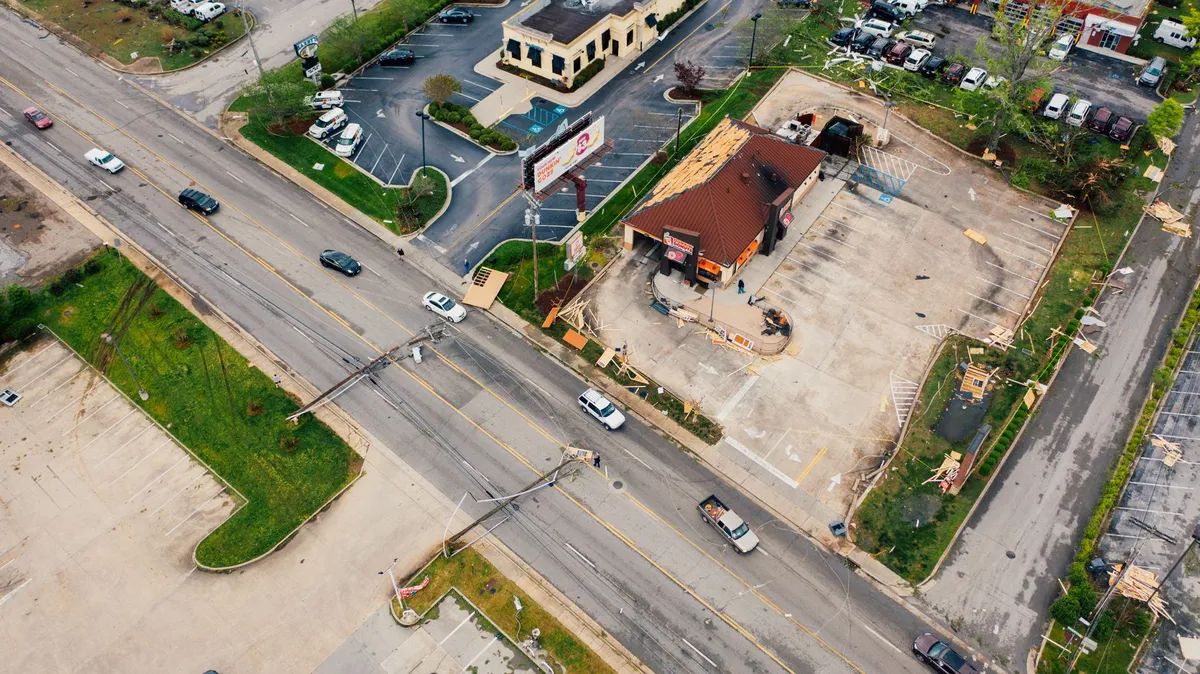
Community Impact: Lives Lost and Heroes Emerged
The heart-wrenching stories of the victims illustrate the personal toll that this disaster has taken. In Jennings County, located in southern Indiana, a 4-year-old boy tragically lost his life when a tree fell through his bedroom during the storms. Deputy Chief Cody Low of Jennings County expressed the community's grief, stating, “This is obviously unexpected... We’re going to push through this as a community.”
In another incident, 19-year-old Matthew Morey, a recent high school graduate bound for Purdue University, drowned after jumping into the turbulent Mississinewa River with friends. His body was recovered three days later. Friends and family gathered at the bridge where the tragedy unfolded to honor his memory and highlight the dangers of swollen rivers.
Additionally, Stephanie Sallee, 58, was found deceased alongside her dog in a cornfield after her car was swept away by floodwaters while navigating a flooded road. Her family described her as a loving individual whose absence would be profoundly felt by her grandchildren and relatives.

City Response: Emergency Measures and Recovery Efforts
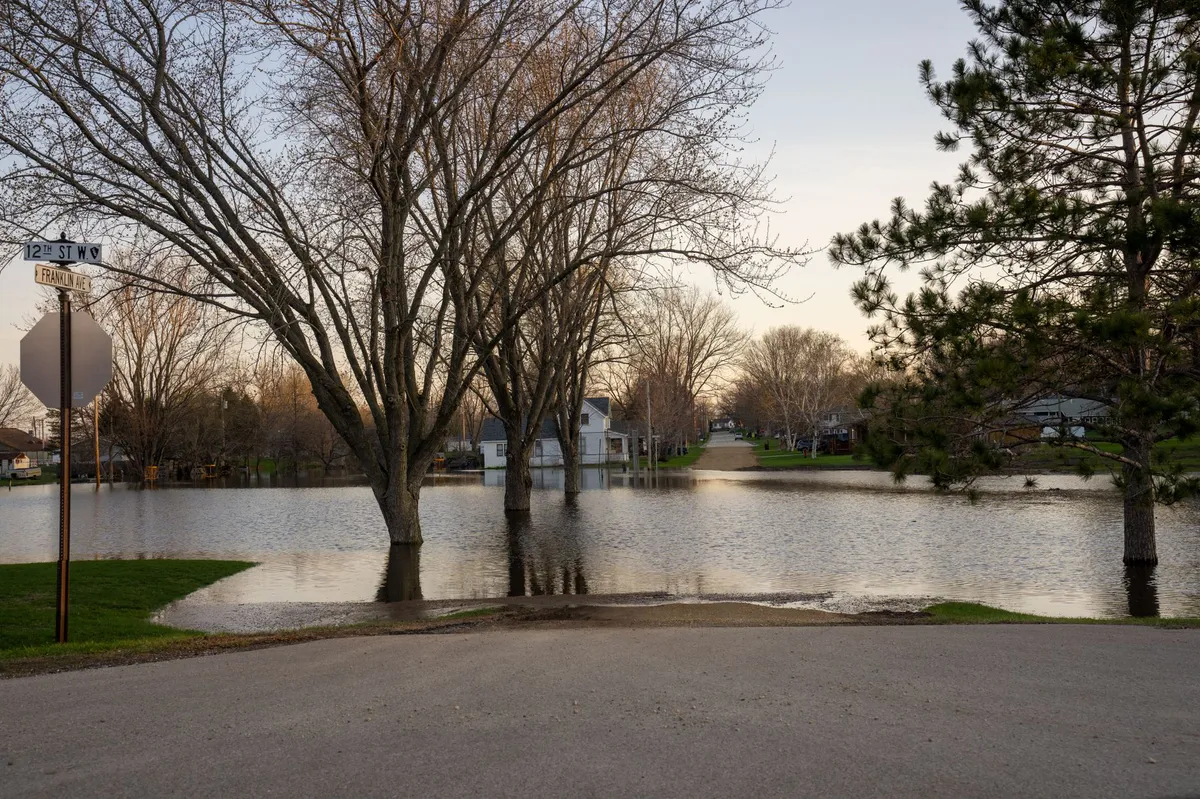
In Indianapolis, the peak of flooding occurred early Sunday morning, as the White River reached alarming heights. According to the city’s Department of Public Works, water levels were expected to remain high for several hours before beginning to recede. Emergency shelters were established to assist those displaced by the flooding, as hundreds of homes along the river and its canals were evacuated.
First responders utilized boats to rescue individuals stranded by the rapidly rising waters, showcasing the bravery and commitment of emergency services during this crisis. Christine Altman, president of the Hamilton County board of commissioners, noted the positive turn of events as the rain subsided and water levels began to recede, stating, “It’s not raining, and the water is receding.”
Weather Warnings and Long-term Consequences
Despite some improvement in conditions, the National Weather Service cautioned that flash flooding and heavy rain could persist in central Indiana. Residents were urged to stay informed about river forecasts and avoid dangerous waters. The aftermath of the storm has left roads and bridges severely damaged or completely washed out, complicating recovery efforts.
- Nearly 130,000 utility customers remained without power as of midday Sunday, a significant reduction from a peak of around 300,000.
- The White River crested at over 24 feet, surpassing records set in 1913, marking this event as one of the worst flooding incidents in over three decades.
- Governor Mike Braun reported over 350 evacuations and numerous rescue operations, including efforts at a senior mobile home community north of Indianapolis.
Federal Assistance and Future Preparedness
In light of the widespread devastation, President Donald Trump approved federal disaster assistance to support Indiana’s response and recovery efforts. Such assistance is crucial in helping communities rebuild and recover from the financial and emotional toll inflicted by the flooding.
As residents and officials assess the damage, they are also considering the long-term implications of such severe weather events. The increasing frequency of extreme weather patterns raises questions about infrastructure resilience and community preparedness for future storms. The tragic loss of life serves as a stark reminder of the need for effective emergency response strategies and public awareness campaigns regarding the dangers of severe weather.

Key Takeaways
- At least six fatalities reported due to severe storms and flooding in Indiana.
- Emergency shelters and rescue operations were activated to assist affected residents.
- Federal disaster assistance has been approved to facilitate recovery efforts across the state.
- The flooding has set new records, prompting concerns about infrastructure resilience for future storms.
Frequently Asked Questions
What should residents do during severe flooding events?
During severe flooding, residents should prioritize their safety by avoiding flooded roads, staying indoors, and following local emergency management guidelines. It’s crucial to keep abreast of weather alerts and river forecasts. If evacuation orders are issued, individuals should comply promptly and utilize emergency shelters if necessary. Keeping an emergency kit prepared with essentials can also be a lifesaver.
How does federal disaster assistance work?
Federal disaster assistance provides financial and logistical support to states affected by natural disasters. When a disaster is declared, affected areas can access funds for recovery efforts, including infrastructure repair, individual assistance for displaced residents, and community rebuilding initiatives. This assistance is typically coordinated through federal agencies such as FEMA, which helps streamline resources to where they are most needed.
What lessons can be learned from this disaster for future preparedness?
This incident highlights the importance of community preparedness and the need for robust infrastructure that can withstand severe weather events. Local governments should invest in resilience planning, ensuring that emergency response protocols are in place. Public education campaigns about the dangers of flooding and the importance of heeding weather warnings can also help mitigate risks in the future.
Comments
Michigan Court Reverses Death Sentence for Dog After Bite Incident
In a landmark decision, a Michigan court has overturned the death sentence for a bulldog that bit a house guest, raising questions about pet liability and animal rights. This ruling has significant implications for dog owners and personal injury law.

Related articles



Popular in Personal Injury
- Hawaii Supreme Court Overturns 36-Year-Old Rape Conviction Due to Forensic Flaws
- The Impact of Pro Bono Work by BigLaw Firms in 2025
- Albertsons Faces Trial Over Role in Washington's Opioid Crisis
- The Hidden Dangers of Open Manholes in New York City
- Historic $81 Million Verdict in Utah Pedestrian Wrongful Death Case