Lawsuit Alleges Deceptive Hotel Booking Practices in San Francisco
A federal lawsuit filed by the San Francisco City Attorney accuses hotel booking websites of misleading consumers by charging inflated prices and mimicking official hotel pages. This article explores the implications of the lawsuit and what it means for travelers.

In a move that could reshape the online travel industry, the San Francisco City Attorney has filed a federal lawsuit against two hotel booking websites, GuestReservations.com and BookOnline.com. The lawsuit alleges that these platforms intentionally mislead consumers into believing they are booking directly with hotels, while charging them exorbitant prices—often hundreds of dollars more than if they had booked through the hotels' official sites. This legal action not only highlights the deceptive practices prevalent in the hotel booking industry but also underscores the need for consumers to remain vigilant when making travel arrangements online.
The stakes are high, as the lawsuit claims that travelers often pay inflated rates due to the confusing design and marketing tactics employed by these third-party booking sites. With the travel industry still recovering from the impacts of the COVID-19 pandemic, these deceptive practices could further undermine consumer trust and affect the overall travel experience. As travel resumes, understanding one’s rights as a consumer becomes increasingly important.
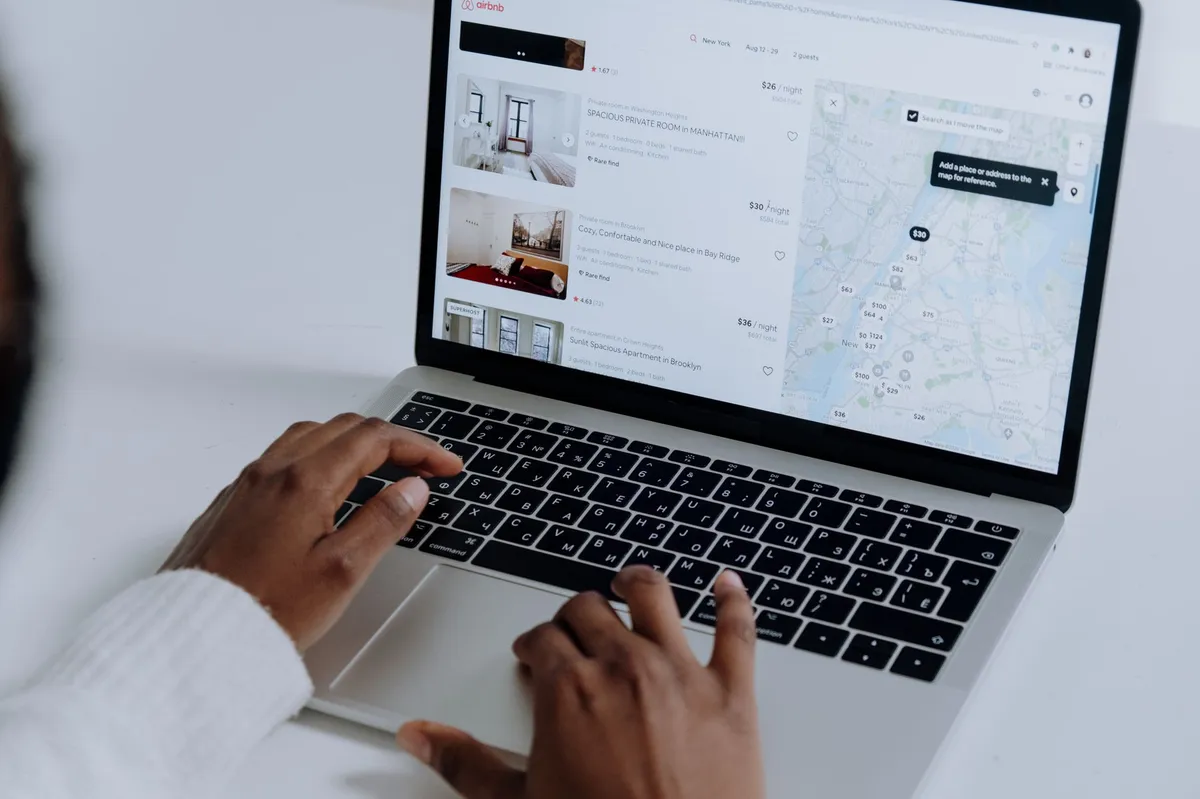
Allegations of Deceptive Practices
At the heart of the lawsuit are claims that GuestReservations.com and BookOnline.com have constructed their websites to closely resemble legitimate hotel booking platforms. According to San Francisco City Attorney David Chiu, this deliberate design is aimed at confusing travelers who are often in a hurry to secure accommodations. The complaint details how these sites purchased paid search advertisements that frequently appeared at the top of online search results, overshadowing the actual hotel websites and making it easy for consumers to mistake the third-party sites for official channels.
Misleading URLs and Pricing Discrepancies
The lawsuit goes further to highlight how the websites employed internet addresses that included hotel names, further enhancing their deceptive appearance. The City Attorney's office conducted price comparisons that showcased the significant price differences between the third-party sites and the hotels themselves. For instance, a search for the Palace Hotel in San Francisco revealed that GuestReservations.com offered a room for $595, while the official Marriott website listed the same room for just $381. This substantial difference of approximately 56 percent exemplifies the financial burden placed on unsuspecting travelers.
In another example, when comparing refundable room options, GuestReservations.com listed a room at $775 compared to Marriott's price of $419, which is a staggering 85 percent higher. Such discrepancies could lead to consumers unknowingly spending significantly more money for the same accommodations.

Impact on Consumers and Legal Proceedings
The implications of this lawsuit extend beyond mere pricing; it raises fundamental questions about consumer rights and transparency in the travel industry. Travelers who believe they are booking directly with a hotel may face difficulties when attempting to cancel reservations or seek refunds. The lawsuit cites numerous complaints from consumers across various online platforms, including the Better Business Bureau and Trustpilot, highlighting instances of customers feeling misled and frustrated when discovering they had paid inflated prices.
City officials are seeking not only to halt the alleged deceptive practices but also to secure financial restitution for California consumers who were overcharged. The lawsuit aims to impose penalties on the companies involved to deter future misconduct, emphasizing that such business practices undermine trust in the travel industry.
Involvement of Booking Holdings
The lawsuit does not stop at GuestReservations.com and BookOnline.com; it also names Booking Holdings, the parent company of several major travel brands, including Booking.com, Priceline, and Kayak. The complaint alleges that Booking Holdings provided essential support—such as hotel information, room availability, pricing data, and reservation technology—that facilitated the alleged deceptive practices of the two booking websites.
This complicity raises questions about the role of large companies in the travel industry and their responsibility toward consumer protection. Booking Holdings has publicly denied the allegations, stating that they are reviewing the complaint and believe the claims lack legal merit. They have also emphasized their commitment to consumer protection, which raises the question: how can consumers ensure they are protected when engaging with online booking platforms?

Consumer Awareness and Best Practices
As travelers navigate the complexities of online booking, understanding how to protect oneself from potential scams becomes increasingly vital. Here are several tips for consumers looking to make hotel reservations:
- Book Directly: Whenever possible, book directly through the hotel’s official website to avoid potential markups associated with third-party booking sites.
- Verify URLs: Before making any reservations, check the URL to ensure it is legitimate and matches the official hotel website.
- Read Reviews: Look for consumer feedback on platforms like the Better Business Bureau, Trustpilot, or Google Reviews to gauge the reliability of the booking site.
- Compare Rates: Use trusted travel aggregator websites to compare prices and ensure you’re getting the best deal.
- Check Cancellation Policies: Always verify the cancellation policy before booking, as third-party sites may not offer the same flexibility as hotels.
Key Takeaways
- San Francisco's lawsuit targets deceptive hotel booking websites for inflated pricing.
- Travelers are encouraged to book directly with hotels to avoid overcharges.
- Booking Holdings is implicated for its role in supporting the third-party sites.
- The lawsuit seeks both financial restitution and penalties against the companies involved.
Frequently Asked Questions
What should I do if I mistakenly booked through a third-party site?
If you find yourself having booked through a third-party site and realize it later, your first step should be to contact the booking site directly to inquire about your reservation. If you encounter issues such as difficulty cancelling or receiving a refund, document your interactions and consider filing a complaint with consumer protection agencies or the Better Business Bureau. Be aware that many hotels will also help resolve issues if you inform them of your situation.
How can I ensure I am booking directly with a hotel?
To ensure you are booking directly with a hotel, always navigate to the hotel’s official website by typing the URL directly into your web browser. Avoid clicking on links from search results that look suspicious. Additionally, you can call the hotel directly to confirm availability and pricing before making a reservation.
What are my rights as a consumer when booking hotels online?
As a consumer booking hotels online, you have the right to transparent pricing and the right to receive accurate information about your booking. If deceptive practices occur, you can file a complaint with local consumer protection agencies or pursue legal action if necessary. Familiarizing yourself with the terms and conditions of your booking can also help protect your rights.
Is there a possibility of a class-action lawsuit in this case?
While the current lawsuit is spearheaded by the San Francisco City Attorney, it is possible for affected consumers to pursue a class-action lawsuit if they can demonstrate that they collectively suffered harm due to the alleged practices of the booking websites. A class-action would allow individuals to band together to seek restitution for overcharges and other damages incurred.
This article is for informational purposes only and does not constitute legal advice.
Comments
Lawsuit Filed After Cardiac Arrest During Hofstra Bar Exam Raises Questions
A woman has filed a lawsuit against Hofstra University following a cardiac arrest incident during the New York State Bar Exam. The case highlights serious concerns about emergency response protocols in high-stakes testing environments.

Related articles




Popular in Personal Injury
- Hawaii Supreme Court Overturns 36-Year-Old Rape Conviction Due to Forensic Flaws
- The Impact of Pro Bono Work by BigLaw Firms in 2025
- Albertsons Faces Trial Over Role in Washington's Opioid Crisis
- The Hidden Dangers of Open Manholes in New York City
- Historic $81 Million Verdict in Utah Pedestrian Wrongful Death Case