States Challenge Federal Collection of Sensitive Trucker Data
A coalition of 22 states is suing the Trump administration to stop the federal government from collecting sensitive information on millions of commercial drivers. This legal battle raises significant privacy concerns and highlights the tension between state and federal authority over driver information.
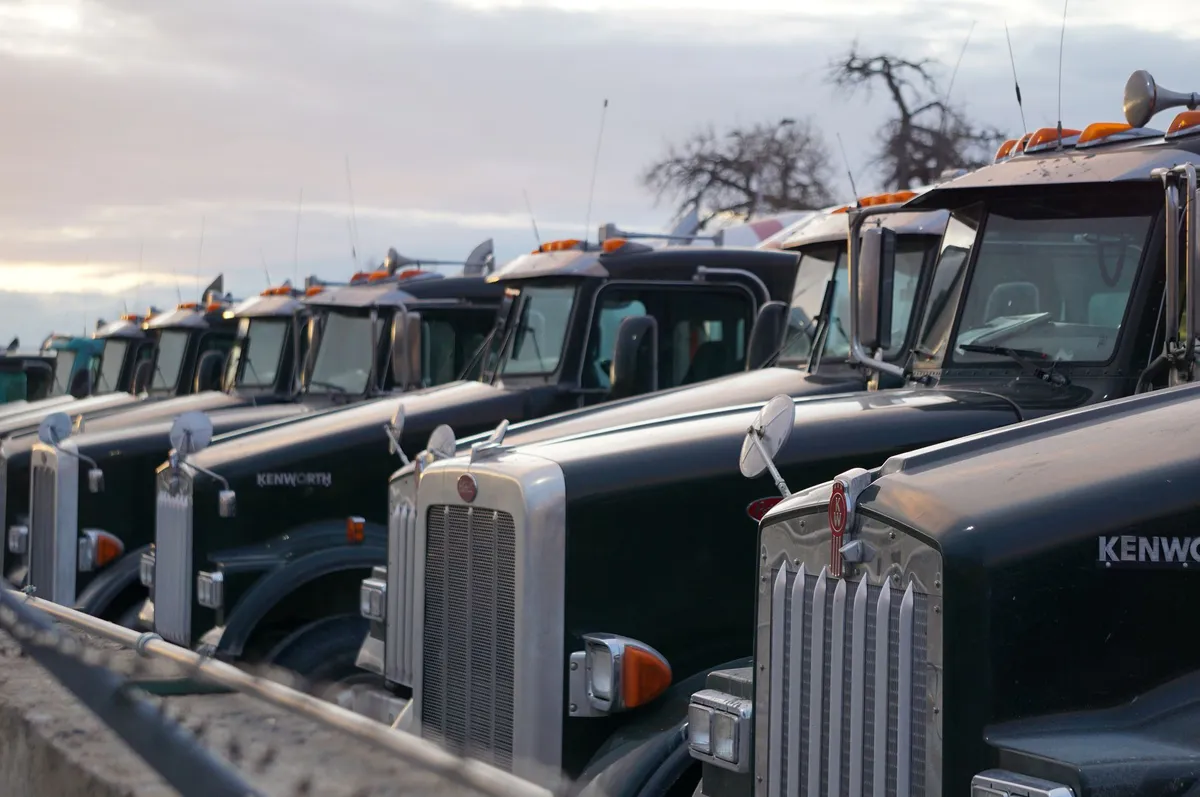
In a significant legal showdown, a coalition of 22 states has filed a lawsuit against the Trump administration, aiming to prevent the federal government from collecting sensitive data on millions of commercial drivers. This lawsuit, rooted in privacy concerns, underscores the ongoing tension between state and federal authority, particularly regarding the management of personal information. The implications of this case are vast, affecting not only the privacy of individual drivers but also the operational integrity of state-level licensing systems.
The lawsuit was triggered by the Department of Homeland Security's (DHS) request for access to a comprehensive database maintained by the American Association of Motor Vehicle Administrators (AAMVA). This database contains personal information on approximately 17 million commercial drivers, including names, Social Security numbers, and driving histories. The federal demand raised alarm bells among state officials, who argue that such a sweeping collection of data without prior consultation violates federal privacy laws.
The Legal Context of the Lawsuit
At the heart of this legal battle are several federal privacy laws, including the Driver’s Privacy Protection Act (DPPA) and the Privacy Act. The DPPA restricts the disclosure of personal driver records unless certain exceptions apply, primarily related to law enforcement needs and litigation purposes. The states leading the lawsuit, including Illinois, Virginia, California, and Washington, D.C., argue that the federal government has failed to establish a legitimate need for such extensive data collection.
Legal Basis for the Challenge
Attorney General Kwame Raoul of Illinois stated, “The database was created 40 years ago so states could share information with each other to stop unsafe drivers from operating commercial vehicles.” This historical perspective highlights the original intent of the database: to enhance safety by ensuring that commercial drivers operate under strict regulations. The states contend that the federal government's actions jeopardize the integrity of this system.
The states filed motions for an injunction against the data collection, asserting that the DHS's subpoena to the AAMVA is overreaching. They argue that the federal government's vague rationale for the data collection fails to meet the statutory requirements laid out in the DPPA. In a similar case, United States v. Weber, a federal judge ruled against the government's data demands when it could not adequately explain the intended use of the collected information.

Implications for Driver Privacy
The implications of this lawsuit stretch beyond legal technicalities; they touch on fundamental issues of privacy and governmental overreach. The information demanded by the DHS includes sensitive personal identifiers that, if mishandled, could lead to identity theft and other privacy violations.
Concerns Over Data Security
As government agencies increasingly rely on digital databases for operational purposes, the risk of data breaches grows. State officials worry that centralizing sensitive driver information in a federal database could expose it to hacking or unauthorized access. As Attorney General Jay Jones of Virginia noted, “If states refuse to roll over and accept the creation of this personal information database... this administration is threatening to pull critical funding.”
This predicament creates a formidable dilemma for states: either comply with the federal demands, potentially compromising driver privacy, or risk losing essential funding for their motor vehicle administration systems. This funding is crucial for maintaining infrastructures that support the issuance of commercial driver licenses (CDLs) and ensuring that only qualified individuals operate commercial vehicles.
Federal Government's Justification
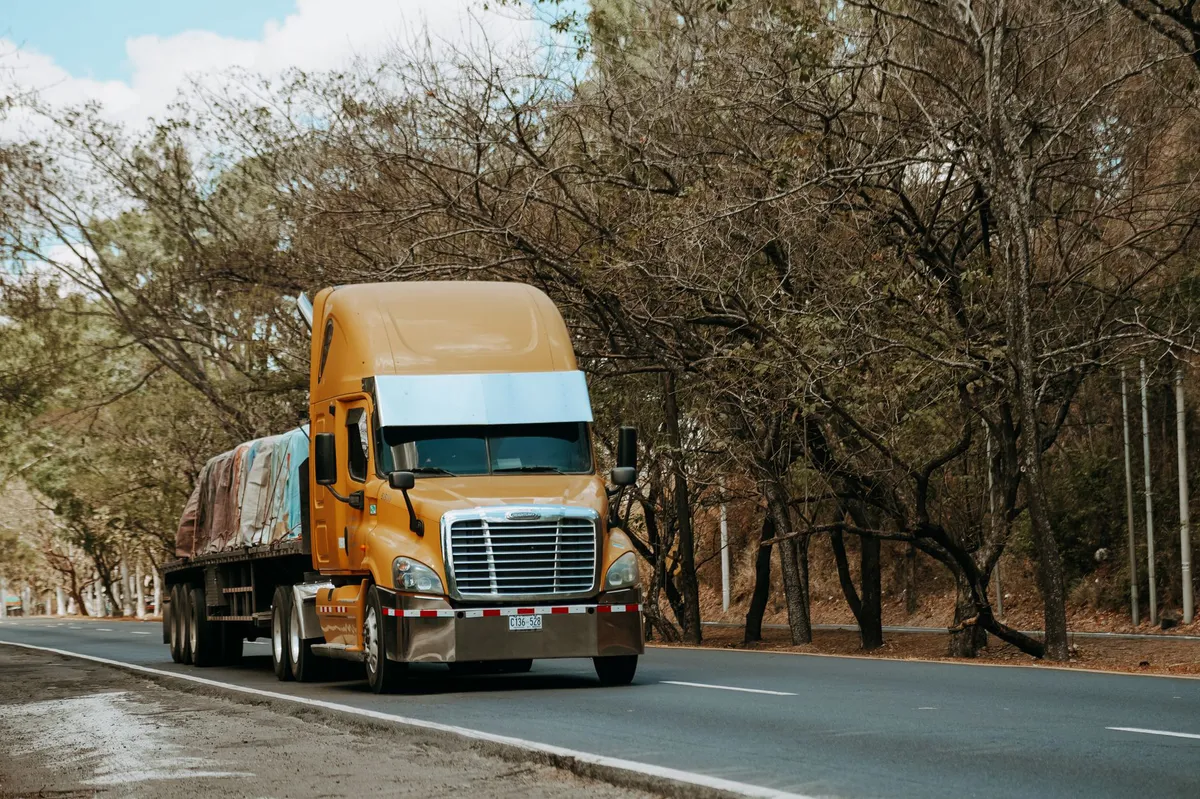
The Trump administration has justified its data collection efforts under the guise of public safety, citing concerns about unqualified noncitizen drivers potentially endangering lives on the road. Secretary of Homeland Security Markwayne Mullin stated, “When illegal aliens are behind the wheels of semi-trucks, they are putting American lives in danger.”
Under the Operation Highway Shield initiative, the DHS aims to target unqualified drivers, claiming it has already removed over 800 dangerous truckers from the roads. However, critics argue that the expansive data collection could lead to ineffective enforcement actions that disproportionately affect lawful drivers, especially those from immigrant backgrounds.
Impact on State-Federal Relations
This case also highlights the broader implications for state-federal relations in the United States. States have historically managed their own licensing processes, ensuring that drivers meet local safety and health standards. The push from the federal government for centralized data collection raises concerns about federal overreach and states' rights.
Potential Consequences for States
Should the lawsuit succeed, it could set a precedent limiting the federal government’s ability to collect personal data without adequate justification. On the other hand, if the states lose, it may embolden further federal data collection efforts under similar pretexts.
Moreover, the outcome of this case may influence how other states approach their data-sharing agreements with federal agencies, potentially leading to a reevaluation of privacy practices across various sectors that handle sensitive personal information.

Key Takeaways
- 22 states are suing the Trump administration to block the collection of sensitive truck driver data.
- The Driver’s Privacy Protection Act is a central legal focus in this case.
- States argue that the federal government’s actions threaten public trust and driver privacy.
- The outcome could reshape state-federal relations regarding data collection and privacy.
- Both sides present conflicting narratives about public safety and privacy.
Frequently Asked Questions
What prompted the lawsuit by the states?
The lawsuit was prompted by the federal government’s request for access to a database containing sensitive information about millions of commercial drivers. State officials argue that this demand violates privacy laws and jeopardizes the integrity of their licensing systems.
What laws are being cited in the lawsuit?
The states are citing several federal privacy laws, including the Driver’s Privacy Protection Act and the Privacy Act. These laws regulate how personal information can be collected, disclosed, and used by government entities.
What are the potential consequences of this lawsuit?
If the states win, the federal government may face restrictions on its ability to collect sensitive personal data without proper justification. Conversely, if the states lose, it could pave the way for increased federal data collection efforts, potentially infringing on privacy rights.
How does this case reflect state-federal tensions?
This case highlights the ongoing tensions between state and federal authority, particularly in the realm of personal data management. It raises important questions about the balance of power and the rights of states to protect their residents' information against federal overreach.
This content is general information, not legal advice.
Comments
Lawsuit Filed After Cardiac Arrest During Hofstra Bar Exam Raises Questions
A woman has filed a lawsuit against Hofstra University following a cardiac arrest incident during the New York State Bar Exam. The case highlights serious concerns about emergency response protocols in high-stakes testing environments.

Related articles



Popular in Personal Injury
- Hawaii Supreme Court Overturns 36-Year-Old Rape Conviction Due to Forensic Flaws
- The Impact of Pro Bono Work by BigLaw Firms in 2025
- Albertsons Faces Trial Over Role in Washington's Opioid Crisis
- The Hidden Dangers of Open Manholes in New York City
- Historic $81 Million Verdict in Utah Pedestrian Wrongful Death Case