Understanding Wyoming's Stand Your Ground Law: A Case Study in Fairness
The recent case of a trans woman charged with assault under Wyoming's Stand Your Ground law raises questions about the law's application and its impact on marginalized communities. This article explores the nuances of self-defense laws and their implications in the context of social justice.
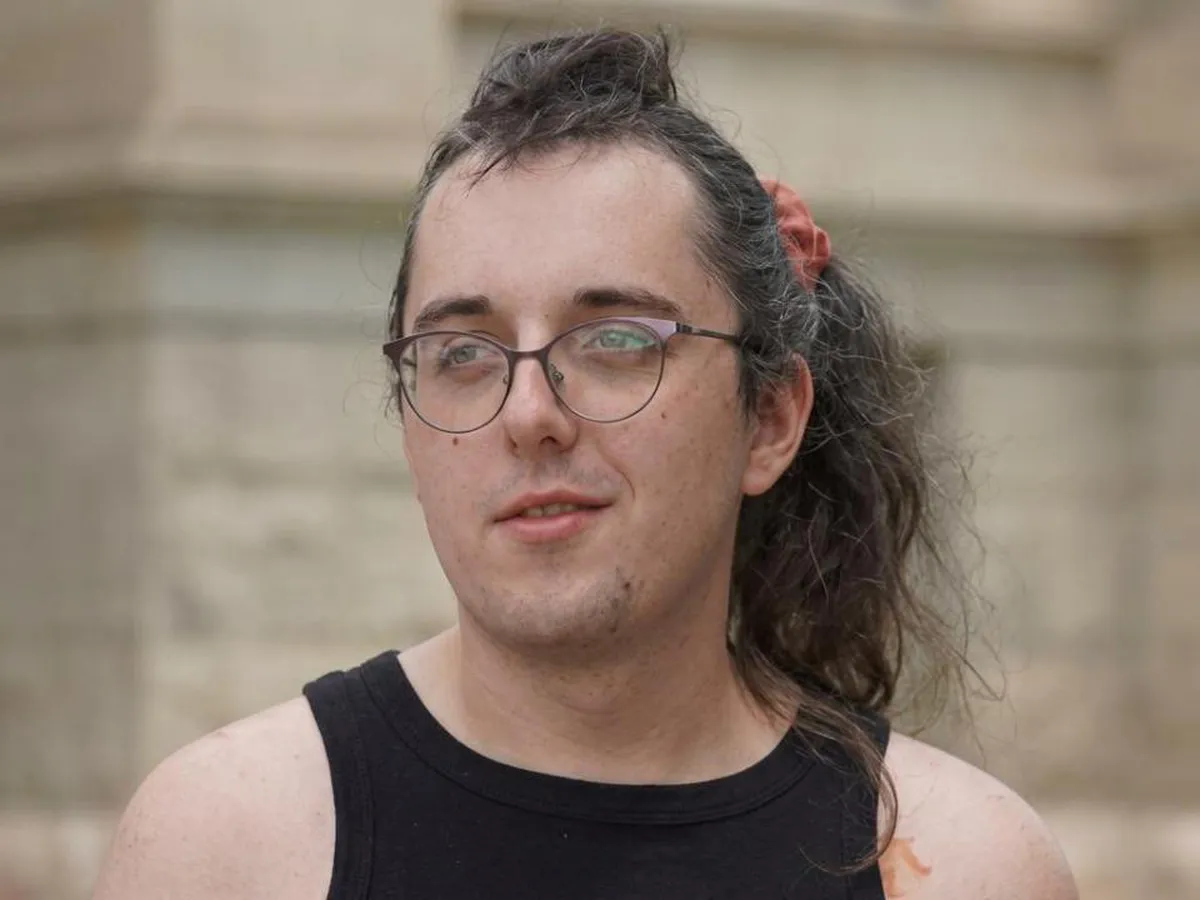
In recent legal news, a trans woman in Wyoming has been charged with assault, sparking a critical conversation about the state’s Stand Your Ground law. This law, designed to allow individuals to use force in self-defense without the duty to retreat, has come under scrutiny for its application, particularly in cases involving marginalized groups. As the legal proceedings unfold, they reveal deeper societal issues about justice, equality, and the interpretation of self-defense in the American legal landscape.
The case raises essential questions: How does the Stand Your Ground law function in practice? Who benefits from its protections, and who may face challenges? This analysis aims to dissect these questions, exploring the broader implications of self-defense laws in the United States, with a specific focus on Wyoming.
Understanding Stand Your Ground Laws
Stand Your Ground laws permit individuals to use reasonable force, including lethal force, to defend themselves against perceived threats without having to retreat. These laws vary significantly by state, both in their wording and application. In Wyoming, the law asserts that a person is justified in using force if they reasonably believe it is necessary to protect themselves from imminent harm.
Legal Framework
Under Wyoming Statute 6-2-602, individuals have the right to defend themselves if they believe they are in immediate danger. However, the interpretation of what constitutes a 'reasonable belief' can vary widely, often influenced by societal biases, including race, gender identity, and sexual orientation. The nuances of these interpretations can lead to significant disparities in legal outcomes.
Implications for Marginalized Communities
The application of the Stand Your Ground law can disproportionately affect marginalized communities, particularly LGBTQ+ individuals. In many instances, these individuals may not feel safe or protected under laws that are ostensibly designed to offer them security.
Case Study: The Trans Woman's Arrest
The recent case involving a trans woman highlights these disparities. Charged with assault, she claims her actions were a necessary response to a perceived threat. However, her identity as a trans individual complicates the narrative; societal biases may influence perceptions of her actions, potentially impacting her legal defense. In such cases, the question arises: does the legal system adequately protect individuals who are often seen as outsiders or threats themselves?

Legal Precedents and Challenges
Legal precedents play a crucial role in shaping the application of Stand Your Ground laws. Courts across the United States have seen rulings that both support and challenge these laws. Some cases have demonstrated how racial and gender biases can skew outcomes, particularly when the victim is from a marginalized community.
The Role of Judicial Discretion
Judicial discretion is a significant factor in the application of Stand Your Ground laws. Judges and juries may interpret the laws differently based on their personal beliefs and societal norms. This subjectivity can lead to inconsistent applications of justice, as seen in various high-profile cases across the country.
Public Perception and the Media's Role
The media plays a pivotal role in shaping public perception of legal cases, especially those involving self-defense laws and marginalized individuals. Coverage of this trans woman's case will likely influence how the public views both her actions and the Stand Your Ground law itself.
Social Media and Activism
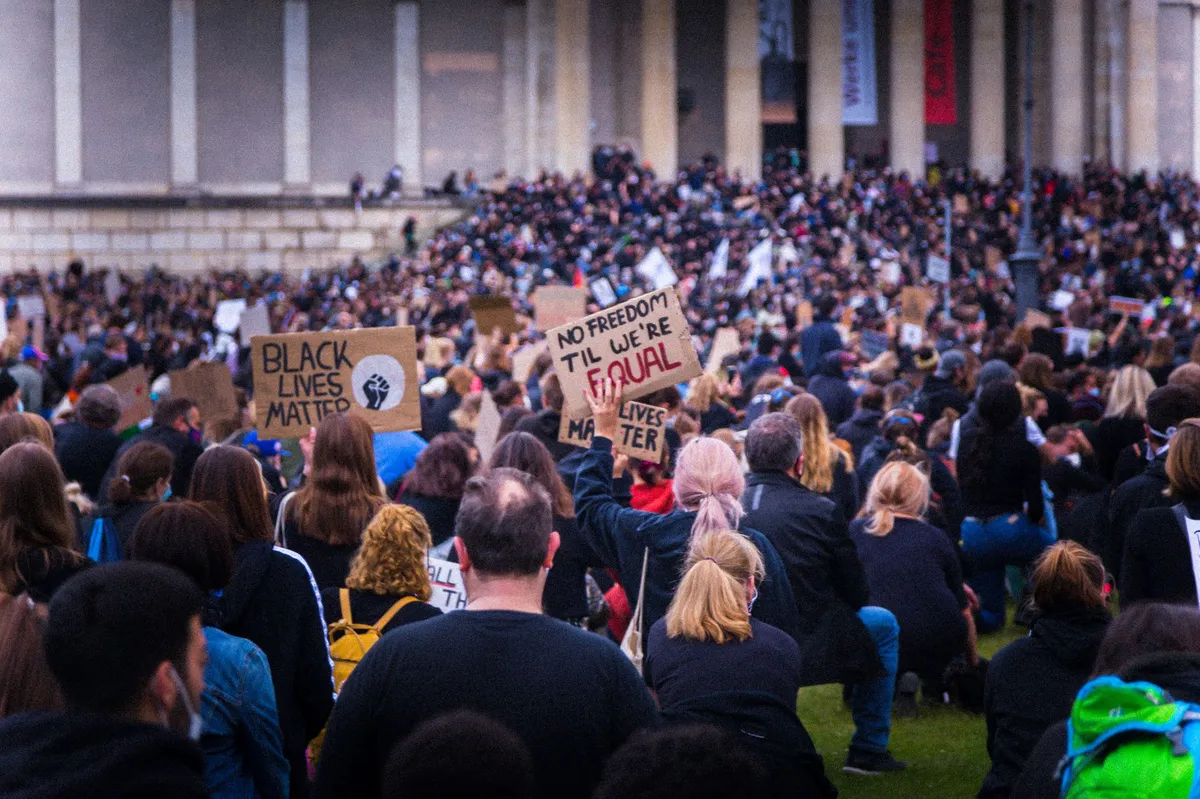
Social media platforms have become essential tools for advocacy and awareness, allowing marginalized communities to share their narratives and challenge prevailing societal norms. Activists are increasingly using these platforms to call for reforms to Stand Your Ground laws, highlighting the need for a more equitable legal system.
Key Takeaways
- Stand Your Ground laws allow individuals to use force in self-defense without the duty to retreat, but applications vary by state.
- Marginalized communities often face challenges in claiming self-defense, influenced by societal biases.
- The recent case of a trans woman charged with assault underscores the need for judicial reform and equitable interpretations of self-defense laws.
- Media representation and activism play crucial roles in shaping perceptions and driving legislative change.
Frequently Asked Questions
What is the purpose of Stand Your Ground laws?
Stand Your Ground laws are designed to allow individuals to defend themselves against threats without the obligation to retreat. The intention is to empower people to protect themselves, especially in dangerous situations. However, these laws can lead to complex legal challenges, particularly regarding how 'reasonable belief' is defined and interpreted in court.
How do biases affect the application of self-defense laws?
Biases—whether based on race, gender, or sexual orientation—can significantly impact the outcomes of self-defense cases. Individuals from marginalized communities may find it harder to claim self-defense, as societal perceptions often color the interpretation of their actions. This can lead to unequal treatment in the judicial system, where certain demographics may be viewed more skeptically than others.
What should individuals know about their rights under Stand Your Ground laws?
Individuals should educate themselves about their rights under Stand Your Ground laws, including the specific statutes in their state. Understanding what constitutes a 'reasonable threat' and the legal implications of self-defense can be crucial in navigating potentially dangerous situations. Consulting with a legal professional can provide clarity on these laws and their applications.
How can activism influence changes to self-defense laws?
Activism plays a vital role in advocating for changes to self-defense laws by raising awareness of disparities and injustices in their application. Grassroots movements and social media campaigns can put pressure on lawmakers to reform unjust laws, ensuring that all individuals, regardless of their background, are treated equitably under the law.
This content is general information and not legal advice.
Comments
Lawsuit Filed After Cardiac Arrest During Hofstra Bar Exam Raises Questions
A woman has filed a lawsuit against Hofstra University following a cardiac arrest incident during the New York State Bar Exam. The case highlights serious concerns about emergency response protocols in high-stakes testing environments.

Related articles



Popular in Personal Injury
- Hawaii Supreme Court Overturns 36-Year-Old Rape Conviction Due to Forensic Flaws
- The Impact of Pro Bono Work by BigLaw Firms in 2025
- Albertsons Faces Trial Over Role in Washington's Opioid Crisis
- The Hidden Dangers of Open Manholes in New York City
- Historic $81 Million Verdict in Utah Pedestrian Wrongful Death Case