Massive Bacon Recall Sparks Concerns in Three Western States
A substantial recall of over 12,000 pounds of bacon sold in Idaho, Oregon, and Washington highlights the importance of food safety regulations. The recall was prompted by federal inspection failures, despite no reported illnesses linked to the products. Consumers are urged to check their purchases and stay informed about food safety.
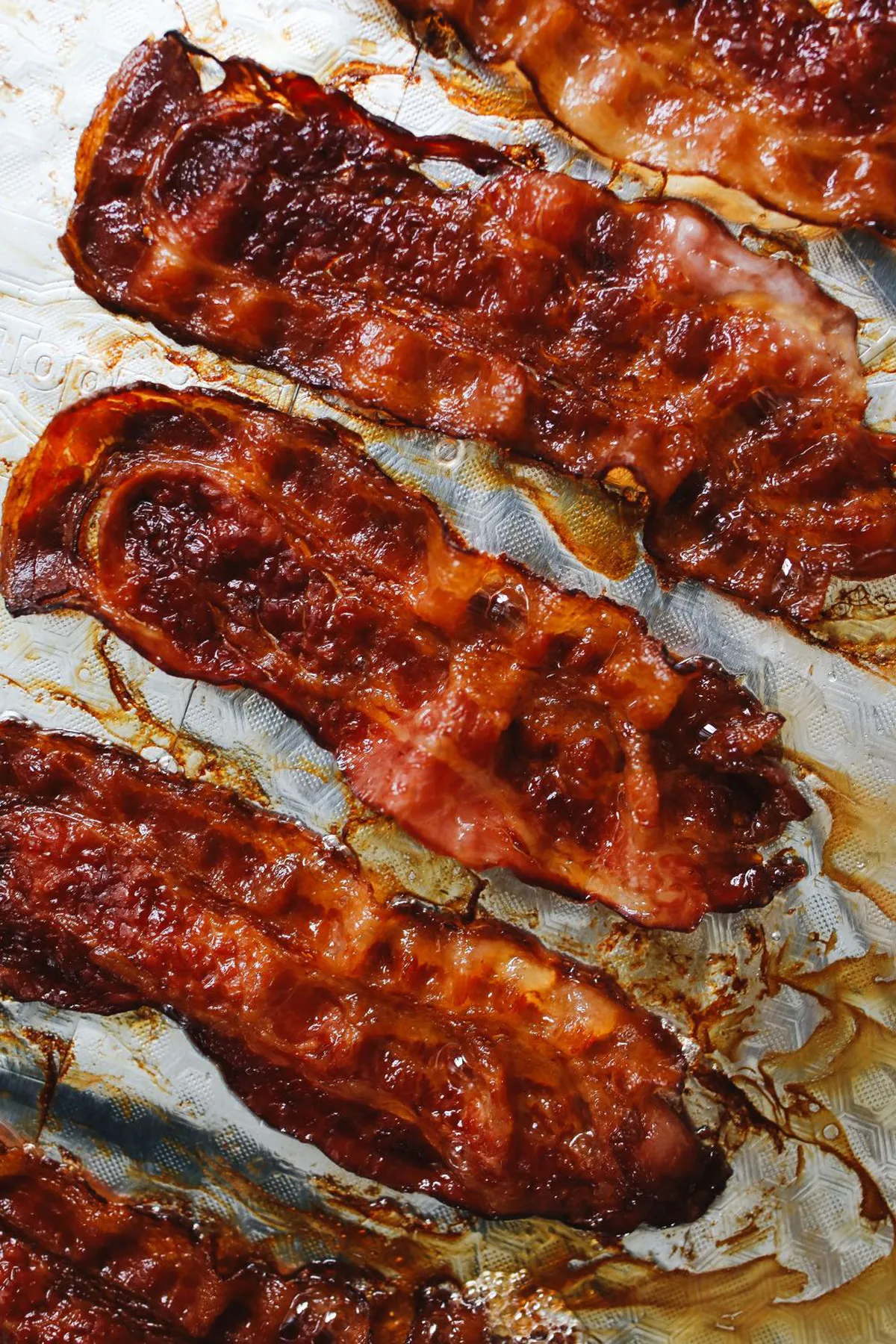
In a significant food safety incident, more than 12,000 pounds of bacon have been recalled across Idaho, Oregon, and Washington due to a federal inspection error. The recall, issued by the U.S. Department of Agriculture’s (USDA) Food Safety and Inspection Service (FSIS), underscores the critical role of inspection protocols in ensuring the safety of food products entering the United States. Although no illnesses have been reported, this situation serves as a reminder of the potential risks associated with food consumption and the importance of regulatory compliance.
The bacon in question, imported from Canada by Maple Leaf Foods, Inc., was found to have entered the U.S. without undergoing the required inspection. This oversight raises important questions about food safety standards and the responsibilities of both importers and regulatory agencies. Consumers in the affected states are now faced with the task of determining whether they have purchased any of the recalled products.
Scope of the Recall
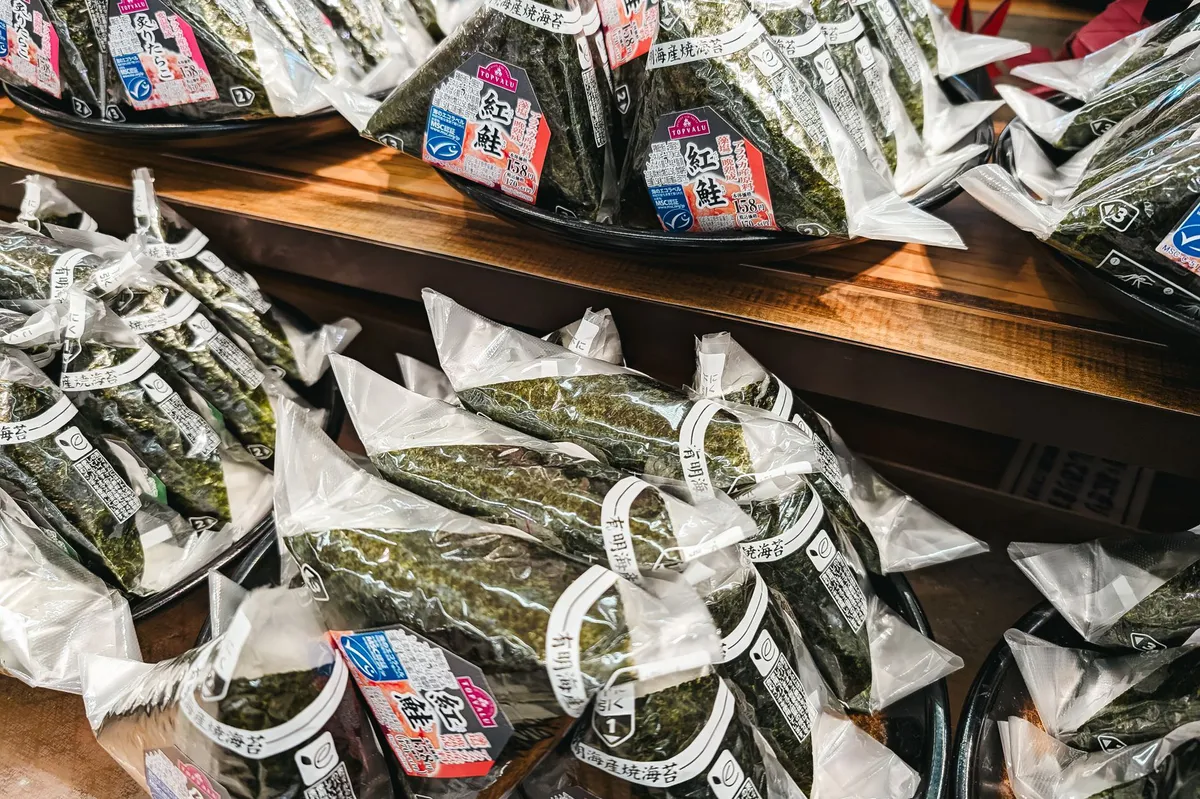
The recall affects two specific products of bacon sold under distinct brand names. The first is labeled as "Royale Natural Applewood Smoked All Natural Uncured Bacon Product of Canada," while the second is identified as "TOP VALU Uncured Hardwood Smoked Bacon Product of Canada." Both products are packaged in 12-ounce vacuum-sealed bags and bear sell-by dates ranging from September 1 to September 7, 2026. The packaging also indicates the Canadian establishment number “EST 1,” and consumers are advised to carefully inspect their bacon packages for these details.
Importance of Inspection
The FSIS routinely conducts inspections to ensure that food products meet safety standards before they are allowed into the market. This incident highlights a lapse in that process, as the imported bacon was not inspected upon entry into the U.S. The agency's failure to catch this oversight before the products reached grocery stores poses a potential risk to consumers, even though officials have confirmed that there are currently no known food safety issues with the bacon itself.
Consumer Guidance and Safety Measures
In light of this recall, consumers who may have purchased the affected bacon are strongly encouraged to take immediate action. Here are some recommended steps:
- Check your refrigerator or freezer for any bacon products labeled as Royale or TOP VALU.
- Verify the sell-by dates to see if they fall within the specified range.
- If you have the recalled bacon, do not consume it. Instead, dispose of it or return it to the place of purchase for a refund.
- Monitor for any symptoms if you suspect you have consumed the recalled bacon and seek medical attention if necessary.
Maple Leaf Foods has made contact information available for customers who have questions or concerns regarding the recall. Adam Emery, Vice President of Communications, is designated to handle inquiries, providing a direct line of communication for consumers seeking further clarification.
The Broader Context of Food Safety
This bacon recall is occurring concurrently with a separate public health concern involving cyclosporiasis, an illness connected to the consumption of contaminated food. Recent reports indicate that thousands of cases of this parasitic infection have emerged nationwide, linked primarily to shredded iceberg lettuce imported from Mexico. Although unrelated to the bacon recall, these events collectively highlight the ongoing challenges faced by food safety regulators and the food industry.
As consumers, it is crucial to remain vigilant about food recalls and public health alerts. The integration of technology in tracking food products and enhancing inspection processes is essential to prevent similar incidents in the future. The food supply chain is complex, and addressing safety concerns requires collaboration among regulatory agencies, food producers, and consumers alike.

Legal Implications and Consumer Rights
When food safety incidents occur, the legal landscape can become complicated. Consumers who suffer illness or injury due to contaminated food may have grounds for a personal injury lawsuit against the producers or distributors of the product. However, in this particular instance, since no illnesses have been reported, the focus remains on compliance and prevention rather than liability for damages.
Consumers have the right to expect that the food they purchase is safe and meets all regulatory standards. If a food recall occurs, it is essential for consumers to be informed and proactive. Legal avenues exist for those impacted by food safety breaches, including the possibility of pursuing claims for damages if health issues arise from consuming contaminated products.
Key Takeaways
- Over 12,000 pounds of bacon recalled in Idaho, Oregon, and Washington due to inspection errors.
- The recalled bacon was imported from Canada and did not undergo necessary inspections.
- Consumers should check for affected products and dispose of them if purchased.
- There are currently no reports of illness connected to the recalled bacon.
- Remaining vigilant about food safety recalls is crucial for consumer health.
Frequently Asked Questions
What should I do if I have the recalled bacon?
If you have purchased bacon that falls under the recall guidelines, you should not consume it. Instead, dispose of it safely or return it to the place of purchase for a refund. Always check the sell-by dates and the packaging details to ensure you are handling the correct products.
Is there a risk of illness from the recalled bacon?
Currently, there are no reported cases of illness linked to the recalled bacon. The recall was issued due to a failure in the inspection process, not due to contamination. However, if you experience any symptoms after consuming the bacon, it is advisable to contact a healthcare provider.
How can I stay informed about food recalls?
To stay updated on food recalls, consumers can follow the USDA's Food Safety and Inspection Service website, local health department announcements, and news outlets that report on public health issues. Signing up for alerts and regularly checking food safety resources can help you remain informed about potential health risks.
What are my rights if I am harmed by contaminated food?
If you become ill as a result of consuming contaminated food, you may have the right to pursue legal action against the responsible party. This could include manufacturers, distributors, or retailers. It is important to document your illness and seek legal advice to explore potential claims for damages.
This article is for informational purposes only and should not be construed as legal advice.
Comments
Oregon Police Seek Qualified Immunity in Controversial Wrongful Conviction Case
A Ninth Circuit panel is evaluating whether Oregon police officers can invoke qualified immunity in a wrongful conviction case tied to fabricated evidence. This legal battle raises critical questions about accountability in law enforcement and the impact of wrongful convictions on families.

Related articles


Popular in Personal Injury
- Hawaii Supreme Court Overturns 36-Year-Old Rape Conviction Due to Forensic Flaws
- The Impact of Pro Bono Work by BigLaw Firms in 2025
- Albertsons Faces Trial Over Role in Washington's Opioid Crisis
- The Hidden Dangers of Open Manholes in New York City
- Historic $81 Million Verdict in Utah Pedestrian Wrongful Death Case