Salmonella Outbreak Linked to Chipotle: What You Need to Know
A recent salmonella outbreak linked to jalapeños served at Chipotle has raised concerns for consumers and investors alike. With over 110 reported illnesses, here's a detailed look into the implications and ongoing investigations.
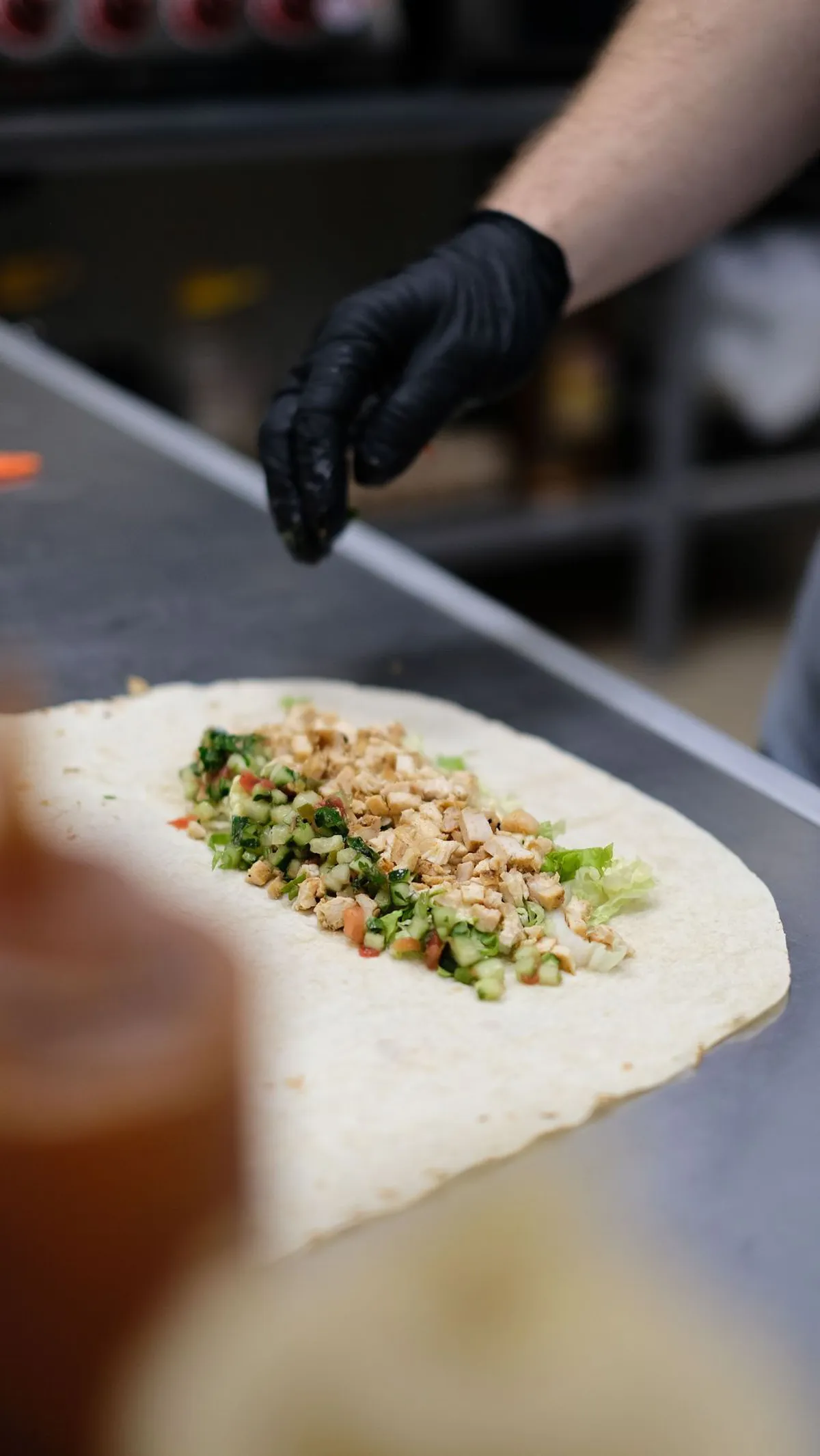
The recent salmonella outbreak in Minnesota has put Chipotle Mexican Grill under the spotlight, impacting not just public health but also investor confidence. With at least 110 reported illnesses connected to contaminated jalapeño peppers, authorities are working diligently to trace the source of the outbreak. This situation underscores the complexities of food safety within the restaurant industry and raises critical questions about consumer safety and corporate responsibility.
As health officials continue to investigate, the implications of this outbreak extend beyond the immediate health concerns, affecting the public perception of Chipotle and its stock performance. This article delves into the specifics of the outbreak, the legal ramifications, and what consumers and investors should know moving forward.
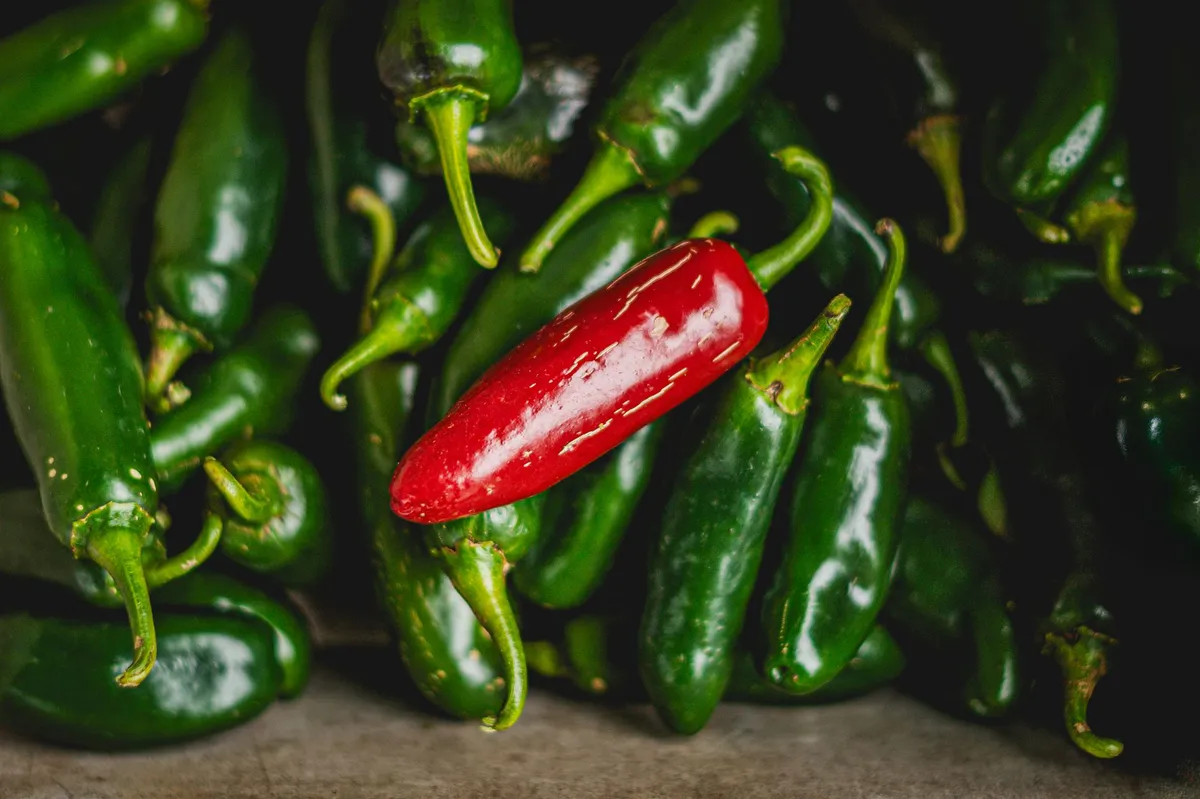
Tracing the Source of the Outbreak
The salmonella strain identified in this outbreak is the Javiana strain, and investigators believe that the contaminated jalapeños were distributed not only to Chipotle but possibly to several other Mexican-style restaurants. Interviews conducted by the Minnesota Department of Health revealed that nearly 90% of the 84 individuals who fell ill had eaten at Chipotle between mid-June and late July. However, reports of illnesses linked to other establishments suggest a broader issue within the supply chain.
The Role of Supply Chains in Food Safety
The investigation into the source of the contaminated jalapeños involves the U.S. Food and Drug Administration (FDA), which is working to trace the peppers from their origin to their final destination. This complex process, known as traceback, is crucial for pinpointing where the contamination occurred—be it in the field, during packing, or in transportation.
Despite the ongoing investigation, Chipotle has taken swift action by removing the suspected jalapeños from its restaurants. The company has replaced them with produce from alternative suppliers, demonstrating a proactive approach to mitigate further risk to consumers. State health officials have indicated that there is no ongoing concern regarding the safety of Chipotle restaurants since the implicated product has been removed.
Health Implications of Salmonella Infection
Salmonella is a bacterium that can cause severe gastrointestinal illness in humans. Symptoms typically manifest within 12 to 72 hours after consuming contaminated food and may include:
- Diarrhea
- Fever
- Stomach cramps
- Nausea and vomiting
While most healthy adults recover without requiring medical intervention, populations such as young children, older adults, and individuals with weakened immune systems may experience more severe symptoms, sometimes necessitating hospitalization. The potential for widespread illness highlights the critical nature of maintaining stringent food safety protocols across the food supply chain.
Legal Ramifications for Chipotle
As investigations unfold, the legal landscape for Chipotle could become complex. Given the company's history with food safety issues over the past decade, any outbreak linked to its products is subject to intense scrutiny. Although investigations suggest that contamination may have originated from an external supplier rather than Chipotle's food preparation practices, the company remains vulnerable to lawsuits and reputational damage.
In general, foodborne illness cases can lead to significant settlements, particularly when plaintiffs can demonstrate negligence in food safety practices. The extent of liability may depend on factors such as whether the company adequately vetted its suppliers or if proper food handling procedures were followed.
Impact on Stock and Investor Confidence
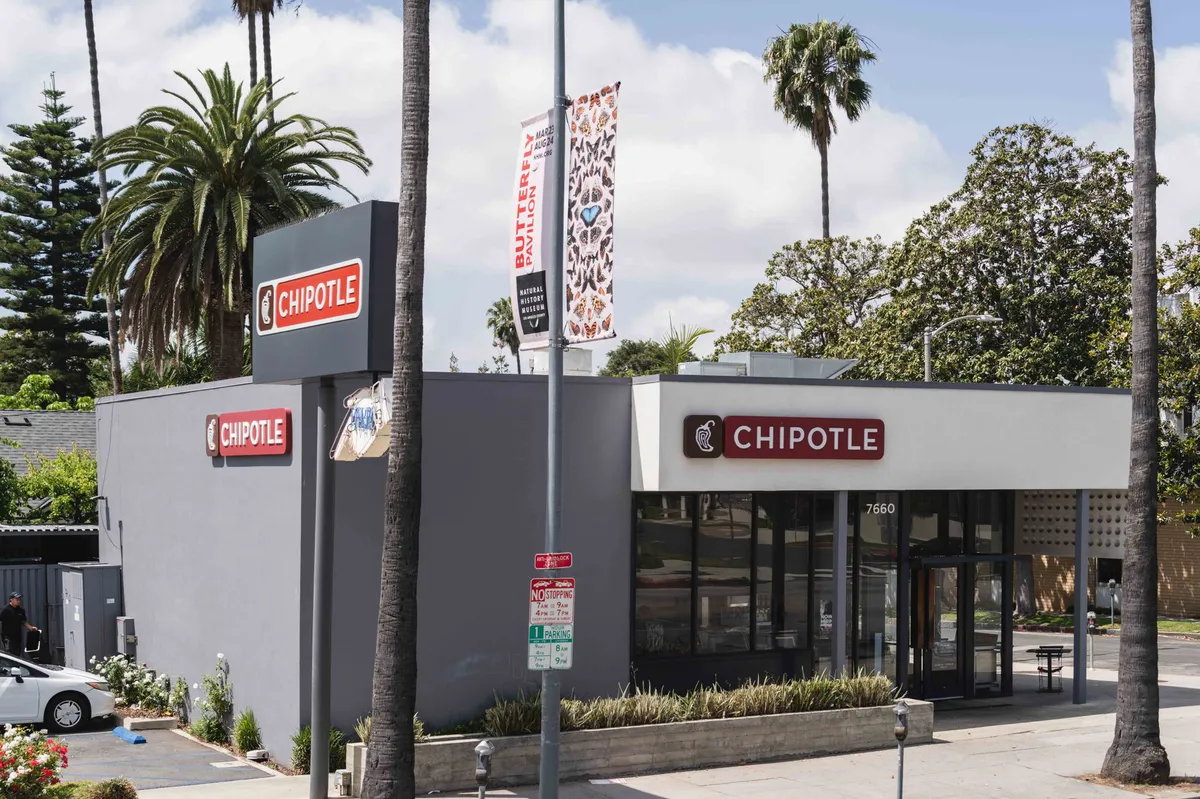
The stock market has reacted negatively to news of the outbreak, reflecting investors' concerns about Chipotle's future performance. Following the announcement of the federal investigation, Chipotle's shares experienced a notable decline—the largest single-day drop in months. Investors are particularly sensitive to food safety issues, given the company’s previous challenges with E. coli and norovirus outbreaks that have hurt its brand image and financial performance.
The Investor Perspective
For investors, understanding the implications of food safety incidents is essential. Stock fluctuations can be significant, and companies involved in foodborne illness outbreaks often face long-term consequences, including decreased consumer trust and potential legal costs. Investors should closely monitor the situation as the FDA continues its investigation and as more information becomes available regarding the source of the salmonella contamination.
Key Takeaways
- 110+ reported illnesses linked to contaminated jalapeños.
- Chipotle has removed the implicated peppers from its restaurants.
- Salmonella symptoms can range from mild to severe, affecting vulnerable populations the most.
- Legal ramifications may arise from the outbreak, impacting Chipotle's reputation and finances.
- Investors should remain vigilant as stock performance is closely tied to public perception of food safety.
Frequently Asked Questions
What should I do if I have symptoms of salmonella infection?
If you develop symptoms such as diarrhea, fever, or stomach cramps after consuming food from a restaurant linked to a salmonella outbreak, it is crucial to seek medical attention. Healthcare professionals can provide guidance on treatment and may recommend tests to confirm the infection. Reporting your illness to local health authorities can also aid in tracking the outbreak.
How can I protect myself from foodborne illnesses?
To minimize the risk of foodborne illnesses, practice safe food handling techniques. This includes washing hands thoroughly before preparing food, cooking foods to the recommended temperatures, and avoiding cross-contamination between raw and cooked foods. Additionally, staying informed about food recalls and outbreaks can help you make safer choices when dining out.
What are Chipotle's responsibilities during an outbreak investigation?
During an outbreak investigation, Chipotle is required to cooperate with health officials by providing records related to food sourcing and distribution. The company must also ensure that any implicated products are removed from its supply chain as quickly as possible to prevent further illness. Transparency with the public is also critical to maintaining consumer trust.
Can Chipotle be held liable for the outbreak?
Liability in foodborne illness cases can be complex and depends on various factors, including whether the company exercised due diligence in its food safety practices and supplier vetting. If investigators find that Chipotle acted negligently or failed to uphold safety standards, it may be held liable for damages related to the outbreak.
This article is for informational purposes only and should not be considered legal advice.
Comments
Oregon Police Seek Qualified Immunity in Controversial Wrongful Conviction Case
A Ninth Circuit panel is evaluating whether Oregon police officers can invoke qualified immunity in a wrongful conviction case tied to fabricated evidence. This legal battle raises critical questions about accountability in law enforcement and the impact of wrongful convictions on families.

Related articles



Popular in Personal Injury
- Hawaii Supreme Court Overturns 36-Year-Old Rape Conviction Due to Forensic Flaws
- The Impact of Pro Bono Work by BigLaw Firms in 2025
- Albertsons Faces Trial Over Role in Washington's Opioid Crisis
- The Hidden Dangers of Open Manholes in New York City
- Historic $81 Million Verdict in Utah Pedestrian Wrongful Death Case