Understanding Gun Transportation Laws: What You Need to Know
Navigating the complexities of gun transportation laws can be daunting for firearm owners, especially when crossing state lines. This article breaks down the legal landscape for transporting firearms in vehicles, detailing state-specific regulations, federal protections, and the implications of non-compliance.
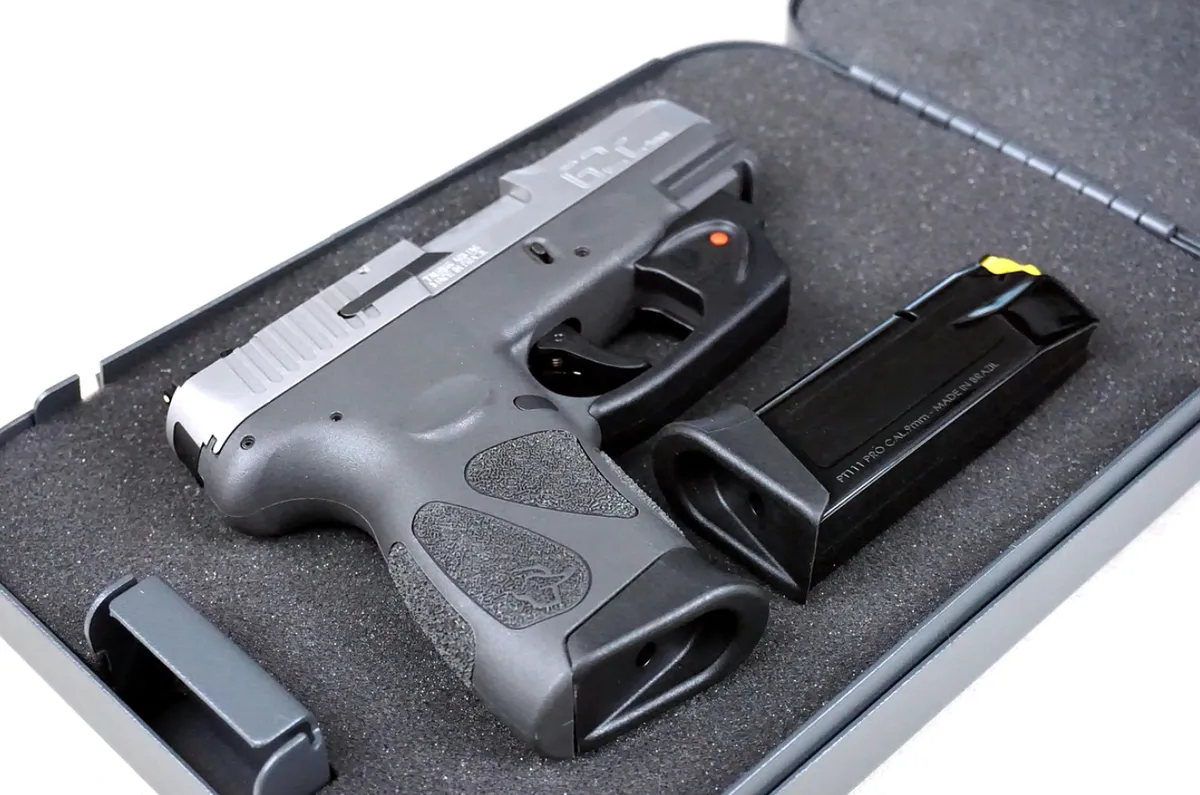
For many Americans, the right to own and carry a firearm is a fundamental aspect of their lifestyle. As of 2025, approximately 42 percent of households in the U.S. reported keeping a firearm at home, according to Gallup polling. This reality raises an essential question: how do gun owners legally transport their firearms from their homes to their vehicles, especially when crossing state lines? Understanding the laws governing firearm transportation is crucial to avoid severe legal repercussions, as the rules can vary drastically from one state to another.
The legal framework surrounding gun transportation encompasses federal laws, state regulations, and sometimes local ordinances. While federal law sets a baseline for what is permissible, states are free to impose stricter rules. This complexity means that what is legal in one state can easily become a felony in another. Therefore, responsible gun ownership entails not just understanding how to handle firearms safely but also being well-versed in the legal requirements for transporting them.
The Basics of Firearm Transportation Laws
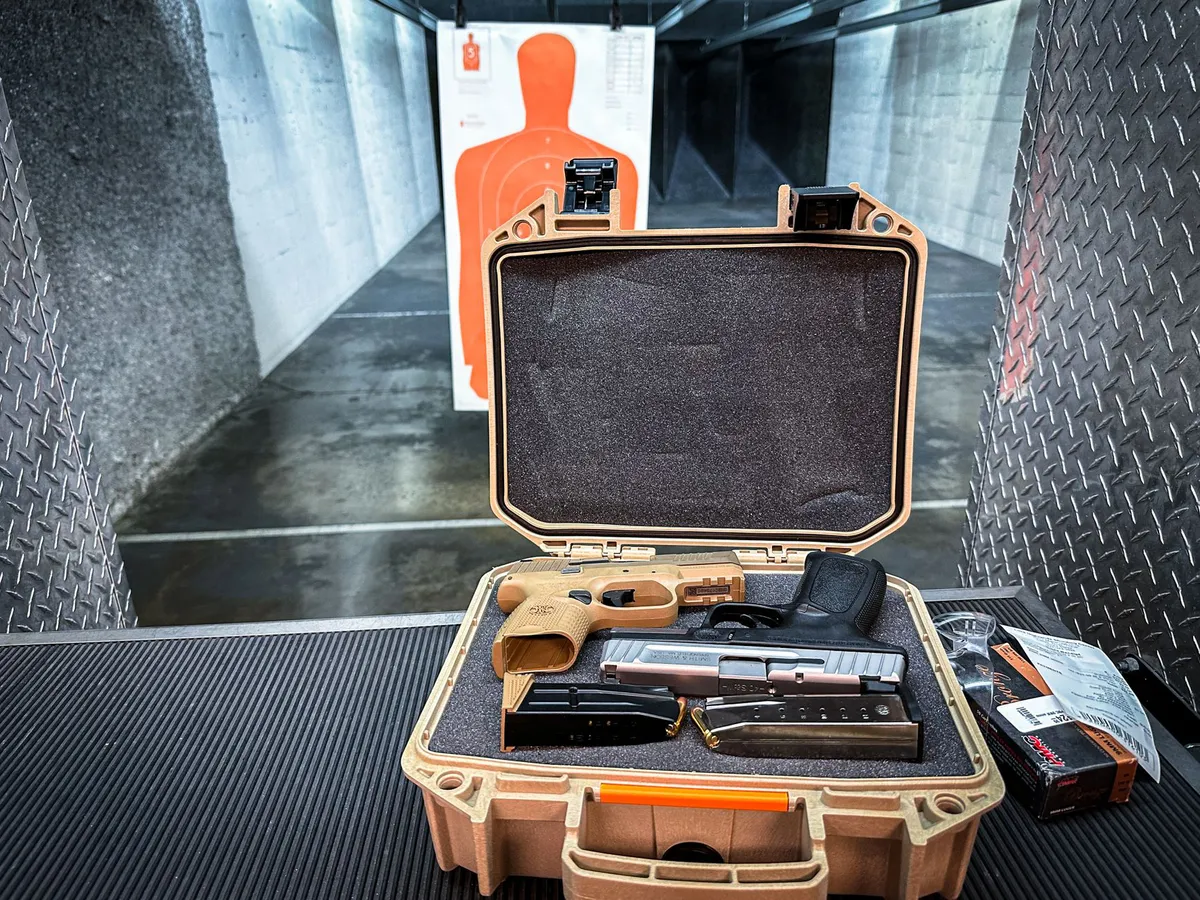
Transporting a firearm legally involves a myriad of regulations that vary significantly by state. In North Carolina, for example, you can transport a handgun without a concealed carry permit, provided it is in plain view or locked in the trunk of your vehicle. However, simply placing it in an accessible area, such as under a seat, may lead to legal trouble.
Federal Regulations and Protections
Under 18 U.S.C. § 926A, federal law provides certain protections for gun owners traveling across state lines. This law allows individuals to transport firearms as long as they are legally permitted to possess them in both the state of departure and the state of arrival. However, specific conditions apply:
- The firearm must be stored in a locked container.
- The firearm must be unloaded and not readily accessible from the passenger compartment.
- The protection applies to interstate travel only and does not guarantee immunity from state laws.
This federal framework is crucial for gun owners who find themselves traversing states with varying degrees of firearm restrictions. Nevertheless, it is essential to remember that federal law does not override state laws, meaning a firearm may still be illegal to possess in certain jurisdictions, regardless of federal protections.
Understanding State-Specific Regulations
Gun transportation laws can be categorized broadly into three groups based on the level of permissiveness:
1. Permitless Carry States
In permitless carry states, individuals who are legally permitted to own a firearm can carry it loaded and concealed in their vehicles without needing a permit. As of 2025, over half of U.S. states have adopted some form of permitless carry, simplifying the transportation process for many gun owners.
2. Permit Required States
Some states require individuals to possess a concealed carry permit to transport a loaded firearm in a vehicle. In these jurisdictions, if you do not have a permit, you must transport the firearm unloaded and secured in compliance with state law. For example, California mandates that firearms be stored in a locked container, while other states may require them to be placed in the trunk or out of reach of passengers.
3. Restrictive States
Certain states impose stringent regulations on firearm transportation, regardless of whether you have a permit. States like New Jersey, New York, Massachusetts, and Hawaii have some of the most restrictive laws. In New York, for instance, transporting a firearm in a vehicle is heavily regulated and continues to face legal challenges. Gun owners in these states must stay vigilant about the evolving legal landscape.

The Risks of Non-Compliance
The consequences of violating firearm transportation laws can be severe and life-altering. Depending on the jurisdiction and the specifics of the violation, penalties can range from minor misdemeanors with fines to felonies that carry multi-year prison sentences. A felony conviction can permanently strip an individual of their right to own or possess a firearm under federal law, creating a long-lasting impact on their life.
Additionally, a firearms violation can have far-reaching consequences beyond legal penalties. Individuals convicted of firearm-related felonies may face difficulties in employment, professional licensing, and immigration status for non-citizens. Furthermore, in many states, such a conviction can lead to the forfeiture of any existing concealed carry permit.

Crossing State Lines: The Compliance Challenge
Traveling across state lines with a firearm presents unique challenges due to differing laws that can change at each border. The federal transport protections outlined earlier do not apply if a person makes unnecessary stops or takes detours that deviate from a direct route. This means that a seemingly innocent lunch break could potentially lead to legal trouble if the firearm is not stored properly during the stop.
Moreover, reciprocity agreements between states can complicate matters further. While some states recognize each other's concealed carry permits, this recognition does not always extend to vehicle carry laws for non-residents. If a permit holder enters a state without an agreement, they must adhere to that state’s regulations.
Prohibited Locations for Firearm Carry
Even in states with more relaxed firearm carry laws, specific locations may prohibit vehicle carry entirely. The Federal Gun-Free School Zones Act outlines strict regulations for carrying firearms within 1,000 feet of a school. Similarly, state capitol buildings, polling places, and various government structures often restrict firearms in parked vehicles. Private property owners also have the right to impose restrictions on firearm possession, which can vary according to state law.
Key Takeaways
- Gun owners must be aware of federal and state laws: Understanding the legal framework is essential for safe and lawful transportation.
- Transporting firearms varies by state: Regulations differ significantly, with some states requiring permits and others allowing permitless carry.
- Legal consequences can be severe: Violating firearm transportation laws can lead to misdemeanors or felonies, affecting one’s right to possess firearms.
- Crossing state lines requires caution: Gun owners should familiarize themselves with the laws of each state they travel through.
- Prohibited locations exist: Even in permissive states, certain locations may restrict firearm carry, which must be adhered to.
Frequently Asked Questions
What should I do before traveling with a firearm?
Before traveling with a firearm, it’s crucial to research the gun laws of each state you will be passing through. Check both federal and state regulations to ensure compliance, especially regarding how firearms should be stored during transit. If possible, consult with a legal expert specializing in firearm laws to clarify any doubts.
Can I transport a loaded firearm in my vehicle?
Whether you can transport a loaded firearm in your vehicle depends on the laws of your state. In permitless carry states, it is generally permissible. However, in states that require a permit, loaded firearms must be stored in accordance with state regulations, which may include being unloaded and locked in a container if you do not have a permit.
What happens if I violate firearm transportation laws?
Violating firearm transportation laws can result in criminal charges ranging from misdemeanors to felonies, depending on the severity of the violation and the jurisdiction. A felony conviction typically leads to a permanent loss of firearm rights under federal law and can affect other areas of your life, such as employment opportunities or immigration status.
Are there any exceptions to firearm transport laws?
Yes, there are exceptions to firearm transport laws that vary by state. For example, certain states have provisions allowing the carry of firearms under specific conditions, such as when traveling directly to a shooting range or hunting area. However, these exceptions are highly specific and must be carefully reviewed in the context of the applicable state laws.
Disclaimer: The content provided in this article is for general informational purposes only and does not constitute legal advice.
Comments
Oregon Police Seek Qualified Immunity in Controversial Wrongful Conviction Case
A Ninth Circuit panel is evaluating whether Oregon police officers can invoke qualified immunity in a wrongful conviction case tied to fabricated evidence. This legal battle raises critical questions about accountability in law enforcement and the impact of wrongful convictions on families.

Related articles




Popular in Personal Injury
- Hawaii Supreme Court Overturns 36-Year-Old Rape Conviction Due to Forensic Flaws
- The Impact of Pro Bono Work by BigLaw Firms in 2025
- Albertsons Faces Trial Over Role in Washington's Opioid Crisis
- The Hidden Dangers of Open Manholes in New York City
- Historic $81 Million Verdict in Utah Pedestrian Wrongful Death Case