Navigating the Gig Economy: Legal Challenges in Rideshare and Delivery Accidents
As the gig economy grows, understanding the legal implications of rideshare and delivery accidents becomes vital, especially in bustling areas like San Marcos, Texas. This article delves into the complexities of insurance coverage, liability, and what injured parties need to know to protect their rights.
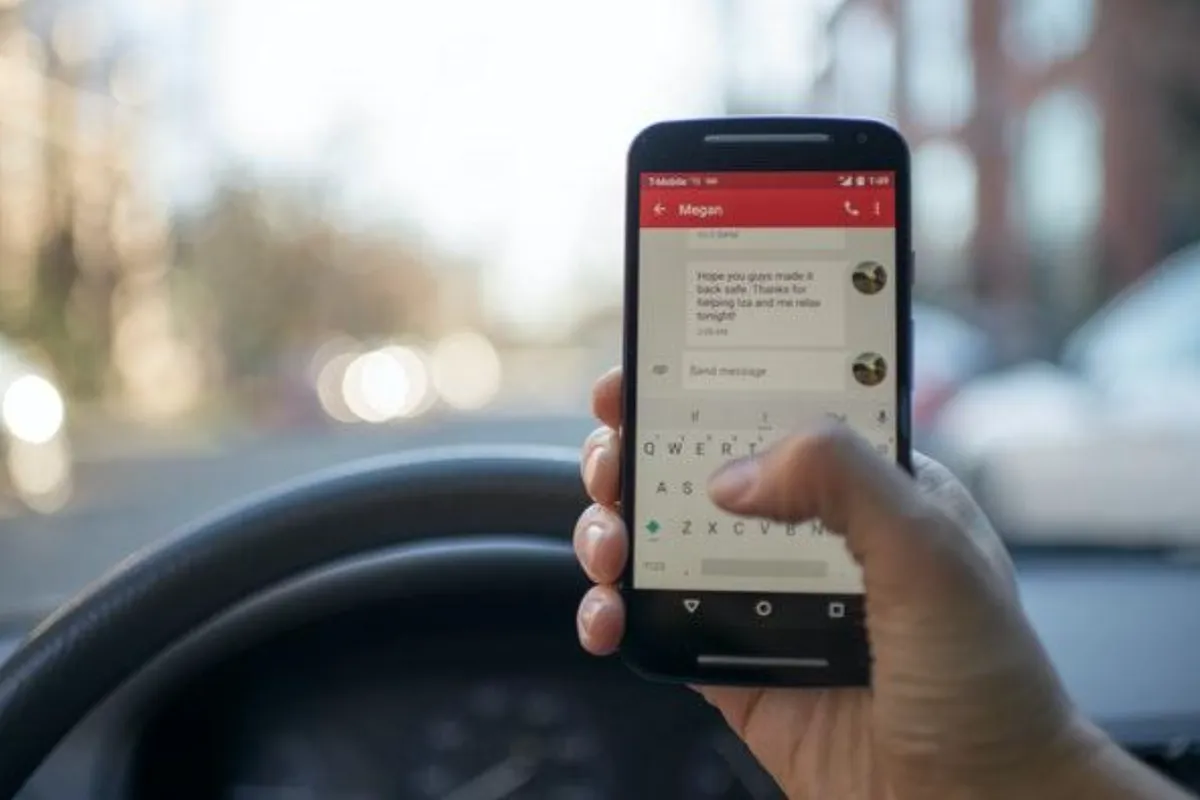
The gig economy has transformed how we navigate urban life, particularly in college towns like San Marcos, Texas, where a significant portion of the population relies on app-based services for transportation and food delivery. With nearly 40,000 students attending Texas State University, many of whom lack personal vehicles, the streets bustle with rideshare and delivery vehicles that constantly shuttle between the campus and surrounding neighborhoods. However, this convenience comes with complications, particularly when accidents occur. Understanding the nuances of insurance coverage in these cases is crucial for anyone involved in a gig economy accident.
When a crash happens involving rideshare or delivery services, the injured parties often find that the legal landscape is markedly different from a standard car accident. The cornerstone of these cases hinges on determining which insurance policy is applicable and to what extent coverage exists. In Texas, the legal framework for rideshare services is governed by Chapter 1954 of the Texas Insurance Code, which lays out specific provisions for insurance coverage based on the driver's app status at the time of the incident.

Understanding the Insurance Framework for Rideshare Services
Texas law categorizes rideshare drivers' insurance coverage into three distinct phases, each with varying implications for both drivers and passengers:
- App Off: The driver is considered a private motorist. Only their personal auto insurance applies, which often comes with minimal limits.
- App On, Waiting for a Ride Request: During this phase, the statute mandates a minimum coverage of $50,000 per person and $100,000 per incident for bodily injury, plus $25,000 for property damage. This phase is where many insurance disputes arise, as personal auto insurers may deny coverage if the driver is logged into a rideshare app.
- Prearranged Ride Accepted or Passenger Onboard: Coverage escalates significantly to a total aggregate limit of $1 million for bodily injury and property damage per incident. This increase highlights the importance of app status, as two seconds of logged activity can dramatically affect available coverage.
Establishing which phase the driver was in at the time of the accident is often the key to a successful claim. This requires obtaining trip records, app data, and conducting formal discovery with the rideshare company to clarify coverage.

The Complexities of Delivery App Insurance
While rideshare services like Uber and Lyft have a clear insurance framework, the same cannot be said for food and package delivery platforms. Unlike rideshare drivers, delivery drivers often face a more fragmented insurance landscape:
Some delivery companies provide excess liability coverage only during an active delivery; others may rely on the driver's personal policy to deny claims first. Additionally, gaps in coverage can exist between deliveries, leaving injured parties vulnerable. Many personal auto insurance policies include exclusions for business use, which can complicate claims even further.
The result is a precarious situation for anyone injured by a delivery driver. Victims may face a driver with an excluded personal policy and a delivery platform attempting to evade liability by referencing its terms of service. These cases often necessitate an extensive document examination, including delivery logs, app status records, and insurance policies.

The Position of Passengers and Pedestrians
Passengers in rideshare vehicles generally find themselves in a stronger position than those involved in delivery accidents. If a rider is injured during an Uber or Lyft trip, they are typically covered by the rideshare company's $1 million insurance policy, regardless of fault. This protection also extends to uninsured or underinsured motorist coverage, providing an additional safety net for passengers.
For students and residents in San Marcos, where foot and bicycle traffic is prevalent, the risks extend beyond rideshare incidents. Pedestrians struck by gig drivers can claim against the applicable coverage phase while also potentially tapping into their family's auto insurance under uninsured/underinsured motorist (UM/UIM) coverage. This dual-layer of protection is often overlooked but can be critical for ensuring adequate compensation.
The Reality of Accident Statistics and Liability
The increase in gig economy vehicles on the road correlates with a rise in accidents. In 2024, Hays County recorded over 3,600 crashes, resulting in 28 fatalities and numerous serious injuries, a statistic driven by a combination of heavy traffic and a relatively young driving population. The presence of gig vehicles in these statistics is significant, as many students rely on gig work as a primary source of income.
In the event of an accident, liability disputes can become contentious. Texas follows a modified comparative fault rule, meaning that if an injured party is found to be more than 50% responsible for the accident, they are barred from recovery. Conversely, any percentage of fault below that threshold will proportionately reduce the damages awarded. Insurance companies will aggressively investigate claims, and app data can be utilized to establish negligence on the part of the driver or even the injured claimant.

Finding Legal Support
Given the complexities surrounding gig economy accidents, consulting with an experienced personal injury attorney is vital. Law firms such as Husain Law + Associates offer free consultations to review gig economy crash cases, ensuring that individuals understand their rights and the potential pathways to recovery. These firms often work on a contingency basis, meaning that attorney's fees are only owed upon a successful recovery.
Each case is unique, and while no outcome can be guaranteed, the difference between a thorough analysis of coverage and a lack thereof can be monumental—transforming a meager personal policy into access to a $1 million insurance policy.
Key Takeaways
- Understanding the insurance framework for rideshare and delivery accidents is crucial for injured parties.
- Rideshare coverage phases can significantly impact available compensation; obtaining app data is vital.
- Delivery drivers may have limited insurance coverage, creating gaps that can affect claims.
- Passengers typically have more robust protections than pedestrians or cyclists involved in gig-related accidents.
- Consulting with an experienced attorney can help navigate complex insurance claims and maximize recovery.
Frequently Asked Questions
What should I do immediately after an accident involving a rideshare or delivery vehicle?
If you’re a passenger or a pedestrian involved in an accident with a rideshare or delivery vehicle, it's essential to document everything immediately. Take screenshots of the trip details, including the driver’s identity, the route taken, and the receipt. This information can be critical in determining which insurance coverage applies and can support your claim.
How does the app status affect insurance coverage in an accident?
The app status—whether the driver is logged in or off—directly influences the type of insurance coverage available during an accident. If the app is off, the driver is treated as a private motorist, and only their personal auto insurance applies. If the app is on, different coverage limits kick in, and it’s essential to establish the app status at the time of the incident.
Can I rely on my personal auto insurance if I drive for gig services?
Many personal auto insurance policies contain exclusions for business use, which can include driving for rideshare or delivery services. It's critical to speak with your insurance provider about specific endorsements that can cover you while driving for these platforms. Without proper coverage, you may find yourself without support after an accident.
How long do I have to file a claim after a gig economy accident?
In Texas, the general statute of limitations for filing a personal injury claim is two years from the date of the accident. However, because evidence such as app data and trip records should be preserved quickly, it's advisable to act sooner rather than later to protect your rights and ensure a successful claim.
This content is general information and not legal advice.
Comments
Walmart Faces Class Action Over Alleged Illegal Voiceprint Collection
Walmart is embroiled in a class-action lawsuit over accusations of illegally collecting customers' voiceprints. The lawsuit claims violations of Illinois' Biometric Information Privacy Act, which could have significant implications for consumer privacy rights.
Related articles




Popular in Personal Injury
- Hawaii Supreme Court Overturns 36-Year-Old Rape Conviction Due to Forensic Flaws
- The Impact of Pro Bono Work by BigLaw Firms in 2025
- Albertsons Faces Trial Over Role in Washington's Opioid Crisis
- The Hidden Dangers of Open Manholes in New York City
- Historic $81 Million Verdict in Utah Pedestrian Wrongful Death Case