11th Circuit Upholds Ban on Minors at Drag Shows: Implications and Reactions
The 11th Circuit Court recently upheld a controversial law prohibiting minors from attending drag shows. This ruling raises significant questions about First Amendment rights, parental authority, and the cultural implications of such legislation.
In a landmark decision that has ignited passionate debates across the nation, the 11th Circuit Court of Appeals has upheld a law that prohibits minors from attending drag shows. This ruling represents a significant intersection of free speech rights, parental authority, and cultural expression, presenting a complex scenario for parents, performers, and lawmakers alike. As the fabric of American discourse continues to evolve, understanding the implications of this ruling is crucial for all stakeholders.
The law, passed in a climate of heightened scrutiny around children's exposure to various forms of entertainment, particularly those associated with LGBTQ+ communities, has drawn both staunch support and fierce opposition. Advocates for the law argue that it protects children from what they deem inappropriate content, while opponents view it as an infringement on artistic expression and a step backward for civil rights.
Understanding the Legal Framework
The ruling by the 11th Circuit does not exist in a vacuum; it is rooted in a broader legal context concerning First Amendment rights and the regulation of performances. The First Amendment of the U.S. Constitution guarantees freedoms concerning religion, expression, assembly, and the right to petition. However, these rights are not absolute. The government has the authority to impose certain restrictions, especially when it comes to protecting minors.
Regulations on Minors and Public Performances
Historically, numerous laws have been enacted to restrict minors from accessing certain types of entertainment deemed inappropriate. For example, many states have laws regulating access to adult-themed films, concerts, and even video games. The rationale behind these laws often hinges on the belief that children should be shielded from potentially harmful content that might influence their development or moral compass.
The Court's Reasoning
The 11th Circuit's decision was rooted in the belief that the law served a legitimate government interest—protecting minors from exposure to performances that could be construed as sexually explicit or otherwise inappropriate. The court emphasized the importance of parental rights in deciding what is suitable for their children, suggesting that the law does not outright ban drag shows but merely restricts access for minors.
Free Speech Concerns
However, the ruling raises significant questions about the balance between protecting children and upholding free expression. Critics argue that drag shows, which often include elements of humor, satire, and social commentary, are an essential part of cultural discourse. The potential for self-censorship among artists and performers could stifle creativity and limit opportunities for marginalized voices in the arts.
Community Reactions and Implications
The decision has sparked a wave of responses from various communities. Supporters of the law celebrate it as a victory for parental rights and child protection, while opponents view it as a troubling sign of censorship and discrimination against the LGBTQ+ community.
- Advocacy Groups: Organizations like the American Civil Liberties Union (ACLU) have voiced their strong opposition, asserting that the law sets a dangerous precedent for further restrictions on artistic expression.
- Parents and Guardians: The responses from parents have been mixed; some feel empowered by the ruling, while others express concern about the implications for artistic freedom and inclusivity.
- Performers and Artists: Many in the drag community fear that such legislation could limit their audience and inhibit their ability to express themselves freely.
Potential Legal Challenges Ahead
The ruling by the 11th Circuit is likely not the final word on this contentious issue. Legal experts anticipate that this decision may prompt further challenges, potentially escalating to the Supreme Court. The outcome of such cases could redefine the boundaries of free speech versus child protection laws.
The Role of Precedent
As with many legal battles, precedent will play a crucial role. Previous court decisions regarding similar laws will be scrutinized as lawyers and advocacy groups prepare to argue their cases. The evolving social landscape surrounding LGBTQ+ rights and expression will undoubtedly influence how these cases are perceived by the courts.
Key Takeaways
- The 11th Circuit upheld a law banning minors from attending drag shows, citing the protection of children.
- The decision raises significant questions regarding First Amendment rights and artistic expression.
- Responses from various communities highlight the divisive nature of the ruling, impacting advocacy and future legal battles.
Frequently Asked Questions
What does the law entail regarding drag shows and minors?
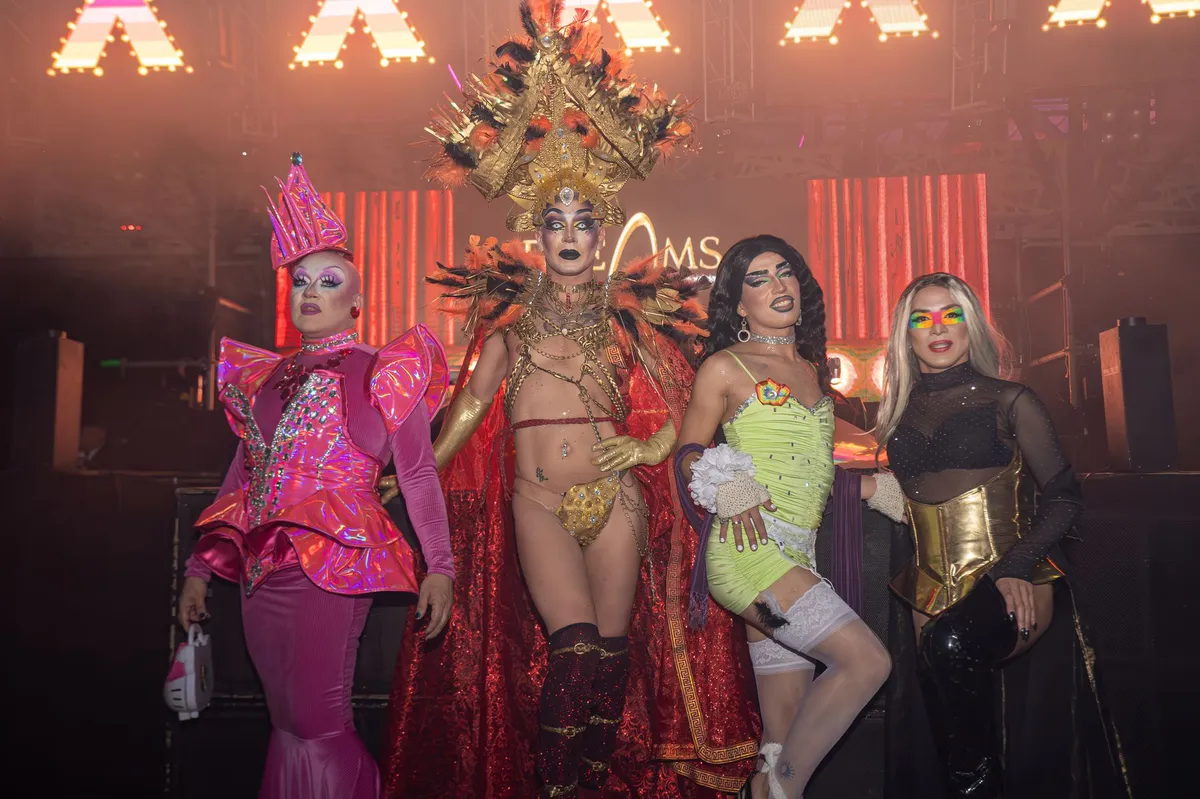
The law prohibits individuals under a certain age from attending drag shows, which are performances often characterized by flamboyant costumes, humor, and sometimes sexual themes. The intention behind the law is to protect minors from exposure to content deemed inappropriate by lawmakers, a stance that has sparked significant debate about censorship and artistic expression.
How does this ruling affect First Amendment rights?
The ruling raises critical First Amendment concerns, as it involves the delicate balance between protecting minors and ensuring the free expression of artists. While the court upheld the law, critics argue that such restrictions could lead to broader limitations on what types of performances are permissible, ultimately affecting the landscape of artistic expression.
What are the potential next steps for advocacy groups?
In light of the ruling, advocacy groups may pursue legal challenges aimed at overturning the law or seeking clarifications on its implementation. This could involve appealing to higher courts or launching campaigns to raise awareness about the implications of such legislation on civil rights and artistic freedoms.
Comments
Navigating the Gig Economy: Legal Challenges in Rideshare and Delivery Accidents
As the gig economy grows, understanding the legal implications of rideshare and delivery accidents becomes vital, especially in bustling areas like San Marcos, Texas. This article delves into the complexities of insurance coverage, liability, and what injured parties need to know to protect their rights.

Related articles



Popular in Personal Injury
- Hawaii Supreme Court Overturns 36-Year-Old Rape Conviction Due to Forensic Flaws
- The Impact of Pro Bono Work by BigLaw Firms in 2025
- Albertsons Faces Trial Over Role in Washington's Opioid Crisis
- The Hidden Dangers of Open Manholes in New York City
- Historic $81 Million Verdict in Utah Pedestrian Wrongful Death Case