Delayed Care After Heart Attack: A Bar Candidate's Legal Fight Against His University
A recent lawsuit reveals the potential consequences of delayed medical care in a university setting. A bar candidate is suing his school after suffering a heart attack, alleging negligence that could impact future legal professionals.

In a poignant case that underscores the intersection of education, health, and legal accountability, a bar candidate is suing his university after experiencing a significant delay in medical care following a heart attack. This lawsuit not only raises questions about the responsibilities of educational institutions in providing adequate medical support but also highlights the broader implications of delayed healthcare access for students, particularly those in high-stakes environments.
The candidate, who has not been named, alleges that the university’s failure to respond adequately to his medical emergency not only jeopardized his health but also delayed his preparations for the bar exam, an essential step in a legal career. The ramifications of such negligence could resonate far beyond the individual case, impacting the way universities approach health services for students and the legal responsibilities they hold.

Understanding the Legal Context
In the United States, lawsuits related to negligence often hinge on the concept of duty of care, which refers to the obligation to ensure the safety and well-being of others. In this case, the university may be scrutinized for its failure to provide timely medical assistance. The legal principle at play involves establishing whether the institution acted reasonably under the circumstances and whether its actions—or lack thereof—could be deemed negligent.
Defining Negligence in Educational Settings
Negligence is defined by four key elements: duty, breach, causation, and damages. To succeed in a lawsuit, the plaintiff (in this case, the bar candidate) must demonstrate that:
- Duty: The university had a legal obligation to provide adequate medical care.
- Breach: The university failed to meet that obligation.
- Causation: The breach directly led to harm or injury.
- Damages: The plaintiff suffered actual harm as a result.
In this instance, the candidate claims that the university’s medical staff did not respond promptly to his heart attack symptoms. If proven, this could establish a breach of the university’s duty to care for its students.
The Impact of Delayed Medical Care
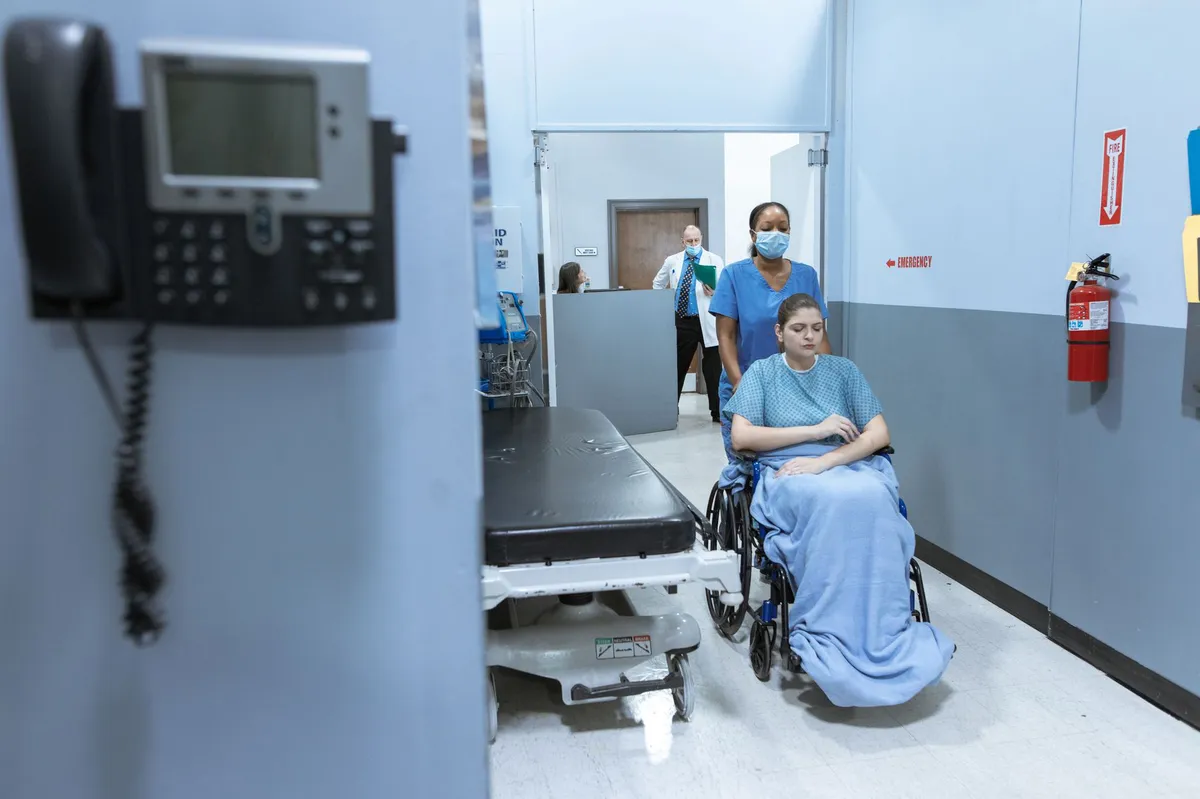
Delayed medical care can have severe consequences, particularly for individuals facing critical health issues like heart attacks. According to medical experts, prompt treatment can significantly improve outcomes and reduce the risk of long-term damage. In the context of this lawsuit, the failure to provide timely care can be viewed as a violation not only of medical ethics but also of legal standards that govern healthcare practices.
Consequences for Students and Future Attorneys
The implications of this lawsuit extend beyond the individual plaintiff. For students pursuing careers in high-stakes fields such as law, the pressure to succeed can be immense. Instances of delayed medical care can lead to a cascade of negative outcomes, including:
- Increased physical health risks.
- Emotional and psychological distress.
- Academic setbacks, particularly in rigorous programs.
- Potential financial burdens due to medical costs and lost opportunities.
As future attorneys, students must be aware of their rights and the responsibilities of their educational institutions. This case serves as a reminder for universities to prioritize student health and safety, particularly in environments where the pressure to perform is high.

Legal Ramifications and Institutional Accountability
This lawsuit could set a precedent for how universities handle medical emergencies in the future. If the court finds in favor of the plaintiff, it may encourage other students to come forward with similar claims, thereby holding educational institutions accountable for their healthcare practices. Such outcomes could lead to changes in policy and increased investment in student health services, ensuring that timely and appropriate care is available when it is most needed.
Potential Outcomes of the Case
While no lawsuit is guaranteed to succeed, several potential outcomes could arise from this case:
- A financial settlement for the plaintiff, compensating for medical expenses and emotional distress.
- Institutional reforms in the university's health services, including improved training for medical staff.
- A wider conversation about student health rights and the responsibilities of educational institutions across the nation.
The outcome of this case could be a catalyst for change, prompting universities to reevaluate their medical care protocols and prioritize student well-being.
Key Takeaways
- Delayed medical care can lead to serious health consequences and legal challenges.
- Negligence claims require proving duty, breach, causation, and damages.
- The outcome of this lawsuit could impact university health services nationwide.
- Students must be aware of their rights and the responsibilities of their institutions.
Frequently Asked Questions
What should students do if they experience delayed medical care at their university?
Students facing delayed medical care should first document their experience, including any relevant details such as times, dates, and conversations with medical staff. It is also advisable to seek a second opinion from an independent medical professional if possible. Students may also wish to report their experience to university administrators and consider consulting legal counsel to explore their options for potential claims.
How can universities improve their medical care for students?
Universities can enhance their medical care by investing in better training for healthcare staff, establishing clear protocols for handling emergencies, and ensuring that students are aware of available health services. Regular reviews of medical protocols and feedback from students can also help identify areas for improvement and ensure that student health is prioritized.
What legal protections do students have regarding medical care?
Students have the right to receive adequate medical care while attending an educational institution. Under various state laws and regulations, universities may be held liable for negligence if they fail to provide appropriate care. Additionally, students may have recourse through university grievance procedures or civil lawsuits if they believe their rights have been violated.
What impact can a lawsuit like this have on other students?
A lawsuit like this can serve as a wake-up call for other students, raising awareness about their rights and the importance of seeking timely medical care. It can also encourage universities to re-evaluate their health services, potentially leading to improvements that benefit all students. Ultimately, such cases can foster a culture of accountability within educational institutions.
Comments
Navigating the Gig Economy: Legal Challenges in Rideshare and Delivery Accidents
As the gig economy grows, understanding the legal implications of rideshare and delivery accidents becomes vital, especially in bustling areas like San Marcos, Texas. This article delves into the complexities of insurance coverage, liability, and what injured parties need to know to protect their rights.

Related articles





Popular in Personal Injury
- Hawaii Supreme Court Overturns 36-Year-Old Rape Conviction Due to Forensic Flaws
- The Impact of Pro Bono Work by BigLaw Firms in 2025
- Albertsons Faces Trial Over Role in Washington's Opioid Crisis
- The Hidden Dangers of Open Manholes in New York City
- Historic $81 Million Verdict in Utah Pedestrian Wrongful Death Case