Navigating the Aftermath of a Pedestrian Accident: Essential Steps and Insights
Understanding the steps to take and the financial implications after a pedestrian accident is crucial. Learn how to manage medical bills and seek fair compensation.
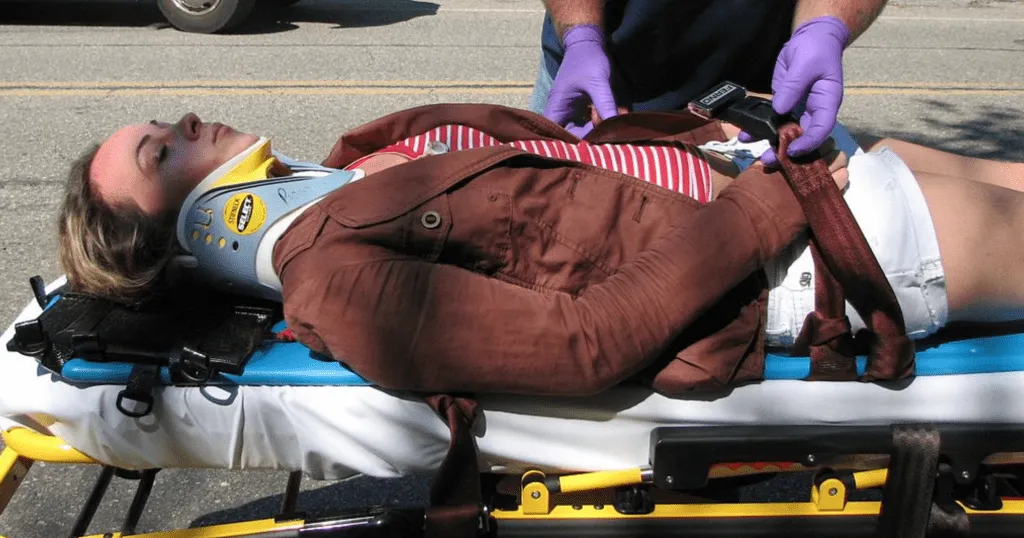
Every day, approximately 4,000 pedestrians are struck by vehicles in the United States, with the numbers steadily rising due to increasing vehicle sizes and distracted driving. The sudden transformation from a casual walk to a serious accident can leave victims and their families reeling, both physically and financially. Understanding the immediate steps to take and the intricacies of medical bills and compensation can be the difference between a smooth recovery process and a long, arduous legal battle.
Victims of pedestrian accidents often find themselves juggling medical emergencies with the complexities of insurance claims and mounting bills. These challenges can feel overwhelming, especially when the physical and emotional toll of the accident weighs heavily. In this article, we will explore crucial steps to take right after a pedestrian accident, how medical costs accumulate, the complexities of insurance coverage, and common pitfalls to avoid.

Immediate Actions After a Pedestrian Accident
The moments immediately following a pedestrian accident are critical. Your first priority should always be to seek medical attention, regardless of how you feel at that moment. Adrenaline and shock can mask serious injuries, making it essential to get evaluated by professionals. Calling 911 is the first step; not only does this ensure medical help will arrive, but the emergency medical technicians (EMTs) will document the incident and any visible injuries, which is valuable evidence for later claims.
Documenting the Scene
While waiting for emergency responders, try to document the scene as thoroughly as possible:
- Take multiple photos from various angles, capturing the vehicle involved, surrounding traffic signals, road conditions, and visible injuries.
- Gather contact details from witnesses; their testimonies can be crucial in establishing liability.
- If the driver offers to settle out of pocket, politely decline. Always file a police report to create an official record of the incident.
Retain any clothing or personal items from the accident, as they can serve as evidence of the impact's severity. Additionally, request a copy of the police report shortly after the incident, as it may contain important details that could be amended if necessary.

Understanding Medical Bills and Their Accumulation
Medical expenses following a pedestrian accident can accumulate rapidly and unexpectedly. The first wave of bills typically starts with the initial emergency room visit, which may cost anywhere from $3,000 to $10,000 just for evaluation and diagnostics. If injuries are more severe than initially thought, costs can escalate dramatically:
- A single CT scan can range from $1,500 to $3,000.
- Additional surgical interventions can exceed $50,000, particularly for complex orthopedic or neurological cases.
The second wave involves ongoing treatment, including physical therapy, specialist consultations, and necessary medical equipment. For instance, physical therapy sessions can cost anywhere from $200 to $300 each, and a comprehensive rehabilitation program could run $3,000 to $5,000 monthly. Long-term care for traumatic brain injuries or spinal cord injuries can lead to costs that total hundreds of thousands of dollars over a lifetime.

Who Is Responsible for Medical Bills?
Determining who pays for your medical bills can be complex and varies by state. In most situations, the at-fault driver’s liability insurance is responsible for covering your medical expenses, but this process is not automatic. Establishing fault and filing claims can take time, and negotiations over settlement amounts may extend for months or even years.
Your own health insurance is a critical resource during this period. Utilizing your health coverage can help manage immediate medical costs and prevent bills from going to collections while liability determinations are being made. Additionally, personal injury protection (PIP) coverage, if available on your auto policy, can cover immediate expenses regardless of fault. However, it’s important to understand that many states only require minimum liability coverage of $25,000 to $50,000, which is often insufficient for serious injuries.
Uninsured and Underinsured Motorists
A significant challenge arises when the at-fault driver is uninsured or underinsured. Approximately 13% of drivers in the U.S. operate without insurance, and in such cases, your uninsured motorist coverage becomes essential. This coverage can help pay for medical expenses and lost wages when the responsible party lacks insurance. If your expenses exceed the at-fault driver’s coverage limits, you might need to pursue compensation through your own underinsured motorist coverage or directly from the driver’s personal assets.

Avoiding Common Mistakes in Your Claim
The aftermath of a pedestrian accident is fraught with potential errors that can complicate your claim and lead to financial strain. One of the most critical mistakes is failing to preserve complete medical documentation. Many victims assume that their healthcare providers will maintain comprehensive records, but important details can be lost over time, making it difficult to substantiate claims during negotiations.
Another common pitfall is accepting the first settlement offer from an insurance company. Initial offers are often calculated to minimize payouts and may not adequately cover your ongoing medical costs. It’s essential to evaluate your total expenses, including future medical care, before agreeing to any settlement.
Keeping a Detailed Journal
Maintaining a detailed journal of your recovery can serve as a powerful tool during negotiations. Document not only the events of the accident but also your ongoing symptoms, medical appointments, and the ways in which your injuries impact daily living. This contemporaneous record can provide compelling evidence against any attempts by insurance companies to downplay your injuries.
Key Takeaways
- Seek immediate medical attention after a pedestrian accident, even if injuries don't seem apparent.
- Document the accident scene thoroughly, including photos and witness statements.
- Understand the costs associated with medical treatment and the potential for escalating bills.
- Be aware of your insurance coverage options and the importance of both health insurance and PIP.
- Avoid accepting the first settlement offer; instead, negotiate based on comprehensive documentation of your expenses and needs.
Frequently Asked Questions
What should I do if I feel fine after a pedestrian accident?
Even if you feel fine after a pedestrian accident, it is crucial to seek medical attention immediately. Adrenaline can mask serious injuries, and some symptoms may not present themselves until hours or days later. Additionally, if you delay seeking medical help, insurance companies may argue that your injuries were not serious or even related to the accident, which can jeopardize your claim.
How can I manage medical expenses while waiting for a settlement?
To manage medical expenses during the waiting period for your settlement, utilize your health insurance to cover initial bills. This approach helps prevent your medical bills from going to collections while you navigate the claims process. If you have personal injury protection (PIP) coverage, use it to cover immediate expenses regardless of fault. Keeping thorough documentation of all medical treatments and expenses will also be essential for future claims.
What if the at-fault driver doesn’t have insurance?
If the at-fault driver is uninsured, your uninsured motorist coverage becomes crucial. This type of insurance can help cover your medical expenses and damages when the responsible party lacks coverage. If you do not have uninsured motorist coverage, pursuing compensation directly from the uninsured driver can be challenging, as they may not have the financial resources to pay for your medical bills.
How long do I have to file a claim after a pedestrian accident?
The time frame for filing a claim after a pedestrian accident varies by state due to statutes of limitations. In most cases, you have between one to three years from the date of the accident to file a personal injury claim. However, it is crucial to consult with an attorney as soon as possible to ensure you meet all necessary deadlines and protect your rights effectively.
This article is for informational purposes only and does not constitute legal advice.
Comments
Understanding Boating Under the Influence (BUI) Laws: What You Need to Know
As summer approaches, understanding Boating Under the Influence (BUI) laws becomes increasingly important. This article provides a comprehensive overview of BUI, its implications, and the legal responsibilities of boat operators.

Related articles






Popular in Personal Injury
- Hawaii Supreme Court Overturns 36-Year-Old Rape Conviction Due to Forensic Flaws
- The Impact of Pro Bono Work by BigLaw Firms in 2025
- Albertsons Faces Trial Over Role in Washington's Opioid Crisis
- The Hidden Dangers of Open Manholes in New York City
- Historic $81 Million Verdict in Utah Pedestrian Wrongful Death Case