The Legal Implications of Pet Ownership: A Case Study on Jimothy the Raccoon
The case of Jimothy the raccoon raises important questions about pet ownership, intellectual property rights, and the legal landscape surrounding popular animals. Legal experts discuss the implications of popularity on ownership rights.
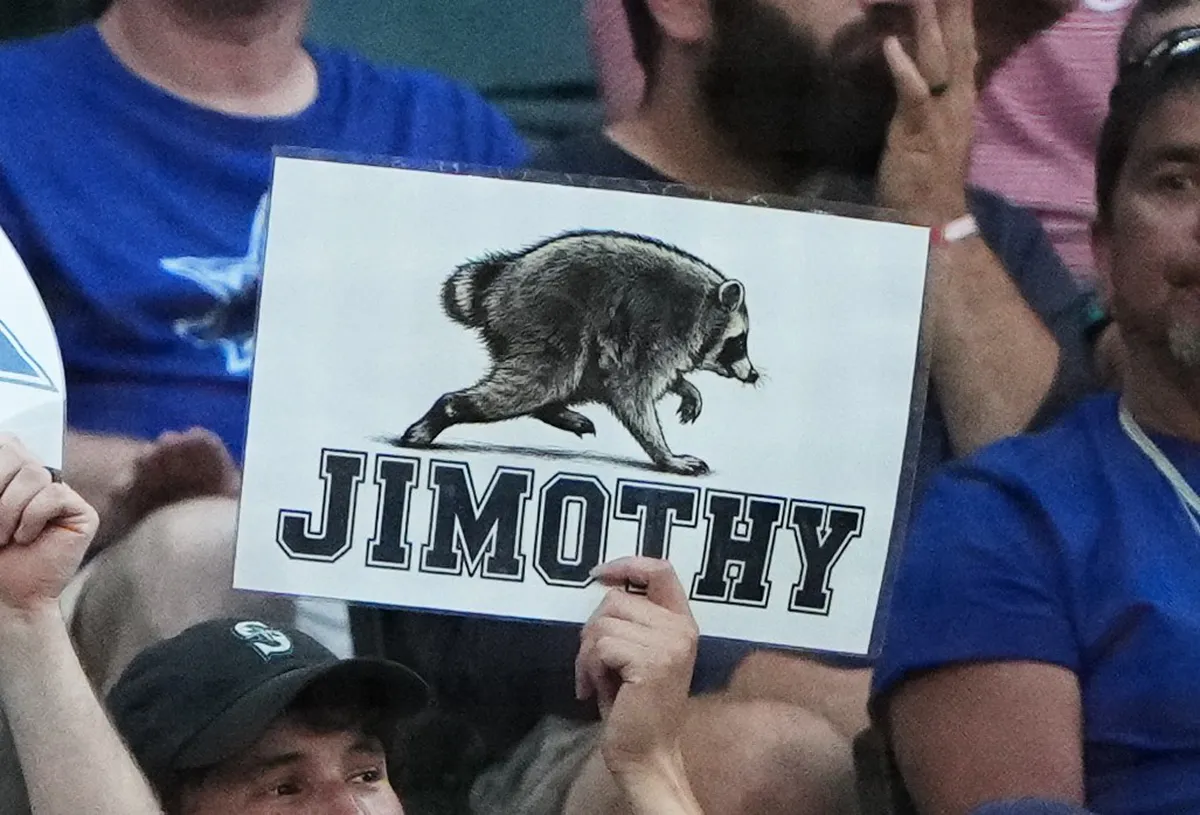
The tale of Jimothy the raccoon, a social media sensation, has sparked a lively debate about pet ownership and the legal ramifications of animal popularity. With a growing fan base, Jimothy has not only captured the hearts of his followers but also raised critical questions about who holds the rights to such a beloved creature. Whether it's through Instagram posts or viral videos, Jimothy's presence online highlights the intersection of animal ownership, intellectual property, and the responsibilities that come with being a pet parent. As legal experts weigh in, the implications of Jimothy's fame extend beyond mere admiration, prompting a deeper examination of what it means to own a pet in today's digital age.
Legal Framework Surrounding Pet Ownership
In the United States, pet ownership is primarily governed by state laws, which can vary significantly. Generally, pet owners have the right to keep their animals as personal property, but this right comes with certain responsibilities and potential legal challenges. The legal status of pets is typically categorized under personal property law, meaning that pets can be bought, sold, and owned like any other item.
However, the increasing trend of pets becoming public figures complicates this traditional view. Popular animals, like Jimothy, may garner attention that could lead to disputes over ownership rights, particularly when it comes to monetization opportunities through merchandise, branding, or social media endorsements.
Intellectual Property Considerations
With the rise of social media, the intersection of animal ownership and intellectual property (IP) law has become increasingly relevant. The concept of IP encompasses various legal protections for creations of the mind, including trademarks, copyrights, and patents. When it comes to a pet like Jimothy, several IP issues can arise:
- Trademark Rights: If Jimothy's name or likeness is used commercially, it could qualify for trademark protection, preventing others from using his identity without permission.
- Copyright Issues: Photos and videos featuring Jimothy may fall under copyright law, granting the owner exclusive rights to reproduce or distribute those images.
- Publicity Rights: Some states recognize an individual's right to control the commercial use of their name or likeness, which can extend to animals in certain contexts.
These considerations make it essential for pet owners to understand their rights and responsibilities when their pets become public figures. Legal experts advise that pet owners who find themselves in similar situations should seek guidance from attorneys with expertise in both animal law and IP law to navigate these complex issues effectively.
The Impact of Popularity on Ownership
As Jimothy's popularity continues to grow, the question of ownership becomes even more pressing. Popular animals can often become targets for theft or disputes over their care and rights. In Jimothy's case, his owner may face challenges from fans or opportunistic individuals seeking to capitalize on his fame.
Moreover, the emotional bond that pet owners have with their animals cannot be underestimated. The law recognizes the unique relationship between pets and their owners, which often complicates legal proceedings involving animal custody or ownership disputes. Courts generally consider the best interests of the animal, which can lead to unexpected outcomes.
Legal Precedents and Case Studies
There are several notable cases in U.S. legal history that highlight the complexities of pet ownership and the implications of popularity. For instance, in 2013, a high-profile case involving a dog named “Toby” raised questions about custody rights after the pet's owners separated. The court ultimately ruled in favor of the owner who could demonstrate a deeper bond with the pet, which illustrates how emotional connections can influence legal decisions.
Similarly, there have been instances involving celebrity pets, where their owners have faced legal challenges regarding trademark rights and commercial use of their likeness. In these situations, the courts often weigh factors such as the intent of the pet's owner and the potential for commercial exploitation.
What Pet Owners Should Know
For those considering pet ownership, especially of animals that may garner attention or fame, there are several key takeaways to keep in mind:
- Understand Your Rights: Familiarize yourself with local laws regarding pet ownership and the implications of potential popularity.
- Protect Your IP: Consider registering trademarks for your pet’s name or likeness if you anticipate commercial opportunities.
- Consult Legal Experts: If your pet gains notoriety, consult with attorneys specializing in animal law and IP to navigate ownership and rights effectively.
Being proactive in understanding these legal aspects can help prevent disputes and ensure that pet owners can fully enjoy the companionship their animals bring.

Key Takeaways
- Popular pets can raise complex legal issues regarding ownership and rights.
- Understanding intellectual property law is crucial for pet owners with famous animals.
- Legal precedents underscore the importance of emotional bonds in ownership disputes.
- Consultation with legal experts can provide clarity in complex situations.
Frequently Asked Questions
What legal rights do pet owners have?
Pet owners generally have the right to care for and keep their animals as personal property. This includes decisions regarding their health, wellbeing, and living conditions. However, these rights can be subject to local animal welfare laws, which may impose certain responsibilities on pet owners to ensure their animals are treated humanely.
How does popularity affect pet ownership rights?
Popularity can complicate ownership rights, especially when it comes to potential commercial exploitation. Owners of famous pets may face challenges such as trademark disputes or unauthorized use of their pet's image. Understanding these complexities is essential for owners who wish to protect their rights.
Can I trademark my pet’s name?
Yes, you can trademark your pet’s name if it is used in commerce or if it has acquired distinctiveness. This can protect against others using the name for commercial purposes without your permission. It is advisable to consult with an IP attorney to assess the viability of such a trademark.
What should I do if my pet becomes famous?
If your pet gains popularity, it is important to document their likeness and brand. Consider registering trademarks and copyrights to protect your rights. Additionally, consult with legal experts to navigate any potential disputes or opportunities that may arise.
This content is for informational purposes only and does not constitute legal advice.
Comments
Understanding Boating Under the Influence (BUI) Laws: What You Need to Know
As summer approaches, understanding Boating Under the Influence (BUI) laws becomes increasingly important. This article provides a comprehensive overview of BUI, its implications, and the legal responsibilities of boat operators.

Related articles






Popular in Personal Injury
- Hawaii Supreme Court Overturns 36-Year-Old Rape Conviction Due to Forensic Flaws
- The Impact of Pro Bono Work by BigLaw Firms in 2025
- Albertsons Faces Trial Over Role in Washington's Opioid Crisis
- The Hidden Dangers of Open Manholes in New York City
- Historic $81 Million Verdict in Utah Pedestrian Wrongful Death Case