Ute Tribe's Land Ownership Claim Rejected by DC Circuit Court
The Ute Indian Tribe's bid to regain ownership of 1.5 million acres in Utah has been denied by a DC Circuit panel, emphasizing the complexities of tribal land rights under federal law.
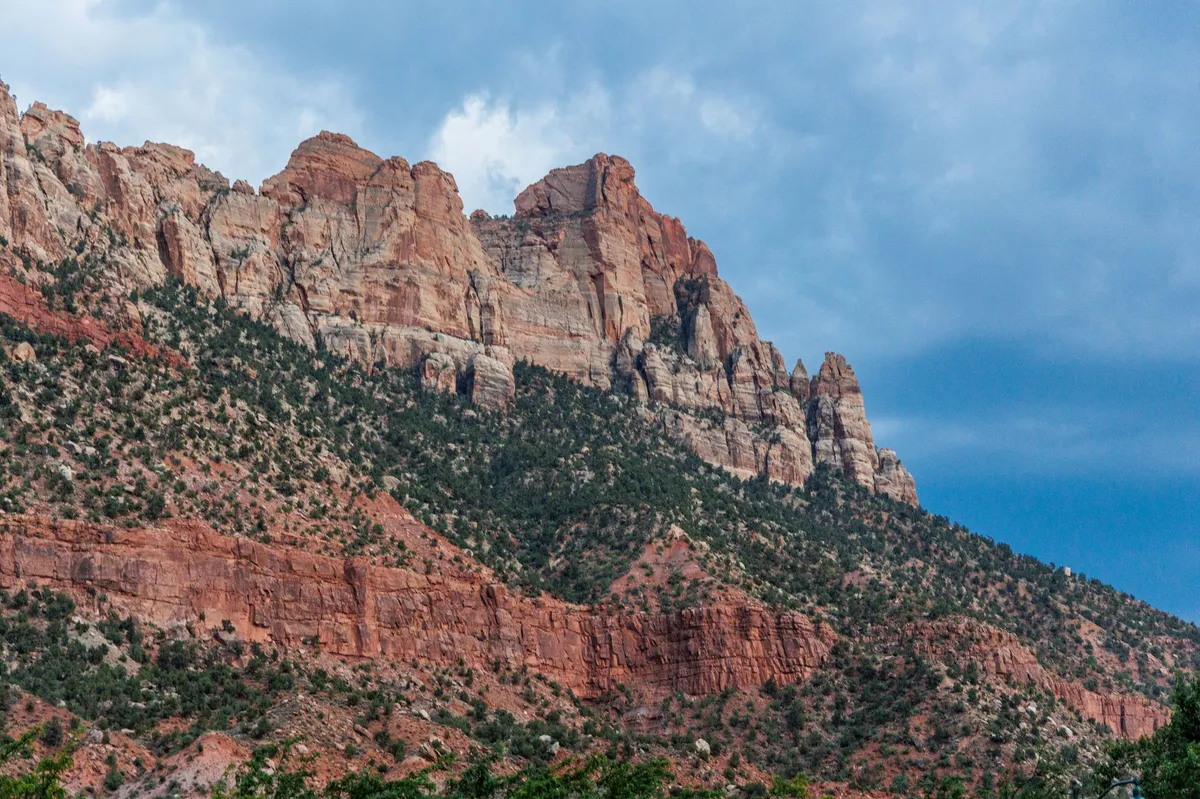
The Ute Indian Tribe of the Uintah and Ouray Indian Reservation has faced a significant setback in its quest to reclaim 1.5 million acres of land in northeastern Utah. In a recent ruling by a panel from the D.C. Circuit Court of Appeals, the court upheld the denial of the tribe's ownership claim, a decision rooted in the legal intricacies of the Indian Reorganization Act of 1934 and historical treaties that govern tribal land rights. This case highlights the ongoing struggle for land and sovereignty faced by Native American tribes in the United States.
The court's ruling, which was delivered by U.S. Circuit Judge Gregory Katsas, focused on the provisions of the 1880 Act—a legislative measure that ratified a settlement between the Ute bands and the federal government. The crux of the matter lies in the interpretation of whether the disputed land falls under the jurisdiction of the Uncompahgre Reservation in Utah or the original Colorado Reservation, which was significantly reduced in size due to historical conflicts and government policies.

The Historical Context of Ute Land Claims
The Ute Tribe's claim to the land is steeped in a long history of conflict with the federal government. The tribe originally inhabited a vast territory stretching from present-day Denver to Salt Lake City. However, a series of treaties and acts, particularly in the 19th century, drastically altered their land ownership. The 1863 treaty established a 15.7 million-acre reservation, which was later reduced following the discovery of valuable minerals. This led to tensions culminating in events like the Meeker Massacre of 1879, where several federal agents were killed, prompting Congress to take measures to dispossess the Utes.
In 1882, the federal government established the Uncompahgre Reservation, setting aside 1.9 million acres. However, this reservation was not fully allocated to the Ute Tribe. Instead, about 12,500 acres were allotted to the tribe, while the remaining land was sold off or retained by the government. The tribe's argument is that the 1880 Act coerced them into relinquishing additional lands in exchange for a smaller, more confined reservation.
The Legal Arguments and Court's Rationale
The D.C. Circuit's decision relied heavily on the interpretation of the 1880 Act. Judge Katsas noted that Section 3 of the Act grants the tribe a compensable title to certain lands, specifically those within the Colorado Reservation. This section pointedly excludes lands from the Uncompahgre Reservation in Utah. Thus, the court concluded that the tribe was not entitled to any proceeds from the sale of the disputed land, affirming the previous rulings by the Interior Department and a federal district court.
Katsas emphasized the importance of historical context, stating that the Supreme Court had previously ruled in favor of limiting tribal ownership to lands explicitly allocated in treaties. The court’s opinion reinforced a longstanding legal principle that tribes cannot claim ownership based solely on their historical presence or understanding of treaties if such claims are not supported by explicit legal language.
- 1880 Act: Establishes compensable title limited to Colorado lands.
- Historical context: Previous treaties and conflicts significantly impacted Ute land ownership.
- Legal precedent: Supreme Court rulings restrict tribal claims to specifically allocated lands.
- Government authority: Federal control over land use remains a significant barrier for tribes.

Implications for Tribal Sovereignty and Land Rights
This ruling has profound implications not only for the Ute Tribe but for Native American tribes across the United States grappling with similar issues of land rights. The decision underscores the complexities of federal Indian law, where historical treaties and legislative acts continually shape the landscape of tribal sovereignty. The Ute Tribe's struggle is emblematic of the broader challenges faced by tribes seeking to reclaim lands taken over the years.
Moreover, the ruling reinforces the notion that tribal claims may be constrained by historical legal interpretations that prioritize federal authority and land management practices over tribal sovereignty. As tribes continue to navigate these legal challenges, the need for legislative reform and more equitable recognition of tribal rights becomes increasingly apparent.
Next Steps for the Ute Tribe and Other Affected Tribes
In the wake of this ruling, the Ute Tribe faces limited options. While the decision can be appealed, the legal landscape suggests that further challenges may be met with similar resistance due to the established precedents that favor federal interpretations over tribal claims. The tribe may consider advocating for legislative changes that could provide a more favorable framework for land restoration and ownership rights.
Other tribes observing this case may also find themselves compelled to reassess their own claims and strategies in light of the court's ruling. Building alliances with other tribes and engaging in broader discussions about tribal rights and land management may be essential in the fight for sovereignty and justice.

Key Takeaways
- The D.C. Circuit ruled against the Ute Tribe's claim to 1.5 million acres in Utah.
- The ruling emphasizes the limitations of tribal land claims under federal law.
- Historical context and legal precedents play a crucial role in determining land ownership rights.
- Tribal advocates may need to push for legislative reforms to enhance land rights.
Frequently Asked Questions
What is the Indian Reorganization Act of 1934?
The Indian Reorganization Act (IRA) of 1934 was a landmark piece of legislation aimed at reversing the previous policies of assimilation and land allotment that had diminished tribal sovereignty and land holdings. The IRA sought to restore some degree of self-governance and protect tribal land from further encroachment by promoting tribal ownership of lands. However, its implementation has been fraught with legal challenges and interpretations that have often limited tribal claims to their ancestral lands.
What are the implications of the D.C. Circuit's ruling for tribal sovereignty?
This ruling underscores the ongoing challenges that Native American tribes face in asserting their land rights within a legal framework that often favors federal interests. It highlights the need for tribes to navigate a complex legal landscape that can restrict their sovereignty despite their historical ties to the land. The implications of this ruling may prompt tribes to reevaluate their legal strategies and advocate for reforms that better recognize tribal sovereignty and land ownership rights.
Can the Ute Tribe appeal the decision?
Yes, the Ute Tribe can appeal the decision to the U.S. Supreme Court, but the likelihood of success is uncertain given the established legal precedents. The Supreme Court has historically upheld interpretations that favor federal authority over tribal claims, making it challenging for tribes to win such appeals. However, the tribe may choose to pursue this route as part of a broader strategy to advocate for their land rights.
What steps can tribes take to protect their land rights?
Tribes can engage in several strategies to protect their land rights, including forming coalitions with other tribes to advocate for legislative reforms, leveraging public support through awareness campaigns, and pursuing legal avenues to challenge unjust rulings. Building a strong legal and political presence can help tribes assert their rights and push for more equitable treatment in matters of land ownership and sovereignty.
This article provides general information and is not legal advice.
Comments
Understanding Boating Under the Influence (BUI) Laws: What You Need to Know
As summer approaches, understanding Boating Under the Influence (BUI) laws becomes increasingly important. This article provides a comprehensive overview of BUI, its implications, and the legal responsibilities of boat operators.

Related articles







Popular in Personal Injury
- Hawaii Supreme Court Overturns 36-Year-Old Rape Conviction Due to Forensic Flaws
- The Impact of Pro Bono Work by BigLaw Firms in 2025
- Albertsons Faces Trial Over Role in Washington's Opioid Crisis
- The Hidden Dangers of Open Manholes in New York City
- Historic $81 Million Verdict in Utah Pedestrian Wrongful Death Case