Enhancing Witness Testimony Credibility: Strategies for Legal Success
Witness testimony plays a crucial role in legal proceedings, yet its credibility can be fragile. This article explores how attorneys prepare witnesses to enhance their reliability and the factors influencing juror perceptions.
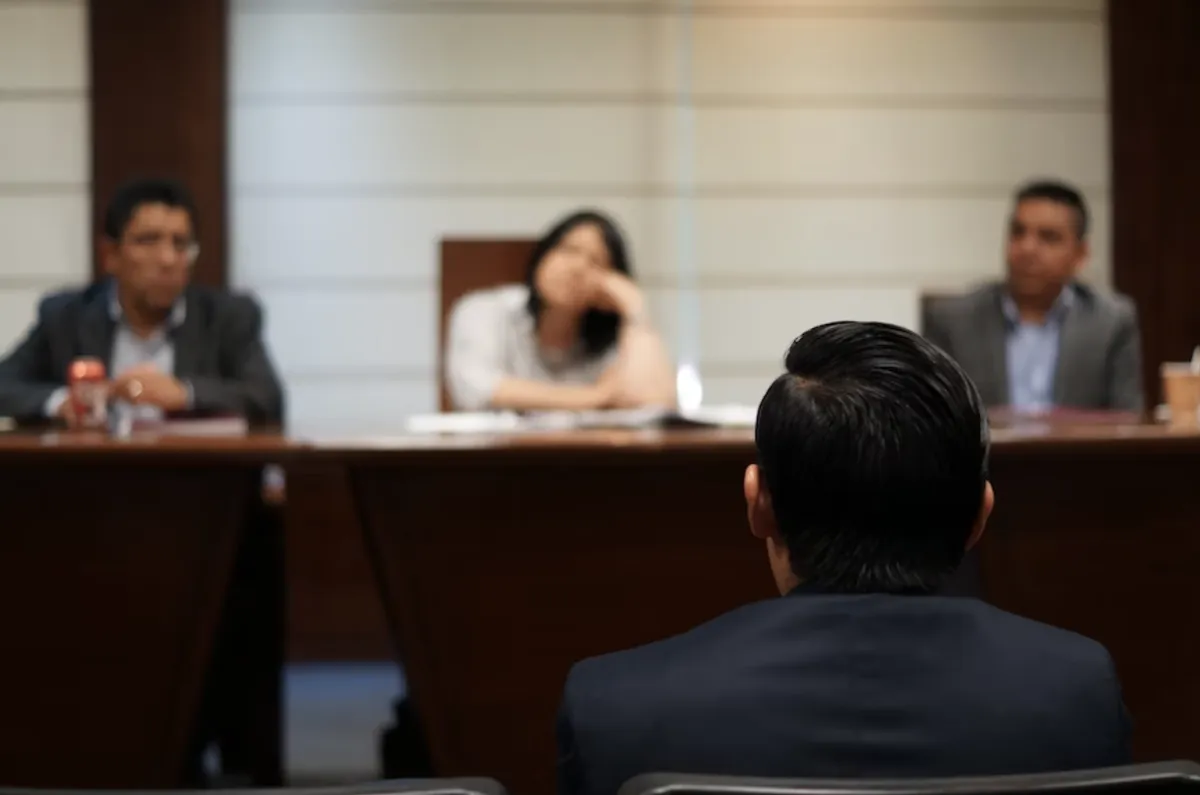
In the intricate world of legal proceedings, the weight of witness testimony cannot be understated. Eyewitness accounts often serve as pivotal evidence that can sway juries and judges alike. However, decades of psychological research have revealed a stark reality: a confident witness is not necessarily a reliable one. The Innocence Project highlights this disparity, noting that faulty eyewitness identification has contributed to a staggering 69% of wrongful convictions overturned by DNA evidence. This troubling statistic underscores the importance of witness preparation, which extends far beyond courtroom appearances.
Before a witness ever takes the stand, the groundwork for their credibility has already been laid — or undermined. Attorneys have a critical role in shaping how witnesses communicate their experiences, helping them to navigate the complex landscape of human perception and courtroom dynamics. This article delves into the factors that influence witness credibility, the techniques attorneys use to enhance it, and the challenges they face in ensuring that the testimony presented is both reliable and compelling.
The Importance of Witness Credibility in Legal Proceedings
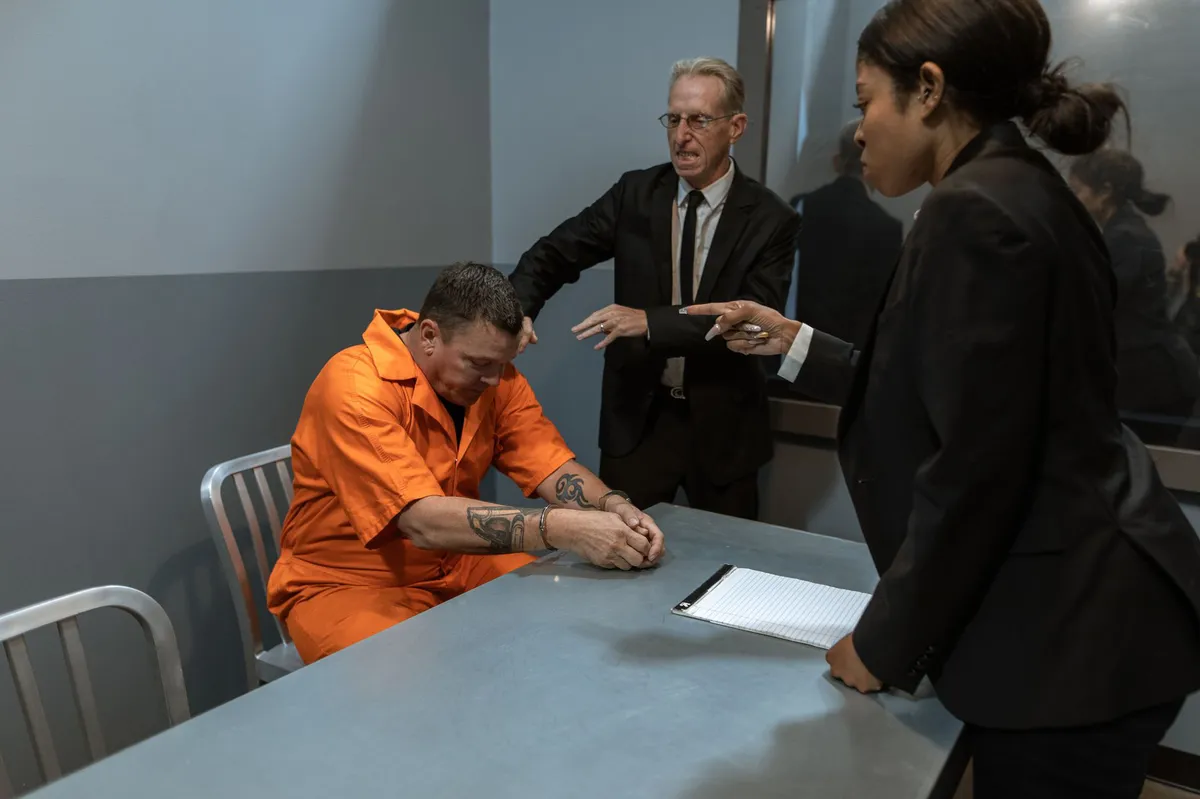
Credibility is not a monolithic quality; rather, it is a composite judgment formed from various psychological and procedural factors. In the courtroom, jurors and judges form impressions rapidly, often within moments of a witness beginning their testimony. This initial perception is influenced by numerous aspects beyond the content of what a witness states — including their demeanor, consistency, and apparent motives. A well-prepared witness can significantly bolster a case, while a poorly prepared one can unravel it.
How Credibility Affects Outcomes
Consider a typical civil litigation scenario involving a workplace injury. A coworker is called as a key witness to testify about the incident. Even if this witness is honest and well-meaning, their credibility can be compromised if they have not received proper guidance on how to communicate their observations effectively. For instance, if the witness provides a slightly different answer during cross-examination due to nerves or confusion, that inconsistency can be exploited by opposing counsel, undermining the witness’s reliability and jeopardizing the case.
Key Factors Influencing Witness Testimony Credibility
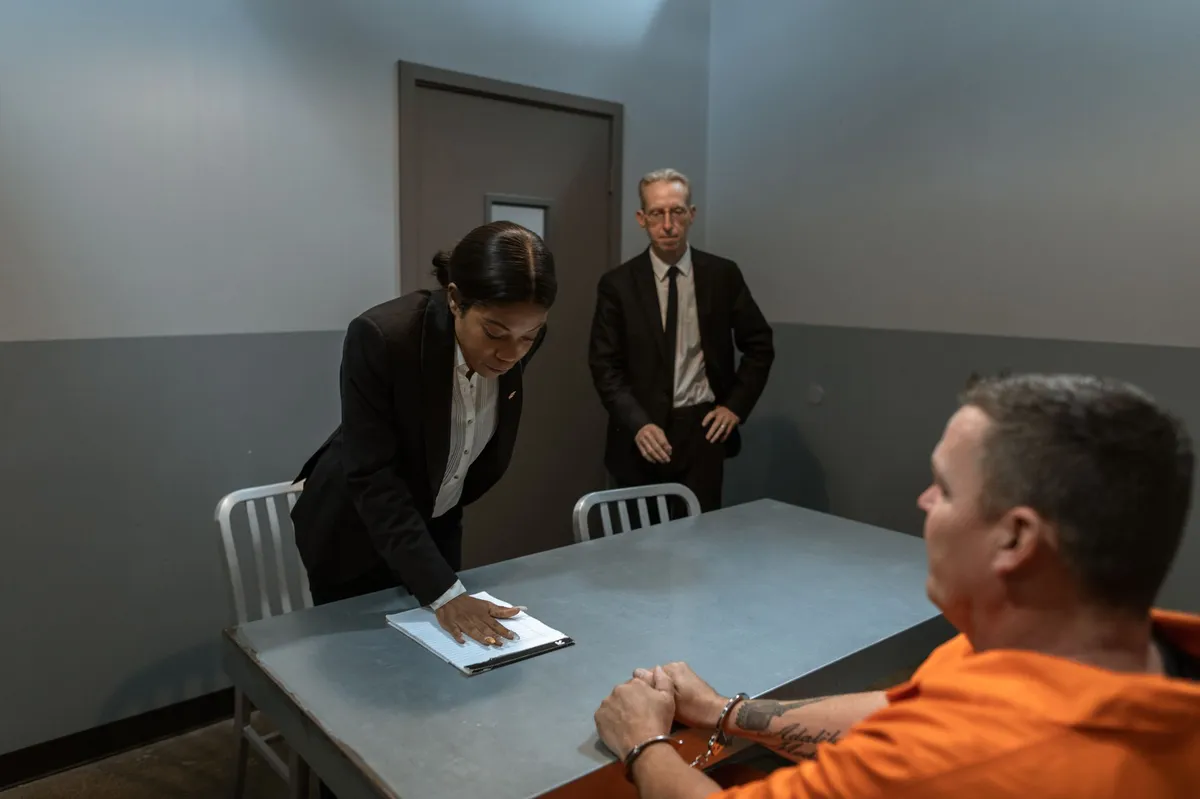
Understanding the elements that contribute to witness credibility is essential for attorneys aiming to enhance their clients' chances of success in court. These elements include:
- Memory Accuracy: Human memory is reconstructive, meaning it can be influenced by post-event information and is prone to decay over time. This makes the accuracy of recollections a central challenge.
- Confidence vs. Reliability: Jurors often view confident witnesses as more credible, despite research indicating no reliable correlation between confidence and accuracy. This discrepancy can lead to misjudgments.
- Prior Inconsistent Statements: Any previous statements that contradict trial testimony can be weaponized during cross-examination.
- Witness Bias: Jurors assess whether a witness has any financial, relational, or ideological stakes in the case's outcome.
- Opportunity to Observe: The witness's ability to accurately perceive the event in question is scrutinized, affecting their credibility.
By recognizing these contributing factors, attorneys can devise a strategic approach to address vulnerabilities in witness accounts before they become liabilities.

Strategies for Preparing Witnesses Effectively
The process of preparing witnesses for trial is both methodical and nuanced. Experienced attorneys typically start with comprehensive interviews aimed at identifying inconsistencies in a witness's account. These sessions are exploratory and focused on extracting detailed recollections rather than formal depositions. The goal is to understand the witness's perspective and pinpoint any areas that may be vulnerable to attack during cross-examination.
Building a Strong Foundation
During this preparatory phase, attorneys help witnesses differentiate between direct observations and inferences. For instance, a witness stating, "He seemed angry" is interpreting emotions, while saying, "He raised his voice and pointed at the defendant" provides a factual account. Emphasizing observational precision helps witnesses present their accounts in a manner that is more resilient under scrutiny.
Attorneys also cross-reference witness statements with available documentary evidence—such as surveillance footage, medical records, and communications—to identify any discrepancies. Addressing these inconsistencies proactively is crucial; if a witness's account contains unresolvable contradictions, it can severely undermine their credibility if not contextualized effectively.
Overcoming Common Challenges in Testimony Credibility
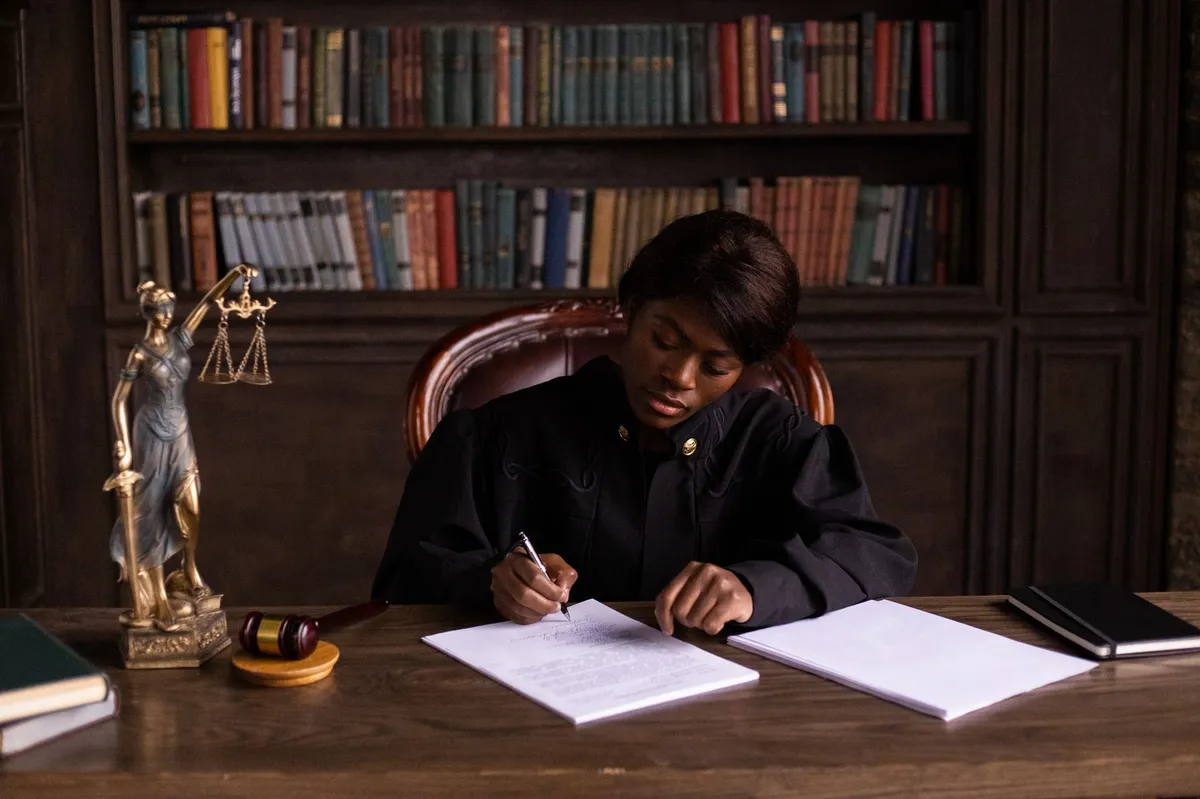
Even the most well-prepared witnesses can face challenges that threaten their credibility during trial. Understanding these obstacles is vital for attorneys as they develop robust preparation strategies.
Stress and Anxiety
Testifying in court can provoke significant stress and anxiety, leading to physiological responses that hinder performance. Common symptoms include elevated heart rates and difficulty recalling information, which can be misinterpreted by jurors as uncertainty or dishonesty. To combat this, attorneys often expose witnesses to courtroom-like conditions during preparation, allowing them to acclimate to the environment and reducing the impact of stress on their testimony.
Memory Gaps
Witnesses may experience gaps in their recollection and be tempted to fill these voids with assumptions, which can present a substantial risk to their credibility. It is essential for witnesses to acknowledge when they do not remember specific details, as attempting to fabricate information can be far more damaging than admitting a lack of recall.
Key Takeaways
- Preparation is crucial: Early and structured witness preparation enhances credibility.
- Understanding psychology: Factors such as memory accuracy and confidence play significant roles in how testimony is perceived.
- Address inconsistencies: Proactively identifying and addressing contradictions in witness accounts is essential for maintaining credibility.
- Practice under pressure: Simulated cross-examinations help witnesses develop composure and clarity when facing challenging questions.
- Acknowledge limitations: Encouraging witnesses to admit memory gaps fosters authenticity and reliability.
Frequently Asked Questions
Why is witness preparation necessary before a trial?
Witness preparation is essential because it helps witnesses understand their accounts and communicate them effectively. By preparing witnesses well in advance, attorneys can identify potential vulnerabilities in their testimony and help them express their observations in a manner that is credible and cohesive. This preparation ultimately strengthens the case and improves the chances of a favorable outcome.
What role does witness credibility play in civil cases?
In civil cases, witness credibility can be the deciding factor in how jurors perceive the facts of a case. Jurors assess not just the information presented but also the individuals delivering that information. A credible witness can reinforce a plaintiff's claims or a defendant's defenses, making their testimony crucial to the outcome of the case.
How can attorneys help witnesses manage anxiety about testifying?
Attorneys can help witnesses manage anxiety by providing thorough preparation and familiarizing them with the courtroom environment. Conducting practice sessions that simulate the trial experience can help witnesses become more comfortable and confident in their testimony. Additionally, techniques such as deep breathing exercises and visualization can assist witnesses in calming their nerves.
What should a witness do if they cannot remember certain details?
If a witness cannot recall specific details, it is crucial for them to acknowledge this fact rather than attempt to fill in the gaps with assumptions. Honesty is key; jurors value transparency and are more likely to trust a witness who admits their limitations than one who tries to fabricate information. This approach not only preserves credibility but also maintains the integrity of the testimony.
Disclaimer: This content is general information and should not be considered legal advice.
Comments
Understanding Boating Under the Influence (BUI) Laws: What You Need to Know
As summer approaches, understanding Boating Under the Influence (BUI) laws becomes increasingly important. This article provides a comprehensive overview of BUI, its implications, and the legal responsibilities of boat operators.

Related articles






Popular in Personal Injury
- Hawaii Supreme Court Overturns 36-Year-Old Rape Conviction Due to Forensic Flaws
- The Impact of Pro Bono Work by BigLaw Firms in 2025
- Albertsons Faces Trial Over Role in Washington's Opioid Crisis
- The Hidden Dangers of Open Manholes in New York City
- Historic $81 Million Verdict in Utah Pedestrian Wrongful Death Case