How Gut Bacteria Might Influence Heart Health: The TMAO Connection
Recent research from the Cleveland Clinic highlights a potential link between gut bacteria byproducts and the risk of developing atrial fibrillation, a common heart rhythm disorder. This study suggests that dietary choices impacting gut health could play a crucial role in preventing heart conditions.

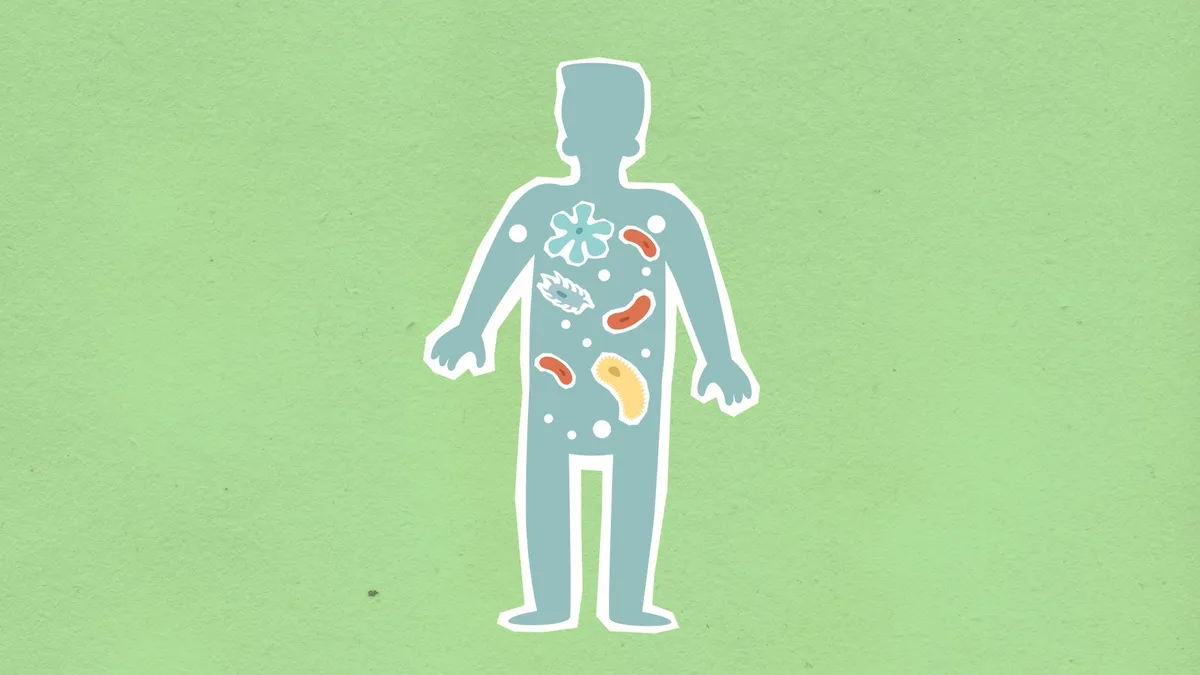
Imagine a connection between what you eat and how your heart beats. Groundbreaking research from the Cleveland Clinic has unveiled a significant link between gut bacteria and the risk of developing atrial fibrillation (AF), the most prevalent type of irregular heartbeat in the United States. The study indicates that high levels of trimethylamine N-oxide (TMAO), a compound produced by gut bacteria during the digestion of certain foods, may increase the likelihood of experiencing this potentially dangerous heart condition.
The implications of these findings could revolutionize how we approach heart health, moving the focus from reactive treatment to proactive prevention. As the prevalence of atrial fibrillation continues to rise, understanding the role of gut health and dietary choices becomes paramount for millions of Americans grappling with this condition.
Understanding Atrial Fibrillation and Its Risks
Atrial fibrillation is characterized by rapid and irregular heartbeats, which can lead to serious health complications, including stroke. This condition affects an estimated 2.7 to 6.1 million Americans, and its symptoms can range from noticeable to asymptomatic. Common manifestations include:
- Racing heartbeat
- Fluttering sensations in the chest
- Dizziness
- Shortness of breath
- Tiredness
When left untreated, AF can lead to the formation of blood clots within the heart, which can dislodge and travel to the brain, resulting in a stroke. This underscores the importance of understanding AF's risk factors, which include high blood pressure, coronary artery disease, obesity, and now potentially the levels of TMAO in the bloodstream.

The Role of TMAO in Heart Health
TMAO is a compound produced when gut bacteria metabolize nutrients predominantly found in animal-based foods, particularly red meat. Studies have indicated that elevated levels of TMAO in the bloodstream are associated with increased risks of cardiovascular diseases, stroke, and kidney complications. The recent Cleveland Clinic study adds atrial fibrillation to this list, suggesting that TMAO may disrupt the heart's electrical activity, which is crucial for maintaining a steady heartbeat.
How TMAO Affects the Heart
The heart relies on well-timed electrical signals to function correctly. When these signals become disordered due to high TMAO levels, abnormal heart rhythms can occur. The Cleveland Clinic researchers analyzed blood samples from over 5,000 individuals undergoing heart procedures and conducted laboratory experiments that demonstrated TMAO's potential to alter electrical activity in heart tissue.
The Path from Diet to Heart Health
This emerging understanding of TMAO suggests a potential paradigm shift in how we think about diet and heart health. If dietary choices can influence TMAO production, then it stands to reason that modifying these choices could help mitigate the risk of developing atrial fibrillation.
Potential Dietary Changes
To lower TMAO levels, individuals may consider reducing their intake of:
- Red and processed meats
- High-fat dairy products
- Certain seafood
Instead, focusing on a diet rich in:
- Fruits and vegetables
- Whole grains
- Legumes and nuts
could be beneficial. These foods are not only healthier but may also foster a more favorable gut microbiome, which in turn could reduce TMAO levels in the bloodstream.

Implications for Future Research
While the findings from the Cleveland Clinic are promising, further research is necessary to fully understand the relationship between TMAO and atrial fibrillation. Upcoming studies will need to explore whether actively lowering TMAO levels can decrease the incidence of irregular heart rhythms and whether specific dietary recommendations can be made.
Potential for Preventive Strategies
If future research corroborates these findings, healthcare providers may be able to offer more comprehensive strategies for heart health that encompass dietary recommendations aimed at gut health. This proactive approach could significantly impact public health, potentially reducing the prevalence of atrial fibrillation and its associated complications.
Key Takeaways
- Atrial fibrillation (AF) is a common heart rhythm disorder affecting millions of Americans.
- Elevated levels of TMAO in the bloodstream are linked to increased risks of AF and other cardiovascular diseases.
- Dietary choices may influence TMAO production, suggesting possible preventive strategies against AF.
- Further research is needed to explore the causal relationship between TMAO levels and heart health.
Frequently Asked Questions
What is atrial fibrillation, and why is it important to understand it?
Atrial fibrillation is a type of irregular heartbeat that can lead to serious complications such as stroke. Understanding AF is crucial because it is prevalent and often asymptomatic, meaning many individuals might not realize they have it until it leads to serious health issues. Recognizing the risk factors, including dietary influences, can help in developing preventive measures.
How does TMAO affect heart health?
TMAO is produced by gut bacteria during the digestion of certain foods, particularly those high in animal fats. Elevated levels of TMAO have been linked to disruptions in the heart's electrical signals, which can result in irregular heart rhythms like atrial fibrillation. This connection emphasizes the importance of gut health in maintaining cardiovascular health.
What dietary changes can help lower TMAO levels?
To help lower TMAO levels, individuals can reduce their intake of red meat, processed meats, and high-fat dairy products. Instead, focusing on a diet rich in fruits, vegetables, whole grains, legumes, and nuts can support a healthier gut microbiome and potentially lower TMAO production.
What is the next step for research in this area?
Future research will aim to confirm the connection between TMAO levels and atrial fibrillation, exploring whether lowering TMAO can prevent AF. If these connections are substantiated, medical professionals may be able to formulate specific dietary guidelines to help patients reduce their risk of developing heart rhythm disorders.
This article is for informational purposes only and does not constitute legal advice.
Comments
Minnesota Men Plead Guilty to $2.2 Million Medicaid Fraud Scheme
Four defendants in Minnesota have admitted to defrauding a Medicaid housing program of over $2.2 million by billing for services that were never provided. Their tactics included using artificial intelligence to fabricate records, highlighting a growing concern over technology in fraudulent schemes.

Related articles






Popular in Personal Injury
- Hawaii Supreme Court Overturns 36-Year-Old Rape Conviction Due to Forensic Flaws
- The Impact of Pro Bono Work by BigLaw Firms in 2025
- Albertsons Faces Trial Over Role in Washington's Opioid Crisis
- The Hidden Dangers of Open Manholes in New York City
- Historic $81 Million Verdict in Utah Pedestrian Wrongful Death Case