Musician D4vd Faces Trial for Alleged Murder of 14-Year-Old Girl
Musician D4vd, real name David Anthony Burke, is set to stand trial for the murder of 14-year-old Celeste Rivas Hernandez. The case raises serious questions about justice, accountability, and the legal implications surrounding the allegations against him.

The legal drama surrounding musician D4vd, whose real name is David Anthony Burke, has captivated the public's attention, particularly due to the tragic nature of the case involving the murder of 14-year-old Celeste Rivas Hernandez. After a five-day preliminary hearing, a Los Angeles Superior Court judge determined that there was sufficient evidence for Burke to stand trial on charges of murder, corpse mutilation, and lewd acts with a minor. The court's ruling is not just a procedural step; it holds significant implications for the legal system, public perception of justice, and the lives affected by these allegations.
The case has drawn scrutiny not only for its horrific details but also for the complex interplay of relationships and emotions that preceded the crime. Burke, who achieved fame as a musician and YouTuber, faces serious allegations that could lead to severe penalties, including the possibility of the death penalty, as announced by District Attorney Nathan Hochman. The nature of the charges, notably the murder of a minor, has made this case a focal point of discussion regarding accountability and the legal standards for prosecuting such severe crimes.
Background of the Case: From Friendship to Tragedy
The relationship between Burke and Hernandez began when he was 17 and she was just 11 years old. Prosecutors allege that their interactions turned sexual when Hernandez was 13 and Burke was 18. The court has revealed a history of text exchanges that paint a tumultuous picture of their relationship, marked by jealousy, emotional volatility, and troubling discussions about their future together, including references to pregnancy and abortion.
In the lead-up to Hernandez's death, the couple's communications became increasingly fraught. Text messages exhibited a mix of affection and animosity, suggesting a complicated bond that may have contributed to the tragic events. On April 23, 2024, just hours before she went missing, Hernandez expressed a desperate need to see Burke, leading to her being transported to his location by an Uber. She was never seen again.

Charges and Legal Implications
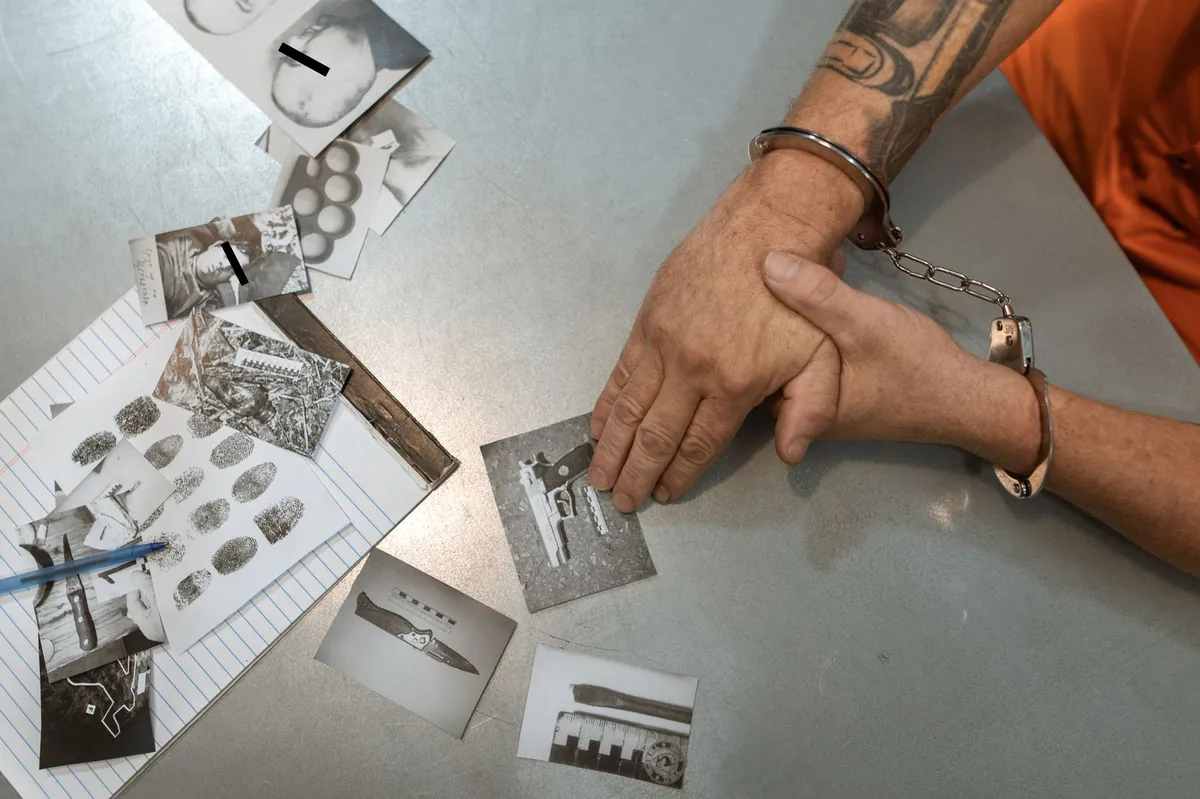
Burke has been charged with first-degree murder, corpse mutilation, and committing lewd acts on a minor. The evidence presented in court included forensic findings from his home and vehicle, notably the discovery of Hernandez's dismembered body, which reportedly lay undiscovered for approximately five months. The prosecution's case revolves around circumstantial evidence, particularly concerning Burke's actions after Hernandez's death. Notably, he failed to report her missing or call for help, raising significant questions about his intentions.
During the preliminary hearing, the prosecution emphasized the lack of accidental circumstances surrounding the case. Deputy District Attorney Beth Silverman stated that crimes involving minors, particularly those of a sexual nature, often lack eyewitness accounts, which complicates the prosecution's job. Despite the tenuous nature of the evidence, Silverman argued that the circumstantial evidence was compelling enough to warrant trial proceedings.
Key aspects of the charges include:- First-degree murder of Celeste Rivas Hernandez
- Mutilation of her corpse, indicating a conscious effort to hide evidence
- Engaging in lewd and lascivious acts with a minor
The Defense Strategy: A Complex Narrative
Burke's defense team has indicated a strategy that may involve challenging the narrative of intentional wrongdoing. His attorney, Marilyn Bednarski, argued during the preliminary hearing that while the evidence shows concealment of a death, it does not equate to murder. She contended that there is no proof Burke intended to kill Hernandez, citing his expressions of love and care for her.
One controversial aspect of the defense's strategy may include suggesting that Hernandez was responsible for her own demise, potentially due to mental health issues. This argument has raised concerns among Hernandez's family and advocates, who see it as an attempt to shift blame onto the victim. Patrick Steinfeld, an attorney for Hernandez's family, condemned any insinuation that a 14-year-old girl could be held responsible for her own death.
Public Reaction and Media Coverage
The case has drawn significant media attention, not only because of its tragic circumstances but also due to the celebrity status of Burke. Public sentiment has been largely sympathetic towards Hernandez and her family, with many expressing outrage over the allegations and the potential for Burke to evade accountability. The emotional weight of this case reverberates through social media, where discussions about justice, victim rights, and the responsibilities of those in positions of power have ignited passionate debates.
Moreover, the implications of this case extend beyond the immediate legal proceedings. It raises broader societal questions about how young individuals are treated within the legal system, particularly in cases involving sexual exploitation and violence. The public’s response may influence how prosecutors approach similar cases in the future, particularly regarding the treatment of minors and the seriousness of charges associated with crimes against them.

Key Takeaways
- D4vd faces serious charges, including first-degree murder and mutilation.
- The case centers on a complex relationship marked by emotional turmoil.
- Circumstantial evidence plays a crucial role in the prosecution's strategy.
- The defense may attempt to shift blame onto the victim, raising ethical concerns.
- The public reaction reflects broader societal issues regarding justice and accountability.
Frequently Asked Questions
What is the current status of D4vd's trial?
D4vd is currently awaiting arraignment, with a trial date yet to be set. The preliminary hearing has established sufficient grounds for the case to proceed, but the timeline for further legal proceedings is still unclear as the court navigates the complexities of the case.
What evidence is being presented against D4vd?
The prosecution's case relies heavily on circumstantial evidence, including forensic findings from Burke's home and vehicle, as well as text messages exchanged between him and Hernandez. The evidence suggests a pattern of behavior that raises considerable concerns about Burke's intentions and actions leading up to and following Hernandez's death.
How can public opinion influence legal proceedings in cases like this?
Public opinion can significantly impact legal proceedings, particularly in high-profile cases involving minors. Media coverage and public sentiment can sway prosecutors' decisions regarding charges, plea deals, and trial strategies. Additionally, public outcry can lead to increased scrutiny on how the legal system handles cases involving young victims, potentially prompting changes in laws or procedures to ensure justice is served.
What are the potential legal outcomes for D4vd?
If convicted, D4vd faces severe penalties, including a lengthy prison sentence or even the death penalty, depending on whether prosecutors decide to pursue capital punishment. The legal outcomes will depend on the effectiveness of both the prosecution and defense strategies, as well as how the court interprets the evidence presented during the trial.
*This content is general information and not legal advice.
Comments
How Gut Bacteria Might Influence Heart Health: The TMAO Connection
Recent research from the Cleveland Clinic highlights a potential link between gut bacteria byproducts and the risk of developing atrial fibrillation, a common heart rhythm disorder. This study suggests that dietary choices impacting gut health could play a crucial role in preventing heart conditions.

Related articles



Popular in Personal Injury
- Hawaii Supreme Court Overturns 36-Year-Old Rape Conviction Due to Forensic Flaws
- The Impact of Pro Bono Work by BigLaw Firms in 2025
- Albertsons Faces Trial Over Role in Washington's Opioid Crisis
- The Hidden Dangers of Open Manholes in New York City
- Historic $81 Million Verdict in Utah Pedestrian Wrongful Death Case