Maine Lobster Industry's Defamation Lawsuit Raises First Amendment Concerns
A defamation lawsuit from Maine's lobster trade groups against a seafood watchdog group is facing skepticism in the First Circuit, raising questions about free speech and industry reputation.
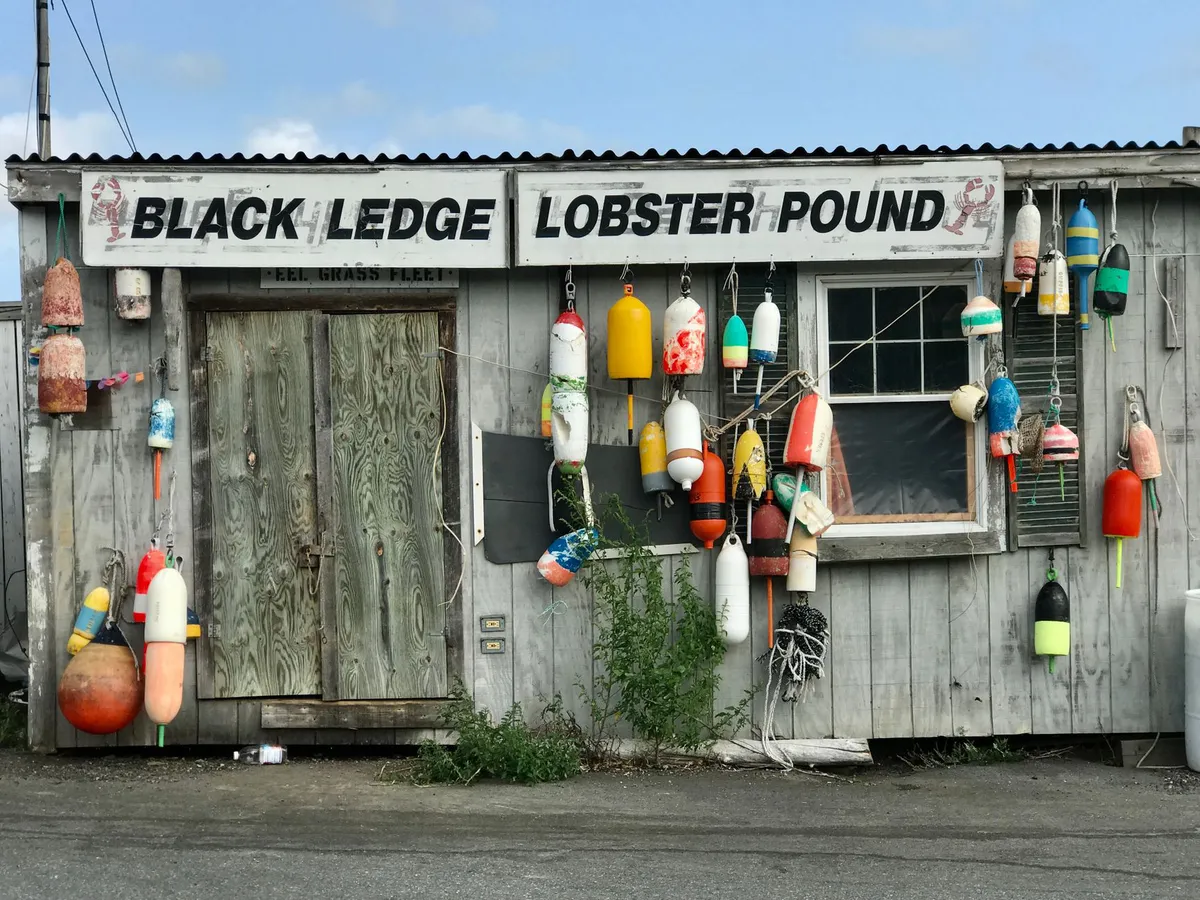
In a case that has sent ripples through the legal and seafood communities, the Maine lobster industry is embroiled in a defamation lawsuit against the Monterey Bay Aquarium's Seafood Watch program. The crux of the suit revolves around claims that the aquarium's criticisms of lobster fishing practices have negatively impacted the price of lobster, which plummeted by 40% after the aquarium issued a red rating for the crustacean. This case not only brings to light the economic vulnerabilities of local industries but also raises significant First Amendment questions about free speech, the scope of defamation, and the implications for public discourse around environmental issues.
The lobster trade groups assert that the aquarium's statements about the environmental impact of their fishing methods—specifically, the harm to endangered North Atlantic right whales—are based on inaccurate data. This contention is critical, as the trade groups argue that only one right whale fatality has been attributed to Maine's lobster fishing gear over the past two decades. The stakes are high; if the industry can prove defamation, it may not only seek damages but also a restoration of its reputation, which they claim has been irreparably harmed.
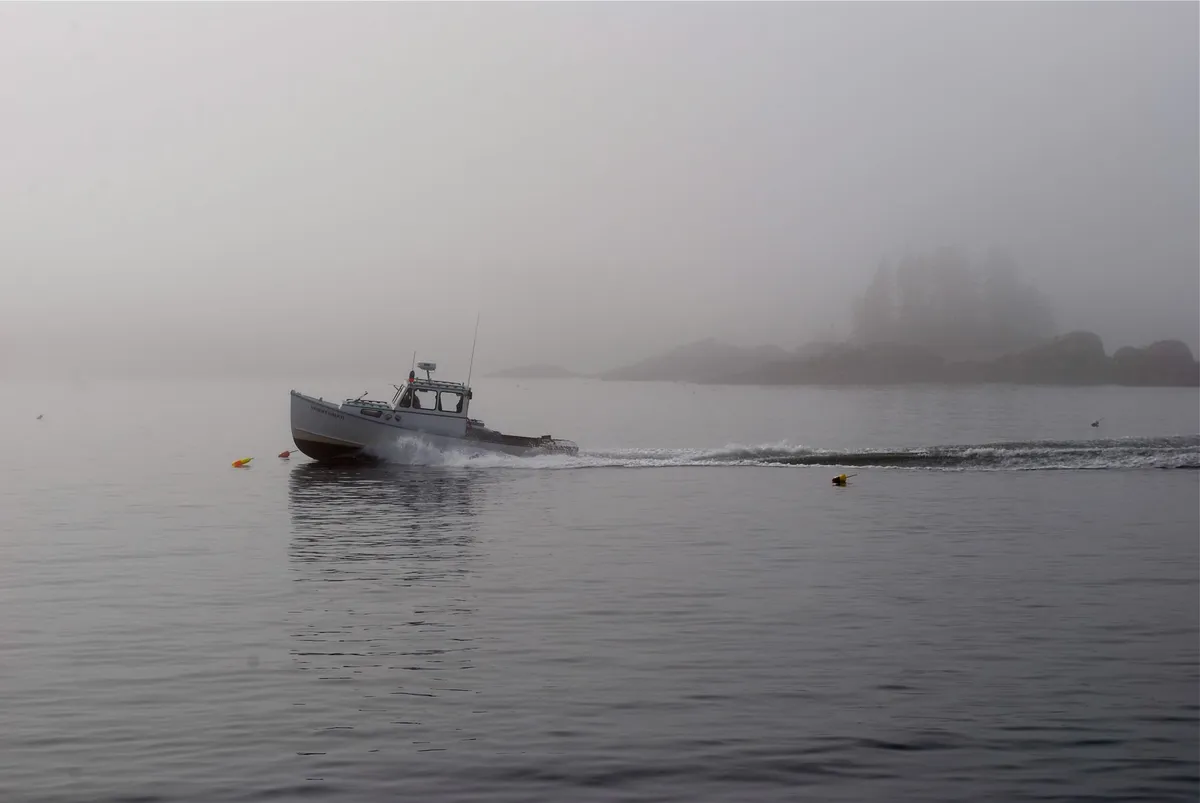
Background of the Case
In 2022, the Monterey Bay Aquarium's Seafood Watch designated Maine lobster with a “red” environmental rating, effectively advising consumers against purchasing the seafood. The aquarium's rationale hinges on concerns regarding the impact of lobster traps on North Atlantic right whales, which are classified as endangered. The Maine Lobstermen’s Association and associated trade groups contend that this rating led to a sharp decline in lobster prices, threatening livelihoods and the state’s economic fabric.
Federal District Judge John Woodcock previously ruled that the Maine lobster groups had standing to pursue the defamation claim, allowing the lawsuit to proceed. However, during a recent hearing at the First Circuit Court of Appeals, judges expressed skepticism about the validity of the defamation claim itself. Judge Seth Aframe articulated concerns that the case risks broadening the definition of who can sue for defamation, potentially leading to a flood of lawsuits that could stifle free speech.
Defamation in the Context of Groups
Defamation law traditionally protects individuals from false statements that can harm their reputation. However, when it comes to groups, the law becomes more complex. The key issue here is whether a statement can be deemed defamatory if it targets a large group rather than specific individuals. In this instance, the plaintiffs represent over 5,600 lobstermen, which raises the question: can a blanket statement about an industry be considered defamatory?
As Judge Rikelman pointed out during the hearings, for a group defamation claim to hold, the group must be small enough that the statements made can be reasonably viewed as referring to its members. The judges questioned whether the Maine lobster industry meets this criterion, given its size and the generalized nature of the aquarium's statements. In essence, they are grappling with the balance between protecting individual reputations and safeguarding free speech, particularly in discussions about public policy and environmental concerns.
First Amendment Implications
The First Amendment protects freedom of speech and the press, which includes the right to express opinions, even if they are critical of entire industries. The aquarium's defense hinges on the argument that its statements are protected as scientific opinions regarding environmental sustainability. Moreover, a coalition of major news organizations, including The New York Times and USA Today, has intervened in support of the aquarium, emphasizing that this lawsuit poses a threat to journalistic freedoms and the ability to report on complex policy issues without fear of litigation.
The implications of this case extend far beyond the Maine lobster industry. If the court were to rule in favor of the trade groups, it might set a precedent that allows industries to sue for defamation more easily, thus chilling critical discourse about environmental practices and other public interest topics. This potential outcome has alarmed many in the media, who argue that the risk of crippling libel suits could deter journalists from investigating and reporting on issues of public concern.
Current Status and Future Outlook
As the First Circuit judges deliberate, there remains no clear timeline for when a ruling will be issued. The outcome of this case could significantly impact the legal landscape surrounding defamation claims in the context of industry criticism, setting a precedent that may either protect or undermine free speech rights. For the lobster industry, a favorable ruling could mean a restoration of public trust and economic stability, while an unfavorable ruling could embolden similar lawsuits against industries facing criticism.
Key Takeaways
- Defamation Claims: The case raises questions about the validity of defamation claims when targeting large groups.
- First Amendment Concerns: The lawsuit's outcome could affect the balance between free speech and protecting reputations.
- Media Involvement: Major news organizations have intervened, highlighting the broader implications for journalistic freedom.
- Economic Impact: A ruling in favor of the lobster industry could restore its economic viability amidst declining prices.
Frequently Asked Questions
What is the basis of the Maine lobster industry's defamation lawsuit?
The Maine lobster industry claims that the Monterey Bay Aquarium's Seafood Watch program issued a misleading red rating for lobster, suggesting that lobster fishing practices are harmful to endangered North Atlantic right whales. They argue that this has led to a significant drop in lobster prices and damage to their reputation, thereby justifying their defamation claim.
How does group defamation differ from individual defamation?
Group defamation applies to statements made about a collective, such as an industry or organization. For a successful claim, the group must be small enough that the defamatory statements can be reasonably interpreted as targeting specific individuals within that group. The larger the group, the more difficult it becomes to establish that any one member has been specifically defamed.
What are the potential implications of this case for free speech?
The case has significant implications for free speech, particularly regarding the ability to criticize entire industries. A ruling in favor of the lobster industry could set a precedent that enables more industries to sue for defamation, which could deter public discourse and critical reporting on environmental and social issues, thereby impacting the role of the media in society.
How might this lawsuit affect the lobster industry economically?
If the lobster industry prevails in its lawsuit, it could lead to a restoration of consumer confidence and a rebound in lobster prices. Conversely, a loss could reinforce negative perceptions and further depress the market, affecting the livelihoods of over 5,600 lobstermen who depend on the industry for their income.
Comments
How Gut Bacteria Might Influence Heart Health: The TMAO Connection
Recent research from the Cleveland Clinic highlights a potential link between gut bacteria byproducts and the risk of developing atrial fibrillation, a common heart rhythm disorder. This study suggests that dietary choices impacting gut health could play a crucial role in preventing heart conditions.

Related articles





Popular in Personal Injury
- Hawaii Supreme Court Overturns 36-Year-Old Rape Conviction Due to Forensic Flaws
- The Impact of Pro Bono Work by BigLaw Firms in 2025
- Albertsons Faces Trial Over Role in Washington's Opioid Crisis
- The Hidden Dangers of Open Manholes in New York City
- Historic $81 Million Verdict in Utah Pedestrian Wrongful Death Case