Biden Withdraws Lawsuit Over Ghostwriter Tapes: Implications and Insights
President Biden's recent decision to drop his lawsuit against the release of ghostwriter interview tapes raises significant legal and privacy issues. This article explores the implications of this ruling and its potential impact on public perception.
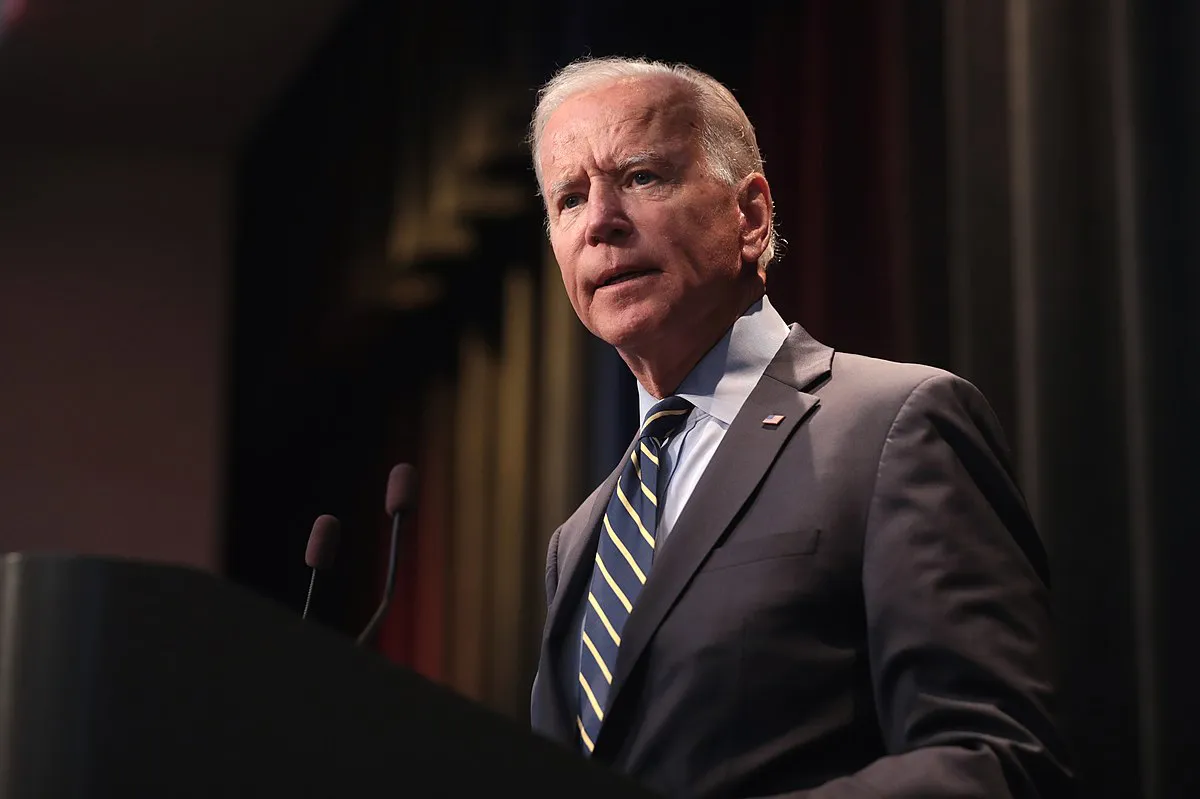
In a surprising turn of events, President Joe Biden has voluntarily dismissed his lawsuit aimed at preventing the public release of recorded conversations with a ghostwriter. This decision comes on the heels of a federal appeals panel ruling that expressed a strong public interest in disclosing the materials, which were recorded during interviews in Biden's home between 2016 and 2017.
The ghostwriter, Mark Zwontitzer, conducted these interviews while working on a memoir that would eventually chronicle Biden's political life. The implications of releasing these tapes extend beyond mere curiosity; they touch on critical themes of privacy, public interest, and the legal standards that govern the release of such materials. As the legal landscape shifts, both Biden’s privacy rights and the public’s right to access information become focal points of this unfolding narrative.

The Context of the Lawsuit
Initially, Biden's legal team sought to protect what they termed an “unwarranted invasion” of his privacy. They argued that every American, including a sitting or former Vice President, deserves the right to privacy in personal conversations held in the sanctity of their own home. This assertion is grounded in a broader understanding of privacy rights enshrined in U.S. law.
However, the case took a significant turn when a panel of judges from the U.S. Court of Appeals ruled 2-1 against Biden's request to block the tapes' release. The majority opinion highlighted the “substantial” public interest in accessing the recordings, suggesting that the potential privacy concerns did not outweigh the public's right to know, especially given the nature of Biden's position and the interest surrounding his mental acuity.

Legal Precedents and Privacy Rights
The legal battle centers around important precedents concerning privacy and public interest. The Federal Rules of Evidence and various court rulings have established that while individuals have a right to privacy, the government also has an obligation to maintain transparency, particularly in matters involving public figures.
The majority opinion from the appeals court noted that the release of the tapes could serve the public interest. This aligns with legal doctrines that favor transparency over secrecy in cases that involve elected officials, especially when their actions and capacities are under scrutiny. Judge Florence Pan, who dissented in the ruling, argued strongly for Biden's privacy, emphasizing the unique context of these conversations being held in his home and the circumstances under which the recordings were obtained.
The Public Interest Argument
What makes the release of these recordings particularly contentious is the backdrop of ongoing debates about Biden's cognitive abilities. Conservative groups have long claimed that Biden has exhibited signs of diminished mental acuity, suggesting that the tapes could lend credence to these allegations. Jeffrey Clark, vice president for litigation at the Oversight Project, stated that the public would gain insights into Biden's mental state prior to his presidency, framing the potential release as a matter of public concern.
This raises vital questions about how the public interprets mental fitness in leaders and the implications such views have on governance and public trust. The prospect of releasing these recordings highlights the intersection of privacy rights and public accountability.

The Role of Conservative Organizations
Organizations advocating for the release of the tapes have been vocal about their intentions. They indicate readiness to disseminate any recordings they obtain immediately, framing their actions as a service to the public. This eagerness reflects a broader strategy among some conservative groups to challenge the narratives surrounding Biden's presidency and mental fitness.
The legal and political ramifications of such an action could be profound. If the tapes do indeed reveal a more vulnerable side of Biden, they could significantly impact public perception and potentially influence his administration's credibility. Such dynamics underscore the importance of scrutinizing how information is shared and the motivations behind its release.
What Lies Ahead for Biden and Privacy Rights
Biden's decision to drop the lawsuit signals a strategic pivot in his approach to the matter. While the release of the tapes may expose him to further scrutiny, it also reflects a recognition of the intense public interest in his presidency. This situation poses a broader question about the limits of privacy for public figures and how much of their personal lives should be accessible to the public.
The case is also likely to set a precedent for future disputes involving personal privacy and public interest. As technology continues to evolve, and with the increasing ease of accessing personal data, the legal frameworks surrounding privacy will need to adapt to protect individuals while balancing the public's right to information.
Key Takeaways
- Biden's lawsuit withdrawal may lead to the release of recorded conversations from 2016-2017.
- Public interest vs. privacy remains a contentious issue, particularly for public figures.
- Conservative groups are eager to release the tapes, citing transparency and accountability.
- Legal precedents regarding privacy rights are being tested in this case.
- This situation highlights the ongoing debate about mental fitness in leadership.
Frequently Asked Questions
Why did Biden decide to drop the lawsuit?
Biden's decision to withdraw the lawsuit stemmed from a federal appeals panel ruling that favored the public's interest in accessing the recordings over his privacy concerns. The legal team's acknowledgment of the court's stance likely influenced this strategic pivot, as continuing the fight may have further drawn negative attention to issues surrounding his cognitive abilities.
What are the potential consequences of releasing the tapes?
The release of the tapes could have several consequences, particularly regarding public perception of Biden's mental fitness. If the recordings reveal any signs of diminished capacity, they could impact Biden's credibility and the public's trust in his leadership. Additionally, the case may set a precedent for how personal conversations of public figures are treated in future legal matters.
How does this case reflect on privacy rights in America?
This case underscores the ongoing tension between privacy rights and the public's right to know, particularly for public figures. It raises important questions about how much of a politician's private life can be scrutinized by the public, especially when it intersects with their performance in office and the perception of their capabilities.
What can we expect moving forward in this legal landscape?
As the legal landscape continues to evolve, the outcomes of cases like Biden's could lead to new interpretations of privacy rights in America. Future disputes concerning the release of personal information will likely be influenced by this case, making it a pivotal moment for privacy law and public accountability.
This content is general information, not legal advice.
Comments
Tennessee Grandma Sues Over Arrest Filmed for Reality TV Show
A Tennessee grandmother, Donna Dillon, has filed a lawsuit against Knox County, alleging her arrest was staged for a reality TV show. Dillon claims the incident caused lasting trauma and seeks justice for the violation of her rights.

Related articles

Popular in Personal Injury
- Hawaii Supreme Court Overturns 36-Year-Old Rape Conviction Due to Forensic Flaws
- The Impact of Pro Bono Work by BigLaw Firms in 2025
- Albertsons Faces Trial Over Role in Washington's Opioid Crisis
- The Hidden Dangers of Open Manholes in New York City
- Historic $81 Million Verdict in Utah Pedestrian Wrongful Death Case