Tennessee Grandma Sues Over Arrest Filmed for Reality TV Show
A Tennessee grandmother, Donna Dillon, has filed a lawsuit against Knox County, alleging her arrest was staged for a reality TV show. Dillon claims the incident caused lasting trauma and seeks justice for the violation of her rights.
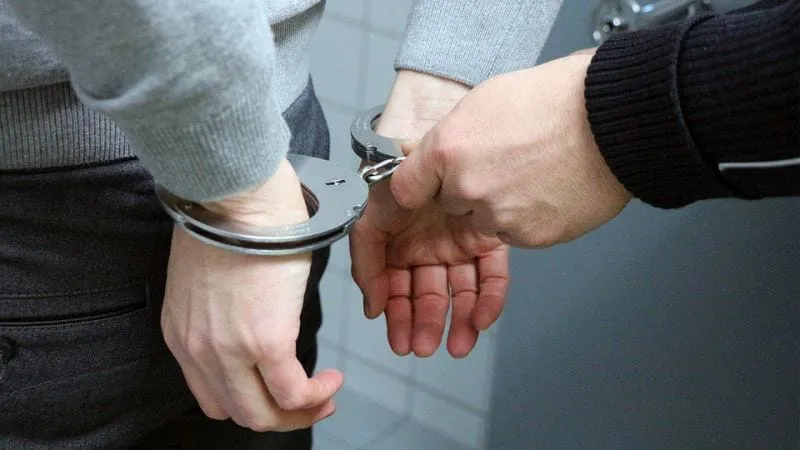
In a striking case that raises critical questions about the intersection of law enforcement practices and entertainment, a Tennessee grandmother has filed a lawsuit against Knox County and its sheriff’s department. Donna Dillon alleges that her arrest on a years-old misdemeanor charge was not only unjust but was also orchestrated for the purposes of a reality television show. Her experience reflects broader issues regarding the ethics of policing, accountability, and the impact of media sensationalism on the lives of ordinary citizens.
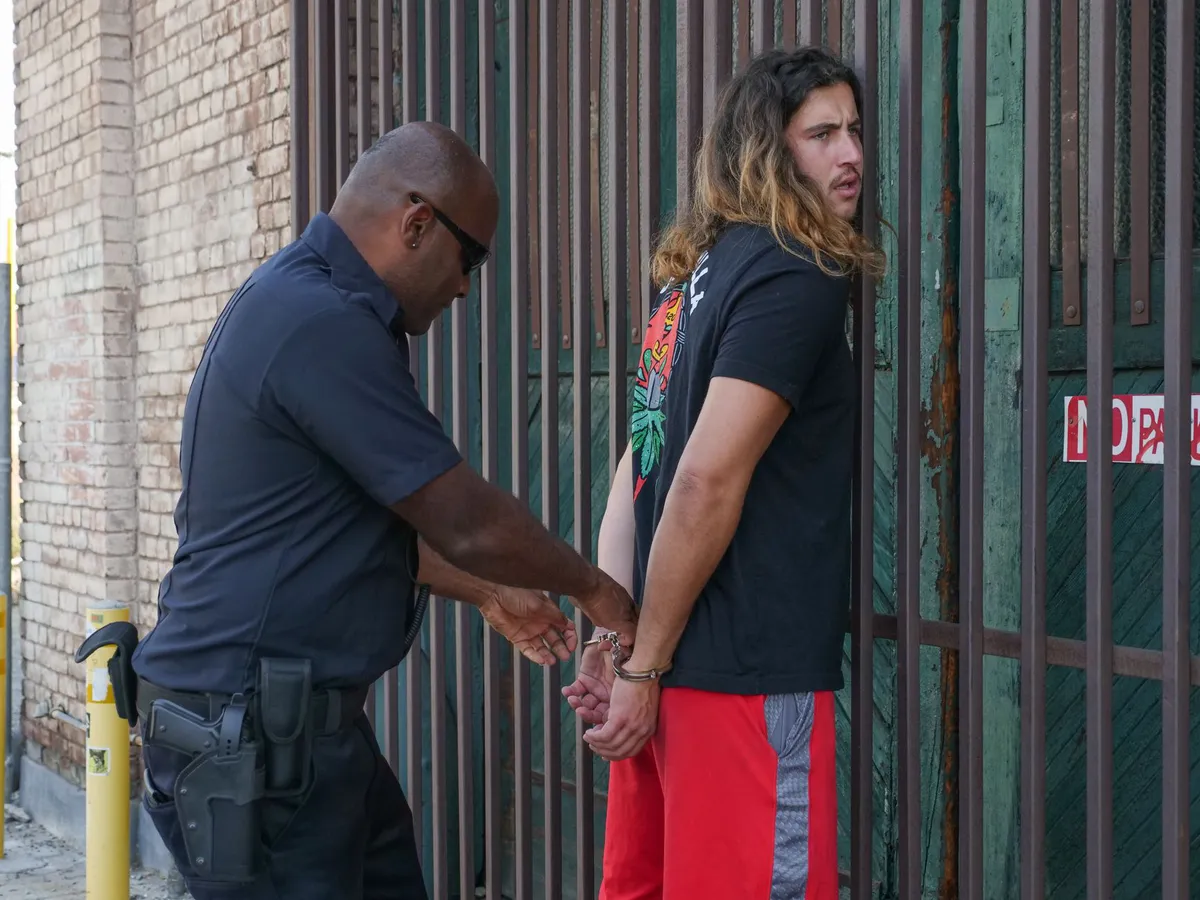
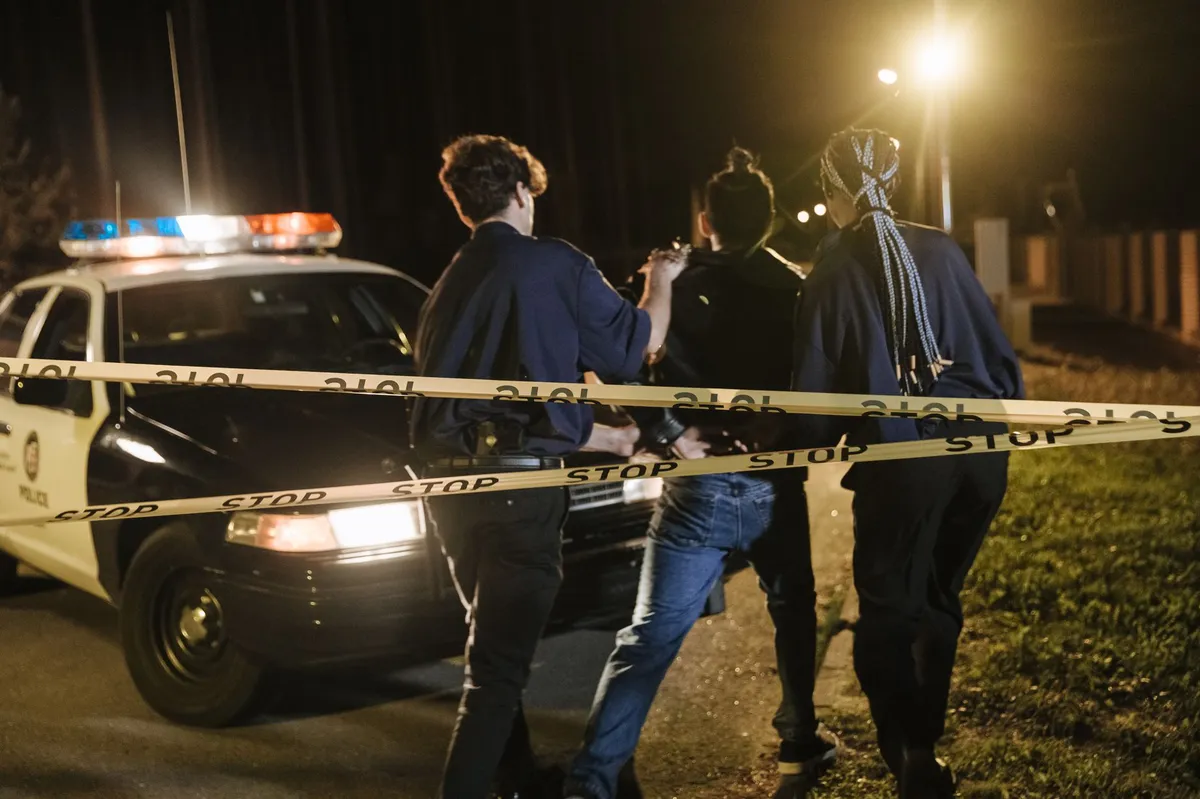
Dillon's ordeal began in June 2025 when deputies from the Knox County Sheriff’s Department arrested her for a misdemeanor charge that had been pending for three years. The arrest was filmed as part of the REELZ show “On Patrol: Live,” leading Dillon to believe that her arrest was more about entertainment than law enforcement. She describes the experience as humiliating and traumatic, particularly since it took place in front of her 17-year-old son. Dillon claims that the officers used excessive force during the arrest, and she was later confined to a patrol vehicle for hours, resulting in physical pain and emotional distress.
Background of the Case
The charges against Dillon stemmed from an alleged misdemeanor assault against a former neighbor. This charge was never pursued by the alleged victim, highlighting the questionable nature of the arrest. Dillon asserts that the charges were fabricated, and, ultimately, they were dropped. However, the fallout from the incident has had a significant impact on her personal life and mental health. She expressed feelings of embarrassment and fear that have hindered her ability to engage with her community as she once did.
In the wake of Dillon’s arrest, the Knox County Sheriff’s Department announced its decision to withdraw from participation in “On Patrol: Live.” The agency did not provide specific reasons for this decision, but it raises questions about the motivations behind their initial involvement and the ethical implications of using real-life arrests for entertainment purposes.
Legal Grounds for the Lawsuit
Dillon’s lawsuit centers on alleged violations of her Fourth and Fourteenth Amendment rights. The Fourth Amendment protects individuals from unreasonable searches and seizures, while the Fourteenth Amendment guarantees due process and equal protection under the law. Dillon's attorneys argue that her arrest was not only unwarranted but also executed with a level of force that was excessive given the nature of the alleged offense.
As a result of the incident, Dillon is seeking compensatory and punitive damages. Compensatory damages are intended to reimburse the plaintiff for actual losses incurred, while punitive damages are designed to punish the defendant for particularly egregious behavior and deter similar conduct in the future. Dillon’s case could set a precedent for how law enforcement agencies interact with reality television producers and the ethical responsibilities they bear towards the individuals involved.
Implications for Law Enforcement and Reality TV
The blending of law enforcement with reality television raises serious ethical questions. While shows like “On Patrol: Live” claim to provide transparency into police work, the potential for sensationalism can compromise the integrity of law enforcement. Critics argue that when police departments participate in reality shows, they may prioritize entertainment value over justice and public safety.
Moreover, the case underscores the potential consequences for individuals who find themselves in the spotlight without their consent. The trauma experienced by Dillon reflects a growing concern about the exploitation of vulnerable individuals for commercial gain. As reality TV continues to shape public perceptions of law enforcement, the necessity for accountability and ethical standards becomes increasingly important.
- Dillon's experience highlights the emotional and psychological toll that public arrests can impose on individuals.
- Law enforcement agencies must navigate the fine line between transparency and sensationalism.
- Victims of wrongful arrests may have legal recourse, as demonstrated by Dillon’s lawsuit.
Key Takeaways
- This case illustrates the ethical dilemmas posed by law enforcement's involvement with reality television.
- Dillon seeks justice not just for herself, but to hold accountable the practices that prioritize fame over fairness.
- The outcome could influence future collaborations between police departments and television producers.
Frequently Asked Questions
What charges was Donna Dillon arrested for?
Donna Dillon was arrested on a misdemeanor assault charge related to an incident involving a former neighbor. However, the alleged victim chose not to pursue the case, and Dillon has characterized the charges as fabricated.
How does this lawsuit relate to constitutional rights?
Dillon's lawsuit asserts that her Fourth and Fourteenth Amendment rights were violated during her arrest. The Fourth Amendment protects against unreasonable searches and seizures, while the Fourteenth Amendment ensures due process and equal protection under the law, which Dillon argues was compromised in her case.
What are compensatory and punitive damages?
Compensatory damages are meant to cover the actual losses a plaintiff has suffered, such as medical expenses or lost wages, while punitive damages serve to punish the defendant for particularly harmful actions and to deter others from engaging in similar conduct. Dillon is seeking both types of damages in her lawsuit.
What can we learn from Dillon's case about police and media interactions?
Dillon's case serves as a cautionary tale about the potential for exploitation when law enforcement and media intersect. It raises important questions about accountability, the ethical responsibilities of police departments, and the implications for individuals whose lives are affected by these decisions.
Disclaimer: The content in this article is for informational purposes only and is not legal advice.
Comments
Biden Withdraws Lawsuit Over Ghostwriter Tapes: Implications and Insights
President Biden's recent decision to drop his lawsuit against the release of ghostwriter interview tapes raises significant legal and privacy issues. This article explores the implications of this ruling and its potential impact on public perception.
Related articles

Popular in Personal Injury
- Hawaii Supreme Court Overturns 36-Year-Old Rape Conviction Due to Forensic Flaws
- The Impact of Pro Bono Work by BigLaw Firms in 2025
- Albertsons Faces Trial Over Role in Washington's Opioid Crisis
- The Hidden Dangers of Open Manholes in New York City
- Historic $81 Million Verdict in Utah Pedestrian Wrongful Death Case