Madison's Summer Events Canceled Amid Protests Following Police Shooting
The recent police shooting of Corey Ruiz in Madison, Wisconsin, has ignited protests and led to the cancellation of major summer events as the city grapples with deep-seated racial tensions. Activists are demanding accountability and reform, prompting significant community responses.
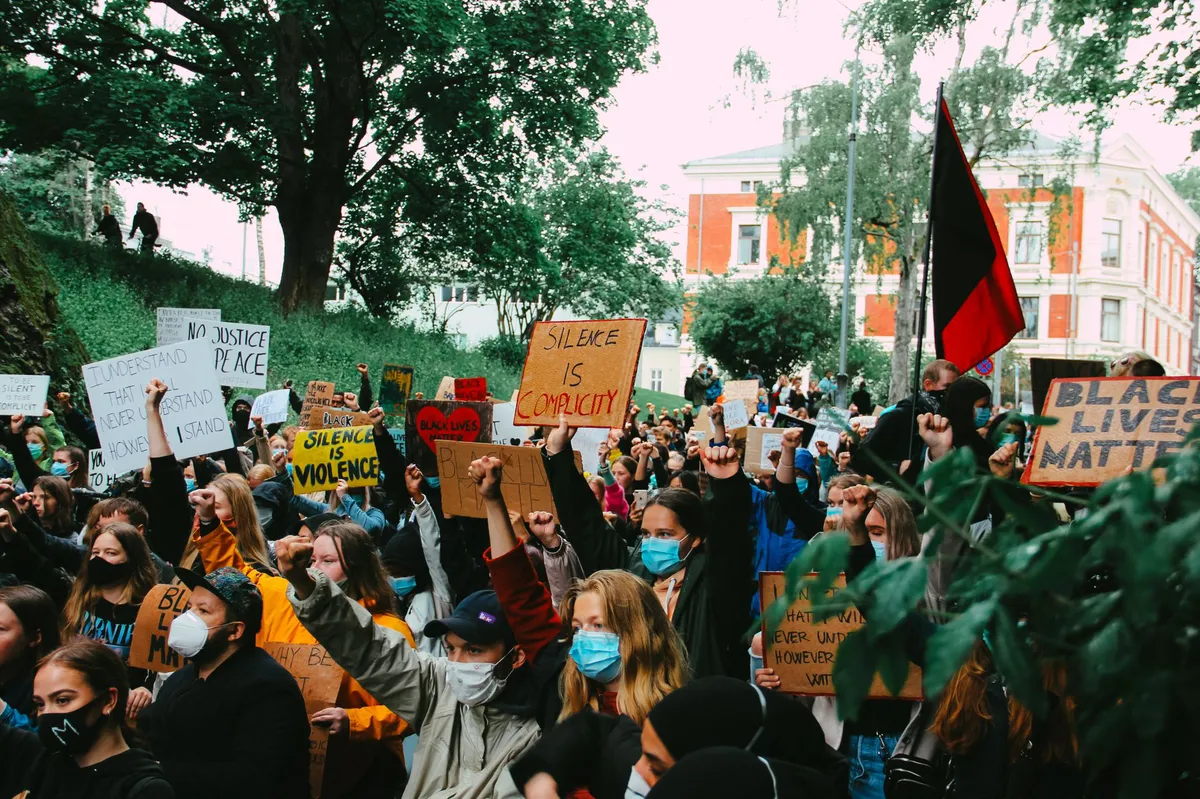
The city of Madison, Wisconsin, known for its progressive values and vibrant community events, is facing a tumultuous summer in the wake of a police shooting that has reignited discussions about racial justice and police reform. The tragic death of Corey Ruiz, who was shot by a Madison police officer during a confrontation, has not only shocked the community but also prompted widespread protests and the cancellation of numerous beloved summer events.
This incident marks a troubling chapter in the city’s history, as it represents the third police shooting fatality in the same neighborhood since 2012. The recurring nature of such events has intensified calls from the Black community and its allies for systemic changes in policing practices and a broader reckoning with racial disparities that persist not only in Madison but across the United States.
Understanding the Context of the Shooting
On a Wednesday afternoon, just blocks from a popular food co-op, police shot and killed Corey Ruiz following a brief physical altercation. Witnesses reported a chaotic scene at an intersection in one of Madison's most liberal neighborhoods, where community members have long expressed concerns about police conduct and racial profiling. The shooting has drawn attention to the ongoing conversations about the effectiveness of police reform efforts that have been a part of the public discourse since the Black Lives Matter movement gained momentum in 2014.
- Historical Context: Madison is characterized by its cultural diversity, yet approximately 70% of its population remains white. This demographic reality creates a unique tension when addressing racial injustices, particularly in a city that prides itself on being progressive.
- Community Response: Activists have mobilized swiftly, demonstrating their discontent through protests that have disrupted public events, including a Wisconsin Chamber Orchestra concert attended by approximately 30,000 people each week during summer.
- Calls for Accountability: Civil rights attorney Ben Crump, representing Ruiz's family, has called for criminal charges against the officer involved in the shooting, underscoring the family's demand for justice.
Impact on Community Events and Local Economy
The fallout from the shooting has had immediate and significant repercussions for local gatherings that are integral to Madison’s summer culture. In solidarity with the protesters and as a show of respect for Ruiz's death, many event organizers have canceled or postponed their activities. The following are key events affected:
Canceled and Postponed Events
- Wisconsin Chamber Orchestra Concert: The concert was disrupted by protests, leading to a swift cancellation.
- Grand Opening of a New Public Market: Initially scheduled for the day after the shooting, the event was postponed due to threats of protests.
- AtwoodFest: This beloved neighborhood festival, themed 'The Heartbeat of the Neighborhood,' was canceled in response to the shooting and community sentiments.
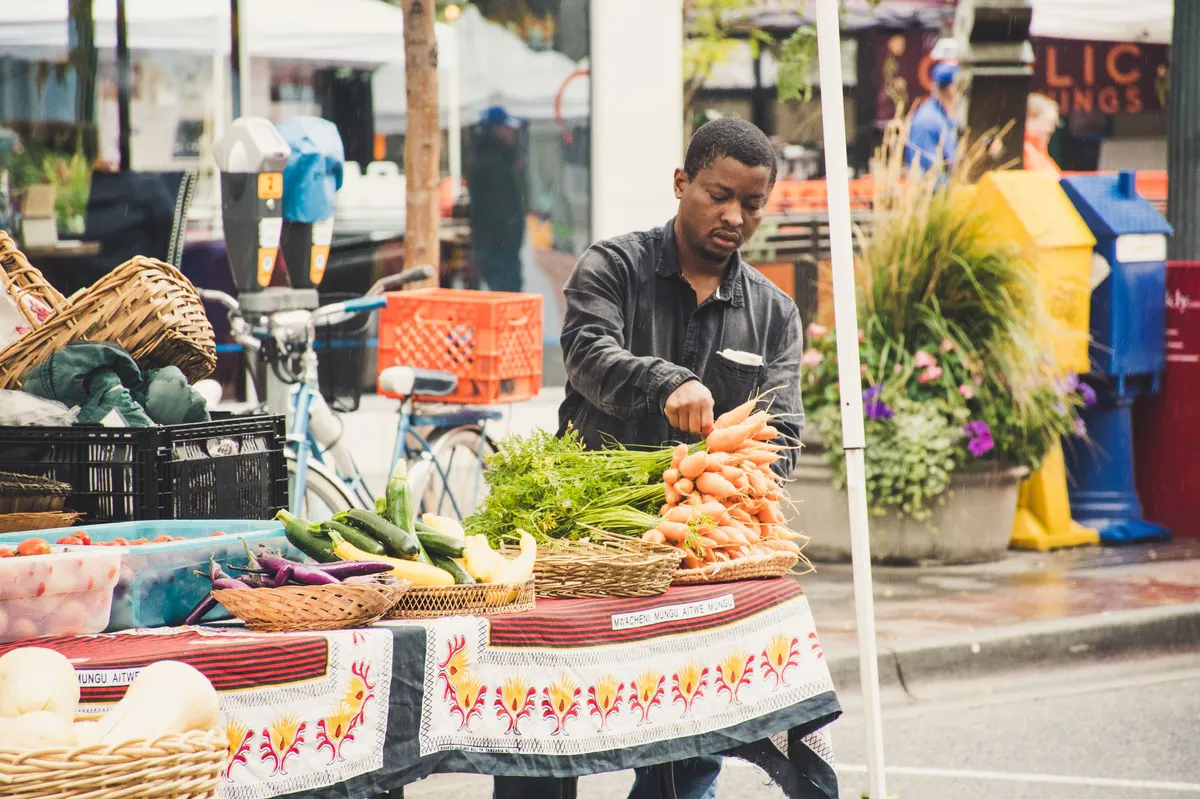
- Downtown Farmers Market: The weekly market, typically bustling with attendees, closed nearly four hours earlier than usual to honor the community's grief.
Voices from the Community
The community’s response has been multifaceted, showcasing both support for the protests and frustration over the economic impact of event cancellations. Activists like Clyde Mayberry have voiced strong sentiments on social media, emphasizing that the city must confront its racial issues rather than proceed with business as usual. Meanwhile, market-goers expressed mixed feelings about the early closure.
Mixed Reactions
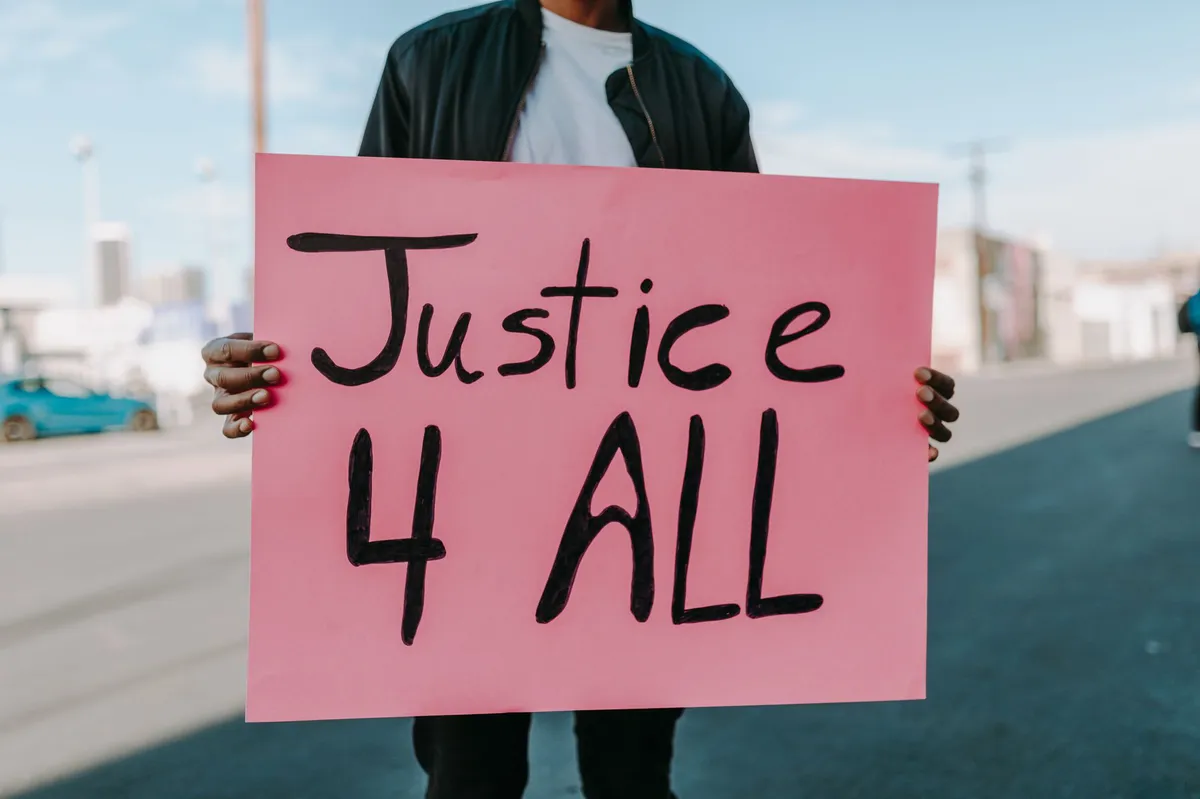
Some community members, like Reba Bergmann and Lilly Nimmer, articulated the need for activism, holding signs that read “Justice for Corey” and emphasizing that such tragedies should not be overlooked. Others, like Rodney Hathaway, visiting from Milwaukee, expressed disappointment, arguing that the early closure of the farmers market disrupted livelihoods and economic opportunities for local vendors. This juxtaposition of solidarity with the need for economic stability highlights the complex dynamics at play in communities grappling with grief and the demand for accountability.
Police Response and Ongoing Investigations
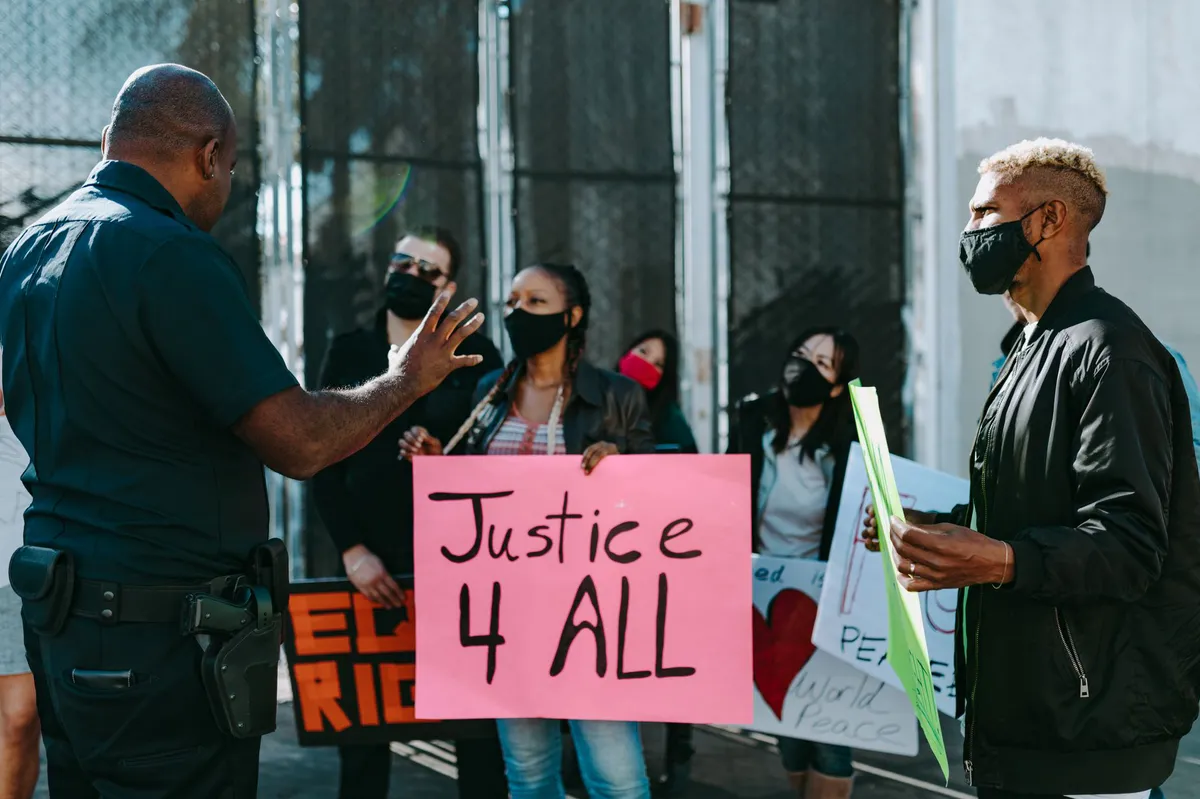
In the aftermath of the shooting, Madison Police Chief John Patterson has attempted to manage the escalating tensions. During a news conference, he allowed protesters to voice their frustrations directly, even as some expressed their anger with signs calling for accountability. This approach reflects an acknowledgment of the community's pain and a recognition that police-community relations in Madison require significant improvement.
Continued Investigations
As investigations into the shooting proceed, the community remains on edge, awaiting answers and accountability. The incident has sparked renewed discussions about police training, the use of force, and the necessity of engaging with marginalized communities to prevent future tragedies. The attention surrounding this shooting may lead to broader changes in how law enforcement operates within the city, particularly in addressing systemic racism and community relations.
Key Takeaways
- The police shooting of Corey Ruiz has prompted widespread protests in Madison.
- Many community events have been canceled or postponed in solidarity with the calls for justice.
- There is a significant divide in community responses, highlighting the complexity of balancing activism with economic concerns.
- Ongoing investigations and community dialogues may lead to essential changes in policing practices in Madison.
Frequently Asked Questions
What led to the police shooting of Corey Ruiz?
The police shooting of Corey Ruiz occurred during a brief physical confrontation with police officers at an intersection in Madison. The specifics of the altercation are still under investigation, but the incident has reignited discussions about police conduct in the city, especially in relation to the Black community.
How have local events been affected by the protests?
In the wake of the shooting, several major summer events in Madison, including concerts and festivals, were canceled or postponed as a sign of respect and solidarity with the protests. Organizers have cited the need to acknowledge the community’s grief and the ongoing calls for police accountability as reasons for these cancellations.
What actions are being taken by community leaders and activists?
Community leaders and activists are actively pushing for police reforms and greater accountability in response to the shooting. This includes calls for the officer involved to face criminal charges, as well as broader discussions about systemic racism and the need for changes in policing practices to prevent future incidents.
What is the role of the Madison Police Chief in the aftermath of this incident?
Madison Police Chief John Patterson has attempted to address community concerns by engaging with protesters and allowing them to voice their frustrations during press conferences. His approach reflects an acknowledgment of the community's pain and a recognition of the urgent need for reform in police-community relations.
This article is for informational purposes only and does not constitute legal advice.
Comments
Biden Withdraws Lawsuit Over Ghostwriter Tapes: Implications and Insights
President Biden's recent decision to drop his lawsuit against the release of ghostwriter interview tapes raises significant legal and privacy issues. This article explores the implications of this ruling and its potential impact on public perception.
Related articles
Popular in Personal Injury
- Hawaii Supreme Court Overturns 36-Year-Old Rape Conviction Due to Forensic Flaws
- The Impact of Pro Bono Work by BigLaw Firms in 2025
- Albertsons Faces Trial Over Role in Washington's Opioid Crisis
- The Hidden Dangers of Open Manholes in New York City
- Historic $81 Million Verdict in Utah Pedestrian Wrongful Death Case