Texas Truck Accident Fatalities: A Persistent Crisis
Texas leads the nation in truck accident fatalities due to a mix of factors, including extensive freight activity and roadway conditions. This article delves into the statistics, causes, and potential solutions to this ongoing issue.

The state of Texas has become synonymous with truck accident fatalities, consistently leading the nation in such tragic statistics. In 2024 alone, Texas reported approximately 712 fatal truck-related crashes, a staggering number that underscores the persistent dangers on the roadways. With a unique combination of factors driving these figures — from extensive freight activity and high-speed rural roadways to driver behavior and infrastructure challenges — the ongoing crisis of truck accidents poses significant concerns for public safety and regulatory bodies alike.
As the economy grows and freight demand increases, understanding the reasons behind Texas's grim truck accident statistics is crucial for policymakers, safety advocates, and everyday motorists. This article explores the alarming data, the contributing factors to these accidents, and what steps can be taken to mitigate risks and improve road safety.
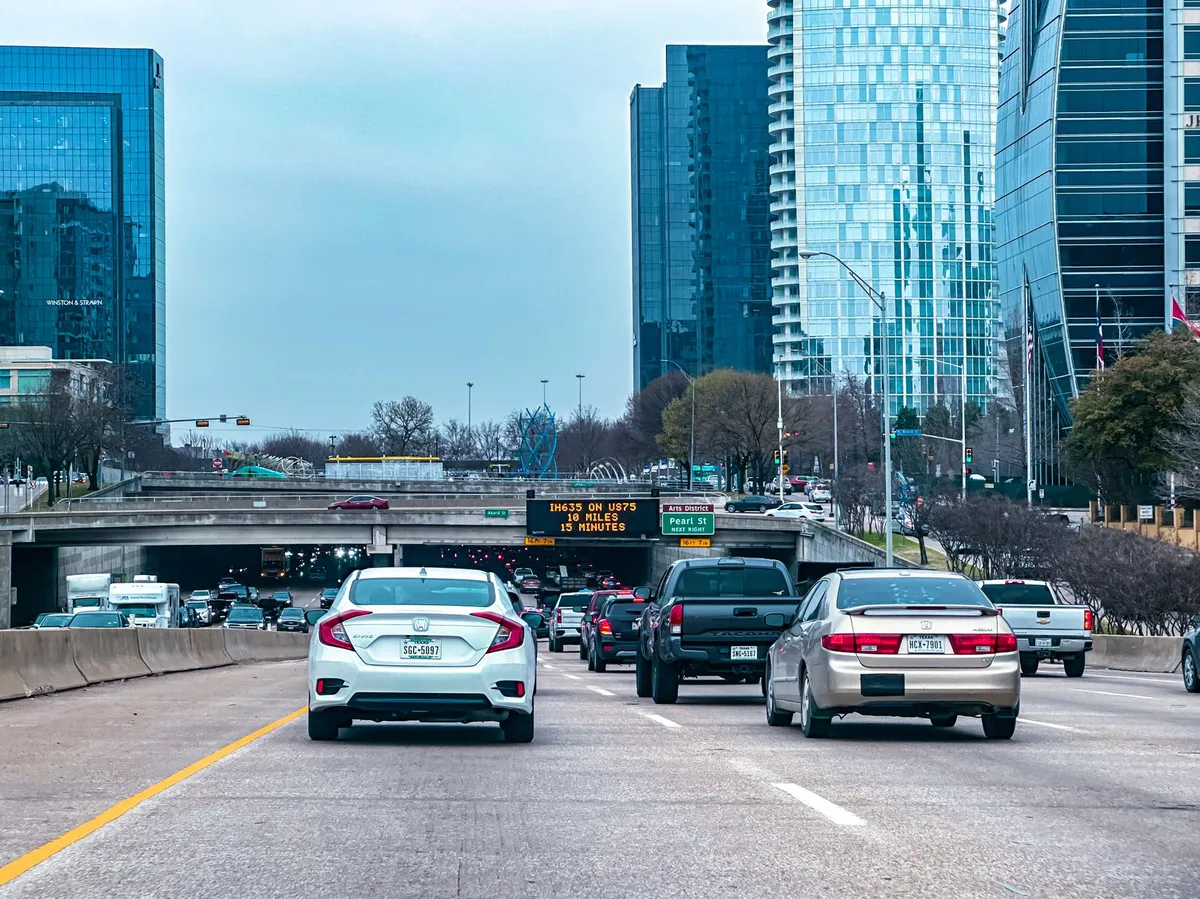
The Alarming Statistics: Texas Truck Accidents in Context
The scale of truck-related crashes in Texas is staggering, with the state recording approximately 18,834 crashes involving large commercial trucks in 2024. These incidents resulted in 712 fatalities, highlighting a significant public safety issue. To put this into perspective, Texas experiences a reportable crash every 57 seconds, emphasizing the urgent need for effective solutions.
When comparing figures with other large states, the disparity becomes even more pronounced. For example, California, despite having a larger population, recorded around 370 truck-related deaths in the same year. This raises critical questions about why Texas consistently leads in fatal truck crashes, year after year. Factors contributing to this tragic trend include:
- Extensive freight networks: Texas has the largest network of public roads in the U.S., facilitating significant freight movement.
- High traffic volumes: With an increasing population, urban areas experience heavy commuter traffic that complicates the already busy highways.
- Rural road dangers: Many fatal accidents occur on rural highways, where higher speed limits and limited visibility pose additional risks.
- Economic dynamics: The oil and gas industry and major freight routes connecting Mexico and the Gulf Coast contribute to increased truck traffic.
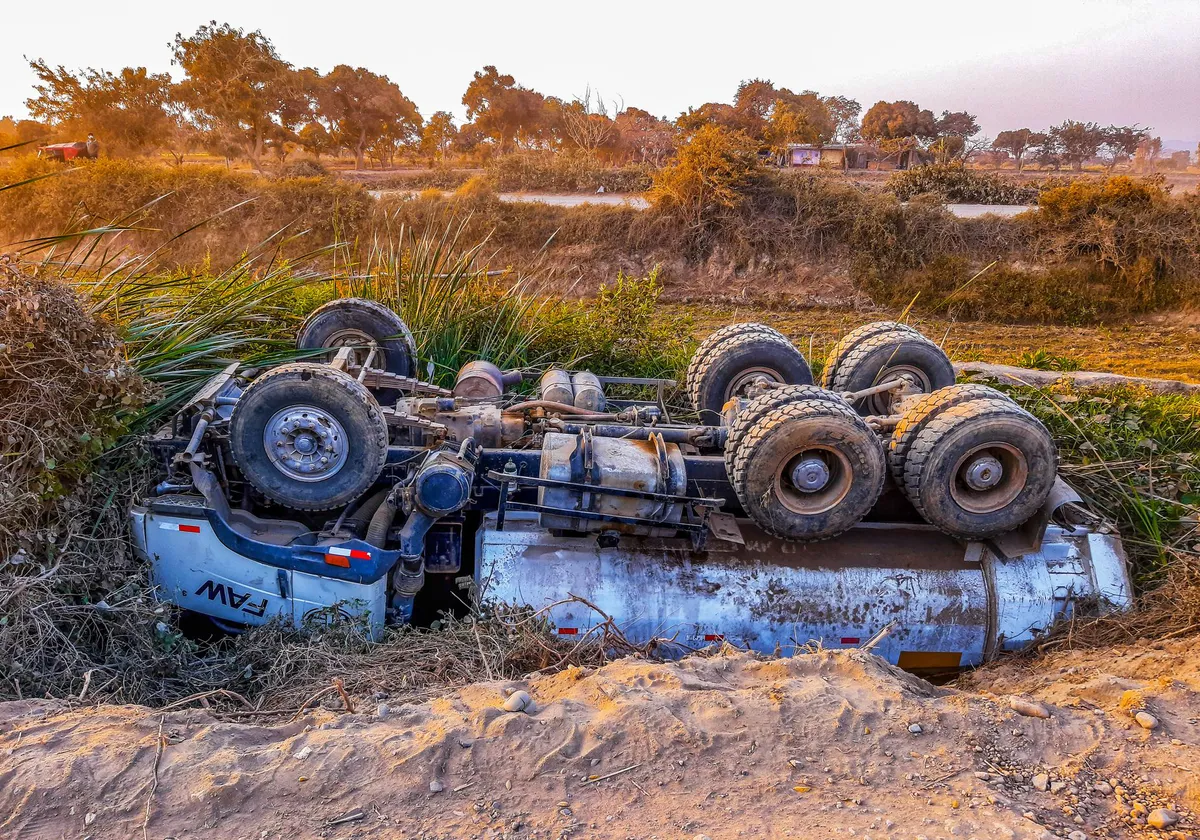
Understanding the Dangers: What Makes Texas Roads Risky for Trucks
The combination of Texas's geography, economic activities, and transportation infrastructure creates a perilous environment for truck operations. One of the most heavily trafficked routes is the Interstate 35 corridor, which runs from the Mexican border through key cities like San Antonio, Austin, and Dallas-Fort Worth. This corridor is a major artery for freight, leading to frequent intersections of commercial and commuter traffic and raising the likelihood of accidents.
Additionally, rural highways, while having lower traffic volumes, often come with challenges such as:
High-Speed Limits and Emergency Response
Higher speed limits on rural roads can lead to more severe accidents. When combined with longer emergency response times, the risks multiply, as many fatal truck accidents occur in these less populated areas where visibility may be compromised and driving conditions can be unpredictable.
Environmental Factors
Texas's intense summer heat contributes to vehicle wear and tear, including tire failures and mechanical issues, which can jeopardize safety. Moreover, construction zones create bottlenecks that confuse traffic patterns and increase collision risks. It is critical for drivers to remain vigilant, especially in these changing conditions.
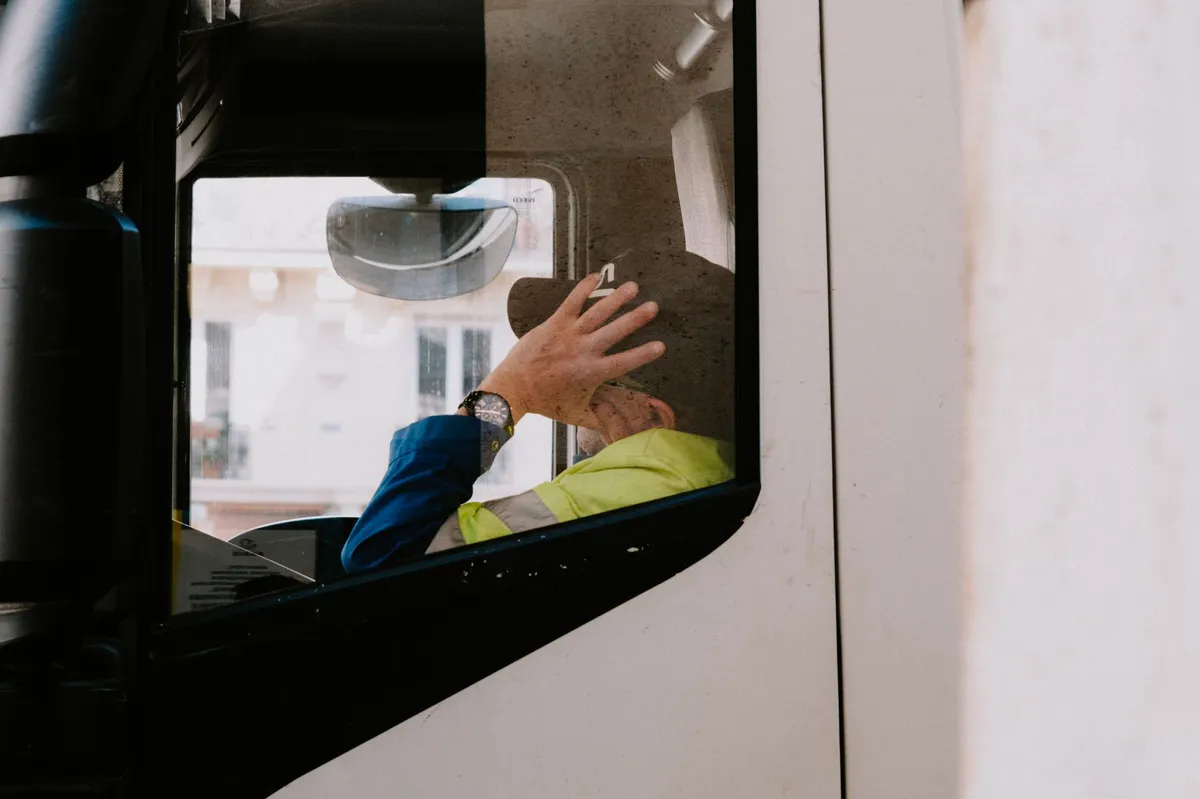
Contributing Factors to Truck Accidents: A Closer Look
While many factors contribute to truck accidents in Texas, three key issues stand out as particularly concerning:
Driver Fatigue
Commercial drivers often face long hours behind the wheel, leading to fatigue. Although federal regulations limit driving time, violations occur, and the resulting fatigue can impair reaction times and decision-making. This condition is a significant contributor to many truck accidents nationwide.
Distracted Driving
Studies show that distraction is a factor in approximately 28% of truck crashes. This can result from mobile devices, navigation systems, or even in-cab activities. Distractions can prevent drivers from responding quickly to sudden changes in traffic conditions, increasing the risk of collisions.
Speeding
Speeding is another prevalent issue. Commercial trucks require greater stopping distances than passenger vehicles, and excessive speed can dramatically increase the severity of an accident. With larger vehicles involved, the consequences can be catastrophic for those in smaller passenger cars.

The Aftermath of a Truck Accident: Navigating Legal Challenges
The aftermath of a truck accident can be overwhelming. Beyond immediate medical concerns, victims often grapple with insurance claims, vehicle damages, and legal questions. Understanding the complexities of truck accident claims is essential, as they are often more complicated than standard vehicle collisions due to the involvement of multiple parties. Potentially liable parties may include:
- Truck drivers
- Trucking companies
- Cargo loaders
- Maintenance providers
- Vehicle manufacturers
In Texas, personal injury claims are subject to a statute of limitations, which typically requires victims to act within two years of the accident. Delays in pursuing a claim can lead to lost evidence and unavailable witnesses, complicating the legal process. Seeking guidance from an experienced personal injury attorney can be instrumental in navigating these challenges and ensuring that victims receive the compensation they deserve.
Current Efforts to Mitigate Truck-Related Fatalities
In response to the alarming rates of truck fatalities, both state and federal agencies are implementing various strategies aimed at reducing these incidents. The Texas Department of Transportation (TxDOT) has launched public awareness campaigns focused on safe driving practices around commercial vehicles. These campaigns educate motorists on avoiding blind spots, maintaining safe distances, and exercising caution when sharing the road with large trucks.
Moreover, federal initiatives such as the Electronic Logging Device (ELD) mandate seek to enhance compliance with hours-of-service regulations, aiming to reduce fatigue-related crashes. By electronically tracking driving hours, regulators hope to limit excessive driving and improve accountability among commercial drivers.
Despite these efforts, large truck crashes in Texas cities remain a significant concern, especially in densely populated areas like Austin. Addressing the high number of truck fatalities will likely require a multifaceted approach that includes infrastructure improvements, regulatory enforcement, industry compliance, and ongoing public education about safe driving practices.
Key Takeaways
- Texas leads the U.S. in truck accident fatalities, with over 700 deaths reported in 2024.
- Contributing factors include driver fatigue, distracted driving, and speeding.
- Victims of truck accidents face complex legal challenges and should consider consulting an experienced attorney.
- Public awareness campaigns and federal regulations are being employed to combat this issue.
Frequently Asked Questions
What should I do immediately after a truck accident?
After a truck accident, your immediate priority should be safety. Ensure you and others are out of harm's way. Call 911 for medical assistance if anyone is injured. Document the scene by taking photos, obtaining witness statements, and exchanging information with the truck driver. It's also advisable to contact your insurance company and consult with a personal injury attorney to understand your rights and options moving forward.
How can I determine if I have a valid truck accident claim?
To determine if you have a valid truck accident claim, consider whether you sustained injuries or damages as a result of the accident and if there is evidence pointing to negligence on the part of the truck driver or other parties involved. Consulting a personal injury attorney can provide clarity on the strength of your claim and the potential parties to hold liable, as they can review the specifics of your case and help you navigate the legal complexities.
What types of compensation can I claim after a truck accident?
Victims of truck accidents may be entitled to various forms of compensation, including medical expenses, lost wages, pain and suffering, and property damage. In some cases, punitive damages may also be awarded if the at-fault party's actions were particularly egregious. The extent of compensation depends on the unique circumstances of each case, making it essential to gather documentation and seek legal advice to maximize your recovery.
What role do trucking companies play in accidents?
Trucking companies can be held liable for accidents involving their drivers under the legal principle of vicarious liability, which holds employers responsible for the actions of their employees while performing job-related duties. Additionally, companies may face claims for negligent hiring, inadequate training, or failure to maintain their vehicles properly. Understanding the potential liability of trucking companies can be a crucial aspect of any truck accident claim.
This content is general information and not legal advice.
Comments
When to File a Personal Injury Lawsuit: Weighing Your Options
Determining whether to accept a settlement offer or file a personal injury lawsuit can be challenging. This article explores the factors to consider when making this critical decision, including the implications of both choices on your recovery.

Related articles






Popular in Personal Injury
- Hawaii Supreme Court Overturns 36-Year-Old Rape Conviction Due to Forensic Flaws
- The Impact of Pro Bono Work by BigLaw Firms in 2025
- Albertsons Faces Trial Over Role in Washington's Opioid Crisis
- The Hidden Dangers of Open Manholes in New York City
- Historic $81 Million Verdict in Utah Pedestrian Wrongful Death Case