Tohono O’odham Nation Fights Border Wall Construction: A Legal Battle
The Tohono O’odham Nation is embroiled in a significant legal battle over the proposed construction of a border wall that threatens its sovereignty and sacred lands. The case highlights the complexities of federal authority, Indigenous rights, and environmental concerns.
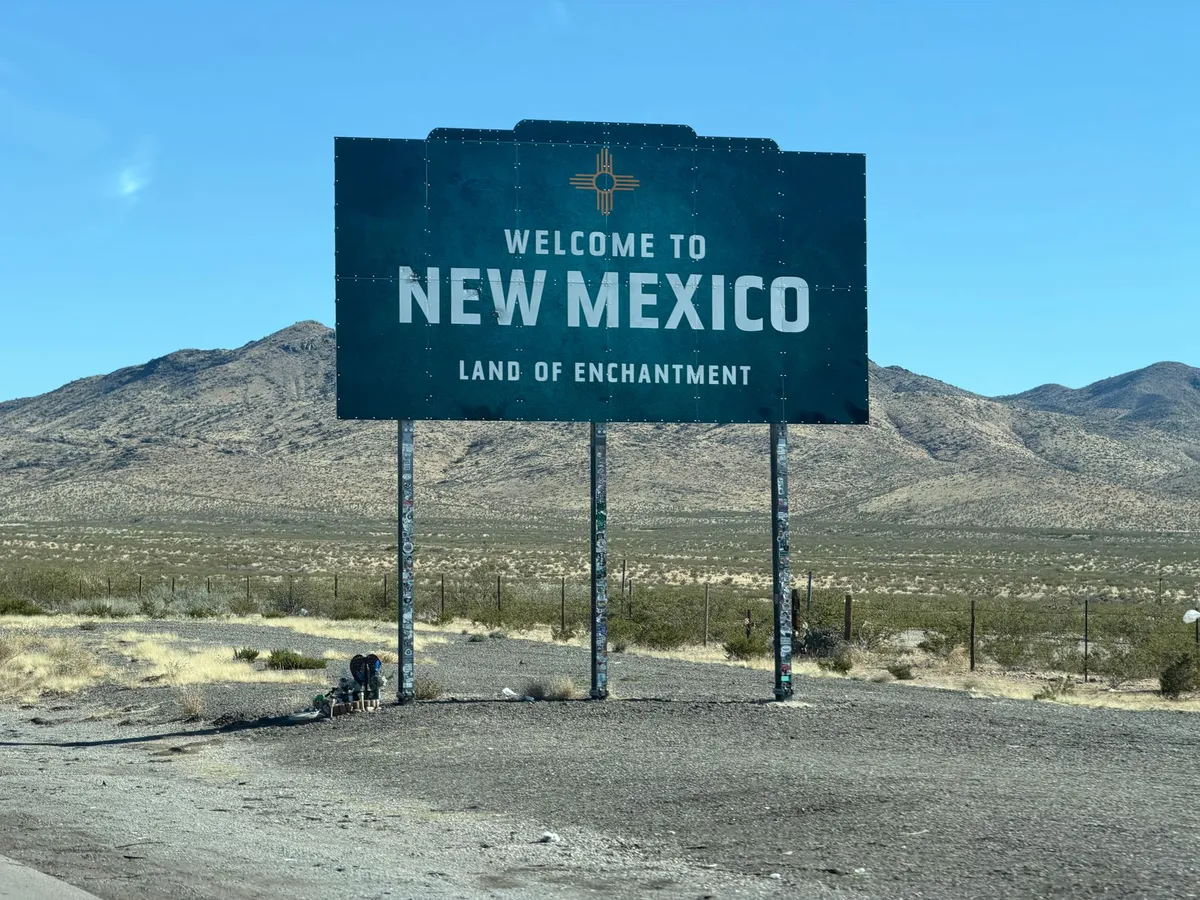
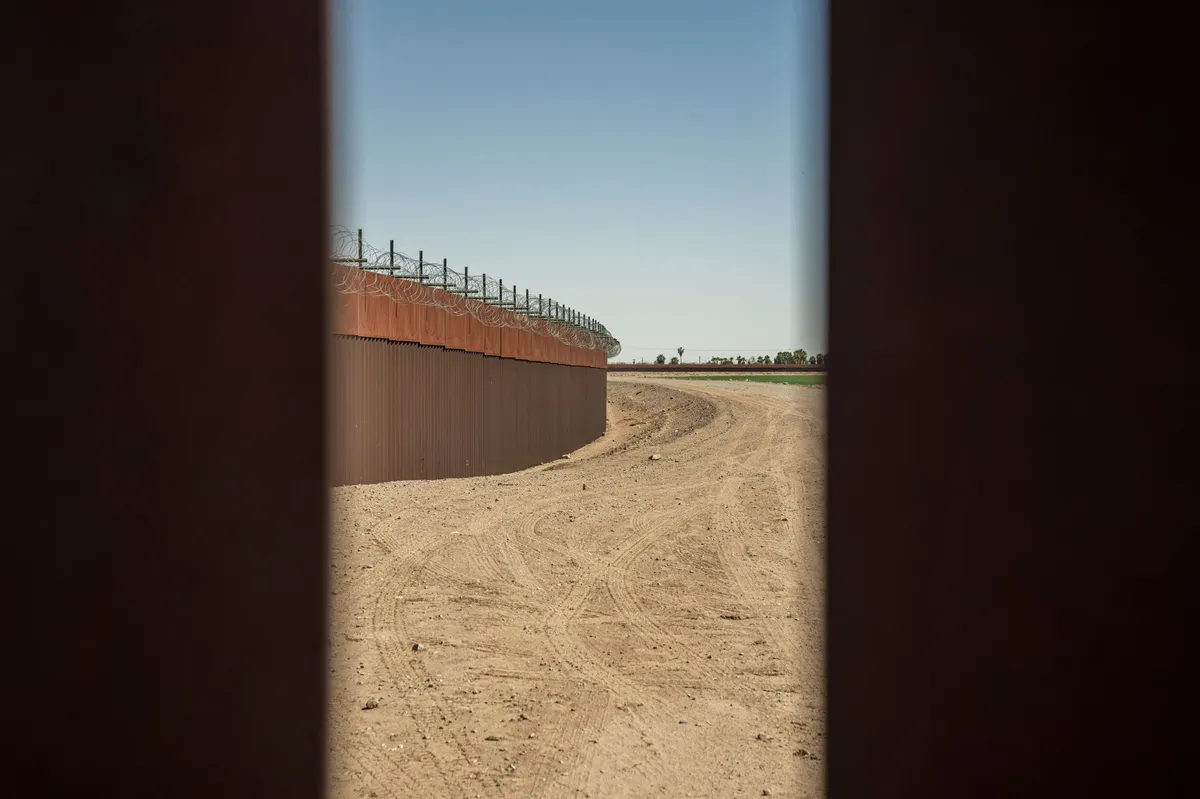
The legal landscape of U.S. border security is about to be tested in a significant way as the Tohono O’odham Nation stands firm against the Trump administration’s plan to construct a 62-mile border wall across the Arizona-Mexico border. This proposed construction threatens to infringe upon the Nation's sovereignty and disrupt the sacred lands that are integral to their cultural identity. With substantial legal arguments centered on historical treaties, federal laws, and environmental protections, the Nation's case highlights the ongoing struggles faced by Indigenous communities against federal overreach.
After filing a lawsuit on June 16, the Tohono O’odham Nation seeks a preliminary injunction to halt construction by the Department of Homeland Security (DHS), which the tribe claims was initiated without their consent. Senior U.S. District Judge Richard Leon expressed skepticism regarding the tribe’s request, deeming it “extraordinary” given the government’s asserted national security interests. The implications of this case extend beyond the immediate construction of the wall; they touch upon complex issues of sovereignty, environmental stewardship, and the historical treatment of Indigenous nations in the U.S.
Understanding the Legal Framework
At the heart of this legal confrontation is the federal government's authority to alter the boundaries of Indigenous reservations. The Tohono O’odham Nation argues that the DHS's unilateral decision contravenes 28 U.S. Code 258, which mandates that any modifications to reservation boundaries must be sanctioned by Congress, not merely through administrative action. This legal provision is designed to protect Indigenous lands from federal encroachments without due process.
The tribe's argument is bolstered by historical context. In 1907, President Theodore Roosevelt established a 60-foot strip along the U.S.-Mexico border as a “public reservation,” allowing the federal government to construct certain structures for border security. This provision has been used in the past, as seen in the 2004 agreement that led to the construction of 52 miles of vehicle barriers. However, the Tohono O’odham Nation contends that the current border wall project significantly exceeds the prior agreements and poses an existential threat to their sovereignty.

Cultural and Environmental Impacts
The Tohono O’odham Nation is not only defending its legal rights but also its cultural heritage and environmental legacy. The proposed border wall threatens to disrupt traditional lands and sacred sites, including the Baboquivari Mountain, which holds immense spiritual significance for the tribe as the home of their creator god I’itoi. The Nation's representatives argue that the wall’s construction would “unilaterally alter” the boundaries of the reservation and destroy critical ecosystems.
Chairman Verlon Jose articulated the tribe’s commitment to environmental stewardship, emphasizing the importance of wildlife migration across the border. The Sonoran Desert is home to over 60 threatened or endangered species, including the jaguar and the Mexican gray wolf. The construction of the wall could severely impede these species' natural habitats and migration patterns, which are essential not only for biodiversity but also for the cultural identity of the Tohono O’odham people.
- Protection of Sacred Lands: The Baboquivari Mountain is central to the tribe’s spirituality.
- Endangered Species: The wall could disrupt migration patterns for over 60 species.
- Sovereignty Rights: The tribe argues that the government's actions violate their rights under federal law.
The Broader Implications of the Case
This legal battle is not only pivotal for the Tohono O’odham Nation but could also set a precedent for how Indigenous rights are respected in the context of federal border security measures. If the court rules against the Nation, it may embolden further federal actions that disregard tribal sovereignty, leading to larger implications for Indigenous communities across the country.
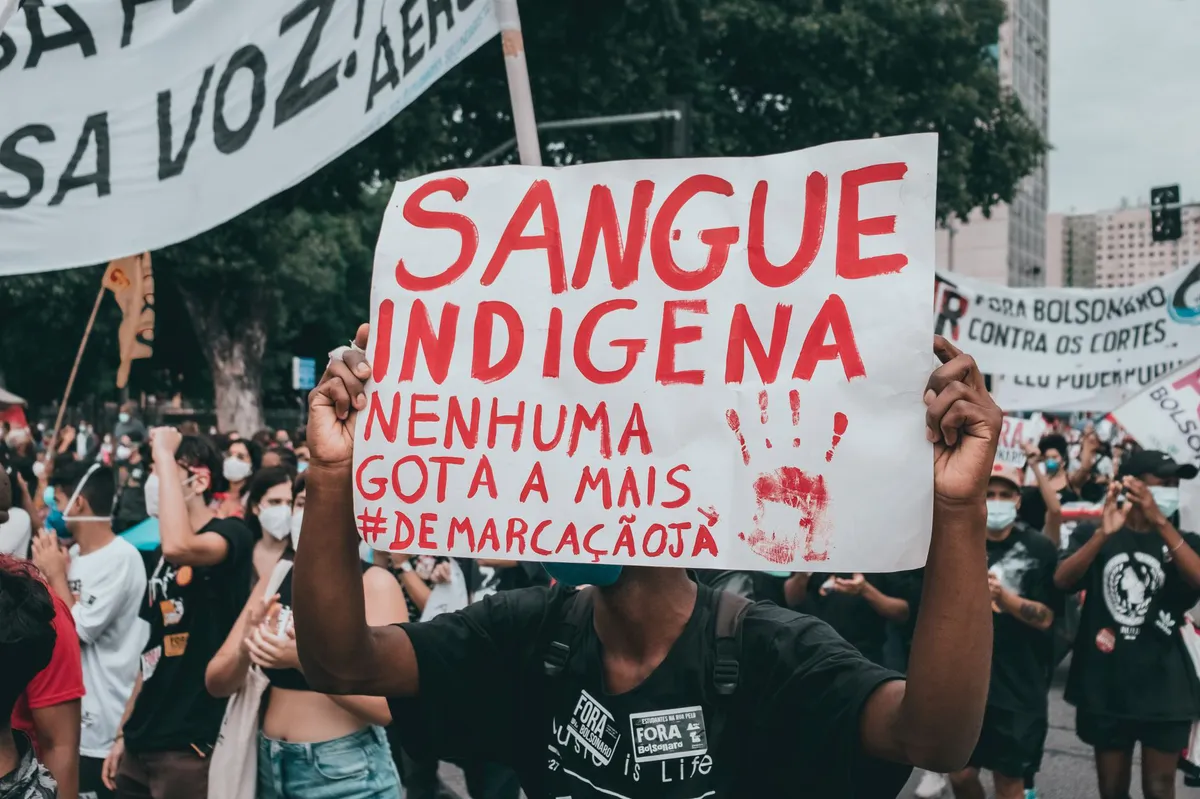
The Tohono O’odham Nation’s struggle mirrors a broader narrative of Indigenous resistance against government policies that threaten their rights and lands. The historical context of border security in the U.S. has often marginalized the voices of Indigenous peoples, who have the most to lose from such constructions. This case could be a watershed moment in affirming or undermining the rights of Indigenous nations in the face of governmental authority.
Judicial Considerations and Future Steps
As Judge Leon deliberates on the preliminary injunction, he has expressed concerns about the balance between national security interests and Indigenous rights. The Justice Department has argued that the project is necessary for operational control along the border, citing the need for enhanced security measures. However, the Tohono O’odham Nation’s legal team points out that the government has not demonstrated that the proposed wall is the only viable solution to border security.
In recent rulings, courts have increasingly recognized the significance of sovereignty and the rights of Indigenous tribes. The outcome of this case could hinge on whether the court views the Tohono O’odham Nation's claims as valid and whether they consider the long-standing implications of federal actions on Indigenous communities.

Key Takeaways
- The Tohono O’odham Nation is challenging the border wall construction based on sovereignty and environmental concerns.
- The legal battle raises critical questions about the balance between national security and Indigenous rights.
- Over 60 endangered species could be affected by the wall, highlighting the environmental stakes involved.
- The outcome may set a precedent for future Indigenous rights cases against federal actions.
Frequently Asked Questions
What is the Tohono O’odham Nation’s main argument against the border wall?
The Tohono O’odham Nation is primarily arguing that the construction of the border wall violates their sovereignty and alters their reservation boundaries without congressional approval, which is required under federal law. They contend that the wall poses a significant threat to their cultural and spiritual sites, as well as to the environment.
How does the border wall impact wildlife?
The proposed border wall would significantly disrupt the migration patterns of numerous endangered species, including the jaguar and Mexican gray wolf. The Tohono O’odham Nation emphasizes that the migration of these animals is integral to their cultural identity and environmental stewardship. The wall could obstruct vital habitats and threaten biodiversity in the region.
What legal avenues does the Tohono O’odham Nation have?
The Nation has filed a lawsuit seeking a preliminary injunction to halt construction and is relying on federal statutes that protect Indigenous lands. They argue that any changes to reservation boundaries must be legislated by Congress, not executed by federal agencies. This legal strategy aims to assert both their sovereignty and environmental rights in court.
What are the broader implications of this case?
This case may set a critical precedent regarding Indigenous sovereignty and the federal government’s authority to alter tribal lands. A ruling in favor of the Tohono O’odham Nation could strengthen the legal framework for other Indigenous communities facing similar challenges, while a ruling against them might embolden further federal encroachments on tribal lands.
This article is intended for informational purposes only and does not constitute legal advice.
Comments
When to File a Personal Injury Lawsuit: Weighing Your Options
Determining whether to accept a settlement offer or file a personal injury lawsuit can be challenging. This article explores the factors to consider when making this critical decision, including the implications of both choices on your recovery.

Related articles







Popular in Personal Injury
- Hawaii Supreme Court Overturns 36-Year-Old Rape Conviction Due to Forensic Flaws
- The Impact of Pro Bono Work by BigLaw Firms in 2025
- Albertsons Faces Trial Over Role in Washington's Opioid Crisis
- The Hidden Dangers of Open Manholes in New York City
- Historic $81 Million Verdict in Utah Pedestrian Wrongful Death Case