Understanding the Legal Needs of Everyday Americans: A Call for Change
Many people in need of legal assistance are overlooked by traditional law firms. This article explores the disconnect between BigLaw and the legal needs of everyday Americans, highlighting the importance of accessible legal services.

The landscape of legal services in America is often dominated by large law firms, known colloquially as BigLaw. These firms, with their towering skyscrapers and hefty hourly rates, have become synonymous with elite legal representation. However, there is a significant disconnect between what these firms offer and the actual legal needs of the average American. Many individuals facing legal challenges may not even realize they are in need of assistance, let alone have the means to afford it. This article delves into the complexities of the legal system, the barriers faced by those in need, and the crucial role that access to justice plays in our society.
As many Americans grapple with issues ranging from housing disputes to employment rights, the traditional legal pathways often prove daunting and inaccessible. BigLaw firms are set up to handle large corporate clients, often sidelining the very individuals who could benefit from their expertise. This misalignment raises critical questions about the accessibility of legal services and the responsibility of the legal profession to adapt to the needs of the community.
The Disconnect Between BigLaw and Everyday Legal Needs
BigLaw firms typically cater to corporations, wealthy individuals, and complex litigation cases. This focus leads to a significant gap in legal representation for the average citizen, particularly in areas such as:
- **Personal Injury:** Many individuals who suffer injuries due to accidents may hesitate to seek legal help due to perceived costs or fear of navigating the legal system alone.
- **Family Law:** Divorce, child custody, and related issues often arise in everyday life, yet many people are unaware of their rights or the resources available to them.
- **Consumer Rights:** Consumers frequently face issues with defective products or unfair business practices, but lack the knowledge or means to pursue legal action.
- **Housing Disputes:** Issues like eviction or landlord-tenant disputes are common, yet many do not seek legal counsel due to the costs involved.

Barriers to Accessing Legal Services
There are several barriers that prevent individuals from seeking legal help, many of which are exacerbated by the current structure of the legal profession:
Financial Constraints
Legal fees can be exorbitant, often ranging from $200 to over $1,000 per hour, depending on the firm and the complexity of the case. This financial burden can deter individuals from seeking necessary legal assistance, especially those from lower-income backgrounds.
Awareness of Rights
Many Americans are not fully aware of their legal rights and the resources available to them. This lack of knowledge can prevent individuals from taking action when they face legal challenges, leading to a sense of helplessness.
Complex Legal Processes
The legal system can be intricate and intimidating. Complicated procedures and legal jargon can overwhelm individuals who are not familiar with the law, making it difficult for them to navigate their own cases.

Innovative Solutions to Bridge the Gap
To address these disparities, innovative solutions are emerging that aim to make legal services more accessible to the general public. These include:
Legal Technology
Technology is playing a significant role in making legal assistance more accessible. Platforms offering online legal advice, automated document preparation, and virtual consultations are helping to streamline the process and reduce costs.
Pro Bono Services
Many law firms are increasing their commitment to pro bono work, providing free legal services to those who cannot afford representation. This shift is crucial in ensuring that vulnerable populations receive the assistance they need.
Community Legal Clinics
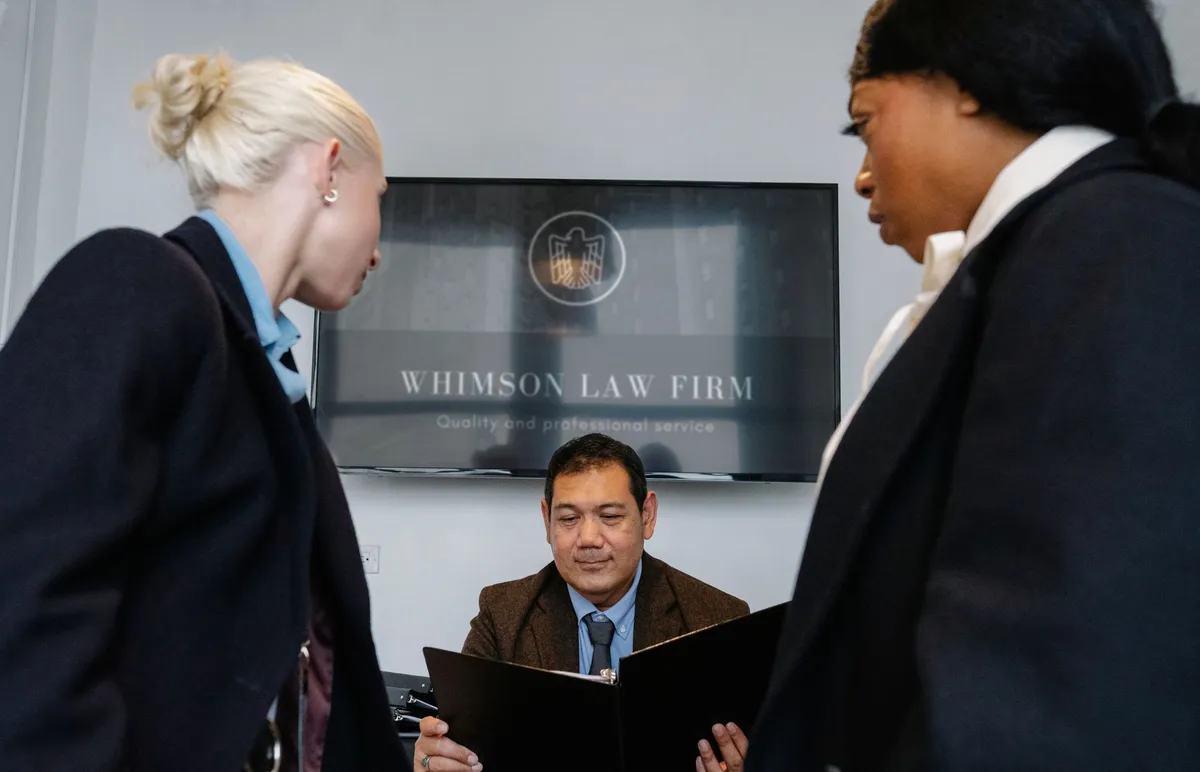
Community organizations are setting up legal clinics that offer free or low-cost services to individuals facing legal challenges. These clinics often focus on specific areas of law and are staffed by volunteers, including law students and experienced attorneys.
The Role of Education and Advocacy
Education and advocacy are vital components in empowering individuals to seek legal help when needed. Initiatives aimed at raising awareness about legal rights and available resources can significantly impact communities. Key strategies include:
Workshops and Seminars
Conducting workshops and seminars on various legal topics can provide individuals with the knowledge they need to understand their rights and navigate the legal system effectively.
Online Resources
Creating online platforms that offer comprehensive information about legal rights, processes, and available services can help individuals access the information they need without the associated costs of traditional legal advice.
Advocacy Groups
Engaging advocacy groups that focus on specific legal issues can help raise awareness and push for reforms that improve access to legal services for all.
Key Takeaways
- BigLaw firms primarily serve corporate clients, leaving many individuals without necessary legal representation.
- Barriers such as financial constraints and lack of awareness prevent individuals from seeking legal help.
- Innovative solutions like legal technology, pro bono services, and community clinics are emerging to bridge the gap.
- Education and advocacy play critical roles in empowering individuals to understand and assert their legal rights.
Frequently Asked Questions
What should I do if I can't afford a lawyer?
If you cannot afford a lawyer, consider seeking out pro bono services, which are offered for free by many law firms. Additionally, community legal clinics often provide low-cost or free legal assistance. Utilizing online platforms that offer legal resources can also be a helpful starting point.
How can I learn about my legal rights?
Understanding your legal rights can be achieved through various means, including attending community workshops, accessing online legal resources, or consulting with local advocacy groups that specialize in your area of concern. Many organizations offer free materials that outline basic rights related to consumer issues, family law, and more.
What are community legal clinics, and how do they work?
Community legal clinics provide a platform for individuals to receive legal advice and assistance at little to no cost. These clinics are often staffed by volunteer attorneys and law students who are trained to help clients navigate specific legal issues. They typically hold regular sessions and may focus on areas such as housing, immigration, or family law.
This article is for informational purposes only and does not constitute legal advice.
Comments
When to File a Personal Injury Lawsuit: Weighing Your Options
Determining whether to accept a settlement offer or file a personal injury lawsuit can be challenging. This article explores the factors to consider when making this critical decision, including the implications of both choices on your recovery.

Related articles







Popular in Personal Injury
- Hawaii Supreme Court Overturns 36-Year-Old Rape Conviction Due to Forensic Flaws
- The Impact of Pro Bono Work by BigLaw Firms in 2025
- Albertsons Faces Trial Over Role in Washington's Opioid Crisis
- The Hidden Dangers of Open Manholes in New York City
- Historic $81 Million Verdict in Utah Pedestrian Wrongful Death Case