Understanding the 7th Circuit's Ruling on TCPA and Text Messages
A recent ruling by the 7th Circuit Court clarifies that the Telephone Consumer Protection Act (TCPA) does not include text messages in its definition of unwanted calls. This article explores the implications of this decision on consumer rights and telemarketing practices.

The landscape of consumer protection laws is ever-evolving, particularly when it comes to regulating unwanted communications. A significant ruling from the 7th Circuit Court of Appeals has recently drawn attention to the limitations of the Telephone Consumer Protection Act (TCPA) concerning text messages. This decision has left many consumers pondering their rights when faced with unsolicited texts from telemarketers and other entities. The implications of this ruling not only affect individual consumers but also shape the broader landscape of telemarketing practices across the United States.
The Telephone Consumer Protection Act, enacted in 1991, was primarily designed to reduce the number of unwanted calls made to consumers, particularly through the use of automated dialing systems and prerecorded messages. However, as technology has evolved, so too have the methods of communication, leading to a critical examination of how this law applies to newer forms of contact, including text messaging.
What the 7th Circuit Decision Entails
In its recent ruling, the 7th Circuit determined that the TCPA's provision relating to unwanted calls does not extend to text messages. This interpretation arose from a case involving a consumer who received numerous text messages from a company that had not received prior consent to send such messages. The court's decision hinged on the legal definition of “calls” as it is used within the TCPA, which the judges concluded did not encompass text messages.
Legal Definitions and Their Importance
Legal definitions play a crucial role in how laws are applied and enforced. In the TCPA, the term “call” has traditionally referred to voice communications made via telephone lines. The 7th Circuit’s interpretation reinforces the view that text messages, sent via different technological means, do not fall under the same regulatory umbrella. This distinction is important because it limits the potential for consumers to seek damages under the TCPA for unwanted text messages.
Impact on Consumers and Telemarketing Practices
The ruling has several implications for consumers and businesses alike. For consumers, the inability to claim damages for unsolicited text messages could mean that telemarketers face fewer consequences for sending unwanted communications. This may lead to an increase in the volume of unsolicited texts, frustrating consumers who wish to avoid such contact.
On the other hand, businesses may perceive this ruling as a green light to expand their marketing efforts via text messaging. With the TCPA not providing a clear avenue for consumers to challenge unwanted texts, businesses may feel emboldened to engage in practices that could lead to consumer annoyance without the fear of significant legal repercussions.
What Consumers Should Know
- Know Your Rights: Familiarize yourself with the TCPA and its provisions regarding calls and messages.
- Consent is Key: Businesses must obtain consent before sending marketing texts, but the TCPA's limitations mean enforcement may be weaker.
- Document Everything: If you receive unsolicited texts, keep a record of the messages and any interactions with the company.
- Stay Informed: Monitor legal developments regarding the TCPA, as future rulings could alter the landscape.
Looking Ahead: Possible Legal Changes
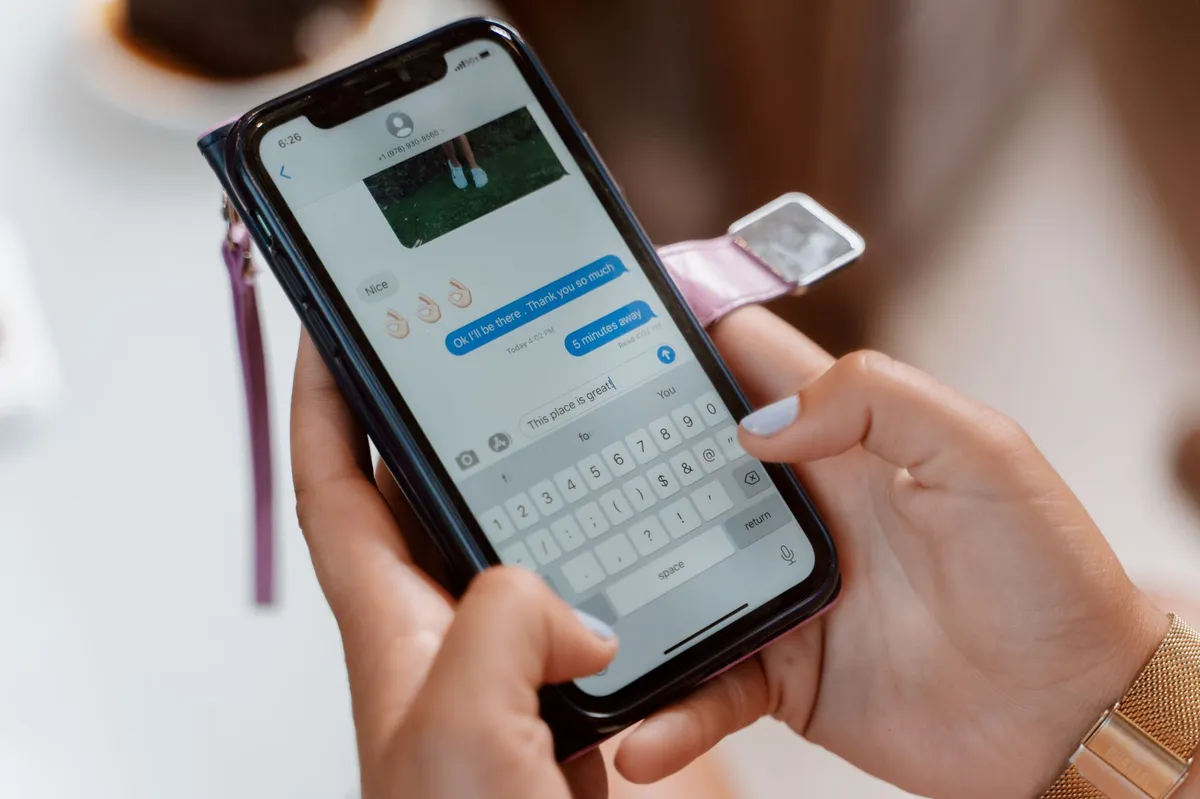
The ruling by the 7th Circuit may not be the final word on the matter. Legal scholars and consumer advocates continue to debate the merits of the TCPA in light of modern communication practices. There are ongoing discussions about potential legislative changes that might expand the definition of “calls” to include texts, thereby granting consumers greater protections.
Moreover, as technology continues to evolve, lawmakers may feel compelled to revisit the TCPA to ensure it addresses contemporary concerns. For instance, the rise of app-based messaging platforms could lead to new interpretations of what constitutes an unsolicited communication.
Key Takeaways
- The 7th Circuit ruling clarifies that the TCPA does not cover text messages.
- Consumers may face an increase in unsolicited texts without significant legal recourse under the TCPA.
- Businesses may feel encouraged to utilize text messaging for marketing without fear of TCPA liability.
- Staying informed about your rights and documenting unwanted communications is crucial.
Frequently Asked Questions
What can I do if I receive unwanted text messages?
If you receive unwanted text messages, the first step is to document the messages, including the number they are coming from and the content. Although the TCPA does not currently offer robust protections against unsolicited texts, you can still report these messages to your carrier. Many carriers have services to help block spam texts. Additionally, consider filing a complaint with the Federal Communications Commission (FCC), as they monitor telemarketing practices and may take action against repeat offenders.
Are there any exceptions to the TCPA regarding consent for texts?
Under the TCPA, businesses are generally required to obtain prior consent from consumers before sending marketing texts. However, certain exceptions exist, such as messages that are informational in nature or those sent to consumers with whom the business has an established relationship. Understanding these nuances can help consumers navigate their rights more effectively.
Will the ruling in the 7th Circuit affect other circuits?
While the 7th Circuit's ruling is binding only within its jurisdiction, it may influence cases in other circuits, particularly if similar issues arise. Courts in different jurisdictions may look to the 7th Circuit's reasoning as persuasive, especially if they face analogous cases involving the TCPA and text messages.
What are the current trends in telemarketing practices?
The telemarketing landscape is rapidly changing, with many businesses shifting towards text messaging as a primary communication channel. This trend is partly due to the high open rates of text messages compared to emails and traditional calls. As a result, consumers may find themselves increasingly inundated with unsolicited texts, prompting calls for reform of existing laws like the TCPA to better protect consumer rights in this evolving communication environment.
The content provided here is general information and not legal advice.
Comments
When to File a Personal Injury Lawsuit: Weighing Your Options
Determining whether to accept a settlement offer or file a personal injury lawsuit can be challenging. This article explores the factors to consider when making this critical decision, including the implications of both choices on your recovery.
Related articles







Popular in Personal Injury
- Hawaii Supreme Court Overturns 36-Year-Old Rape Conviction Due to Forensic Flaws
- The Impact of Pro Bono Work by BigLaw Firms in 2025
- Albertsons Faces Trial Over Role in Washington's Opioid Crisis
- The Hidden Dangers of Open Manholes in New York City
- Historic $81 Million Verdict in Utah Pedestrian Wrongful Death Case