Activists Challenge Trump Administration's Sanctions on Palestine Advocacy
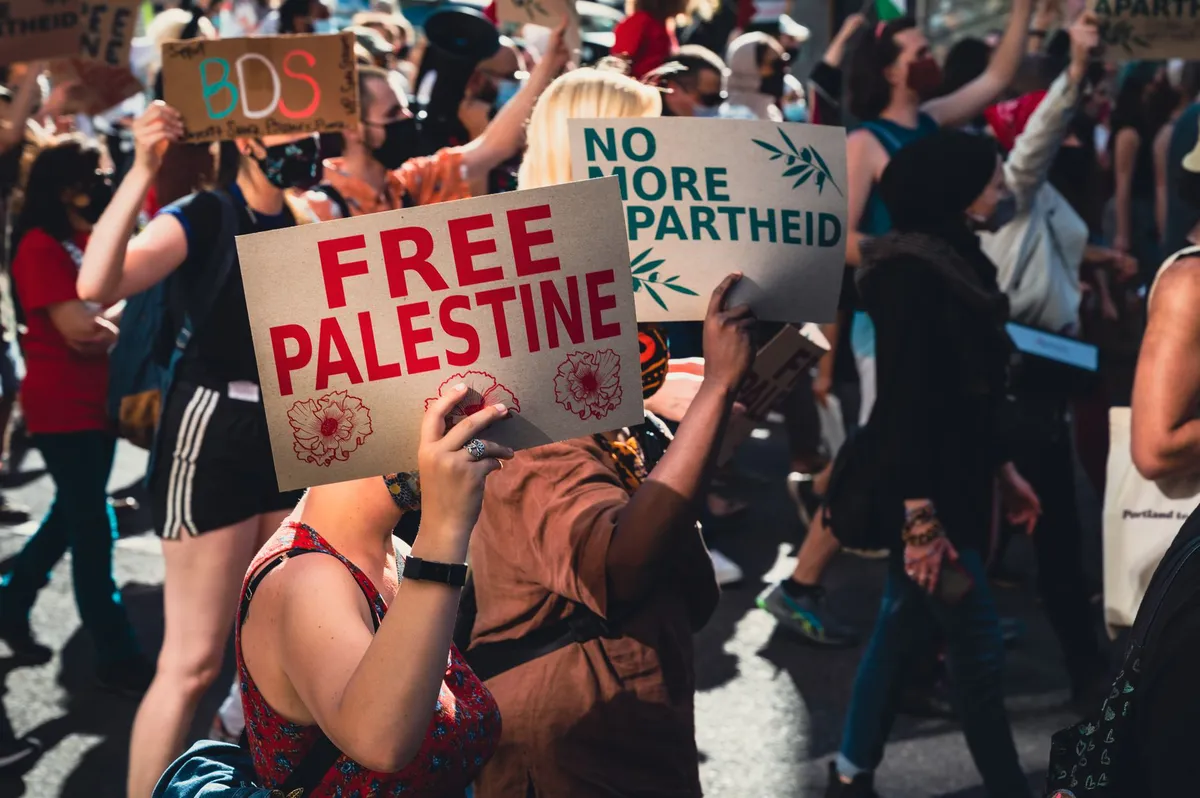
A federal lawsuit has been filed against the Trump administration over sanctions targeting pro-Palestine advocacy groups. The plaintiffs argue these sanctions infringe on First Amendment rights and threaten free speech.
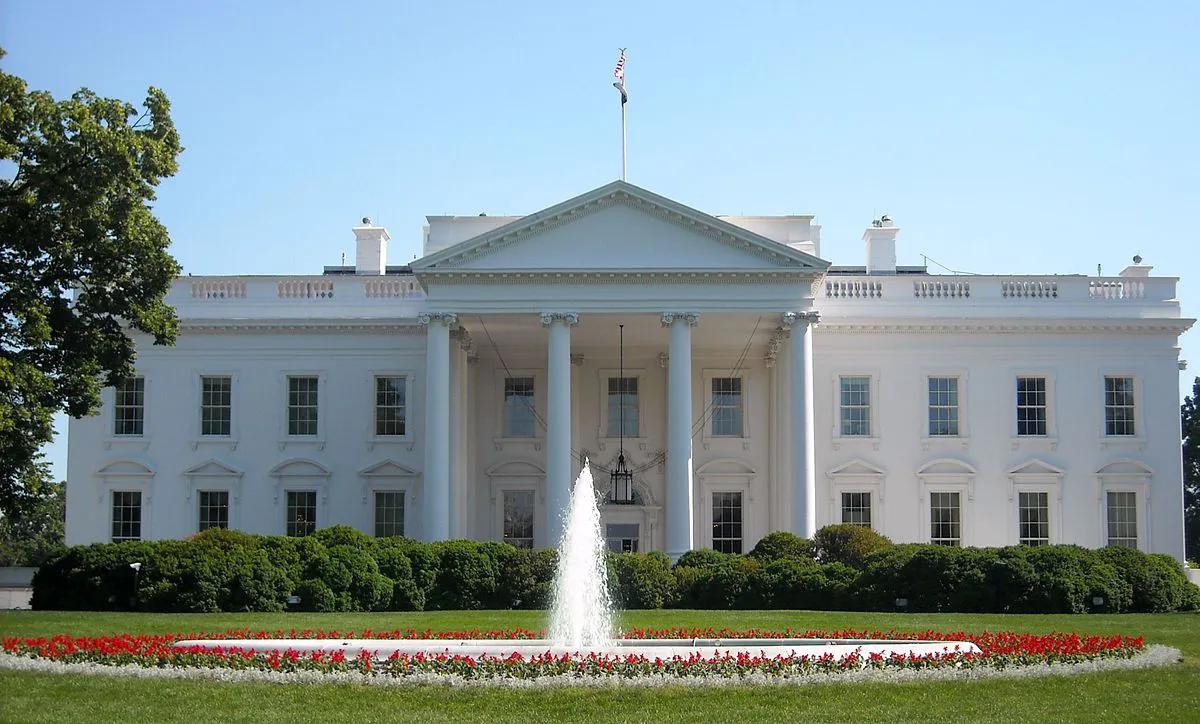
The legal landscape surrounding advocacy for Palestine has recently become a battleground, as activists challenge the Trump administration's controversial sanctions targeting organizations and individuals involved in this discourse. Filed in a Manhattan federal court, the lawsuit claims that the sanctions are a blatant violation of the First Amendment, aiming to suppress political expression regarding Palestine and Israel. This legal action not only raises questions about free speech but also underscores the tension between U.S. foreign policy and the rights of American citizens to advocate for human rights.
At the heart of this lawsuit are two plaintiff organizations: Democracy in the Arab World Now (Dawn) and the New York-based Taxpayer Alliance Against Genocide. They argue that the sanctions have profoundly affected their ability to engage in advocacy work related to alleged war crimes in Palestine. The Trump administration has framed the sanctions as necessary measures to counter what they perceive as overreach by the International Criminal Court (ICC). However, activists contend that these measures are selectively applied and serve to erode constitutional rights.
The Lawsuit: Claims and Implications
The lawsuit asserts that the sanctions imposed by the Trump administration have coerced advocates to reconsider their professional relationships and, in some cases, abandon their careers altogether. According to Omar Shakir, the executive director of Dawn, the sanctions have effectively weaponized economic penalties against those who defend human rights and engage in constitutionally protected speech. The plaintiffs argue that their activities—submitting evidence to the ICC regarding alleged Israeli war crimes and collaborating with sanctioned Palestinian charities—are core aspects of their First Amendment rights.
Specific Legal Claims
In their court filings, the advocacy groups outline several key legal claims:
- First Amendment Violations: The lawsuit emphasizes that the U.S. government cannot regulate citizens' rights to express contrary perspectives regarding international issues, such as Israel and Palestine.
- Selective Enforcement: The plaintiffs argue that the sanctions are selectively applied, disproportionately affecting those advocating for Palestinian rights while ignoring similar actions by pro-Israel organizations.
- Chilling Effect on Advocacy: The plaintiffs contend that the sanctions create a chilling effect on free speech, deterring individuals and organizations from engaging in advocacy for fear of economic retribution.

The Trump Administration's Response
In response to the lawsuit, the Trump administration has dismissed the claims as a bad-faith effort to undermine U.S. sovereignty and protect perceived ICC overreach. Secretary of State Marco Rubio has publicly stated that the ICC poses a significant threat to U.S. interests, arguing that it seeks to prosecute American citizens and allies without legitimate jurisdiction. This rhetoric highlights a broader trend in U.S. foreign policy, where the administration prioritizes national sovereignty over international legal frameworks.
Furthermore, the administration's stance has garnered both support and criticism on the international stage. The European Union has reiterated its commitment to the ICC, emphasizing that attacks on the court threaten international justice mechanisms. Dutch officials expressed concern over the hardened rhetoric from the U.S., signaling a potential diplomatic rift over the issue.
The Broader Context: Advocacy and International Law
This legal challenge is not an isolated incident but part of a larger narrative regarding the intersection of U.S. domestic law and international human rights advocacy. The ICC has faced ongoing scrutiny from the U.S. government, particularly following its investigations into alleged war crimes by Israel and other countries. The sanctions imposed on ICC officials and related advocacy groups are seen as an extension of the U.S. administration's broader strategy to undermine institutions that it views as adversarial.
Implications for Human Rights Advocacy
The implications of this lawsuit are profound for human rights advocates operating within the U.S. The outcome could set a precedent regarding the extent to which the government can impose sanctions that infringe upon constitutional rights. If the plaintiffs succeed in their challenge, it could reaffirm the rights of Americans to engage in international advocacy without fear of governmental retaliation.
Moreover, this case raises critical questions about the role of advocacy organizations in shaping U.S. foreign policy. If the courts uphold the plaintiffs' claims, it could encourage more activists to voice their concerns regarding U.S. foreign policy without the threat of economic repercussions.
Key Takeaways
- Legal Challenge: Activist groups have filed a lawsuit against the Trump administration for sanctions that they argue violate First Amendment rights.
- Impact on Advocacy: The sanctions are said to have a chilling effect on the ability of individuals and organizations to engage in Palestine-related advocacy.
- Government Response: The Trump administration defends the sanctions as necessary to protect U.S. sovereignty against ICC overreach.
- International Implications: The lawsuit highlights a growing tension between U.S. foreign policy and international human rights law.

Frequently Asked Questions
What are the main legal arguments presented in the lawsuit?
The lawsuit primarily claims that the sanctions imposed by the Trump administration violate the First Amendment rights of American citizens. The plaintiffs argue that these sanctions selectively target pro-Palestine advocacy organizations while suppressing protected speech. They contend that the government cannot regulate how Americans engage in international discourse, particularly regarding sensitive topics such as human rights violations.
How could this lawsuit impact future advocacy efforts?
If the lawsuit is successful, it could significantly empower activists and advocacy organizations by affirming their constitutional rights to engage in international human rights advocacy without fear of government retaliation. This could lead to an increase in advocacy efforts and a broader dialogue on U.S. foreign policy, particularly concerning Israel and Palestine.
What is the significance of the U.S. government's stance on the ICC?
The U.S. government has historically opposed the ICC, viewing it as a threat to national sovereignty. This stance has implications for how international law is perceived in the U.S. and can affect the willingness of American citizens to engage with international legal frameworks. The administration's rhetoric may deter individuals from advocating for justice on global platforms, raising critical questions about the balance between national interests and global accountability.
What are the potential outcomes of the lawsuit?
The potential outcomes of the lawsuit could range from a ruling that upholds the sanctions, thereby affirming the government's authority to regulate advocacy, to a decision that strikes down the sanctions as unconstitutional. A ruling in favor of the plaintiffs could lead to the lifting of sanctions against advocacy groups and a reaffirmation of First Amendment protections in the context of international advocacy.
Disclaimer: The content is general information, not legal advice.
Comments
Understanding Extreme DUI in Phoenix: Laws, Penalties, and Strategies
Extreme DUI charges in Phoenix carry severe penalties and long-term consequences. Understanding Arizona's laws and immediate actions to take post-arrest is crucial for anyone facing these charges.

Related articles






Popular in Personal Injury
- Hawaii Supreme Court Overturns 36-Year-Old Rape Conviction Due to Forensic Flaws
- The Impact of Pro Bono Work by BigLaw Firms in 2025
- Albertsons Faces Trial Over Role in Washington's Opioid Crisis
- The Hidden Dangers of Open Manholes in New York City
- Historic $81 Million Verdict in Utah Pedestrian Wrongful Death Case