Federal Court Halts South Dakota's Anti-Abortion Law Targeting Information Providers
A federal judge in South Dakota has granted a preliminary injunction against the state's new anti-abortion law, emphasizing the importance of free speech in abortion-related information dissemination.

In a significant ruling for reproductive rights advocates, a federal judge in South Dakota has intervened to halt the enforcement of a controversial anti-abortion law aimed at restricting information related to abortion services. This decision not only underscores the ongoing legal battles over abortion rights in the United States but also highlights the complexities surrounding the intersection of free speech and reproductive health.
The law, known as House Bill 1274, was passed during the 2026 legislative session and prohibits the advertising and distribution of materials related to abortion procedures. Signed into law by Republican Governor Larry Rhoden, the statute went into effect on July 1 and was immediately challenged by the nonprofit organization Mayday Health. The group, which focuses on providing information about reproductive health and access, filed a lawsuit against the state’s governor and attorney general, claiming that the law criminalizes its activities and infringes upon its First Amendment rights.
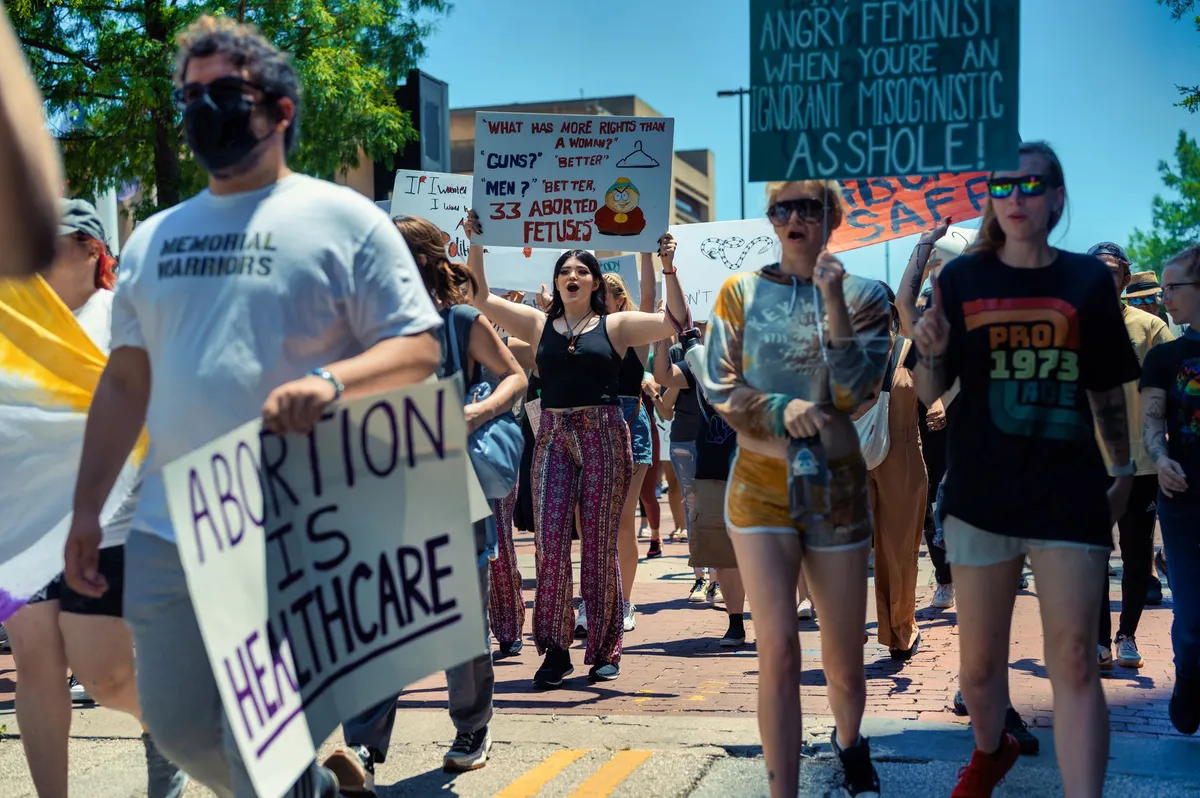
Legal Context of South Dakota's Anti-Abortion Law
South Dakota has long been at the forefront of the abortion debate in the United States. The state currently has stringent abortion laws, which include a near-total ban on the procedure with very few exceptions. The passage of House Bill 1274 represents an escalation in the state's legislative efforts to limit access to reproductive health information, particularly following the Supreme Court's 2022 decision in Dobbs v. Jackson, which overturned the constitutional right to abortion.
Mayday Health's lawsuit raises critical questions about the legality of such laws and their implications for free speech. The organization argues that the law not only restricts its ability to inform the public about available options but also creates a chilling effect on lawful speech regarding reproductive health. Under Section 230 of the Communications Decency Act, Mayday contends that it cannot be held liable for linking to third-party websites that provide information about abortion services.

Judge’s Ruling and Its Implications
On Friday, U.S. District Judge Camela C. Theeler issued a preliminary injunction against the enforcement of House Bill 1274, asserting that the law did not meet the strict scrutiny standard required for laws that restrict free speech. According to Theeler, the state officials failed to provide evidence that could justify the law’s restrictions, stating, “The record is devoid of evidence suggesting that the standard could be met.” This ruling is a pivotal moment in the ongoing legal struggle surrounding abortion rights and free speech.
The judge's decision was bolstered by evidence presented by Mayday, which demonstrated that abortion pills are safe and effective, countering the state’s claims that the organization disseminated misleading information. In her ruling, Theeler emphasized that protecting First Amendment rights outweighed any potential harm to the state, declaring that “the public has a compelling interest in protecting its First Amendment rights.”
The Ongoing Legal Battle
This ruling is not the end of the legal confrontation between Mayday Health and the South Dakota government. Although the judge denied the defendants’ motions to dismiss and for a spoliation remedy, she did not address Mayday's request for a judgment declaring the law unconstitutional on its face. The attorney general's office has indicated that it will continue to pursue the case, which underscores the contentious nature of abortion-related legislation in the state.
Jim Leach, the attorney representing Mayday, expressed satisfaction with the ruling, highlighting that the core issue of free speech was vindicated. He reiterated that the organization’s activities are about sharing information rather than promoting illegal actions, a stance that the judge supported. “The judge got everything right. What’s really important is the First Amendment is vindicated,” Leach stated.

Broader Impact of the Ruling
The implications of this ruling extend beyond South Dakota. It reflects a growing trend across the United States where states are grappling with how to regulate abortion access and information in a post-Roe world. As more states enact strict abortion laws, the legal battles surrounding these regulations will likely intensify, especially concerning First Amendment rights.
Furthermore, this case exemplifies the tension between state legislative actions and constitutional protections. It raises important questions about how far states can go in restricting information related to reproductive health, especially when such restrictions may infringe upon the rights of individuals and organizations to communicate openly about their options.
Key Takeaways
- Preliminary Injunction Granted: A federal judge has temporarily blocked South Dakota's anti-abortion law.
- First Amendment Protections: The ruling highlights the importance of free speech in the context of reproductive health information.
- Ongoing Legal Challenges: The case will continue, with potential implications for future abortion-related legislation across the U.S.
- Impact on Public Discourse: The ruling may influence how organizations can share information about abortion services.
Frequently Asked Questions
What is House Bill 1274 and why is it significant?
House Bill 1274 is a South Dakota law that prohibits the advertising and distribution of materials related to abortion procedures. Its significance lies in the fact that it represents a broader trend of states attempting to restrict access to reproductive health information, which raises serious constitutional questions regarding free speech and the right to information.
What does the ruling mean for Mayday Health?
The ruling grants Mayday Health a temporary reprieve from the enforcement of the law, allowing it to continue its work in providing information about reproductive health without the threat of legal repercussions. This is a crucial victory for the organization, which argues that its activities are protected under the First Amendment.
How does this case fit into the larger context of abortion rights in the U.S.?
This case is part of a larger national conversation about abortion rights following the Supreme Court's decision in Dobbs v. Jackson. As states enact more restrictive abortion laws, legal challenges like Mayday Health's will shape the landscape of reproductive rights and the dissemination of information related to those rights across the country.
What are the next steps in this legal battle?
While the initial ruling is a significant step for Mayday Health, the case will continue to unfold in court, with the state’s attorney general indicating plans to pursue further legal action. The outcome will likely involve additional discovery and may set important precedents for how similar cases are handled in the future.
This content is general information and not legal advice.
Comments
Understanding Extreme DUI in Phoenix: Laws, Penalties, and Strategies
Extreme DUI charges in Phoenix carry severe penalties and long-term consequences. Understanding Arizona's laws and immediate actions to take post-arrest is crucial for anyone facing these charges.

Related articles







Popular in Personal Injury
- Hawaii Supreme Court Overturns 36-Year-Old Rape Conviction Due to Forensic Flaws
- The Impact of Pro Bono Work by BigLaw Firms in 2025
- Albertsons Faces Trial Over Role in Washington's Opioid Crisis
- The Hidden Dangers of Open Manholes in New York City
- Historic $81 Million Verdict in Utah Pedestrian Wrongful Death Case