Understanding Extreme DUI in Phoenix: Laws, Penalties, and Strategies
Extreme DUI charges in Phoenix carry severe penalties and long-term consequences. Understanding Arizona's laws and immediate actions to take post-arrest is crucial for anyone facing these charges.

Driving under the influence (DUI) is a serious offense across the United States, but Arizona stands out for its particularly stringent laws. Among these, Extreme DUI charges represent one of the most severe classifications of DUI offenses. If you find yourself facing an Extreme DUI charge in Phoenix, understanding the full scope of the penalties, legal definitions, and immediate actions you should take can be crucial for your future. With blood alcohol concentration (BAC) thresholds set at 0.15% or higher, the ramifications of an Extreme DUI are not only serious but potentially life-altering.
The consequences of such charges extend beyond immediate fines or jail time; they can have lasting impacts on your employment, insurance rates, and personal life. This article delves deep into the specifics of Extreme DUI laws in Phoenix, the associated penalties, and the critical steps to take if you find yourself in this dire situation.
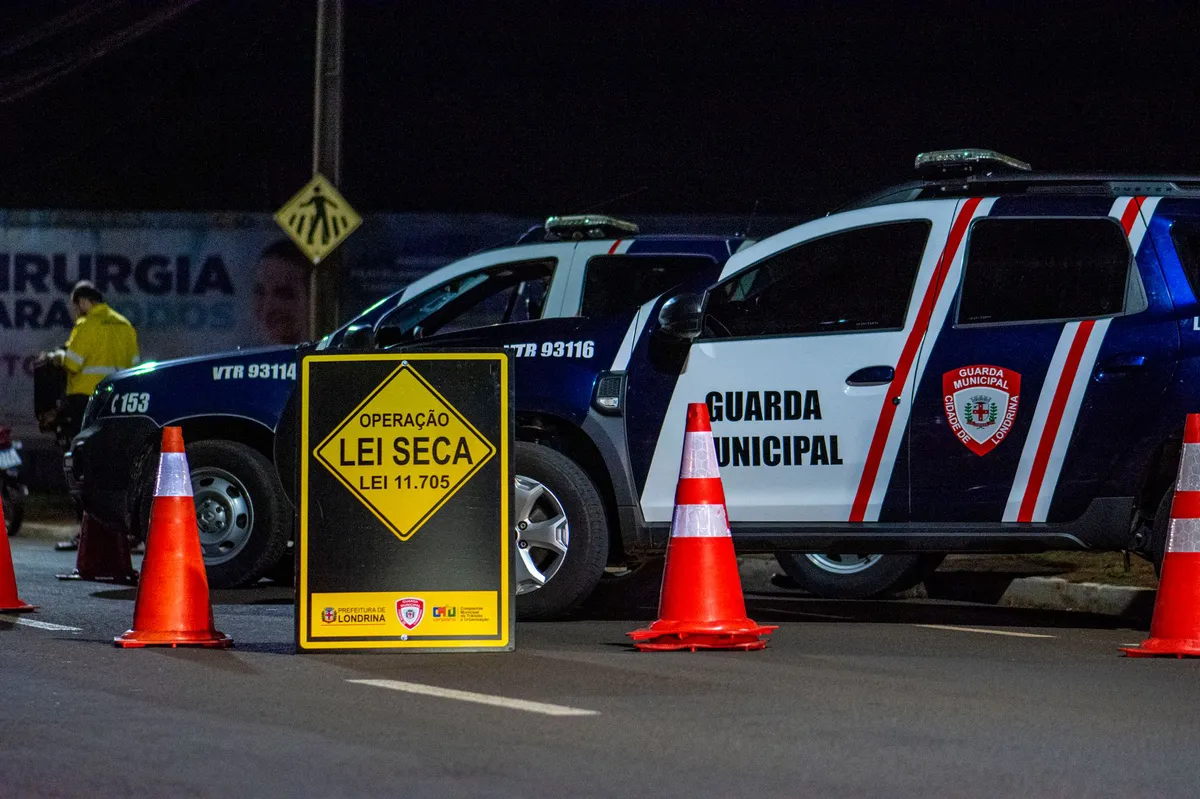
The Legal Definition of Extreme DUI
Arizona law, particularly under Arizona Revised Statute (ARS) §28-1382, defines an Extreme DUI as a DUI offense where the BAC is 0.15% or higher. This is nearly double the standard legal limit of 0.08%. The classification matters significantly, as it brings with it mandatory minimum penalties that are stricter than those for a standard DUI. Arizona categorizes DUI offenses into three tiers, each with escalating penalties based on BAC:
- Standard DUI: BAC between 0.08% and 0.149%
- Extreme DUI: BAC of 0.15% to 0.199%
- Super Extreme DUI: BAC of 0.20% or higher
Consequences of an Extreme DUI
The consequences of an Extreme DUI charge are significant. For a first offense, you face:
- Mandatory Jail Time: At least 30 consecutive days, with no options for probation or early release.
- Fines and Fees: Starting at a base fine of $250, plus an additional mandatory assessment of $1,000 for the prison construction fund, bringing total costs typically to between $2,500 and $3,500, excluding attorney fees.
- License Suspension: Immediate suspension of your driving privileges, followed by a mandatory installation of an ignition interlock device (IID) for at least 12 months upon reinstatement.
Moreover, the financial implications can extend far beyond initial fines. Total expenses, including attorney fees, IID installation and maintenance, increased insurance premiums, and potential lost wages from jail time, can easily exceed $10,000 to $15,000.

Understanding the Severity of Repeat Offenses
Those facing repeated DUI charges encounter even stiffer penalties. If you receive an Extreme DUI within 84 months (seven years) of a previous DUI conviction, the mandatory minimum jail time escalates to 120 days, with at least 60 days served consecutively. Furthermore, a second offense triggers a one-year license revocation, a three-year SR-22 insurance requirement, and extended IID obligations. In Arizona, repeat offenders are subject to laws that reflect a pattern of behavior, leading to harsher consequences.
From Misdemeanor to Felony
Notably, certain factors can elevate an Extreme DUI charge to an Aggravated DUI, classified as a Class 4 felony under ARS §28-1383. Felony charges carry far-reaching consequences, including prison time, and can significantly impact employment opportunities, housing options, and civil rights long after the sentence is served.

The Financial Impact of an Extreme DUI
The financial ramifications of an Extreme DUI extend beyond the courtroom. Individuals often underestimate the total costs associated with a conviction. While fines may start at a few hundred dollars, when you account for:
- Attorney fees
- Costs of IID installation and maintenance
- Increased insurance premiums
- Lost wages during incarceration
the total financial burden can quickly escalate. According to estimates, the total cost of a first-offense Extreme DUI in Phoenix can range from $10,000 to $15,000 or more. Additionally, long-term repercussions such as challenges in employment, difficulties with professional licensing, and potential complications in family court matters can persist long after the initial penalties have been served.
Immediate Steps to Take After an Extreme DUI Arrest
Time is of the essence when facing an Extreme DUI charge. Here are critical steps to take as soon as you are arrested:
- Contact a DUI Attorney: Engaging a qualified Arizona DUI attorney immediately can help you navigate the legal complexities of your case.
- Request an MVD Hearing: It's vital to contest your license suspension by requesting a Motor Vehicle Division hearing. There is usually a limited timeframe to do this, and failing to act promptly could result in automatic suspension.
- Avoid Voluntary Statements: Be cautious about making any statements to law enforcement beyond what is legally required. Anything you say can and will be used against you in court.
The Importance of Legal Representation
Having an experienced DUI defense attorney on your side is crucial. They can identify weaknesses in the prosecution's case, explore alternative defenses, and work towards minimizing the impact of the charges against you. While there are no guarantees in legal outcomes, securing representation early maximizes your options before critical deadlines pass.

Key Takeaways
- Extreme DUI in Arizona is defined by a BAC of 0.15% or higher, carrying severe penalties.
- First offenses incur a mandatory minimum of 30 days in jail, with significant financial implications.
- Repeat offenses lead to harsher penalties, including potential felony charges.
- Immediate action after an arrest is crucial; securing legal representation can greatly affect the outcome.
- Long-term consequences can extend beyond fines, impacting employment and personal life.
Frequently Asked Questions
What is the difference between a regular DUI and an Extreme DUI in Arizona?
The primary distinction lies in the blood alcohol concentration (BAC) level. A regular DUI is defined by a BAC of 0.08% to 0.149%, while an Extreme DUI applies when the BAC is 0.15% or higher. The penalties for an Extreme DUI are significantly more severe, including longer mandatory jail time and higher fines.
Can I contest my license suspension after an Extreme DUI arrest?
Yes, you can contest your license suspension by requesting a hearing with the Arizona Motor Vehicle Division (MVD). However, there is a limited time frame to make this request, often within 15 days of the arrest. Failing to do so may result in automatic suspension of your driving privileges.
What are the long-term consequences of an Extreme DUI conviction?
Beyond immediate penalties, an Extreme DUI conviction can lead to long-term repercussions such as increased insurance rates, challenges in securing employment, difficulties obtaining professional licenses, and potential negative impacts in family court situations. The effects can linger for years, influencing various aspects of your life.
Is it possible to reduce the penalties for an Extreme DUI?
While penalties for an Extreme DUI are mandatory and cannot typically be reduced, there are some avenues for mitigation. For instance, installing an ignition interlock device (IID) may reduce the mandatory jail time from 30 days to 9 days. However, this option requires the court's approval and adherence to specific conditions.
Disclaimer: The content provided in this article is for informational purposes only and should not be considered legal advice.
Comments
Is It Too Late to Hire a Car Accident Lawyer? Understanding Your Options
After a car accident, many victims delay hiring a lawyer, thinking it might be too late. This article explores the importance of timely legal action and the implications of waiting.

Related articles







Popular in Personal Injury
- Hawaii Supreme Court Overturns 36-Year-Old Rape Conviction Due to Forensic Flaws
- The Impact of Pro Bono Work by BigLaw Firms in 2025
- Albertsons Faces Trial Over Role in Washington's Opioid Crisis
- The Hidden Dangers of Open Manholes in New York City
- Historic $81 Million Verdict in Utah Pedestrian Wrongful Death Case