Exploring Ayahuasca: Mental Health Impacts and User Experiences
A recent study suggests that experienced ayahuasca users report better mental health outcomes. This article delves into the findings, implications, and the cultural significance of ayahuasca in the realm of mental health.
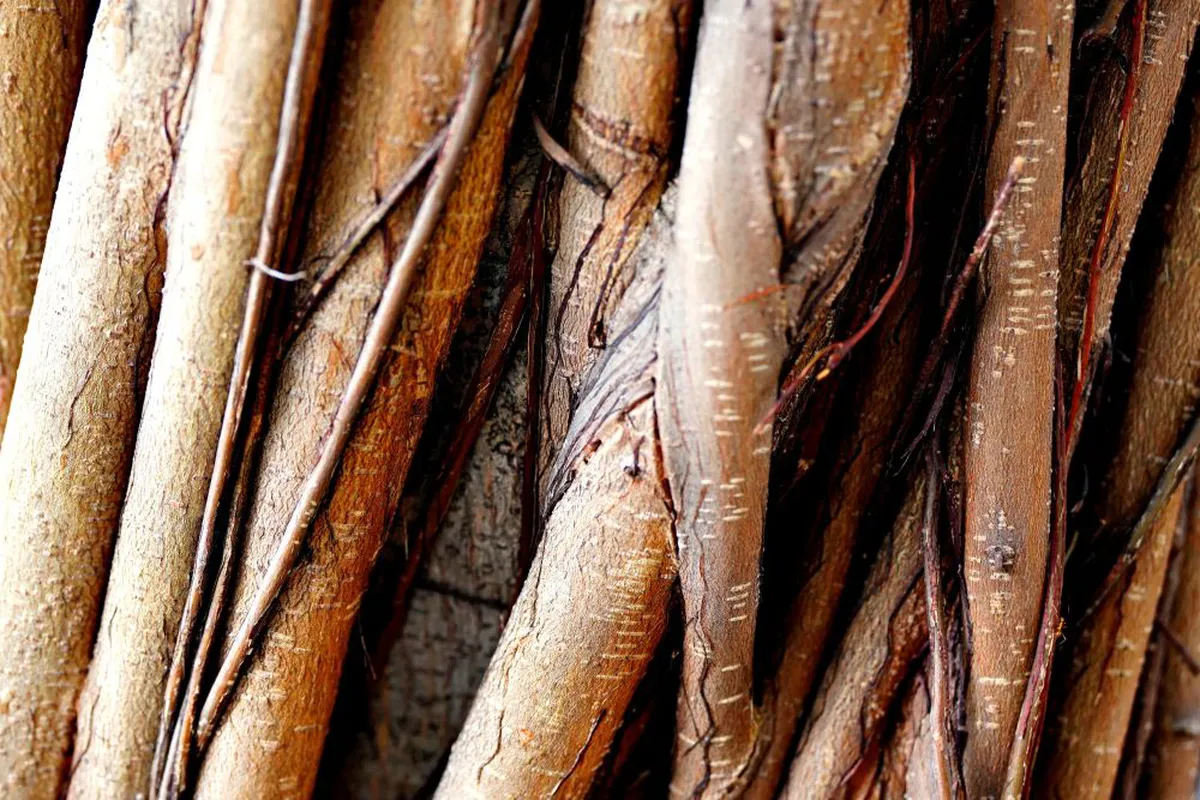
In recent years, ayahuasca, a traditional plant-based brew from the Amazon, has gained attention not only for its cultural significance but also for its purported therapeutic effects on mental health. A groundbreaking study conducted in Brazil involving over 800 adults has revealed a fascinating correlation between ayahuasca experience and mental well-being. The research indicates that individuals with extensive experience using ayahuasca report significantly lower levels of depression, anxiety, and stress compared to first-time users. These findings spark a crucial dialogue about the potential benefits and risks of ayahuasca, especially as it gains popularity beyond Indigenous communities.
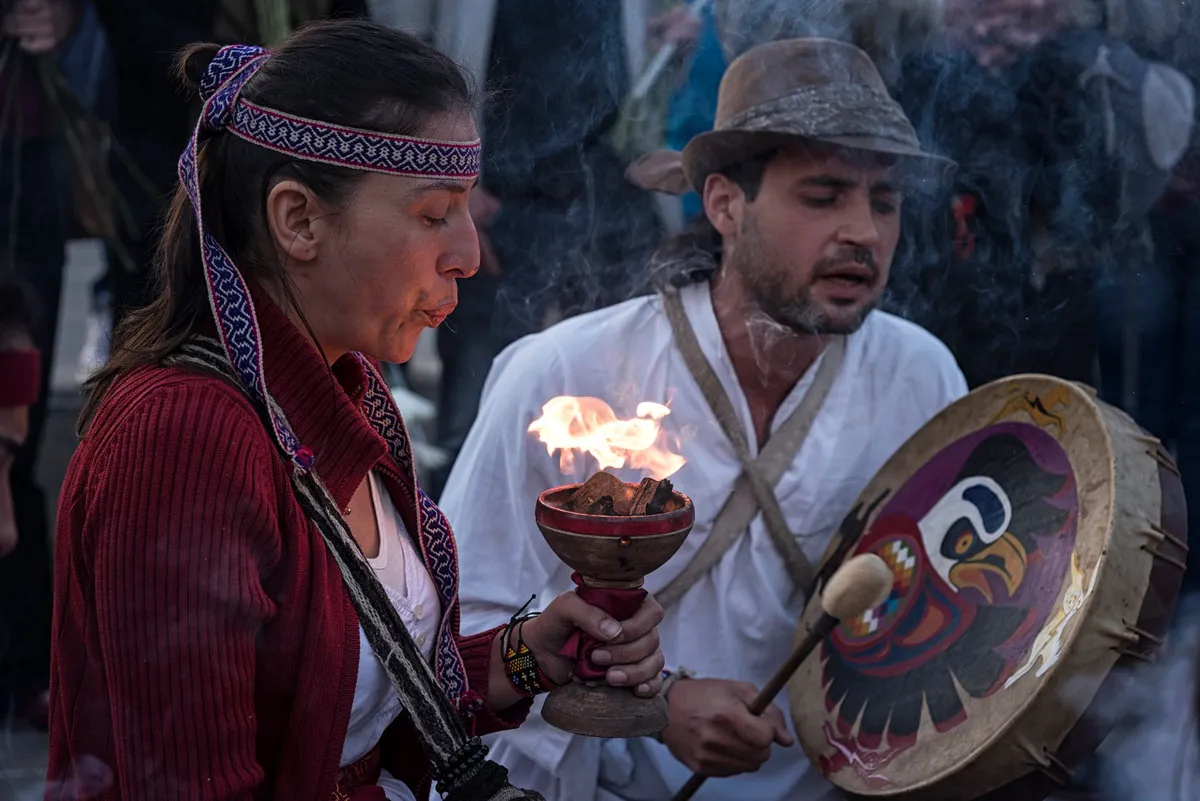
Ayahuasca, composed primarily of two plants containing the powerful hallucinogen DMT (dimethyltryptamine), has been used for centuries by Indigenous tribes in South America as part of sacred rituals and healing practices. As traditional beliefs intersect with modern therapeutic interests, understanding the real impacts of ayahuasca on mental health becomes increasingly vital for both users and healthcare providers.
The Study: Methodology and Findings
The study aimed to explore the relationship between prior ayahuasca use and various mental health indicators, focusing on a diverse group of Brazilian adults preparing to participate in ayahuasca ceremonies. Participants were organized into three distinct groups based on their past experiences with ayahuasca:
- First-time users (never ingested ayahuasca)
- Moderate users (1-20 times)
- Experienced users (21 or more times)
Approximately one week before their scheduled ceremonies, participants completed comprehensive questionnaires assessing their levels of depression, anxiety, stress, alcohol and tobacco use, spiritual well-being, and beliefs regarding consciousness and reality.
Key Results
The findings revealed notable trends across various mental health dimensions:
- Depression: First-time users exhibited higher depression scores than both moderate and experienced users. In contrast, those with the most experience reported the lowest depression levels.
- Anxiety: Similar patterns emerged with anxiety levels being significantly higher among first-time participants compared to those with extensive experience.
- Stress: Experienced users reported lower stress scores than their less experienced counterparts.
- Substance Use: Individuals with extensive ayahuasca experience also reported lower alcohol consumption, while tobacco use was less prevalent among experienced users, though this difference was less significant after accounting for other factors.
- Spiritual Well-Being: The most significant disparity was observed in spiritual well-being, with experienced users reporting the highest levels, indicative of a potentially transformative experience.
Cultural Context and Historical Significance
To fully appreciate the implications of the study, it is essential to understand ayahuasca's historical and cultural context. Traditionally, ayahuasca is not merely a recreational substance; it is a sacred brew used in rituals aimed at healing and spiritual exploration. Indigenous communities in the Amazon have utilized ayahuasca for generations, believing it connects them to the spiritual realm and facilitates healing from various ailments, both physical and mental.
As ayahuasca gains traction in Western wellness circles, it raises important questions about cultural appropriation and the commercialization of Indigenous practices. While some individuals seek ayahuasca for personal growth or therapeutic benefits, it is crucial to approach its use with respect for its origins and the communities that have historically used it.

Limitations and Considerations of the Research
While the study's findings provide valuable insights, researchers caution that these results should be interpreted with care. Several limitations may affect the conclusions drawn:
- Cross-sectional Design: The study assessed participants at a single point in time, making it impossible to definitively establish a causal relationship between ayahuasca use and mental health improvements.
- Self-Reported Data: The reliance on self-reported questionnaires can introduce biases, as participants may inadvertently exaggerate or underreport their experiences based on personal expectations.
- Sample Size Variability: The disproportionate number of experienced users compared to first-time participants may skew results, making it difficult to generalize findings across different demographics.
As the field of psychedelic research continues to evolve, larger longitudinal studies that follow subjects over extended periods will be needed to clarify whether ayahuasca use can lead to long-term improvements in mental health or if those who gravitate toward ayahuasca already possess certain psychological traits conducive to positive outcomes.
Broader Implications for Mental Health Treatment
The growing body of research surrounding ayahuasca and other psychedelics reflects a broader shift in mental health treatment paradigms. Traditional therapeutic methods often emphasize medication and talk therapy, but emerging evidence suggests that psychedelics may offer alternative pathways for healing, especially for conditions like depression and anxiety.
For many individuals, the experience of ayahuasca can catalyze profound personal insights and emotional breakthroughs. As such, it may serve as a complementary approach to conventional mental health treatments. However, potential users should approach ayahuasca with caution, particularly given its powerful psychoactive effects and the importance of setting and guidance during ceremonies.
Key Takeaways
- Experienced ayahuasca users report lower levels of depression, anxiety, and stress compared to first-time users.
- The study highlights the importance of cultural respect and understanding regarding ayahuasca's historical significance.
- While promising, the findings do not establish a causal relationship between ayahuasca use and improved mental health.
- Future research should focus on longitudinal studies to more thoroughly investigate the long-term effects of ayahuasca.
- Psychedelics like ayahuasca may represent a new frontier in mental health treatment but require careful consideration and guidance.

Frequently Asked Questions
What is ayahuasca, and how is it used?
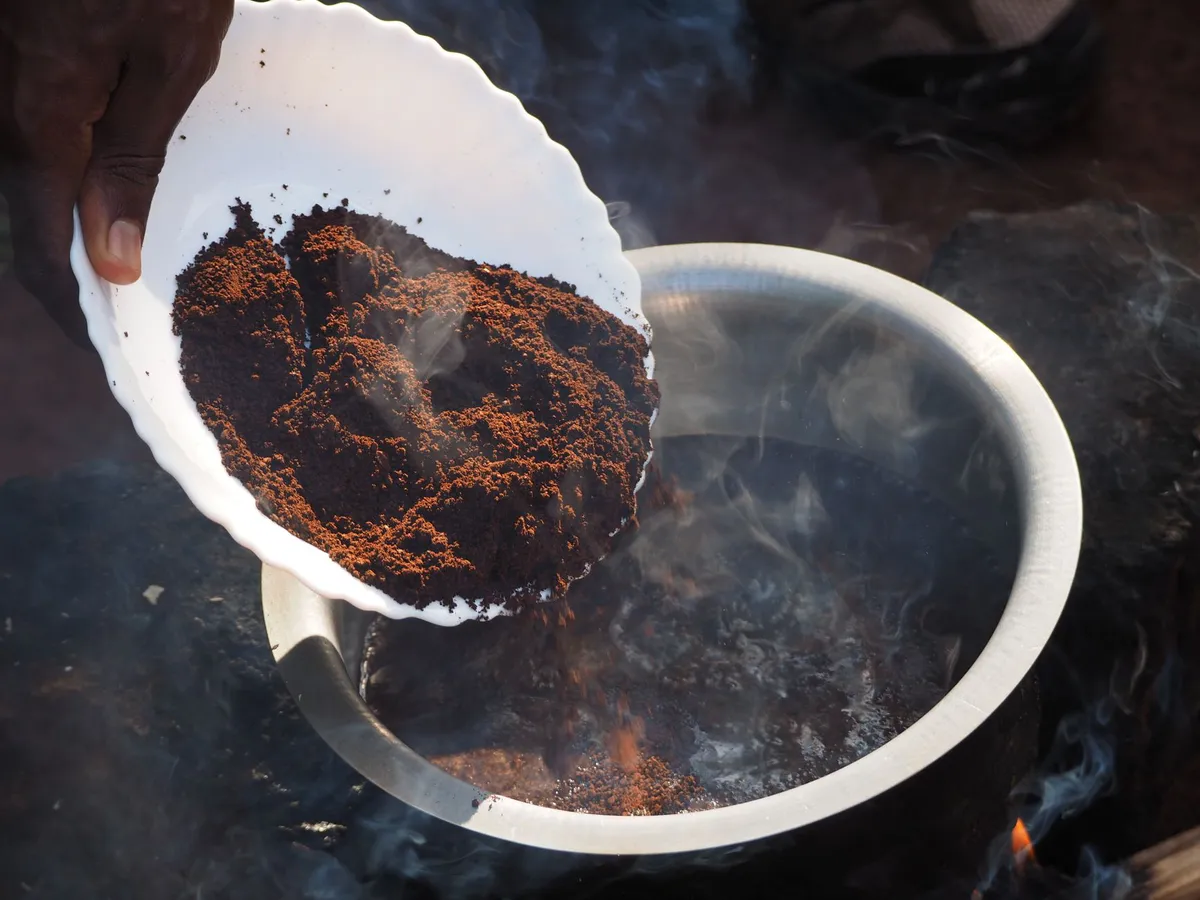
Ayahuasca is a psychoactive brew made from the Banisteriopsis caapi vine and other plants containing DMT. Traditionally used in Indigenous Amazonian cultures, it is consumed during ceremonial rituals aimed at spiritual exploration and healing. Users often report profound psychological and emotional experiences, which can vary widely in intensity and significance.
Is ayahuasca safe to use?
While many users report positive experiences with ayahuasca, it is not without risks. The brew can cause intense psychological reactions, and individuals with certain mental health conditions may experience adverse effects. It is crucial for potential users to consult with healthcare professionals and consider the importance of a supportive environment and experienced guides during ceremonies.
How does ayahuasca impact mental health?
Research suggests that ayahuasca may have positive effects on mental health, particularly in reducing symptoms of depression and anxiety among experienced users. However, definitive conclusions cannot be drawn from current studies, as many rely on self-reported data and do not establish causation. Ongoing research continues to explore the mechanisms by which ayahuasca may influence mental health outcomes.
How can I find a reputable ayahuasca ceremony?
Finding a reputable ayahuasca ceremony requires thorough research. Look for facilitators with strong recommendations, ideally those who have a background in psychology or mental health. It is essential to ensure that the setting is safe, respectful of Indigenous practices, and that adequate support is provided throughout the experience.
This information is for general educational purposes only and should not be considered legal advice.
Comments
California Man Pleads Guilty to Courthouse Bombing in Retaliation for Gun Seizure
Nathaniel McGuire has pleaded guilty to detonating a bomb in a Santa Barbara County courthouse, injuring five and facing a possible maximum life sentence.

Related articles




Popular in Personal Injury
- Hawaii Supreme Court Overturns 36-Year-Old Rape Conviction Due to Forensic Flaws
- The Impact of Pro Bono Work by BigLaw Firms in 2025
- Albertsons Faces Trial Over Role in Washington's Opioid Crisis
- The Hidden Dangers of Open Manholes in New York City
- Historic $81 Million Verdict in Utah Pedestrian Wrongful Death Case